
Paper:
Precision Control of Paramecium’s Swimming Behaviors for Automatic Object Manipulation
Akitoshi Ito
 and Kenta Tokuyama
Tokyo Denki University
5 Senju Asahi-cho, Adachi-ku, Tokyo 120-8551, Japan

We investigate Paramecium, which exhibits a negative galvanotactic response, as a biological actuator for bio-hybrid micromachines. Object transportation is difficult owing to low behavioral control accuracy, and tool attachment has a low success rate. In this study, control precision was significantly improved to increase collision probability without using mechanical tools. A 10 mm pool with electrode separation and continuous solution exchange was used to suppress pH variation, and the control algorithm was refined to determine the electric field angle from path deviation and swimming velocity. An automatic transportation system driven by a single Paramecium was constructed, in which repeated collisions enabled payload movement. A 330 µm gel particle was autonomously transported for 1.7 cycles along a star-shaped path (with a 3.24 mm side length) over 72 min in a horizontal pool. These results show that reducing control deviation to less than half the body length is critical for autonomous object transportation. This study demonstrates that reducing the behavioral control deviation of Paramecium to less than approximately half its body length is a critical prerequisite for autonomous object transportation.
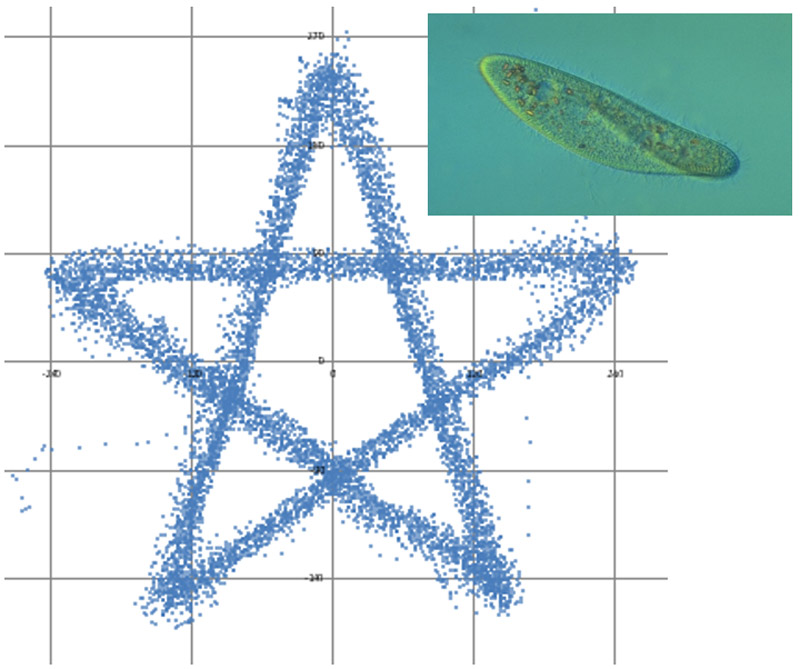
Precision swimming trajectory of a Paramecium
1. Introduction
We demonstrated that protozoa can function as effective biological actuators, including the rotation of a 0.5-mm-diameter impeller using a Paramecium controlled by a weak electric field 1 and the assembly of simple planar machine parts using Euglena, guided by scanned laser light 2.
Following the successful demonstration of impeller rotation, we investigated object transportation using Paramecium. However, direct transportation has proven difficult due to insufficient positioning accuracy, a low probability of collision with target objects, and frequent avoidance reactions upon contact. Even when collision occurs, stable contact is difficult to maintain because the body of Paramecium is soft and streamlined, resulting in extremely low transportation efficiency.
To address these issues, our group has explored the use of transport tools attached to living Paramecium 1,3,4,5,6,7,8. Although a washer-type tool made from thin polypropylene film has been shown to improve transportation efficiency 3, the attachment process is technically demanding and often causes deterioration in physiological activity, making stable and reproducible transport difficult.
Previous studies have shown that when the transported object is soft, such as a gel, Paramecium exhibits weaker avoidance responses. Building upon this finding, we demonstrated the manual transportation of an artificial salmon-roe-shaped gel in a vertical pool 6. In addition, enlarging the experimental pool was shown to improve positioning accuracy, reducing the average control deviation to approximately the body length of Paramecium.
Based on these findings, this study aims to realize automatic object transportation by improving behavioral control accuracy rather than relying on external tools. The control algorithm is refined to enhance positioning precision, and an autonomous object transportation system is constructed using a single Paramecium without attachments and a soft gel payload that does not induce avoidance reactions.
Although tool attachment to Paramecium has been demonstrated, its extremely low success rate and strong dependence on operator skill make tool attachment impractical as a stable research platform.
Therefore, this study focuses on exploring and expanding the capabilities of tool-free manipulation based solely on behavioral control, even under current limitations to soft objects.
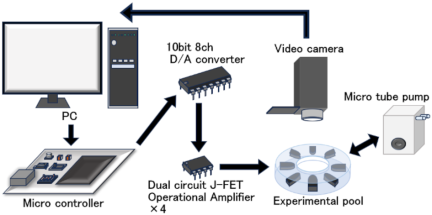
Fig. 1. Schematic diagram of experimental system.
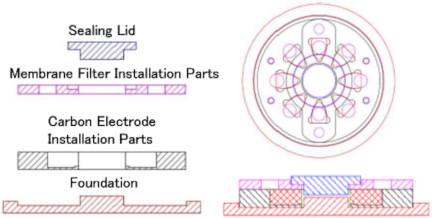
Fig. 2. Schematic diagram of behavior control pool.
2. Experimental Apparatus
This section outlines the experimental apparatus used to control the swimming behavior of Paramecium. An overview of the system configuration is presented in Fig. 1.
Eight carbon electrodes were installed at equal angular intervals around the periphery of the control pool where the Paramecium swims. A 10-bit digital signal generated by a microcomputer was converted into an analog voltage using a D/A converter. The voltage was then amplified by an operational amplifier to a range of \({\pm}13.5\) V and applied to the electrodes to generate a controllable potential gradient within the swimming area.
Images of the control pool were captured using a video camera equipped with a macro lens. The acquired images were transmitted to a PC, where image processing was performed to detect the position of the Paramecium. Based on the detected position, the application angle of the electric field was calculated according to the control algorithm and updated in real time.
The control pool consists of four components, as illustrated in Fig. 2. The Paramecium swims in the space between the base plate and the sealing lid. This swimming area was designed to have a height of 0.35 mm, with an approximate distance of 10 mm between opposing electrodes.
A membrane filter was attached to the inner surface of the electrode unit to maintain electrical continuity between the solution in the electrode unit and that in the swimming area, while suppressing convective flow between them. The solution inside the electrode unit was continuously replaced using a microtube pump.
This configuration prevents the solution whose pH has changed due to electrolysis at the electrodes from flowing into the swimming area. Consequently, the deterioration of the physiological activity of the Paramecium during prolonged experiments was effectively suppressed.
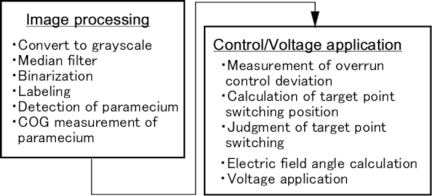
Fig. 3. Flow of behavior control program.
3. Automatic Control Program
Automatic behavioral control of Paramecium was performed using a custom program developed in the authors’ laboratory. Image processing and calculation of the electric field application angle based on the control law were performed at intervals of 0.1 s (Fig. 3). The control methods employed are outlined below.
3.1. Voltage Application Algorithm Based on Internal Division Ratio
Paramecium swims using approximately 5,000 cilia arranged helically over its surface. These cilia exhibit two beating modes: forward (normal) and backward (reversed), regulated by intracellular Ca\(^{2+}\) concentration linked to membrane potential. Under an external electric field, the Rudroff effect induces reversed beating on the negative side and normal beating on the positive side, resulting in cathode-directed swimming.
Paramecium does not show a proportional increase in swimming speed with electric field strength, but rather an on/off response to the field direction. Although the response threshold varies, most Paramecia swim in the intended direction at around 0.3 V/mm. A major difficulty in achieving control is the large variation in response time. At higher field strengths (above \({\sim}0.6\) V/mm), increased reversed beating of anterior cilia reduces swimming speed and enlarges the helical trajectory, degrading positioning accuracy.
Given these characteristics, the present study controls only swimming direction and not speed. Under conditions without pH variation, the Paramecium can be guided for over 100 cycles, indicating that the electric field has little effect on physiological activity.
To guide Paramecium smoothly along a prescribed path, an internal-division-based algorithm was employed instead of directly steering the organism toward each target point (Fig. 4). A temporary target point was defined by internally dividing the segment between the current target point and the perpendicular projection of the Paramecium position onto the path in a ratio of \(m:n\). A potential gradient was then applied toward this temporary target point.
The voltage applied to each electrode was calculated as
\(V_{\mathit{max}}\) is a coefficient representing the maximum applied voltage, which was set to 13.5 V in the present experiment.
Because Paramecium allows control of swimming direction but not speed, a nearly constant electric field was applied, and only its direction was varied. The field direction was adjusted using eight fixed electrodes according to Eq. (1).
The nominal field gradient was \(\pm 13.5\) V / 10 mm (2.7 V/mm), which is higher than the 0.3 V/mm used in previous small-pool experiments. However, due to field non-uniformity near the electrodes and attenuation caused by the membrane filter separating the electrode and experimental regions, this gradient produces behavior equivalent to that observed at 0.3 V/mm in the smaller system.
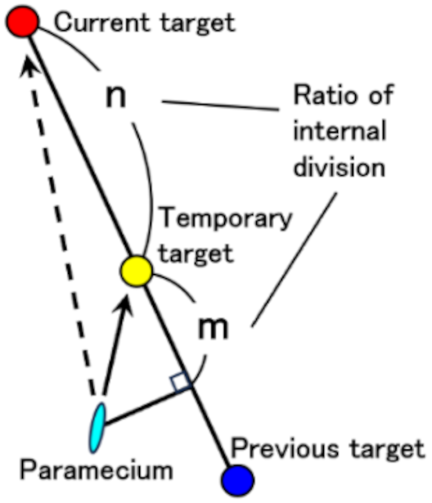
Fig. 4. Calculation method for electric field angle using internal division ratio.
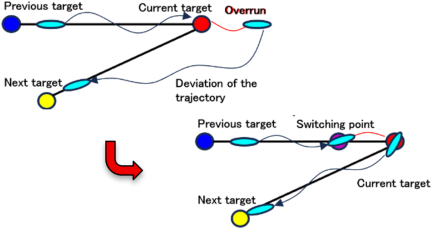
Fig. 5. Correction method for overrun.
3.2. Target Point Switching Algorithm
When the target point is switched only after the Paramecium reaches it, the organism often overruns the apex of the path due to delays in both behavioral response and image processing.
To address this issue, a predictive switching method was introduced. In this method, the amount of overrun is predicted based on the overrun observed in the previous turn, and the target point is switched before the Paramecium reaches the apex (shown in Fig. 5).
The overrun distance is defined as the distance between the position at which the target point is switched and the position at which the Paramecium actually changes its swimming direction. To predict the overrun, instead of uniformly averaging past data, an exponentially weighted integral—referred to here as the integral value of equal-ratio damping—is employed, giving greater weight to more recent data.
The integral value is expressed as
For implementation in the control program, Eq. (2) can be simplified to the following recursive form:
This formulation allows the controller to adapt to gradual changes in the overrun caused by variations in swimming speed during the experiment. The switching position of the target point is defined on a circumference centered at the previous target point, with a radius equal to the current path length minus the integral value of the equal-ratio damping.
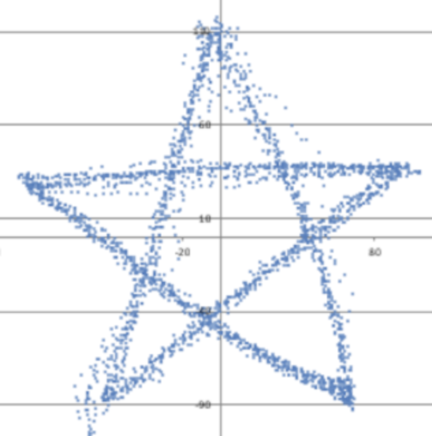
Fig. 6. Swimming trajectories of Paramecium using fixed internal division ratio algorithm.
3.3. Automatic Control Experiments Along a Star-Shaped Path
Automatic control experiments were conducted along a star-shaped path with a side length of approximately 5 mm. The internal division ratio was set to \(m \mathbin{:} n = 1 \mathbin{:} 3\), and the damping coefficient was set to \(G = 0.25\). The smallest average control deviation obtained was 0.0947 mm at an average swimming speed of 0.911 mm/s, corresponding to less than half the body length of Paramecium (Fig. 6).
Experiments with varying internal division ratios revealed that control deviation generally increased with swimming speed. Among the tested ratios, values of approximately \(3 \mathbin{:} 7\) provided the most stable guidance with reduced oscillation, whereas larger ratios resulted in slower recovery to the path and increased deviation (Fig. 7).
4. Improvement of the Voltage Application Algorithm
During automatic object transportation, variations in control deviation reduce the probability of collision between the Paramecium and the payload, leading to poor transportation efficiency. To further increase the collision probability and improve transport performance, the voltage application algorithm was refined beyond the methods described in the previous section.
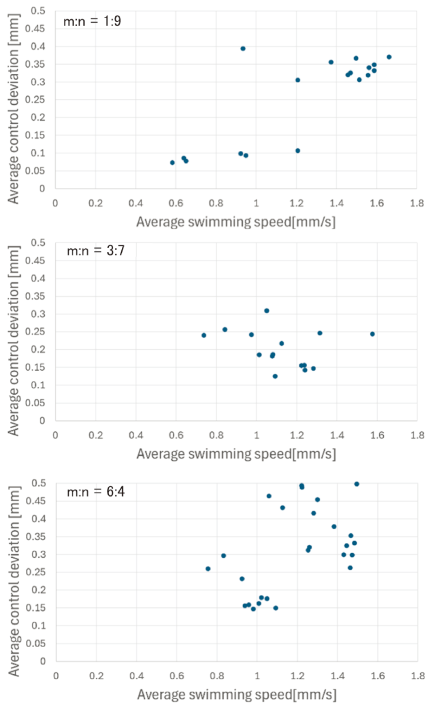
Fig. 7. Relationship between the swimming speed of Paramecium and control deviation at each internal division ratio.
4.1. Calculation of the Internal Division Ratio from Path Deviation and Swimming Speed
When a Paramecium deviates from the guidance path, it should be returned to that path as quickly as possible. Accordingly, the internal division ratio was modified in proportion to the deviation from the target path (Fig. 8, left).
In addition, to suppress residual deviation and prevent oscillatory motion when the Paramecium returns toward the path, the internal division ratio was adjusted based on the rate at which the Paramecium approaches the path, which is related to its swimming speed (Fig. 8, right). Using this concept, a method in which the application angle of the electric field is calculated indirectly via the internal division ratio was first examined.
The internal division ratio parameter \(m\) is calculated as
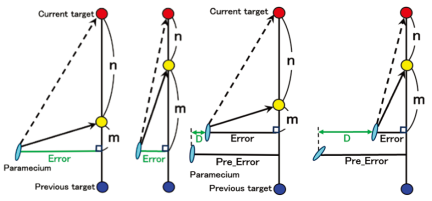
Fig. 8. Calculation of the applied angle of the electrical field proportional to the deviation and velocity.
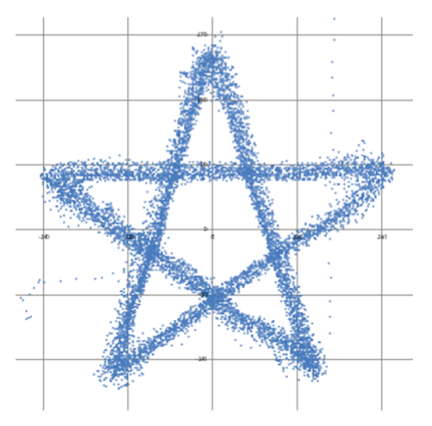
Fig. 9. Swimming trajectories of Paramecium using PD tuning internal division ratio algorithm.
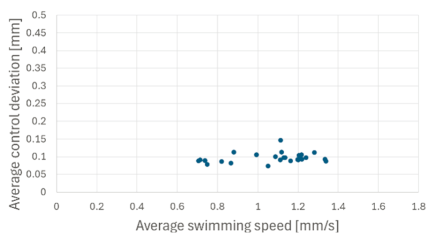
Fig. 10. Relationship between average swimming speed and average control deviation using PD tuning algorithm to the internal division ratio.
Figure 9 shows a representative swimming trajectory obtained with \(\mathit{Kp}_{\mathit{idr}} = -2.4\) and \(\mathit{Kd}_{\mathit{idr}} = -5.0\), and Fig. 10 shows the relationship between swimming speed and control deviation. Increasing the value of \(\mathit{Kp}_{\mathit{idr}}\) reduced the residual deviation, and stable swimming without oscillation relative to the path was achieved even at higher swimming speeds. Under these conditions, the average control deviation was reduced to 0.096 mm.
However, because this method determines the control action using the internal division ratio \(m\), the resulting electric field angle depends on the length of the path segment. This dependence complicates control when the path length varies, such as in star-shaped trajectories with short sides.
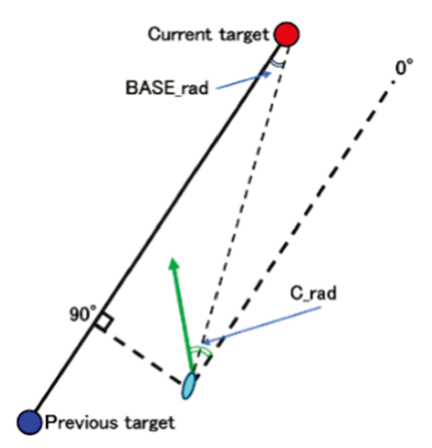
Fig. 11. Generation of route to transport the object by Paramecium and maximum angle restriction.
4.2. Direct Calculation of the Electric Field Angle from Deviation and Velocity
To eliminate the path-length dependence inherent in the internal-division-based approach, the control strategy was further refined by directly calculating the electric field angle from the deviation and the swimming velocity. The basic concept of this method is illustrated in Fig. 11.
The correction angle of the electric field, \(C_{\mathit{rad}}\), is calculated as
Figure 12 shows a swimming trajectory along a star-shaped path with a side length of 3 mm obtained using \(\mathit{Kp}_{\mathit{rad}} = 1.0\) and \(\mathit{Kd}_{\mathit{rad}} = 8.0\).
Figure 13 shows the relationship between swimming speed and control deviation. Even for short path lengths, stable guidance was achieved, and the average control deviation was reduced to 0.0997 mm.
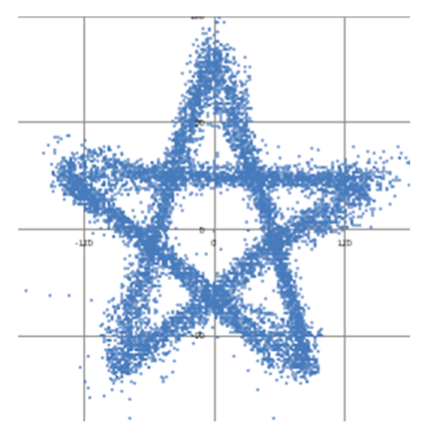
Fig. 12. Swimming trajectory of Paramecium.
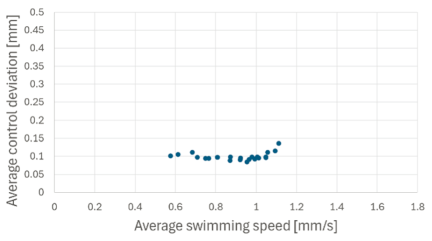
Fig. 13. Relationship between average swimming speed and average control deviation using direct PD angle tuning with restriction.
5. Construction of an Automatic Object Transportation System
Based on the results of the previously successful three-stage drop experiments, an automatic object transportation system was constructed. While the three-stage drop experiments were performed in a vertical pool, the objective of the present study was to realize object transportation to arbitrary positions within a horizontal pool.
Although object transportation using Paramecium equipped with an external tool is ultimately desirable, the present study first focuses on transportation using a single naked Paramecium without any attached tools, to evaluate the effectiveness of improved behavioral control alone.
5.1. Fabrication of the Transportation Object
To enable transportation using a single Paramecium, the payload was required to be sufficiently soft not to induce an avoidance response. Therefore, an artificial salmon-roe-shaped gel, which had been successfully transported by Paramecium in previous studies, was adopted as the transportation object.
The artificial salmon roe was fabricated by spraying a sodium alginate solution into a calcium lactate solution, where it solidified into spherical gel particles. For the experiments, particles with a diameter of approximately 300 μm were used, which is slightly smaller than the height of the control pool.
To facilitate image recognition, titanium dioxide was added to color the particles white.
An example of the fabricated minute gel is shown in Fig. 14 with four paramecia.
5.2. Image Recognition of Paramecium and Transportation Object
Automatic object transportation requires simultaneous detection of both the Paramecium and the transportation object. However, in binarized images, Paramecium could not be reliably distinguished from debris in the pool due to the lack of clear differences in size and brightness, making stable detection difficult.
To address this issue, a motion-based detection method was adopted to recognize Paramecium. Binarized images from the previous 10 frames were stored, and the current binarized image was compared with that from 10 frames earlier. An image highlighting only regions with temporal changes was generated, in which changing regions were represented in white and static regions in black. Objects satisfying predefined area conditions were identified as Paramecium.
Each detected Paramecium was assigned a unique ID. By comparing consecutive frames, the ID was continuously assigned to the nearest detected Paramecium, enabling stable tracking and control of a single individual throughout the experiment.
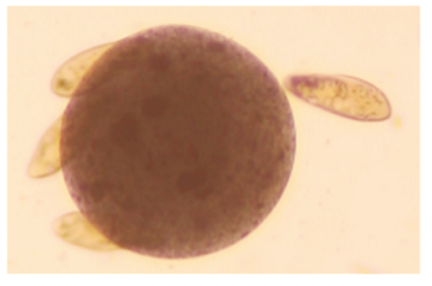
Fig. 14. Fabricated minute gel (artificial sermon roe).
5.3. Generation of Swimming Paths for Object Transportation
Observation of manual control experiments revealed that maintaining continuous contact between Paramecium and the object was difficult. Instead, transportation was achieved through repeated collisions, resulting in the gradual displacement of the object.
Based on this observation, the swimming path for automatic object transportation was designed such that the Paramecium repeatedly circulates around the object. The control method applied to Paramecium was identical to that used in the star-shaped swimming experiments described earlier; only the coordinates of the target points were modified.
As shown in Fig. 15, a three-point path consisting of target points 0, 1, and 2 was defined, along which the Paramecium swims sequentially in the order 0 \(\to\) 1 \(\to\) 2. Targets 0 and 2 were positioned on a straight line connecting the transportation object and the destination point. Target 0 was generated on the side toward the destination, whereas target 2 was generated on the opposite side.
Target 1 was placed off this straight line and served as an avoidance point. Its purpose was to prevent the Paramecium from pushing the object away from the destination while moving toward target 2 for the subsequent collision after reaching target 0.
The geometry of the three-point path was determined prior to the experiment by specifying the distance \(d_3\) from target 2 to the object, the distance \(d_0\) from the object to target 0, and the interior angles \(\theta_1\) and \(\theta_2\) at targets 2 and 0, respectively.
To suppress pH bias caused by electrolysis, the direction in which target 1 was generated was alternated between left and right after each complete revolution of the Paramecium around the path.
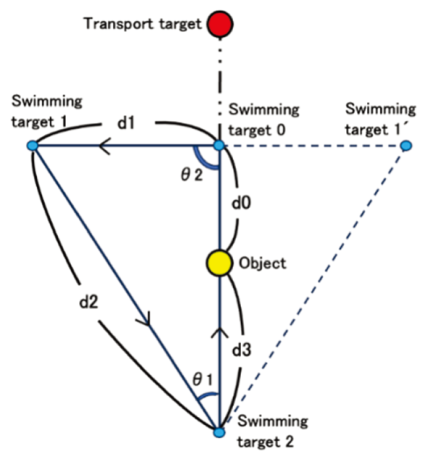
Fig. 15. Generation of route planning to transport the object by Paramecium.
5.4. Setting of the Transportation Path
The global transportation path for the object is defined as a star-shaped trajectory with a side length of 3.24 mm.
The internal-division-based control algorithm used for guiding the Paramecium was also applied during object transportation to prevent the object from deviating from the prescribed path. The target point is switched when the object approaches the current target point or when it exits a circular region centered at the previous target point with a radius equal to the current path length.
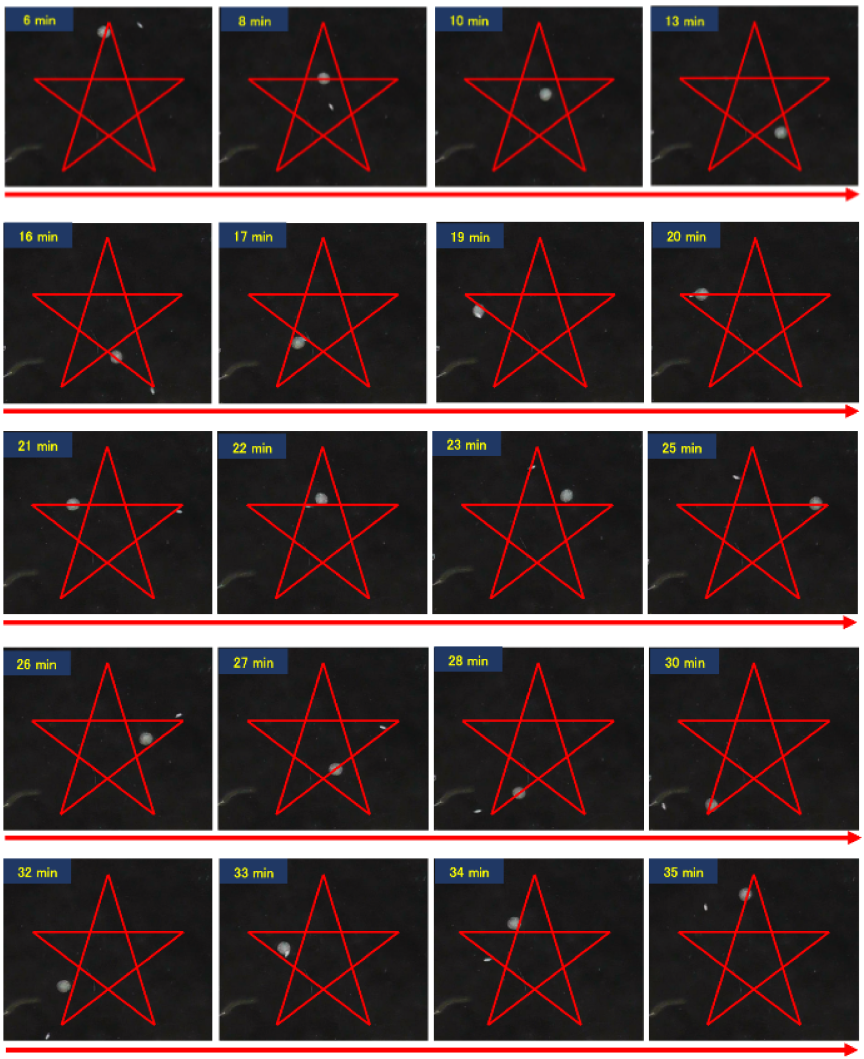
Fig. 16. Sequential photographs of the object transportation experiment along star-shaped path.
6. Results of the Automatic Transportation Experiments
Using the object transportation system described above, automatic transportation experiments were conducted in which an artificial salmon-roe-shaped gel was transported along a star-shaped path.
The application angle of the electric field was calculated based on the deviation from the target path and the swimming speed of the Paramecium, as described in Section 4.2. The parameters defining the three-point swimming path were set as follows: run-up distance before collision with the object \(d_{3} = 1.4\) mm, penetration angle \(\theta_{2} = 36°\), avoidance distance after collision \(d_{0} = 1.0\) mm, and avoidance angle \(\theta_{1} = 90°\). Fig. 16 shows the temporal movement of the transportation object during the experiment, and Fig. 17 shows the resulting transportation trajectory.
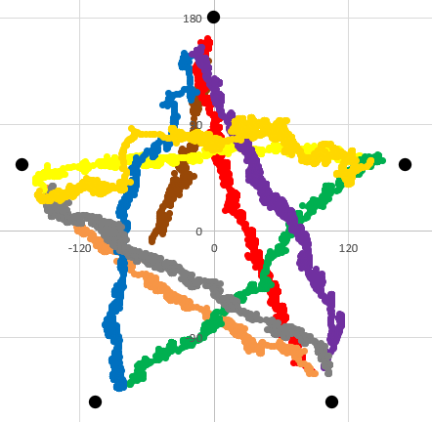
Fig. 17. An example of the object transportation trajectories by Paramecium.
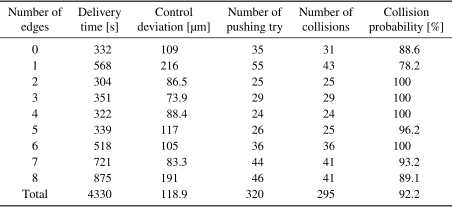
In this experiment, an artificial salmon roe with a diameter of 330 μm was successfully transported automatically for 1.7 cycles along the star-shaped path, corresponding to a total straight-line distance of approximately 27.2 mm, over a duration of 72 min. Table 1 summarizes the transportation time for each path segment, the control deviation during object transportation, and the probability of collision with the object.
To the best of the authors’ knowledge, this is the first successful demonstration of an automatic object transportation system driven by a living Paramecium without any external attachments. This success is attributed to the substantial improvement in behavioral control accuracy, which reduced the control deviation to less than half the body length of Paramecium. As a result, the probability of collision with the transportation object was dramatically increased, enabling reliable autonomous transportation.
Table 1. Time required to transport object, control deviation for object transportation, and probability of collision with an object.
7. Discussion
7.1. System Concept
This study demonstrated automatic object transportation driven by a single living Paramecium. Although the transportation speed was relatively slow, these results clarify the fundamental conditions required for autonomous bio-hybrid transport systems.
The transportation process relied on repeated collisions between the Paramecium and the payload rather than continuous mechanical contact. Consequently, transportation efficiency was limited by the small propulsive force of the organism and by the stochastic nature of collision-based transport. In addition, avoidance reactions during contact constrained the payload to soft, deformable materials such as gel. These characteristics reflect intrinsic limitations of tool-less transport.
A key finding of this study is that autonomous object transportation becomes feasible when the control deviation of Paramecium is reduced to less than approximately half its body length. This indicates that behavioral control precision is a dominant factor governing transport success at the microscale. From an engineering perspective, this result provides a practical guideline: sufficient control accuracy must be achieved before mechanical interaction can be effectively introduced. The scheme is shown in Fig. 18.
The limitations observed here are expected to be alleviated by the use of transport tools. However, in the case of Paramecium, fabricating and attaching such tools while maintaining stable physiological activity remains a major technical challenge. This study establishes a quantitative baseline for transport performance achievable through behavioral control alone, against which future tool-assisted systems can be evaluated and integrated.

Fig. 18. Primary factor enabling automatic transportation.
7.2. Cause of the Large Improvement in Behavioral Control Accuracy
In the present study, behavioral control accuracy was significantly improved, reducing the positioning error from 0.3 mm to 0.1 mm, which enabled automatic object transportation.
The adopted control strategy applies a nearly constant electric field and adjusts only its direction, without incorporating a motion-dynamics model. This is based on the biological characteristics of Paramecium, whose galvanotactic response is essentially on/off and whose swimming speed cannot be controlled. The control therefore regulates position only, without considering time or speed.
Biological variability, particularly in response delay, is much greater than that of artificial systems, making conventional time-dependent control difficult. By ignoring time, the proposed method effectively accommodates this variability.
However, positioning accuracy still depended on swimming speed and deteriorated for faster individuals. This was improved by correcting the field direction using recent swimming velocity and direction. For large directional changes, where variability in response delay becomes dominant, EMA filtering of past delay data was additionally introduced.
Although simple, this control approach effectively compensates for biological variability, resulting in high positioning accuracy.
8. Conclusion
In this study, automatic behavioral control of Paramecium was achieved using an electric-field-based control framework incorporating internal-division guidance and predictive overrun correction. Consequently, Paramecium was guided autonomously along a star-shaped path, and the control deviation was reduced to less than approximately half its body length.
Based on this control precision, an automatic object transportation system was constructed in which a single Paramecium repeatedly induces collisions with a payload along a three-point path. Using this system, the first automatic transportation of an object driven by a living Paramecium in a horizontal pool was demonstrated.
The results indicate that precise behavioral control is a necessary prerequisite for autonomous transport, while the integration of transport tools will be essential for improving efficiency and expanding practical applicability. The study provides a quantitative baseline for such future tool-assisted bio-hybrid micromanipulation systems. The present results are expected to facilitate further development of computational studies 9,10 involving microorganisms.
Acknowledgments
The authors express their gratitude to Mr. Taisei Ohira for joining this research as a graduation thesis. They also express their gratitude to Dr. Mizuki Nakajima for his great suggestion for the discussion of this paper.
- [1] A. Itoh, “Motion control of protozoa for Bio-MEMS,” IEEE/ASME Trans. Mechatron., Vol.5, No.2, pp. 181-188, 2000. https://doi.org/10.1109/3516.847091
- [2] A. Itoh and W. Tamura, “Object manipulation by a formation-controlled Euglena group,” N. Kato and S. Kamimura (Eds.), “Bio-mechanisms of Swimming and Flying,” pp. 41-52, Springer, 2007. https://doi.org/10.1007/978-4-431-73380-5_4
- [3] H. Yoshida and A. Ito, “Installation of micro operation tool on the living paramecium for micro manipulation,” Proc. 17th JSME Bioeng. Conf., pp. 341-342, 2005 (in Japanese). https://doi.org/10.1299/jsmebs.2004.17.0_341
- [4] H. Yoshizawa, H. Kashimura, and A. Ito, “Motion control of protist using galvanotaxis: Improvements of the motion control property of Paramecium by using electrode rotation type large experimental pool,” Proc. 2013 JSME Conf. Robot. Mechatron. (Robomec), Session No.1A1-A14, 2013 (in Japanese). https://doi.org/10.1299/jsmermd.2013._1A1-A14_1
- [5] H. Yoshizawa and A. Ito, “Motion control of protist using galvanotaxis: Motion control property of Paramecium in the vertical plane,” Proc. 2013 JSME Conf. Robot. Mechatron. (Robomec), Session No.3A1-K04, 2014 (in Japanese). https://doi.org/10.1299/jsmermd.2014._3A1-K04_1
- [6] S. Miwa, H. Yoshizawa, and A. Itoh, “Motion control of protist using galvanotaxis: Transportation of gel object by Paramecium in the vertical plane pool,” Proc. 2015 JSME Conf. Robot. Mechatron. (Robomec), Session No.1P1-S06, 2015 (in Japanese). https://doi.org/10.1299/jsmermd.2015._1P1-S06_1
- [7] T. Kikuchi, S. Miwa, and A. Itoh, “Development of an automatic object transportation algorithm and a soft operation tool made of super gel for Paramecium,” Proc. 2017 JSME Conf. Robot. Mechatron. (Robomec), Session No.2A1-L03, 2017 (in Japanese). https://doi.org/10.1299/jsmermd.2017.2A1-L03
- [8] K. Tokuyama, K. Okubo, and A. Ito, “Establishment of an installing method for attaching a washer-like operation tool to a paramecium,” Proc. 2023 JSME Conf. Robot. Mechatron. (Robomec), Session No.1A1-E17, 2023 (in Japanese). https://doi.org/10.1299/jsmermd.2023.1A1-E17
- [9] T. Ishikawa, T. Morita, and T. Omori, “Soft microswimmer powered by fluid oscillation,” J. Robot. Mechatron., Vol.34, No.2, pp. 298-300, 2022. https://doi.org/10.20965/jrm.2022.p0298
- [a] K. Naniwa, Y. Sugimoto, K. Osuka, and H. Aonuma, “Novel method for analyzing flexible locomotion patterns of animals by using polar histogram,” J. Robot. Mechatron., Vol.32, No.4, pp. 812-821, 2020. https://doi.org/10.20965/jrm.2020.p0812
This article is published under a Creative Commons Attribution-NoDerivatives 4.0 Internationa License.