
Material:
Transdisciplinary Approach to Post Disaster-Recovery: A Case Study of the 2015 Gorkha Earthquake, Nepal
Youb Raj Paudyal†
Investment Board Nepal, Government of Nepal
East Building, ICC Complex, New Baneshwor, Kathmandu 44600, Nepal
†Corresponding author

The April 2015 Gorkha earthquake caused widespread devastation in Nepal, necessitating disaster-resilient reconstruction. The Government of Nepal, alongside its development partners, established comprehensive strategies for recovery and rebuilding. A transdisciplinary approach (TDA) at the community level was used to reconstruct resilient infrastructure, enhance human resources, and establish information databases. Recognizing the disaster’s cross-sectoral impact, a dedicated institution, the National Reconstruction Authority (NRA), was formed to manage reconstruction holistically via a “single door policy.” Initial efforts focused on formulating legal policies and technical guidelines and assessing damaged infrastructure. The NRA aimed to mobilize technical experts and communities, and develop human resources through awareness programs, with the ultimate goal of making building safety a universal priority. Key TDA interventions involved mandatory implementation of the Nepal National Building Code, developing modular building designs, preparing technical manuals, and enabling a community mobilization program. A management information system database was created for information sharing and monitoring, while the “Owner-Driven Reconstruction Approach” and “Build Back Better” principles guided efforts. Socially, community mobilization was crucial, facilitated by mobile masons and collaboration with stakeholders. Despite the significant losses, Nepal gained valuable insights from its TDA recovery process. The nation’s post-earthquake rebuilding experience is now considered an exemplary model for the region and the wider world.
1. Introduction
Nepal faces high seismic vulnerability due to its geography and geology, with a history of frequent earthquakes. A major factor increasing building vulnerability is unplanned settlements in high-risk areas such as steep slopes, deep sediment basins, and near riverbanks 1,2,3. Most buildings, even newly constructed ones, do not follow existing building codes and rely instead on traditional, non-engineered designs. Traditional construction methods include load-bearing stone masonry in hilly regions and bricks with mud mortar in Terai. Urban areas, on the other hand, are increasingly adopting cement-based and reinforced cement concrete (RCC) construction, often neglecting structural safety.
The devastating 2015 Gorkha earthquake, which destroyed nearly seven million houses and killed approximately 9,000 people, clearly highlighted this significant lack of structural safety 4. It emphasized the need for a comprehensive and collaborative approach to developing a community-resilient infrastructure. The earthquake gave the Nepali government a doorway to review and strengthen its disaster risk management policies, building on previously limited efforts. This study emphasizes the transdisciplinary approaches adopted by the government in implementing recovery and reconstruction efforts to foster community resilience since the 2015 disaster.
2. 2015 Gorkha Earthquake and Causes of Loss
The April 2015 Gorkha earthquake, a Mw 7.8 event with subsequent strong aftershocks, caused extensive damage in Nepal, particularly in its middle and hilly regions. A status assessment of the infrastructure and its classification were performed based on the European Macroseismic Scale (EMS-98). Despite moderate peak ground acceleration, the scale of destruction was significant, prompting an analysis of the underlying causes of loss and damage. The key factors identified included prevalent building materials and typologies, coupled with severe deficiencies in the implementation of the national building code 5,6.
The primary cause of widespread destruction seemed to stem from the widespread use of low-strength construction materials and traditional building typologies, especially in the remote, heavily affected areas. Stone-fired or unfired bricks and mud are common, with stone and mud mortar being particularly prevalent owing to their local availability, affordability, and acceptability. A Post-Disaster Need Assessment revealed alarming statistics: out of approximately 755,549 buildings surveyed, a staggering 66% (498,852) completely collapsed and 34% (256,697) were partly damaged. Critically, 95% of the collapsed structures (474,025 buildings) were identified as low-strength masonry structures, predominantly constructed with stone and mud mortar. Similarly, 68% of the partly-damaged buildings belonged to this category. This clearly indicates that mud is an exceptionally weak binding material, contributing significantly to the high rates of collapse and destruction. These low-strength masonry buildings, typically two stories with an attic, are often constructed with boulders, rubble stone, or semi-dressed stones in mud or dry mortar that lacks essential bond stones. The floors are usually made of timber or mud, and thatched roofs are made of corrugated galvanized iron sheets or tiles. The structural deficiencies found in these buildings were profound, including inadequate strength, a critical lack of structural integrity between orthogonal walls, and insufficient connections between walls and the floor/roof systems.
A mix of building types was observed in urban centers such as the Kathmandu Valley. Older, unreinforced mud or adobe buildings suffered from deficient strength and poor structural integrity, similar to rural masonry buildings. Even newer RCC-frame buildings, ranging from two to six stories, and some tall buildings faced issues such as poor configuration (horizontal and vertical irregularities), lack of ductile detailing, and substandard materials and workmanship 5. However, a noticeable trend in urban areas towards modern materials, particularly reinforced steel concrete, showed relatively better performance during the earthquake compared to traditional low-strength masonry. Engineered RCC frame buildings constructed following building codes demonstrated superior resilience owing to better materials, detailing, and professional engineering input during design and construction.
Despite the existence of the Nepal National Building Code (NNBC) drafted in 1994 and made mandatory in 1998, its implementation has proven to be a critical failure point 7. The NNBC aimed to improve the seismic performance standards for all buildings. However, the reality on the ground was starkly different. Formal enforcement only began in a few municipalities around 2003, with most grappling with inadequate financial and technical resources. This has allowed the construction of numerous vulnerable buildings. Another significant issue was the limited involvement of engineers during the construction phase. Many homeowners sought engineering support only for the design and approval processes, managing the construction themselves with local, often unqualified manpower. Studies have shown that a substantial proportion of new homeowners in Kathmandu Valley did not consult engineers during actual construction. The author, involved in post-earthquake damage assessments, noted that much damage could have been avoided with minor improvements in construction methods and material usage.
The widespread devastation caused by the earthquake is largely attributable to the inherent vulnerability of buildings constructed with weak materials, such as mud and stone, compounded by deficient construction practices. The failure to effectively implement and enforce the NNBC across the country meant that the vast majority of structures lacked the necessary seismic resistance, turning a moderate earthquake into a catastrophic humanitarian and infrastructural disaster. This revealed that the government was largely unprepared for such a calamity and faced significant challenges, including a severe lack of established policies, guidelines, and standard operating procedures. Further compounding these issues were weaknesses in the organizational structure of the government, limited human resources, and insufficient financial capacity. A new comprehensive approach was essential to effectively manage disasters of this magnitude and initiate reconstruction efforts. A transdisciplinary approach (TDA) involving collaboration between the government and community enhances public participation. This, in turn, helps to reduce recovery and reconstruction costs while fostering a sense of ownership and ensuring the long-term sustainability of new facilities. This article describes the TDA adopted by the Government of Nepal for housing reconstruction after the 2015 Gorkha earthquake.
3. TDA Adopted by the Government of Nepal for Reconstruction and Recovery After the 2015 Gorkha Earthquake in Nepal
TDA is an inclusive collaborative strategy. It unites diverse stakeholders to collectively co-produce and co-implement solutions, effectively reducing disaster risks. The TDA seeks systematic organizational structures and processes that make all disciplines and sectors work together to make scientific knowledge an integral part of the decision-making process 8,9,10,11,12,13.
It empowers communities to participate in the construction of their own homes through an owner-driven reconstruction approach, adhering to the “Build Back Better” principle, as outlined in the Sendai Framework for Disaster Risk Reduction 2015–2030, by fostering holistic habitat development and implementing safer construction practices 14. The major TDA activities considered during rebuilding are outlined below.
3.1. Implementation of the Building Code and Guidelines for Safer Building Construction
The 1988 Udayapur earthquake in Nepal significantly raised the awareness of seismic risks, prompting the development of Nepal’s building code in 1994, with support from the United Nations 7. However, despite the endorsement of the Building Act 1998 15, formal code implementation was delayed until 2003. However, enforcement remained poor and was largely confined to a few urban areas, leading to widespread noncompliance. The 2015 earthquake starkly exposed this failure, with extensive damage confirming that most buildings had not adhered to established design and construction standards. In response, the Government of Nepal formulated the Post-Disaster Recovery Framework 2016–2020, making the building code mandatory nationwide for rebuilding damaged structures 16. Since then, various development partners as well as international and national non-governmental organizations NGOs have collaborated with the government to enhance earthquake safety. These efforts include updating codes, developing guidelines, raising community awareness, and training technical personnel. The National Reconstruction Authority (NRA) adopted a “Build Back Better” concept, formulating documents and policies for earthquake-resilient houses through new construction, retrofitting, training, and public awareness. Emphasizing “building safety should be everyone’s priority,” the NRA has undertaken three major activities to achieve comprehensive safety.
3.1.1. Preparation of Design and Drawing of Houses as per the National Building Code
The Nepalese government faced a significant challenge in reconstructing numerous houses simultaneously after the earthquake, particularly in remote rural areas. The urgent need to provide shelter necessitated resilient structures. Locally available materials like stone and wood, while affordable, had performed poorly during the seismic event. To address this issue, two primary approaches were employed in design development to ensure that houses are safe, adequate, and affordable. The first approach focused on strengthening traditional technology. Recognizing the socioeconomic conditions of the affected communities, the government aimed at improving indigenous construction practices using local materials, such as stone and wood, rather than imposing entirely new ones. This strategy aligned with the NNBC, which states that structures built with stone and wood can be earthquake-resistant if standard practices are followed. The Department of Urban Development and Building Construction (DUDBC) led this effort, preparing and publishing “Design Catalogue Volume I” in October 2015 17. Volume I contains 17 modular and flexible housing prototypes designed to preserve vernacular architecture while integrating earthquake-resistant principles, embodying the “Build Back Better” ethos. While all households did not select designs from this catalogue, any alternative designs had to comply with the NBC. Volume I covered four categories: masonry—stone and mud mortar, brick and mud mortar, stone and cement mortar, and brick and cement mortar—providing clear guidance for local masons and engineers regarding earthquake-resistant techniques, budgeting, and material estimation.
The second approach involved improving new technologies adopted by some communities. Modern construction materials and techniques have been introduced in parts of rural Nepal, often supported by NGOs. However, these lacked sufficient research, development, and provisions within the existing NNBC, raising concerns about their long-term safety. The reconstruction program presented an opportunity to enhance grassroots-level technologies. Consequently, DUDBC published “Design Catalogue Volume II” in March 2017 18. This volume featured 17 model designs based on 12 alternative materials and technologies not covered by the original NBC. These designs were thoroughly evaluated through calculations, model tests, and analytical tests and subsequently approved by the Ministry of Urban Development. Volume II aims to promote cost-effective, environment-friendly, and green technologies for sustainable reconstruction in both urban and rural settings. These initiatives represent a crucial government commitment to facilitating the construction of earthquake-resilient houses, while simultaneously enhancing the capacity of technical personnel, masons, and local communities to effectively apply both traditional and alternative construction methods.
3.1.2. Capacity Building Program for Engineers and Masons
Post-disaster recovery and reconstruction programs depend critically on robust capacity building for engineers, technicians, and masons in seismic-resistant construction. These initiatives are most effective when complemented by demonstration buildings and widespread awareness campaigns for masons and homeowners, aiming for a “cascade effect” of knowledge dissemination. Engineers initially receive training in technical skills, construction assessment, community mobilization, and seismic principles, and then become key disseminators and overseers.
A crucial lesson learned is the need for simultaneous training of both masons and homeowners. A knowledge gap between these groups can lead to friction, as masons may lack an understanding of the desired techniques, or homeowners may be unwilling to adopt new, safer practices. When both are adequately informed, a powerful synergy emerges, leading to higher-quality construction and more resilient communities. Masons play an inherently vital role in all construction, particularly in owner-built housing systems prevalent in earthquake-prone regions such as Nepal. Historically, Nepal has lacked formal government initiatives for systematic mason training, with skills primarily passed down through generations using traditional methods and local materials. Given homeowners’ reliance on masons for making critical housing decisions, comprehensive mason training is indispensable for earthquake risk reduction.
Following the 2015 Gorkha earthquake, surveys revealed a widespread lack of knowledge regarding earthquake-resistant features, with most constructions being noncompliant with the NNBC. This necessitated urgent training for masons and community sensitization. The NRA responded by prioritizing and scaling up training programs through collaboration with various government bodies and development partners such as the World Bank, Japan International Cooperation Agency, and national/international non-governmental organizations (I/NGOs). These programs focused on preparing new masons, providing refresher training, and promoting broad community awareness. The NRA and its Central-Level Project Implementation Units meticulously managed and monitored these extensive programs.
The main objectives of these were to develop the capacity of engineers and masons to understand building codes, earthquake-resistant construction principles, minimum seismic requirements, standardized inspection, and grant recommendation procedures. Approximately 3,000 technical personnel involved in reconstruction were required to undergo comprehensive training covering all process aspects, quality supervision, and inspection protocols.
The list shows three training programs for engineers, while the other two training programs mentioned below were designed for masons.
-
Seven-day training of trainers for engineers: This program capacitated newly appointed engineers using a standard curriculum from DUDBC. It combined theoretical classes, group discussions, site visits, and audio-visual aids, covering hazards, masonry/RCC seismic features, building codes, geotechnical considerations, foundation design, and construction monitoring of the houses.
-
Four-day training to engineers on retrofitting: This intensive program focused on tools and techniques for retrofitting existing structures, with a curriculum developed after needs assessment. It included theoretical instructions, visual demonstrations, and observation visits to the reconstruction sites.
-
Three-day building inspection, correction, and exception training: This specialized training program equipped engineers with detailed knowledge of checklist-based inspection of private housing units, including procedures for correcting deficiencies and making exceptions to ensure compliance with earthquake-resistant standards.
Three district training programs were designed for engineers. Similarly, two specialized training programs were implemented for masons. Approximately 100,000 masons were prepared and mobilized for reconstruction through these.
-
50-day on-the-job mason training: This extensive program for producing new masons followed a standard Council for Technical Education and Vocational Training curriculum and included skill testing for certification. The topics ranged from earthquake hazards and design philosophy to quality control and site selection. A key component involved participants’ hands-on construction of a model earthquake-resistant stone/brick masonry building incorporating wooden/RCC bands, which served as a demonstration house in a central community (Fig. 1). This training offered five significant benefits: producing new skilled masons, providing a community model, offering safe housing for disadvantaged families, creating employment, and establishing masons as ambassadors for resilient construction. The program significantly increased the commitment to building codes and accelerating owner-driven reconstruction.
-
Seven-day skills enhancement training for existing masons and carpenters: This refresher program, based on a DUDBC-approved curriculum, consisted of theoretical sessions on construction materials and earthquake-resilient technologies combined with practical sessions involving real demonstrations and active participant involvement in model constructions (Fig. 2). Its objective was to enable existing professionals to effectively construct earthquake-resilient houses, address the critical shortage of skilled labor, significantly boost workforce capacity, and meet market demands.
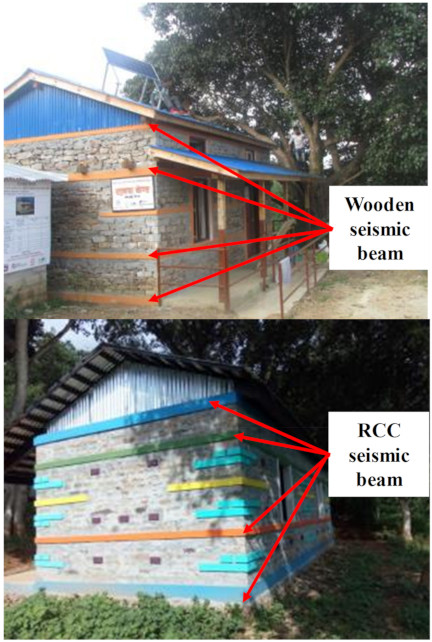
Fig. 1. Model demonstration buildings showing earthquake-resilient elements (seismic beam).
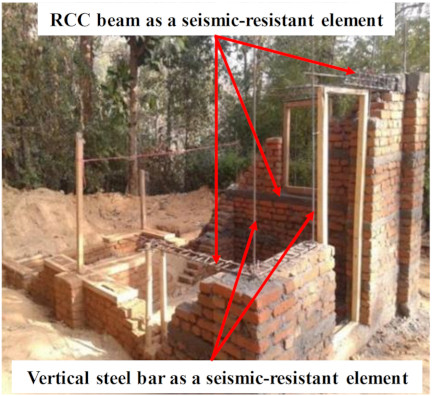
Fig. 2. Mason training practical demonstration (hands-on training) to the mason during mason training.
These comprehensive capacity-building efforts for engineers, masons, and homeowners, spearheaded by the NRA in collaboration with numerous partners, were pivotal in fostering earthquake-resilient reconstruction and strengthening community resilience in post-2015 Nepal.
3.1.3. Capacity Building Program for Homeowners
Many programs have been conducted for homeowners to disseminate critical information on construction agreements, grant payment procedures, guidelines for selecting designs, approved earthquake-resilient construction methods, mason selection, technical inspection protocols, and grant tranche recommendations. These programs clarified the roles and responsibilities of all stakeholders, from community members to central administrative bodies. Supported by partners, extensive awareness campaigns have also informed communities about reconstruction policies and timelines.
As homeowners bear the ultimate responsibility for their homes, their adherence to government guidelines is crucial. Awareness programs facilitated by trained social mobilizers and skilled masons contribute significantly to timely and high-quality reconstruction. Public awareness was further enhanced through community-based resource centers, demonstration houses, door-to-door technical assistance, and diverse communication tools, including mass media, public rallies, and social/print media. A notable observation was the encouraging participation of women, particularly in hilly areas, where they often led households. In the capacity-building program, they accounted for approximately 30% of the participants, which aligns with data showing that 32% of households in Nepal are female-headed 19. Women demonstrated strong commitment, responsibility, and sensitivity to construction quality and safety, which significantly contributed to the success of resilient housing initiatives.
3.2. Community Mobilization Program
The community mobilization program (CMP) is an integrated initiative designed to support homeowners in the reconstruction of earthquake-resilient homes. Adhering to the “Build Back Better” principle and an owner-driven approach, CMP blends scientific knowledge with local indigenous practices to guide construction in remote areas 10. It facilitates collaboration among all stakeholders to achieve a common understanding and work efficiently.
Initially, homeowners faced numerous challenges, including a lack of funds, construction materials, skilled manpower (masons), and adequate quality supervision. Early reconstruction efforts, often utilizing local masons, failed to meet government standards. This highlighted the urgent need for capacity building for homeowners and masons, along with technical guidance, to improve disaster resilience and enhance preparedness for future disasters through collective community action.
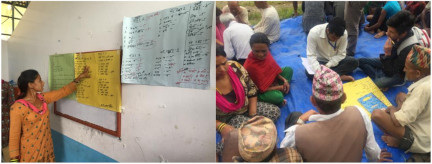
Fig. 3. CBRC meeting and orientation for the committee members.
CMP addresses these issues through several major elements.
-
Orientation program for the Community-Based Reconstruction Committee (CBRC): The NRA Community-Based Reconstruction Committee Directives (2016) mandate the formation of a seven-member CBRC from reconstruction beneficiaries in each community. Engineers and social mobilizers conduct orientation programs for CBRC members and discuss government policies, norms, standards, and technical requirements for resilient houses, inspection modalities, community issues, and reconstruction plans (Fig. 3). The CBRC’s primary role is to lead community reconstruction efforts, particularly in organizing labor sharing 20.
-
Community meeting: Organized by the CBRC, these meetings bring together all community members. Discussions cover government policies on grant distribution, technical requirements for reconstruction, government technical inspections, community problems, and action plans (Fig. 3). Supported by CBRC members, engineers, and social mobilizers, the meetings establish budgets, identify masons, assess material availability, and develop detailed work schedules. Based on this plan, community members commence reconstruction, often employing a labor-exchange modality. CBRC meetings, typically held twice a month, review progress, update labor schedules, and prioritize the most vulnerable households. To ensure material access and reduce costs, the CBRC facilitates the group purchasing of bulk materials for several households, fostering mutual support and problem solving within the community, thereby accelerating reconstruction and building community resilience.
-
Technical assistance by mobile masons: Mobile masons are trained local masons who provide crucial technical support to the community masons. They guide and demonstrate quality checks for materials and construction and offer hands-on assistance throughout the process. Prioritizing local masons ensures effective communication and the adoption of local cultures. Before the CMP, technical support was limited, and practical demonstrations were rare. With CMP, mobile masons regularly visit sites, provide practical guidance, ensure compliance with government standards, and motivate locals on the “Build Back Better” concept, helping to accelerate recovery.
Through these integrated efforts, the CMP aims to empower communities to rebuild stronger and safer homes, strengthen collective action, and enhance overall disaster preparedness and resilience.
3.3. Collaboration and Coordination with Partners (I/NGOs)
NGOs played a pivotal role in emergency response, recovery, and reconstruction efforts following the 2015 earthquake in Nepal. Their involvement and strong coordination among various stakeholders were crucial for the timely execution of reconstruction activities.
To streamline NGO mobilization, the NRA promulgated the “Mobilization of Non-Governmental Sectors Related Procedures” in 2015. This guideline permitted NGOs to engage in diverse sectors, including private housing and settlement development, heritage conservation, community mobilization and economic rehabilitation, reconstruction of public buildings, and cross-cutting areas, such as disaster risk mitigation, technical assistance, distribution of construction materials, supply management, and geological studies 21.
NGOs served as a vital extension of the government, effectively mobilizing communities, even in remote affected districts. Their primary contributions included raising community awareness, providing training to masons on earthquake-resilient construction techniques, and direct involvement in the reconstruction of houses and schools.
The engagement of NGOs offered several significant advantages:
-
Harmonization and quality: Ensuring consistent standards and quality of reconstruction.
-
Involvement of social mobilizers: Facilitating direct engagement with communities.
-
Better transparency: Achieved through public audit mechanisms.
-
Awareness programs: Educating communities on safe construction practices.
-
Better monitoring and goal achievement: Improving oversight and project success.
Collaboration and coordination between NGOs and their partners are crucial for effective local-level implementation. This included joint efforts in the preparation of designs/drawings and technical assistance, coordinated supervision of construction activities, community awareness and mobilization through social mobilizers, training masons, and collaboration in housing construction, including recommendations for grant distribution.
4. Challenges Faced in Recovery
Reconstruction efforts following the 2015 earthquake have been significantly hindered by systemic political instability and fragile governance structures. Qualitative analysis revealed that the NRA encountered numerous challenges, including frequent leadership turnover, coordination gaps among stakeholders, and a deficiency in formal local participation, despite some engagement at the community level. These issues were exacerbated by the nation’s protracted political transition, which engendered bureaucratic inefficiency and the failure to implement cohesive strategic policies. A principal critique of the recovery framework is its disproportionate reliance on technical and engineering solutions, which frequently overlook the imperative of socioeconomic restoration. By focusing predominantly on housing subsidies and physical infrastructure, the NRA neglected broader livelihood recovery and the specific requirements of marginalized populations, including the landless, women, and low-income groups. Furthermore, the absence of site-specific building designs and failure to integrate indigenous technologies and practices into construction created additional barriers to sustainable recovery. To accelerate and enhance the quality of reconstruction, a transition toward decentralized governance is imperative. Empowering local authorities and fostering community engagement are critical to ensuring that reconstruction efforts are both culturally resonant and economically viable. Strategic coordination among the NRA, government agencies, and international donors is necessary to streamline policy execution and formalize information-sharing channels. A significant challenge persists in the shortage of skilled and unskilled labor. Consequently, the government must prioritize labor market linkages by investing in vocational training for construction-related trades, such as masonry and plumbing. This strategy addresses human resource deficits while facilitating long-term economic revitalization. Ultimately, successful reconstruction requires a comprehensive framework that integrates effective institutional management, transparent governance, and inclusive participation. Had both the technical and social dimensions of recovery been appropriately addressed, Nepal could have achieved more effective disaster response and transitioned into a resilient, developed nation.
5. Conclusions
The April 25, 2015, Gorkha earthquake in Nepal caused an unprecedented loss of life and property, necessitating urgent intervention to build a disaster-resilient society. Due to the scale of the disaster, the international community, including multilateral development banks, offered immediate assistance through grants, aid, and soft loans, and the government developed strategies, plans, and programs to manage the recovery and reconstruction process. The complexity of the problem required the formation of a dedicated institution to manage reconstruction holistically through a single-door policy. Early activities included formulating legal frameworks and technical guidelines, assessing infrastructure, and classifying damage using the EMS-98 scale. This process involved mobilizing a large technical workforce, engaging communities, and developing human resources to ensure that building safety became a national priority.
In developing countries such as Nepal, managing resources for large-scale disaster recovery is challenging. In the initial years, progress was hindered by political instability and a disproportionate focus on technical solutions over socioeconomic recovery, which led to the neglect of marginalized groups and local participation. This situation highlighted the need for a collaborative approach between the government and society, making the TDA indispensable. The TDA integrates social dimensions, such as community and civil society participation, with technical support from experts, masons, and mobilizers to foster resilience. Various TDA initiatives included improving indigenous construction practices with local materials such as stone and wood, while integrating modern technologies already adopted by communities. Community-level activities featured capacity building for technicians (engineers and masons), the construction of model houses, and awareness campaigns aimed at a “cascade effect” of knowledge dissemination. Furthermore, TDA interventions included implementing the NNBC, developing modular building designs and technical manuals, establishing a Management Information System for information sharing and monitoring, and adopting an “owner-driven” reconstruction model. The social dimension encompassed community mobilization programs through mobile masons and collaboration with stakeholders involved in reconstruction. Ultimately, TDA has been recognized as an important tool for disaster recovery management.
Despite the significant loss of life and property caused by this earthquake, many lessons were learned from the TDA interventions implemented during the recovery and reconstruction process. Nepal’s experience and interventions in post-earthquake rebuilding are exemplary models for the region and the world to follow.
Acknowledgments
The author wishes to express his appreciation to the Japan Society of Civil Engineers (JSCE) for the financial support to participate in the 10th Civil Engineering Conference in the Asian Region (CECAR10) held from October 22 to 24, 2025 in Jeju, South Korea, and also express his appreciation to JSCE and the Asian Civil Engineering Coordinating Council (ACECC) for supporting the TC21 special session at CECAR10. Attendants of the special sessions provided valuable inputs. Their support is sincerely appreciated.
- [1] Y. R. Paudyal, N. P. Bhandary, and R. Yatabe, “Seismic microzonation of densely populated area of Kathmandu Valley of Nepal using microtremor observations,” J. Earthq. Eng., Vol.16, No.8, pp. 1208-1229, 2012. https://doi.org/10.1080/13632469.2012.693242
- [2] Y. R. Paudyal, R. Yatabe, N. P. Bhandary, and R. K. Dahal, “A study of local amplification effect of soil layers on ground motion in the Kathmandu Valley using microtremor analysis,” Earthq. Eng. Eng. Vib., Vol.11, No.2, pp. 257-268, 2012.
- [3] Y. R. Paudyal, R. Yatabe, N. P. Bhandary, and R. K. Dahal, “Basement topography of the Kathmandu Basin using microtremor observation,” J. Asian Earth Sci., Vol.62, pp. 627-637, 2013. https://doi.org/10.1016/j.jseaes.2012.11.011
- [4] National Planning Commission, Government of Nepal, “Nepal Earthquake 2015: Post Disaster Needs Assessment. Vol.A: Key Findings,” 2015. https://www.worldbank.org/content/dam/Worldbank/document/SAR/nepal/PDNA%20Volume%20A%20Final.pdf [Accessed November 5, 2025]
- [5] N. P. Bhandary, Y. R. Paudyal, and M. Okamura, “Resonance effect on shaking of tall buildings in Kathmandu Valley during the 2015 Gorkha earthquake in Nepal,” Environ. Earth Sci., Vol.80, No.13, Article No.459, 2021. https://doi.org/10.1007/s12665-021-09754-9
- [6] Y. R. Paudyal and N. P. Bhandary, “An analytical study on the damage to school buildings by the 2015 Nepal Earthquake and damage level-based reconstruction experience,” Buildings, Vol.14, No.2, Article No.451, 2024. https://doi.org/10.3390/buildings14020451
- [7] His Majesty’s Government of Nepal, Ministry of Housing and Physical Planning, “Seismic hazard mapping and risk assessment for Nepal,” UNDP/UNCHS Habitat, Subproject NEP/88/054/21.03, “Development of Alternative Building Materials and Technologies 3. Seismic Vulnerability Analysis (Appendix C),” 1994.
- [8] K. Takeuchi, “Transdisciplinary approach for scientific-knowledge based decision making for building societal resilience to disasters,” Proc. of the 8th Civil Engineering Conf. in the Asian Region (CECAR8), 2019.
- [9] M. Ishiwatari, K. Tsukahara, and K. Takeuchi, “Special issue on trans-disciplinary approach (TDA) and decision making on building disaster resilience,” J. Disaster Res., Vol.18, No.5, p. 455, 2023. https://doi.org/10.20965/jdr.2023.p0455
- [10] S. Kuraoka, Y. R. Paudyal, and K. A. Razak, “Transdisciplinary approach for building societal resilience to disasters – Interpreting the processes of creating new knowledge in the context of knowledge management –,” J. Disaster Res., Vol.15, No.7, pp. 868-877, 2020. https://doi.org/10.20965/jdr.2020.p0868
- [11] M. Inoue et al., “Building disaster resilience amid the COVID-19 pandemic: A transdisciplinary approach for decision making,” J. Disaster Res., Vol.17, No.1, pp. 144-151, 2022. https://doi.org/10.20965/jdr.2022.p0144
- [12] K. Takeuchi et al., “Challenges of transdisciplinary approach in disaster recovery management,” Nat. Hazards, Vol.120, No.13, pp. 12471-12489, 2024. https://doi.org/10.1007/s11069-024-06693-z
- [13] M. Ishiwatari et al., “Transdisciplinary approach: Toward innovative recovery and disaster risk reduction,” J. Disaster Res., Vol.19, No.3, pp. 534-538, 2024. https://doi.org/10.20965/jdr.2024.p0534
- [14] United Nations International Strategy for Disaster Reduction (UNISDR), “Sendai Framework for Disaster Risk Reduction 2015–2030,” 2015. https://www.preventionweb.net/files/43291_sendaiframeworkfordrren.pdf [Accessed November 5, 2025]
- [15] Government of Nepal, “The Building Act,” 1998.
- [16] National Reconstruction Authority, Government of Nepal, “Nepal earthquake 2015: Post disaster recovery framework 2016–2020,” 2016. https://www.undp.org/nepal/publications/post-disaster-recovery-framework-pdrf [Accessed November 5, 2025]
- [17] Department of Urban Development and Building Construction, Ministry of Urban Development, Government of Nepal, “Design catalogue for reconstruction of earthquake resistant houses, Vol.1,” 2015.
- [18] Department of Urban Development and Building Construction, Ministry of Urban Development, Government of Nepal, “Design catalogue for reconstruction of earthquake resistant houses, Vol.2,” 2017.
- [19] National Statistics Office, Office of the Prime Minister and Council of Ministers, Government of Nepal, “National Population and Housing Census 2021: Housing and Household Dynamics in Nepal,” 2024. https://censusnepal.cbs.gov.np/results/files/result-folder/Housing%20Household%20Report.pdf [Accessed November 5, 2025]
- [20] National Reconstruction Authority, Government of Nepal, “Community based reconstruction committee directives,” 2016.
- [21] National Reconstruction Authority, Government of Nepal, “Mobilization of non-governmental sectors related procedures,” 2015.
This article is published under a Creative Commons Attribution-NoDerivatives 4.0 Internationa License.