
Research Paper:
Operating Parameters Optimization Based on BPNN and NSGA-III in Rotating Mode for Pneumatic Directional Drilling
Hao Li*1,*2, Lijuan Fan*3,*4,*5
 , Ningping Yao*1,*2,†, Hongchao Wei*2, and Chengda Lu*4,*5,*6
*1China Coal Research Institute
No.5 East Qingnian Gou Road, Hepingli, Chaoyang District, Beijing 10013, China
*2China Coal Technology Engineering Group (CCTEG) Xi’an Research Institute (Group) Co., Ltd.
No.82 Jinye 1st Road, Gaoxin District, Xi’an, Shaanxi 710077, China
*3School of Future Technology, China University of Geosciences
No.388 Lumo Road, Hongshan District, Wuhan, Hubei 430074, China
*4Hubei Key Laboratory of Advanced Control and Intelligent Automation for Complex Systems
No.388 Lumo Road, Hongshan District, Wuhan, Hubei 430074, China
*5Engineering Research Center of Intelligent Technology for Geo-Exploration, Ministry of Education
No.388 Lumo Road, Hongshan District, Wuhan, Hubei 430074, China
*6School of Artificial Intelligence and Automation, China University of Geosciences
No.388 Lumo Road, Hongshan District, Wuhan, Hubei 430074, China
†Corresponding author

Drilling operations face the problems of low drilling efficiency and more difficult slag discharge in coal seams. A multi-objective optimization method is proposed to solve these problems. Rate of penetration (ROP), air pressure, and pull-out pressure are determined as the optimization objectives by characterization of the rotating mode. The maximum information coefficient (MIC) method is used to select the decision variables related to the optimization objectives, which are feed pressure, air volume, borehole depth, coal seam hardness, and rotary pressure. Then, a multi-objective optimization model is established using back propagation neural network (BPNN). The Non-Dominated Sorting Genetic Algorithm-III (NSGA-III) is used to solve the optimal operating parameters when the ROP is maximum and the air pressure and the pull-out pressure are minimum. Comparative experiments show that the method proposed in this study is effective. The results of this study can provide a new solution to improving drilling efficiency and resolving slag discharge difficulties in coal mines.
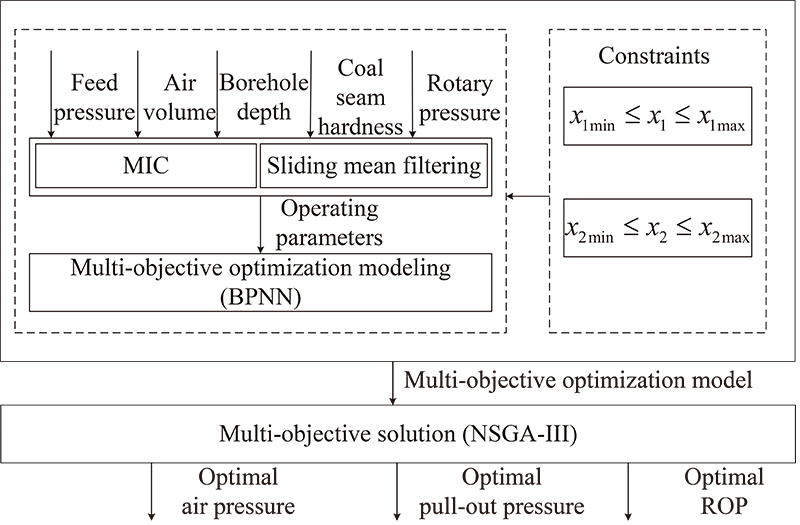
Overall scheme of operating parameters optimization
1. Introduction
Optimization of operating parameters in rotating mode can minimize unnecessary interruptions and adjustments during directional drilling 1,2,3. As a key operational mode in directional drilling, the rotating mode is designed to maintain a straight drilling trajectory, ensuring stable control direction of the drill bit 4,5. Proper adjustment of drilling parameters, such as feed pressure in the rotating mode, is crucial to ensuring the stability and accuracy of the drilling process.
Pneumatic directional drilling plays an important role in underground coal mines, which uses compressed air as the drilling medium instead of conventional drilling fluids. Compared with hydraulic drilling, pneumatic drilling offers advantages such as lower risk of borehole collapse, reduced formation damage, and suitability for low-pressure environments. Pneumatic directional drilling mainly consists of two working modes. In the sliding mode, the drill string remains stationary when turning, while in the rotating mode, the entire drill string continuously rotates to achieve forward drilling. This distinction makes the rotating mode more effective in maintaining the stability of the borehole wall and the drilling speed, but it also brings unique challenges, especially in soft coal seams or fractured coal seams. In this type of stratum, the rotating mode is prone to problems such as borehole wall collapse and poor slag discharge. To address these challenges, it is necessary to precisely optimize drilling parameters to balance efficiency and borehole stability.
Currently, substantial efforts are dedicated to constructing objective optimization models for conventional rotary drilling. Studies primarily focus on parameters such as weight on bit and rate of penetration (ROP) 6,7,8. To assess the economic benefits of the drilling process 9, research has explored the unit footage index 10. Through mathematical modeling, the factors influencing ROP are summarized, and multiple regression equations are established to describe ROP 11. With ongoing research, a universal and practical ROP prediction model is developed 12. Among existing ROP models, the modified Young model is widely adopted in various fields 13,14,15,16. This model is further optimized on the basis of Young’s original framework, incorporating the comprehensive effects of multiple drilling parameters to more accurately reflect real drilling conditions 17. Despite the theoretical foundation provided by traditional mathematical models, the complex dynamics of the drilling parameters and the exponential growth of data have increasingly shifted attention toward data-driven approaches for solving optimization objective modeling challenges.
When the relationship between the optimization objective and the operating parameters is difficult to determine, the optimization objective models are established using data-driven approaches. A method for ROP prediction based on improved back propagation neural network (BPNN) is presented 18. Some studies employ three supervised machine learning algorithms, namely multi-layer perceptron, support vector regression, and regression decision tree, to train models for weight on bit, ROP, and torque 19,20,21. However, most of the optimization models established by existing studies are generally applicable in homogeneous seams. Unfortunately, coal seams are not uniform in actual drilling, which motivates us to consider how to build optimization models in inhomogeneous seams.
Although data-driven methods generally require large volumes of data for model training 22, most studies preprocess data through correlation analysis, noise filtering, outlier removal, and missing value imputation before modeling 23. However, this paradigm faces unique challenges in coal seams, where borehole collapse significantly complicates the collection of data for the drilling parameters. Moreover, as different datasets inherently demand customized processing strategies, how to effectively preprocess drilling parameters in rotating mode has become a critical and practical problem.
Through the above discussion, a multi-objective optimization method for determining drilling parameters in rotating mode is proposed. Sliding mean filtering and MIC methods are used to preprocess the drilling parameters. BPNN is used to build a multi-objective optimization model. The Non-Dominated Sorting Genetic Algorithm-III (NSGA-III) is utilized to solve the optimal operating parameters. The drilling efficiency and improvement of the slag discharge are increased.
2. Characterization of Rotating Mode for Pneumatic Directional Drilling
The directional drilling system is made up of a drilling rig, mud pump, and measurement while drilling (MWD). In underground coal mine drilling, the complexity and heterogeneity of strata often make it difficult for conventional drilling to maintain a stable path. In some coal seam areas with relatively soft and brittle geological conditions, problems such as blockages and drill bit sticking are prone to occur during drilling, which often appear in broken-soft coal seams. To address these challenges, adopting a pneumatic directional drilling system has become an effective solution. As shown in Fig. 1 24, the pneumatic directional drilling system drives a downhole pneumatic motor through compressed air to provide power to the drilling bit, ensuring high drilling efficiency in relatively soft and fragile strata. The MWD system is applied at regular intervals to acquire the inclination and azimuth angles of the borehole. Based on the measured drilling depth, the actual trajectory is computed and compared with the designed path to assess deviation. Trajectory corrections are performed accordingly to maintain alignment with the target borehole path.
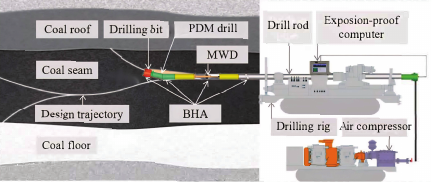
Fig. 1. Pneumatic directional drilling system.
The drilling process in rotating mode under broken-soft coal seams is constrained by conditions such as slagging at the borehole bottom, rock hardness, and coal seam hardness. In rotating mode, the weight on bit is directly affected by feed pressure and rotary pressure, which in turn influences ROP, air pressure, and pull-out pressure. Higher feed pressure enables the drill bit to penetrate coal seams more powerfully and accelerate the drilling process. The air volume directly influences slag discharge within the borehole. As the borehole depth increases, the pressure and temperature of coal seams change, and these changes affect the working conditions of the drill bit. The change during drilling is directly affected by the hardness of the coal seam, requiring drilling parameters to be adjusted to adapt to different working conditions. Therefore, feed pressure, air volume, borehole depth, rotary pressure, and coal seam hardness are set as inputs to the multi-objective optimization model in this study.
In broken-soft coal seams, borehole collapse and accumulation of drill cuttings are prone to occur. Excessive pull-out pressure indicates the presence of issues in the borehole, such as inadequate slag discharge or unstable borehole walls. The parameters need to be adjusted to avoid jamming accidents. Borehole collapse and tool jamming are caused by high ROP. In pneumatic directional drilling, compressed air is typically used to remove slag discharge and cool the drill bit. When the air pressure is insufficient, drill cuttings cannot be discharged effectively, leading to repeated crushing, reduced drilling speed, or even blocked boreholes. Balancing drilling efficiency and slag discharge is required to obtain optimal drilling parameters. Therefore, ROP, air pressure, and pull-out pressure are set as optimization objectives for this multi-objective optimization problem.
On the one hand, drilling efficiency is enhanced by maximizing ROP; on the other hand, equipment wear is reduced and slag discharge is improved by minimizing air pressure and pull-out pressure. The three optimization objectives are interdependent, making single-objective optimization inadequate to solve this problem. To address this challenge, the multi-objective optimization method based on NSGA-III is employed. NSGA-III is well suited for handling such complex optimization problems, which reduces computational resources and time costs. Through simultaneous optimization of ROP, air pressure, and pull-out pressure, NSGA-III ensures the balance of three goals, providing a comprehensive and practical solution for the drilling process.
3. Multi-Objective Optimization in Rotating Mode
In order to establish efficient objective optimization models, the BPNN method is adopted. Based on the technological characteristics of pneumatic directional drilling, the relevant constraints are determined. Combining optimization objectives and constraint conditions, a multi-objective optimization model is established. NSGA-III is used to solve the multi-objective optimization model to obtain the optimal operating parameters.
The proposed method is illustrated in Fig. 2. First, key drilling parameters such as feed pressure, air volume, borehole depth, rotary pressure, and coal seam hardness are collected. Then, the data are preprocessed using sliding mean filtering and MIC analysis. Unimportant variables, such as slag return, are removed. A multi-objective optimization model is built using BPNN. The objectives are to maximize ROP and minimize air pressure and pull-out pressure. NSGA-III is used to solve the optimization model. The algorithm performs non-dominated sorting, crowding distance comparison, and genetic operations including selection, crossover, and mutation. Finally, the optimal set of parameters is obtained. These parameters are applied in engineering practice to improve drilling efficiency and reduce air pressure and pull-out pressure.
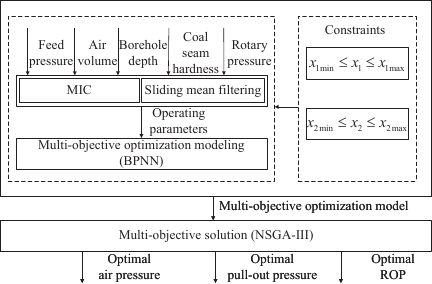
Fig. 2. Overall scheme diagram.
3.1. Data Preprocessing
Due to the complex lithology of the broken-soft coal seams, the data exhibit non-linear and non-monotonic relationships rather than simple linear patterns. To address this complexity, sliding mean filtering is first applied to smooth the raw data and reduce noise interference, followed by MIC analysis to identify key influencing factors.
Sliding mean filtering is a simple and effective signal smoothing technique, commonly used in signal processing and data preprocessing. Its basic idea is to replace each point in the sequence with the average of its surrounding values within a sliding window. This method helps suppress high-frequency noise while preserving the low-frequency trend of the signal.
Let \(x[n]\) be a discrete input sequence with length \(L\). The filtered output \(\hat{x}[n]\) using a window length of \(N\) is defined by
This preprocessing technique effectively reduces noise in the drilling data, ensures smoother input for the neural network model, and enhances the stability and generalization of the predictive performance.
The drilling parameters of four boreholes are used for MIC analysis. The decision variables include feed pressure (\(x_1\)), air volume (\(x_2\)), borehole depth (\(x_3\)), rotary pressure (\(x_4\)), coal seam hardness (\(x_5\)), and slag return (\(x_6\)); the optimization objectives comprise slag return, ROP, air pressure (\(P_f\)), and pull-out pressure (\(P_q\)).
3.2. Multi-Objective Optimization Model Based on BPNN
The multi-objective optimization model is composed of the optimization objectives and constraint conditions.
In the rotating mode process, constraints are key to ensure that operating parameters during the optimization process operate within safe and efficient limits. Each tool and downhole equipment has a maximum allowable pull-out pressure to avoid equipment damage and excessive wear. The upper limit of the air volume is limited by the design capacity of the pneumatic directional system, including the output capacity of the compressor and the pressure resistance of the pipeline.
There is no widely recognized or standardized relationship between the three optimization objectives and constraint conditions that are determined. Therefore, a simplified mathematical model is constructed according to the existing theoretical and practical experience. The relationship between decision variables and optimization objectives is described by BPNN.
For each of the three optimization objectives, the BPNN model is built. The input to each model is composed of the five decision variables \(x_1\) to \(x_5\), and the output corresponds to one of the objectives, \(f_{1} = \textrm{ROP}\), \(f_{2} = P_{f}\), \(f_{3} = P_{q}\). The structure of the BPNN includes an input layer, one or more hidden layers, and an output layer. The forward propagation and training process is shown in Fig. 3.
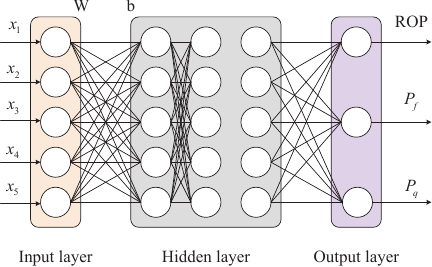
Fig. 3. Structure of the BPNN model.
During training, the model performance is evaluated by the root mean square error (RMSE). Before the training, the input data are smoothed by a sliding mean filter to reduce noise and enhance model stability. The trained BPNN model is used as the objective function.
Based on the optimization objectives and constraints, a multi-objective optimization model is established to address maximizing ROP and minimizing air pressure and pull-out pressure. In order to maximize ROP, minimize air pressure, and minimize pull-out pressure, it is necessary to define three optimization objectives as \(f_1\), \(f_2\), and \(f_3\). Five decision variables are utilized to establish these three optimization objective models. The optimization objective \(f_1\) is \(\operatorname{ROP}(x_{1},x_{2},x_{3},x_{4},x_{5})\); the optimization objective \(f_2\) is \(P_{f}(x_{1},x_{2},x_{3},x_{4},x_{5})\); and the optimization objective \(f_3\) is \(P_{q}(x_{1},x_{2},x_{3},x_{4},x_{5})\).
In multi-objective optimization problems, instead of directly solving the three independent optimization objectives, a comprehensive solution that balances the three objectives is sought. This is achieved by defining integrated optimization objectives, as shown in Eq. \(\eqref{eq:eq2}\).
Finally, the multi-objective optimization model that combines optimization objectives and constraint conditions in rotating mode is established as shown in Eq. \(\eqref{eq:eq3}\).
3.3. Solution of Operating Parameters Based on NSGA-III
NSGA-III is utilized to solve the operating parameters of multi-objective optimization model. The principle of NSGA-III is shown in Table 1.
NSGA-III classifies individuals according to the domination relationship of ROP, air pressure, and pull-out pressure through non-domination ranking, and maintains the diversity of decision variables through crowding ranking. Through genetic operations such as selection, crossover, and variation, the individuals in the decision variables are gradually optimized. Finally, the optimal solution of a set of operational parameters is obtained.
Table 1. General framework of NSGA-III.
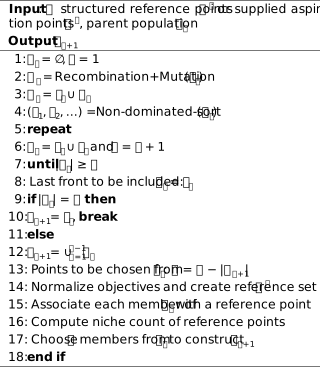
Table 2. Data collection at a certain mine in Well No.2 of Sangshuping.
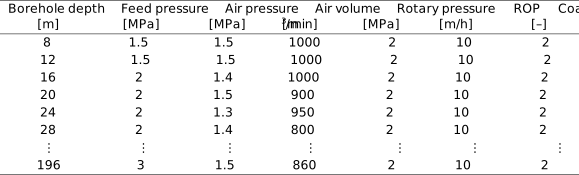
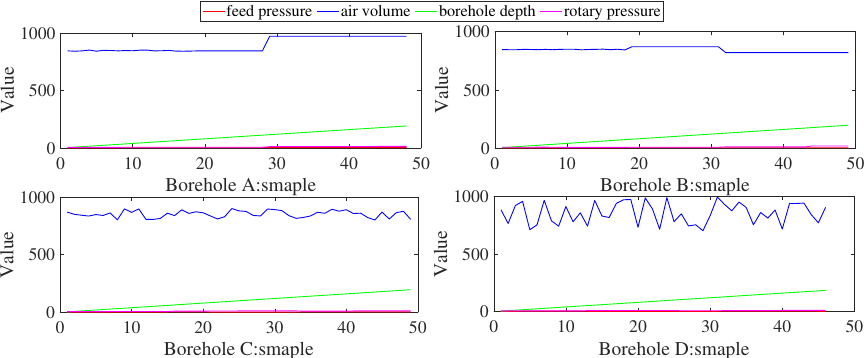
Fig. 4. The data distribution of the four boreholes.
4. Case Study
All data used in this study are obtained from the Sangshuping coal mine in Hancheng City, Shaanxi Province, and the Wangpo coal mine in Jincheng City, Shanxi Province. The coal seams in Sangshuping are broken and soft, as shown in Table 2. NSGA-III is utilized to solve the operating parameters. The initial population number of 100 is set to provide sufficient solution diversity for parameter space exploration without excessive computational load. The genetic algebra of 100 is adopted to allow the algorithm to gradually converge toward the Pareto front and avoid premature termination. The crossover probability of 0.8 is used to ensure rapid genetic material exchange between individuals and accelerate the search for optimal combinations. The mutation probability of 0.01 is maintained to stabilize the population and prevent excessive disruption of beneficial traits.
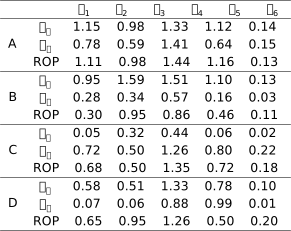
Table 3. MIC analysis table of four boreholes.
4.1. Data Analysis Results
The data from the four boreholes A, B, C, and D are analyzed. The data volume and distribution of each borehole are shown in Fig. 4. The data volume of each borehole is around 50. The borehole depth is approximately 200 m. The values of feed pressure and rotary pressure, ranging from 0 to 15 MPa, exhibit minimal fluctuation. The air volume remains between 600 and 1000 m\(^{3}\)/h.
The results of the MIC analysis are shown in Table 3. There is a correlation between the decision variables and the optimization objectives. The correlation coefficient is greater than 0.5. The correlation between slag return and the optimization objectives is weak, with an average correlation coefficient of only 0.4. Therefore, the slag return is eliminated based on the principle of feature extraction. Only the decision variables, which are feed pressure, air volume, borehole depth, rotary pressure, and coal seam hardness, are kept.
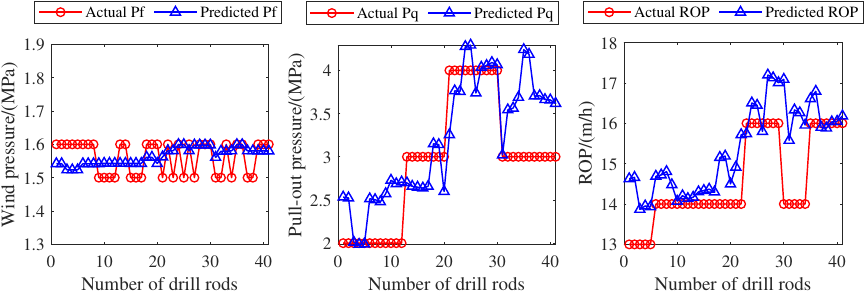
Fig. 5. BPNN prediction results.
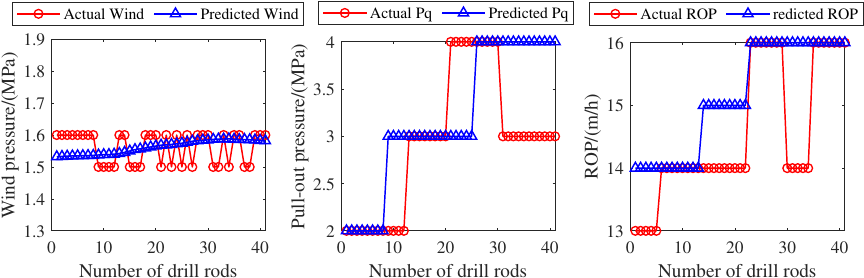
Fig. 6. Prediction results after sliding mean filtering.
4.2. Simulation and Comparison of Optimization Objective Models
Through cross-validation, it is concluded that the hidden layer of the BPNN is determined as \([30{\ }35{\ }30]\). The predicted values of ROP, air pressure, and pull-out pressure based on BPNN are compared with the actual values measured on-site, as shown in Fig. 5. The trend of the predicted values obtained by using BPNN is consistent with the true values.
By observing the true value situation in Fig. 6, it can be seen that the fluctuation of the data is very small. So sliding mean filtering is utilized to remove noise and mitigate the fluctuations of the data. The filtered data are used to fit and optimize the objective function. As shown in Fig. 6, the comparison between the true value and the predicted value is made.
The root mean square error (RMSE) of model fitting performance based on BPNN is shown in Table 4. Although the RMSE for the air pressure model after sliding mean filtering is slightly higher compared to using BPNN directly, the fitting accuracy for the other two models has improved. And the prediction results after mean filtering are more in line with the actual drilling situation.
Table 4. RMSE based on BPNN.
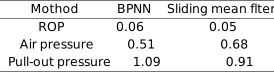
Table 5. RMSE compared with other methods.
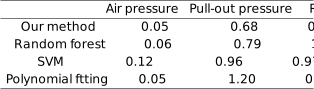
Table 6. Performance comparison of ROP prediction models.
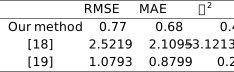
Table 7. Cross-validation in different noise scenarios.
In order to verify the validity of the established multi-objective optimization model, the ROP model, air pressure, and pull-out pressure model are established respectively by using polynomial fitting, random forest, and support vector machine. As shown in Table 5, by comparing the fitting results of the models, it is verified that the method of fitting and optimizing the target model using mean filtering and BPNN is effective.
The existing research mainly improves drilling efficiency through ROP modeling. Reference 18 adopts the improved BP neural network and particle swarm optimization algorithm, while reference 19 uses SVM and particle swarm optimization algorithm. As shown in Table 6, the proposed method provides the best fit, as evidenced by the lowest RMSE and mean absolute error (MAE) values and the highest determination coefficient (\(R^{2}\)) value compared to other methods.
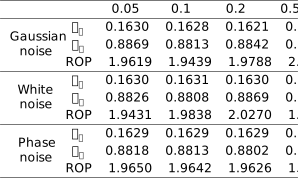
To evaluate the robustness of the optimization model in real scenarios, this study simulates measurement errors and environmental disturbances by injecting controllable noise into the testing data. The experimental results are shown in Table 7. After adding three types of noise with intensities of 0.05, 0.1, 0.2, and 0.5, respectively, to the test set, the RMSE performance of the model indicates that it still has strong adaptability in complex noise environments. Among them, the maximum RMSE appears in the ROP prediction result when the noise intensity is 0.5. However, due to the relatively large value of the drilling rate data itself, fluctuations within the range of approximately 2 m/h are still normal. In contrast, the RMSE of \(P_f\) and \(P_q\) remained basically at around 1 MPa, with little overall change.
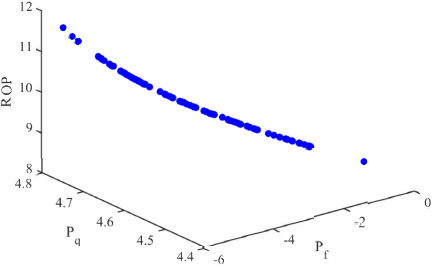
Fig. 7. Pareto based on the NSGA-III.
Table 8. Multi-objective optimization results.
4.3. Results of Operating Parameters Optimization
The results of the optimization objectives are shown in Fig. 7. According to the linear weighted calculation, the weights are set as \(\textrm{ROP}=0.4\), \(P_{f}=0.3\), and \(P_{q}=0.3\). These values are selected based on engineering practice and expert consultation. A sensitivity analysis is further performed by varying the weights within \(\pm 10\)%, and the results confirmed that the optimal solution remained consistent, indicating that the decision-making process is robust to moderate changes in the weight settings. The optimal feed pressure, rotary pressure, and air volume are 4.36 MPa, 7.7 MPa, and 842 m\(^{3}\)/h, respectively. The corresponding ROP is 26.42 m/h, the air pressure is 1.32 MPa, and the pull-out pressure is 3.63 MPa.
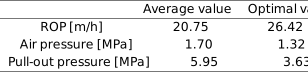
The optimization results of three optimization objectives are shown in Table 8. The average ROP is increased from 20.75 m/h to 26.42 m/h, which increased by 5.67 m/h (approximately 27.33%). The average air pressure is decreased from 1.70 MPa to 1.32 MPa, which is decreased by 0.38 MPa (about 22.35%). The average pull-out pressure is reduced from 5.95 MPa to 3.63 MPa, which is decreased by 2.32 MPa (about 38.9%).
5. Conclusion
In order to address the issues of low drilling efficiency and difficult slag discharge, an optimization method has been proposed for the drilling parameters of the rotating mode in pneumatic directional drilling. Through characteristic analysis and data processing, feed pressure, rotary pressure, and air volume have been chosen as operating parameters, while ROP, air pressure, and pull-out pressure have been chosen as optimization objectives. The BPNN is employed to establish a multi-objective optimization model, and the effectiveness of this model has been verified by the case study. Although the BPNN method performs well in handling non-linear problems within a certain range, it still has certain errors when faced with more complex dimensional problems. In the future, more precise mathematical models will be considered to better solve multi-objective optimization problems in pneumatic directional drilling.
Acknowledgments
This work is supported by the National Natural Science Foundation of China under Grant No.62373332, the National Key R&D Plan Task (Grant No.2022YFC3005905), and the Technology Innovation Foundation Project of CCTEG Xi’an Research Institute (Group) Co., Ltd. under Grant No.2023XAYJS15.
- [1] V. Ramba, S. Selvaraju, S. Subbiah, M. Palanisamy, and A. Srivastava, “Optimization of drilling parameters using improved play-back methodology,” J. of Petroleum Science and Engineering, Vol.206, Article No.108991, 2021. https://doi.org/10.1016/j.petrol.2021.108991
- [2] P. Antil, S. Kumar Antil, C. Prakash, G. Królczyk, and C. Pruncu, “Multi-objective optimization of drilling parameters for orthopaedic implants,” Measurement and Control, Vol.53, Nos.9-10, pp. 1902-1910, 2020. https://doi.org/10.1177/0020294020947126
- [3] X. Liao, M. Khandelwal, H. Yang, M. Koopialipoor, and B. R. Murlidhar, “Effects of a proper feature selection on prediction and optimization of rop using intelligent techniques,” Engineering with Computers, Vol.36, No.2, pp. 499-510, 2020. https://doi.org/10.1007/s00366-019-00711-6
- [4] L. Wang, “Techniques of double-pipe and double-acting directional drilling with air in broken and soft coal seams in underground coal mines,” Coal Geology & Exploration, Vol.50, No.7, pp. 166-172, 2022 (in Chinese). https://doi.org/10.12363/issn.1001-1986.22.02.0072
- [5] W. Long, S. Sun and J. Chen, “Study on long-distance fixed-point sealed coring technology in broken-soft coal seams,” Coal Geology & Exploration, Vol.50, No.8, pp. 93-98, 2022 (in Chinese). https://doi.org/10.12363/issn.1001-1986.21.12.0882
- [6] Y. Xu, Y. Zhu, and P. Zhang, “Application of CBM horizontal well development technology in the roof strata close to broken-soft coal seams,” Natural Gas Industry B, Vol.6, No.2, pp. 168-174, 2019. https://doi.org/10.1016/j.ngib.2018.09.006
- [7] C. Gan, W.-H. Cao, L.-Z. Wang, K.-Z. Liu, and M. Wu, “An improved dynamic optimization control system for the drilling rate of penetration (ROP) and its industrial application,” IEEE Trans. on Industrial Electronics, Vol.70, No.6, pp. 6201-6208, 2023. https://doi.org/10.1109/TIE.2022.3199916
- [8] M. Oyedere and K. Gray, “ROP and TOB optimization using machine learning classification algorithms,” J. of Natural Gas Science and Engineering, Vol.77, Article No.103230, 2020. https://doi.org/10.1016/j.jngse.2020.103230
- [9] J. Hao, H. Xu, Z. Peng, and Z. Cao, “An online adaptive ROP prediction model using GBDT and Bayesian optimization algorithm in drilling,” Geoenergy Science and Engineering, Vol.246, Article No.213596, 2025. https://doi.org/10.1016/j.geoen.2024.213596
- [10] A. Jamshidi, “Prediction of TBM penetration rate from brittleness indexes using multiple regression analysis,” Modeling Earth Systems and Environment, Vol.4, No.1, pp. 383-394, 2018. https://doi.org/10.1007/s40808-018-0432-2
- [11] H. Basarir, L. Tutluoglu, and C. Karpuz, “Penetration rate prediction for diamond bit drilling by adaptive neuro-fuzzy inference system and multiple regressions,” Engineering Geology, Vol.173, pp. 1-9, 2014. https://doi.org/10.1016/j.enggeo.2014.02.006
- [12] A. T. Bourgoyne and F. S. Young, Jr., “A multiple regression approach to optimal drilling and abnormal pressure detection,” Society of Petroleum Engineers J., Vol.14, No.4, pp. 371-384, 1974. https://doi.org/10.2118/4238-PA
- [13] Y. Zhao, A. Noorbakhsh, M. Koopialipoor, A. Azizi, and M. M. Tahir, “A new methodology for optimization and prediction of rate of penetration during drilling operations,” Engineering with Computers, Vol.36, No.2, pp. 587-595, 2020. https://doi.org/10.1007/s00366-019-00715-2
- [14] A. M. Alali, M. F. Abughaban, B. M. Aman, and S. Ravela, “Hybrid data driven drilling and rate of penetration optimization,” J. of Petroleum Science and Engineering, Vol.200, Article No.108075, 2021. https://doi.org/10.1016/j.petrol.2020.108075
- [15] Y. Zhou et al., “A novel rate of penetration prediction model with identified condition for the complex geological drilling process,” J. of Process Control, Vol.100, pp. 30-40, 2021. https://doi.org/10.1016/j.jprocont.2021.02.001
- [16] A. G. Gad, “Particle swarm optimization algorithm and its applications: A systematic review,” Archives of Computational Methods in Engineering, Vol.29, No.5, pp. 2531-2561, 2022. https://doi.org/10.1007/s11831-021-09694-4
- [17] A. M. Keller, T. Feng, N. Demirer, R. Darbe, and D. Chen, “Rate of penetration estimation downhole with machine learning for drilling position control,” Geoenergy Science and Engineering, Vol.224, Article No.211593, 2023. https://doi.org/10.1016/j.geoen.2023.211593
- [18] F. Qu et al., “Establishment of data-driven multi-objective model to optimize drilling performance,” Geoenergy Science and Engineering, Vol.231, Part A, Article No.212295, 2023. https://doi.org/10.1016/j.geoen.2023.212295
- [19] F. S. Boukredera et al., “Enhancing the drilling efficiency through the application of machine learning and optimization algorithm,” Engineering Applications of Artificial Intelligence, Vol.126, Part C, Article No.107035, 2023. https://doi.org/10.1016/j.engappai.2023.107035
- [20] J. O. Agushaka, A. E. Ezugwu, and L. Abualigah, “Gazelle optimization algorithm: A novel nature-inspired metaheuristic optimizer,” Neural Computing and Applications, Vol.35, No.5, pp. 4099-4131, 2023. https://doi.org/10.1007/s00521-022-07854-6
- [21] M. Bajolvand, A. Ramezanzadeh, M. Mehrad, and A. Roohi, “Optimization of controllable drilling parameters using a novel geomechanics-based workflow,” J. of Petroleum Science and Engineering, Vol.218, Article No.111004, 2022. https://doi.org/10.1016/j.petrol.2022.111004
- [22] A. Yang et al., “Decision fusion scheme based on mode decomposition and evidence theory for fault diagnosis of drilling process,” IEEE Trans. on Industrial Informatics, Vol.20, No.2, pp. 2017-2028, 2024. https://doi.org/10.1109/TII.2023.3285040
- [23] M. Dehghani, Z. Montazeri, E. Trojovská, and P. Trojovský, “Coati optimization algorithm: A new bio-inspired metaheuristic algorithm for solving optimization problems,” Knowledge-Based Systems, Vol.259, Article No.110011, 2023. https://doi.org/10.1016/j.knosys.2022.110011
- [24] W. Li et al., “Design of an intelligent control system for compound directional drilling in underground coal mines,” J. Adv. Comput. Intell. Intell. Inform., Vol.28, No.4, pp. 1052-1062, 2024. https://doi.org/10.20965/jaciii.2024.p1052
This article is published under a Creative Commons Attribution-NoDerivatives 4.0 Internationa License.