
Paper:
Learning Support System for Nursing Massage Movements Based on LED-Embedded Air Pressure Rubber Sensor
Yasutaka Nishioka*
 , Suzuka Yamashita**, and Keiko Seki***
*Department of Mechanical System Engineering, University of Shiga Prefecture
2500 Hassaka, Hikone, Shiga 522-8533, Japan
**Department of Mechanical System Engineering, University of Shiga Prefecture
2500 Hassaka, Hikone, Shiga 522-8533, Japan
***Department of Human Nursing, University of Shiga Prefecture
2500 Hassaka, Hikone, Shiga 522-8533, Japan

In the field of nursing, hand massage has attracted attention because it can be easily performed anywhere and has numerous benefits, such as reducing anxiety and stress, promoting healing, improving health, and providing relaxation. However, mastering hand massage techniques requires instruction from a professional instructor. Challenges include the difficulty of self-study and of visually assessing the amount of force applied. To improve learning efficiency, this study develops a massage movement learning support system that visually displays force information in real time, allowing for objective evaluation. The learning system displays force information on an arm simulator model with a smooth surface, using a sheet-type rubber sensor and full-color LED lights. Basic experiments are conducted to evaluate the effectiveness of the developed learning system. In addition, a method is proposed for evaluating massage skill and learning level based on changes in force distribution detected by the rubber sensor. The effects of learning are verified using the proposed evaluation indices and physiological evaluations.
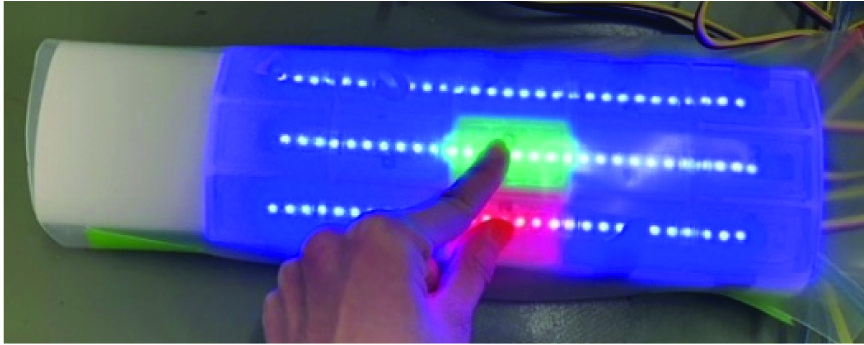
Example of force color indication using rubber sensors and LEDs
1. Introduction
Hand massage has attracted attention in the field of nursing because of its various benefits such as reducing anxiety and stress, promoting healing, improving health, and providing relaxation. Hand massage does not require special equipment and can be performed in any position while wearing clothes, making it easy to administer to a variety of patients. Furthermore, hand massage is considered an important technique in basic nursing education, as it not only provides comfort and relaxation but also serves as a means of communication and helps build relationships with patients 1,2,3,4,5.
However, the content of hand massage education is left to the discretion of each university, and technical education is neglected 6. Technical training requires specialized instructors, which makes self-study difficult. It is also difficult to determine the amount of force applied visually.
Kitagawa et al. used neural networks to imitate the massage using a robotic hand 6. Terashima et al. measured force information using sensors attached to a human hand and applied the data to a robotic arm for massage 7. Khoramshahi et al. analyzed the trajectory of massage movements and reproduced them using a multi-axis robotic arm 8. Harada et al. attached strain sensors to fingers to obtain force information from an expert and applied the data obtained from a camera to a robotic arm 9.
Wang et al. developed an infant model equipped with a built-in strain-type pressure sensor, and quantitatively evaluated infant massage techniques 10. Iwata et al. proposed a system that uses the Internet of Things to assist in the acquisition of foot care massage techniques 11,12. They developed a learning method that used gaze information from a camera and force information from a strain-type flexibility sensor.
To evaluate massage technique, a facial model for measuring the loads on the head caused by finger movements used to massage the masticatory muscles was developed 13. Force sensors were placed on the facial model to measure the load on the head caused by massage movements performed by a dentist in three directions. The measured data were similar to the finger pressures considered appropriate for masticatory muscle tenderness testing, indicating that this facial model can be used as a training system. However, the facial model itself and the sensors are hard and somewhat different from those of a human.
Several flexible sensors have been developed 14,15,16,17. Some measure force by detecting strain using conductive rubber rather than strain gauges, which measure strain in metal 15. Many sensors are bendable and exhibit cushion-like flexibility 16,17. Yoshikai et al. incorporated a force sensor that combined strain gauges and a flexible material, such as rubber, to estimate external forces 16. Nakamura et al. placed a deformable tube inside a cushion and detected impact by measuring pressure changes within the internal air chamber 17.
In this study, we developed a massage learning support system using a model with variable flexibility and a large sensor displacement. As strain-type sensors are designed to measure minute displacements, measuring forces during large deformations makes it difficult to adjust the rigidity of the model on which they are placed. We proposed a simulator model with distributed rubber sensors containing silicone rubber air chambers. The volume of the air chambers changes owing to external forces during massage, causing changes in the internal pressure. The external force is estimated from these changes in internal pressure. We also built a system that visually displays changes in load on an arm-shaped simulator model by placing LEDs inside the rubber sensors.
This system is expected to have a strong learning effect because the object to which the user’s gaze is directed during treatment coincides with the object from which they can obtain the information necessary for learning. In addition, the displacement sensor can change its hardness based on the internal pressure. As there is considerable individual variation in arm hardness, this system has the potential to be developed for a wider range of learning. In this study, the usefulness of the proposed system for massage learning is demonstrated through experiments.
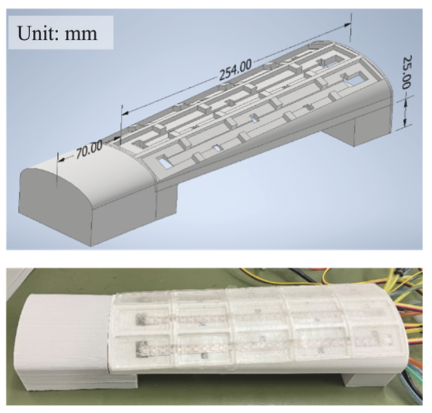
Fig. 1. Appearance of simulator model.
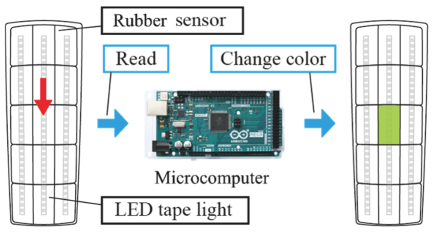
Fig. 2. Overview of the proposed system.
2. Massage Movement Learning Support System with Visual Feedback
2.1. Proposed System
Figure 1 shows the arm model, which includes a rubber sensor with integrated LEDs. The rubber sensors comprised 15 small pressure sensors (2SMPP-03, Omron Corporation) and 15 rubber air chambers. The pressure sensor had a measurement range of 100 kPa, and its output was measured by a microcomputer using 10-bit AD conversion. This sensor can measure the pressure with a resolution of approximately 0.1 kPa.
Figure 2 shows an overview of the proposed system. Three strips of full-color LED lights (A035-B, Adafruit) were arranged vertically on the arm model. The shape of the arm model is based on the thickness and contours of the actual arm. The wrist had a major axis of 40 mm and a minor axis of 15 mm. The elbow had a major axis of 49 mm and a minor axis of 24 mm. By connecting these semi-ellipses, the shape gradually becomes thicker. The surface of the arm model was designed to embed the air chamber of the rubber sensor and the LED light. This results in a smooth surface with minimal irregularities, reducing the discomfort caused by the unevenness of the arm model surface during treatment, which is a problem with previous models.
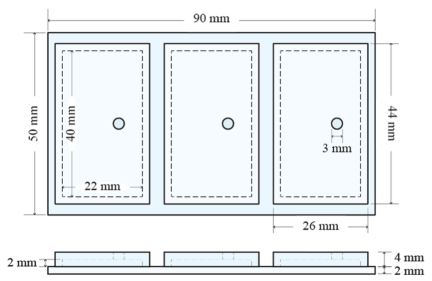
Fig. 3. Design parameters of the fabricated rubber sensor.
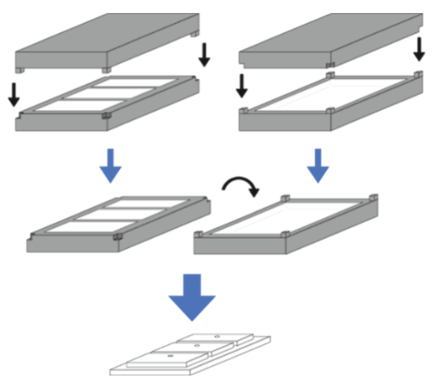
Fig. 4. Fabrication method of the rubber sensor.
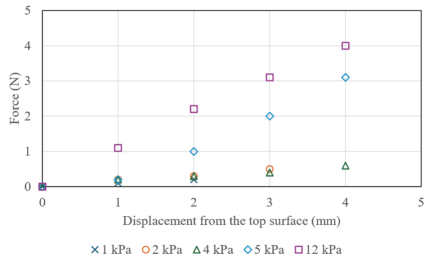
Fig. 5. Experimentally obtained changes in stiffness.
2.2. Rubber Sensor
As shown in Fig. 3, three air chambers are connected to a sheet on top to create the rubber sensor. Five rubber sensors were placed on the arm model and divided into 15 areas, as shown in Fig. 2. Reducing the size of the air chambers reduces the effect of expansion, and embedding the air chambers directly within the arm model mitigates the interference between adjacent air chambers. Rubber sensors were manufactured by molding silicone rubber, as shown in Fig. 4.
We also measured the initial internal pressure of the rubber sensor and the change in stiffness. The measurement results are presented in Fig. 5. The external (compressive) force was measured using a force gauge, and the displacement of the expanded surface due to internal pressure was measured using an analog scale. When the internal pressure was 2 kPa or less, the top surface of the sensor contacted the bottom of the air chamber inside with little force. It was found that the range of measurable forces was wider when the pressure was 4 kPa or higher. This indicates that it is possible to change the local stiffness by changing the initial internal pressure. We also confirmed that it was possible to estimate the force from the pressure changes for each initial internal pressure.
2.3. Method for Visual Display of Force Magnitude
As shown in Fig. 6, the display color changes in five stages depending on the value of the load-point measurement data. If the measurement value is within the reference value range, the display color is green; if the value exceeds the reference value range, it changes to orange or red; and if the value falls below the reference value range, it changes to light blue or blue. In this study, the value read by the microcomputer at the start of the treatment was used as the initial value, and the difference between the initial value and the target reference value was used as the measured value. The reference value was calculated from the average pressure based on the treatment data from an expert previously measured using a distributed pressure sensor (SR SoftVision, Sumitomo Riko Co., Ltd.). Furthermore, because the distributed pressure for the expert showed that the magnitude of the force differed between the fingertip, palm, and carpus regions, three vertical columns of rubber sensors were used. As shown in Fig. 7, the practitioner positioned the fingers of their right hand radially relative to the arm and moved them in a sliding motion while applying pressure in the axial direction of the arm. The relationship between the measured and reference values in the microcomputer was adjusted for each column. Fig. 8 shows an example of visual feedback.
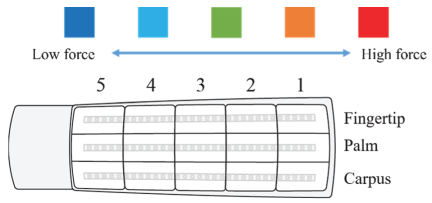
Fig. 6. Diagram of visual feedback.
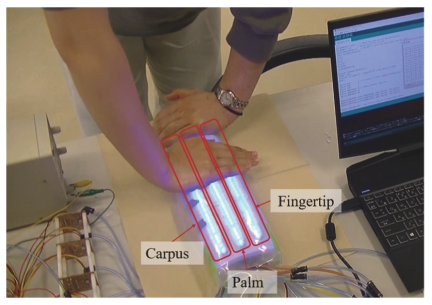
Fig. 7. Positional relationship between hand and sensor array during experiment.
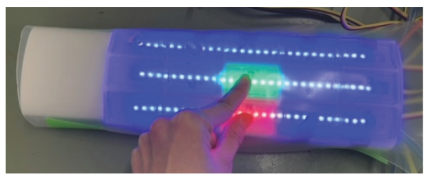
Fig. 8. Example of force color indication using rubber sensors and LEDs.
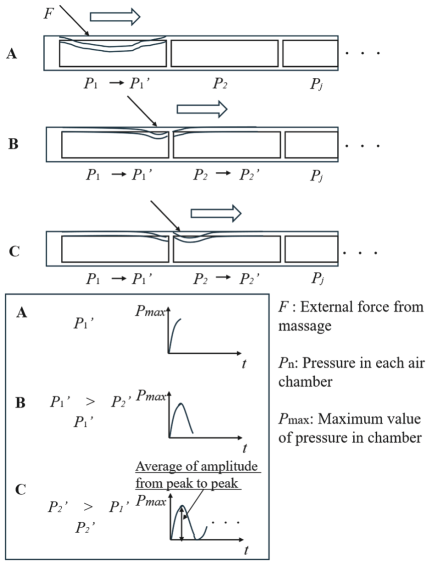
Fig. 9. Proposed evaluation method using distributed rubber sensors.
3. Experimental Verification of Learning Effects
3.1. Experiment and Evaluation Methods
The proposed evaluation method based on rubber sensors is shown in Fig. 9. Hand massage involves a reciprocating motion from the forearm to the wrist, while applying force in the normal direction. When the amount of deformation is large, the pressure change is also significant. Moving the hand reduces the amount of deformation and gradually decreases the pressure change. When the hand moves to the next air chamber, the first air chamber returns to its original shape. If the deformed air chamber is located where the pressure change is largest, the measured pressure change can be considered a scalar representation of the moving external force \(F\), which includes components in the normal and tangential directions.
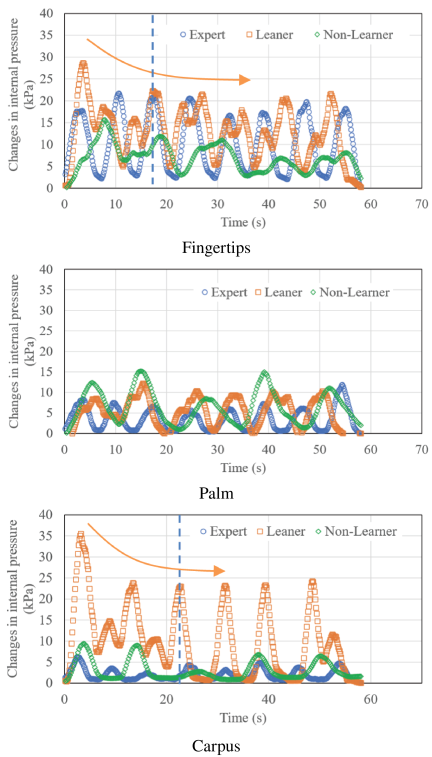
Fig. 10. Example of measurement results of hand massage using rubber sensors: learner, non-learner, expert.
3.2. Experimental Results
An experiment was conducted on nursing students to verify the learning effects of visual feedback. The nursing students had previously learned the basic movements related to hand massage. The number of subjects was 12, with 6 in the learning group and 6 in the non-learning group.
The treatment practice using this system was performed using only the right hand. Measurements were taken over six cycles from the start of practice. Treatment measurements were performed by an experienced practitioner without visual feedback using LED lights to confirm the accuracy of the settings in this experiment. Furthermore, massage oil was applied to the hands to minimize friction during treatment.
Figure 10 shows the measurement results for the expert, non-learner, and learner. The sampling time was approximately 140 ms. Each point represented a moving average over 20 intervals.
For the experts, the force applied to the fingertips was greater than that applied to the palm and carpus, whereas the pressure changes in the palm and carpus regions were smaller than that in the fingertip region. A nearly constant amplitude was maintained. For the learners, a general trend was observed in which force was applied from the wrist and passed through the forearm. This resulted in a larger pressure change in the extremities. Furthermore, there was a tendency for the pressure to be released after each stroke. Based on the visual feedback, the learners tended to learn to maintain a constant amount of force from the third stroke onwards. In particular, there was a large difference between the first and third strokes in the carpus and the fingertip regions, which are thought to be regions where force is more easily applied. This suggested that measuring the carpus and fingertip regions is important for learning.
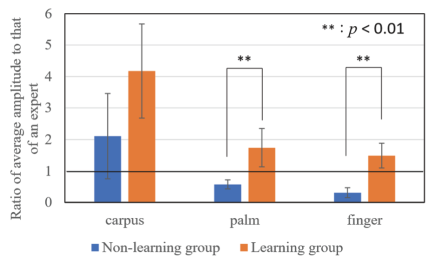
Fig. 11. Ratio of average amplitude to that of a skilled practitioner.
Figure 11 summarizes the results for all subjects regarding the average and standard deviation of the amplitude during a single operation between the learner and non-learner groups. The vertical axis represents the average amplitude of the subjects divided by the average amplitude of skilled individuals. In the carpal region, the values were large and varied greatly between the learner and non-learner groups, indicating little adjustment in force application through learning. This suggests that the carpal region is a difficult area to learn force application techniques. For the palms and fingertips, the force applied was similar to that applied by skilled users, and a statistically significant difference was confirmed. In particular, the force applied to the fingertips was comparable to that applied by skilled users, suggesting that this system may be effective in supporting student learning. The Mann–Whitney U test was used for non-parametric analyses. Significant differences were observed between the non-learning and learning groups for the palm and fingertip results, with \(p\)-values of 0.01 or less.
Figure 12 summarizes the coefficient of variation of the amplitude during massage movements for all the subjects. Similarly, the vertical axis shows the coefficient of variation for each subject divided by that of the expert. The coefficient of variation was smaller for all body parts. As shown in Fig. 9, after approximately three back-and-forth movements, the amplitude variability of learners tended to become as small as that of experts. A small coefficient of variation can be considered to indicate a movement close to massage with a constant force. Similarly, the Mann–Whitney U test was performed, and a significant difference was observed only in the carpal region.
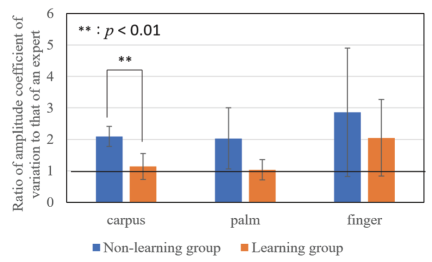
Fig. 12. Ratio of the coefficient of variation of amplitude relative to skilled individuals during hand massage.
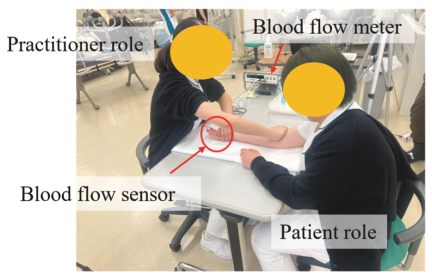
Fig. 13. Setup of the blood flow measurement experiment.
4. Blood Flow Measurement Results
Several reports have been published regarding the effectiveness of hand massages in the treatment of living organisms. The important factors in hand massage include the amount of force applied in the normal direction, massage speed, contact area, and temperature. However, many aspects of the effects of these factors on living organisms remain unclear. The system aimed to teach the appropriate amount of force to apply in the first step. This study experimentally demonstrated whether improved blood flow can be achieved after learning the correct amount of force. The effectiveness of the hand massage after learning using the proposed system was evaluated in terms of tissue blood flow measured using a fiber-optic laser blood flowmeter (OMEGAWAVE Inc., FLO-C1). The measurement site was the index finger on the arm that received hand massage. The measurement setup is shown in Fig. 13. This study was conducted with the approval of the Ethics Committee for Research Involving Humans at the University of Shiga Prefecture, Japan.
Ten nursing students who had previously learned hand massage were enrolled in this study. The learning group consisted of five participants who had performed massages using the proposed system, and the non-learning group consisted of five participants who had not practiced the proposed system (i.e., they used only prior knowledge). Using the tissue blood flow at the start of the massage as the baseline value, the rate of change over approximately 50 s was calculated. The sensor was attached to the tip of the non-performer’s index finger using special double-sided tape. Fig. 14 shows the mean and standard error of the changes among the participants in each group. It can be seen that the blood flow in the learning group tended to increase over time. The learning effect of the proposed system was observed for factors that were difficult to grasp visually, such as the magnitude of the force applied to the arm and the distribution of the contact area, which is thought to be related to the improvement in blood flow.
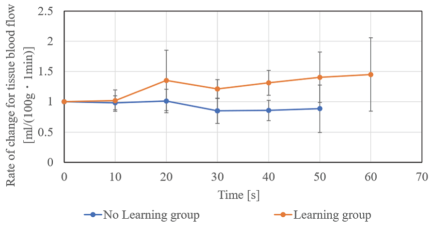
Fig. 14. Changes in tissue blood flow.
5. Discussion
5.1. Dynamic Characteristics of Rubber Sensors
This study did not measure the responsiveness of the rubber sensors. Hand massage does not require a rapid response; therefore, it was not considered. However, as mentioned in Section 4, speed can also be considered an effective element for massage purposes. It is predicted that clarifying the relationship between the design parameters of the rubber sensor and its responsiveness will affect the teaching resolution of the speed. Regarding reproducibility, it is believed that the influence of the creep characteristics of rubber is unavoidable. However, because the sides and bottom are covered with rigid bodies, the influence of the rubber deformation is expected to be small. With regard to the deformation of the top surface, it may be necessary to design a structure that avoids large deformations.
5.2. Force Estimation Model for Rubber Sensors
This study verified a rubber sensor based on experimental pressure changes. At this stage, the mathematical model of the sensor has not yet been examined. When determining the pressure change from the volume change inside the sensor caused by an external force, approximating it as an isothermal process allows for the derivation of Eq. (1).
If the elastic force of the rubber sensor is \(k_{r}\), displacement is \(x\), and contact area with the sensor is \(A\), the estimated force \(F\) can be approximated using the following equation:
5.3. The Effectiveness of Visual Feedback Learning
This study examined the effectiveness of learning through visual feedback. First, the number of participants was an issue. In Section 3.2, although a statistically significant difference was observed, there were only six participants in each group. The small sample size may have included data obtained by chance, and it is difficult to conclude that this significant difference was due to a sufficient effect. Based on the results obtained in this study, one of the challenges in demonstrating its effectiveness is conducting an experiment with a larger sample size. Because only one expert was used for comparison, it is necessary to consider the sample size of experts. The data obtained from the experts in this study showed a small coefficient of variation in amplitude. This is consistent with what is known from lectures and other materials as necessary for hand massage. Experts also expressed the opinion that the appropriate pressure should be verified. An analysis of expert hand massages is expected to provide one piece of evidence for its effectiveness.
Another task is to add experimental conditions. This could involve more detailed adjustments to the conditions in the non-learned group. For example, this could include a group that received instructions from an expert or a group that self-learned using videos. To demonstrate the effectiveness of the proposed method better, it is necessary to reduce the possibility of chance, including its relationship with the sample size.
6. Conclusion
A massage movement learning support system aimed at improving learning efficiency was developed in this study. The learning system measures hand massage force information using flexible rubber sensors with variable stiffness that can adapt to complex shapes, along with full-color LED lights that change color in response to pressure. The system provides real-time visual feedback.
By embedding flexible sensors with silicone rubber air chambers in a forearm model created using a 3D printer, we developed a structure that easily changes volume in response to external forces. The experiments demonstrated that the hardness can be adjusted to a certain extent by adjusting the pressure inside the sensor. We defined evaluation indices for massage skills and learning levels. We measured expert massage using these indices and proposed a method to evaluate the movements.
Subject experiments demonstrated the learning benefits of the proposed system. Measurements were obtained from different parts of the hand. Sensor measurements indicated that learning was particularly evident at the fingertips. Blood flow measurements showed that the learning group exhibited a blood circulation-promoting effect. Future studies should increase the number of participants and further evaluate the effectiveness of the proposed system.
Acknowledgments
This research was supported by a JSPS Grant-in-Aid for Scientific Research (C) from the Academic Research Grant Fund, titled “Development of a massage learning support system for nursing education using pneumatic soft devices.”
- [1] H. Kunikata, K. Watanabe, M. Miyoshi, and T. Tanioka, “The effects measurement of hand massage by the autonomic activity and psychological indicators,” The J. of Medical Investigation, Vol.59, Nos.1-2, pp. 206-212, 2012. https://doi.org/10.2152/jmi.59.206
- [2] A. Santos, M. Percy, and D. Rabinowitsch, “Evaluating the aromatherapy recommendation for pain in the holistic nurses’ pain relief tools for patients and self-care,” J. of Holistic Nursing, Vol.40, No.2, pp. 99-107, 2022. https://doi.org/10.1177/08980101211025373
- [3] K. Kolcaba, V. Schirm, and R. Steiner, “Effects of hand massage on comfort of nursing home residents,” Geriatric Nursing, Vol.27, No.2, pp. 85-91, 2006. https://doi.org/10.1016/j.gerinurse.2006.02.006
- [4] H. J. Oh and J. S. Park, “Effects of hand massage and hand holding on the anxiety in patients with local infiltration anesthesia,” J. of Korean Academy of Nursing, Vol.34, No.6, pp. 924-933, 2004 (in Korean). https://doi.org/10.4040/jkan.2004.34.6.924
- [5] H.-L. Wang and J. F. Keck, “Foot and hand massage as an intervention for postoperative pain,” Pain Management Nursing, Vol.5, No.2, pp. 59-65, 2004. https://doi.org/10.1016/j.pmn.2004.01.002
- [6] H. Kitagawa, T. Terai, P. Minyong, and K. Terashima, “Application of neural network to teaching of massage using multi-fingered robot hand,” J. Robot. Mechatron., Vol.14, No.2, pp. 162-169, 2002. https://doi.org/10.20965/jrm.2002.p0162
- [7] K. Terashima, T. Miyoshi, K. Mouri, H. Kitagawa, and P. Minyong, “Hybrid impedance control of massage considering dynamic interaction of human and robot collaboration systems,” J. Robot. Mechatron., Vol.21, No.1, pp. 146-155, 2009. https://doi.org/10.20965/jrm.2009.p0146
- [8] M. Khoramshahi, G. Henriks, A. Naef, S. S. M. Salehian, J. Kim, and A. Billard, “Arm-hand motion-force coordination for physical interactions with non-flat surfaces using dynamical systems: Toward compliant robotic massage,” 2020 IEEE Int. Conf. on Robotics and Automation (ICRA), pp. 4724-4730, 2020. https://doi.org/10.1109/ICRA40945.2020.9196593
- [9] N. Harada, M. Kitazaki, and R. Tasaki, “Physical therapy massage robot system with human motion tracking and finger-pressing force control,” Advanced Robotics, Vol.39, No.5, pp. 223-242, 2025. https://doi.org/10.1080/01691864.2025.2469695
- [10] C. Wang, Z. Sun, J. Long, J. Wei, X. Chen, Q. Liu, Y. Shen, W. Shang, Y. Wang, L. Duan, and Z. Wu, “Development of a novel massage platform for medical training,” Technology and Health Care, Vol.28, No.1_suppl, pp. 89-101, 2020. https://doi.org/10.3233/THC-209010
- [11] R. Arai, H. Takase, K. Eto, T. Kato, K. Ito, and T. Iwata, “Development of a support system for acquiring movement skills for foot care massage using IoT technology,” Procedia Computer Science, Vol.246, pp. 1640-1648, 2024. https://doi.org/10.1016/j.procs.2024.09.641
- [12] T. Kato, H. Takase, K. Eto, K. Ito, and T. Iwata, “Development of a support system for learning foot massage movement skills using IoT technology,” Procedia Computer Science, Vol.207, pp. 3430-3438, 2022. https://doi.org/10.1016/j.procs.2022.09.402
- [13] A. Katsumata, Y. Iida, M. Fujishita, M. Izumi, K. Kobayashi, Y. Ogura, Y. Usuda, and A. Takanishi, “Development of a force measurement system for massage of the face,” J. of Temporomandibular Joint, Vol.19, No.2, pp. 158-163, 2007 (in Japanese). https://doi.org/10.11246/gakukansetsu1989.19.158
- [14] K. Suzumori and H. Nabae, “Review of flexible/stretchable sensors for soft robot,” J. Robot. Mechatron., Vol.37, No.1, pp. 8-12, 2025. https://doi.org/10.20965/jrm.2025.p0008
- [15] Y. Kato, T. Hayakawa, and T. Mukai, “Soft areal tactile sensor using tomography algorithm,” J. Robot. Mechatron., Vol.20, No.4, pp. 628-633, 2008. https://doi.org/10.20965/jrm.2008.p0628
- [16] T. Yoshikai, T. Sagisaka, M. Hayashi, and M. Inaba, “Acquisition and realization of a rolling-over motion for a humanoid with soft sensor flesh,” J. Robot. Mechatron., Vol.20, No.2, pp. 241-249, 2008. https://doi.org/10.20965/jrm.2008.p0241
- [17] T. Nakamura, Y. Akamatsu, and Y. Kusaka, “Development of soft manipulator with variable rheological joints and pneumatic sensor for collision with environment,” J. Robot. Mechatron., Vol.20, No.4, pp. 634-640, 2008. https://doi.org/10.20965/jrm.2008.p0634
This article is published under a Creative Commons Attribution-NoDerivatives 4.0 Internationa License.