
Paper:
Embedding a Haptic Display in a Computer Mouse for Texture Discrimination During Active Tracing
Asahi Kurokawa
 , Masaharu Shimizu, Mitsuhito Ando
, and Haruo Noma
, Masaharu Shimizu, Mitsuhito Ando
, and Haruo Noma
Graduate School of Information Science and Engineering, Ritsumeikan University
2-150 Iwakura-cho, Ibaraki, Osaka 567-8570, Japan

The objective of this research was to realize human tactile exploration in a VR environment. For example, this capability would allow users to check the surface texture of products before purchasing them through online shopping or enhance the immersion of VR experiences. Therefore, this paper proposes a device that enables users to move their hands to trace virtual objects. This device provides tactile perception by tracing an image displayed on a screen using a cursor. We propose a soft vibration actuator mouse (SVA-M) that incorporates a haptic display into a computer mouse. The haptic display employs a soft vibration actuator (SVA). An SVA is a compact actuator that vibrates at high density, has a wide frequency range, and is capable of presenting high-resolution haptic feedback to the fingertip. We conducted a perception test to evaluate the spatial resolution of the haptic textures that the device could present. We investigate the spatial resolution of the haptic textures perceivable by humans by having participants trace six different haptic textures using the device. The results indicate that, under the reduced tracing speed imposed by device operation in a standard 60 Hz display environment, textures with haptic changes corresponding to hand movements of 0.16 mm or more can be reliably discriminated, establishing a criterion for haptic texture design in mouse-type haptic displays intended for everyday use.
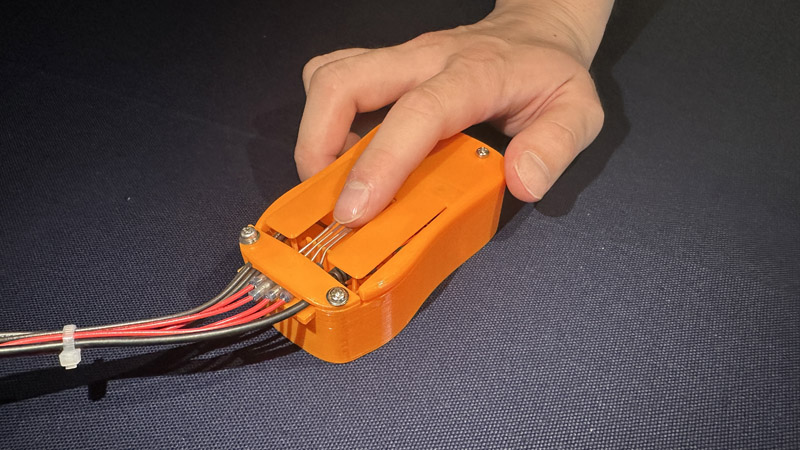
Tactile perception through the SVA-M
1. Introduction
In a broad sense, a display is a device that presents not only visual information, but also representations of entities that lack physical existence. In particular, visual and auditory displays are widely popular, with numerous devices such as optical displays and spatial audio speakers used in daily life. However, haptic displays that present the surface texture of virtual objects through haptics are less widespread than visual and auditory displays. Haptics enables the perception of fine surface textures that are difficult to capture visually 1. When humans examine the surface texture of an object, they touch and rub a body part, such as the hand, against the unknown object 2. This exploratory activity is known as tracing. During tracing, the fingertip continuously deforms in response to fine irregularities of the object’s surface, stimulating a cutaneous sensation, while the muscles moving the hand are stimulated for deep sensation. During tracing, the simultaneous stimulation of both cutaneous and deep sensations provides the perception of actively touching an object rather than just stimulating the skin 3. Although haptics perceived through tracing contributes to object recognition, the technology for reproducing these haptic effects is not sufficiently widespread. If the surface texture of virtual objects can be expressed by reproducing tracing, it could, for example, allow users to check the surface textures before purchasing through online shopping or improve the precision of remote work.
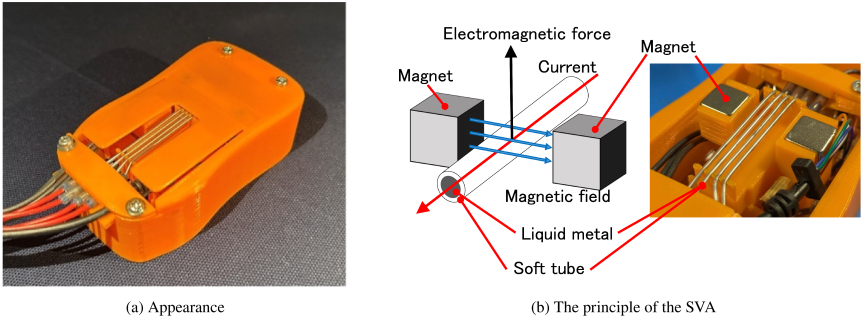
Fig. 1. Prototype of the SVA-M.
Therefore, this study aims to create an environment that integrates tracing into daily life, enabling the perception of the surface texture of virtual objects. We propose a device that enables users to move their hands to trace virtual objects as if they were real objects. To trace virtual objects using a haptic display, the user must maintain their hand in close contact with the device to perceive the haptics, and the device must provide haptic feedback corresponding to the user’s hand movements. The necessary technological element for this is a high-density, highly responsive haptic display that is small and sufficiently light to be gripped and moved, and capable of presenting the surface texture of the object in detail. Force-feedback displays are a frequently researched type of haptic display that provide feedback for various motions 4,5. However, the perception of vibration is essential for the detailed cognition of the surface texture of an object 6.
Many haptic displays that present vibrations corresponding to hand movements, stimulating the fingertip with a haptic display while measuring the movement using an external device, are currently being researched. Fluid Reality 7 is a haptic display that utilizes an electro-osmotic pump that presents the surface texture of objects when used in conjunction with a VR headset. Finger movement is measured using an external VR headset (head-mounted display, HMD), and a sense of unevenness corresponding to the texture of the virtual space is presented according to that movement. Devices that present haptics based on data measured by external equipment assume special conditions, such as using an HMD. Consequently, it is difficult to integrate them directly into daily life for purposes other than VR. Ultrasonic haptic presentation 8 can present vibrations with complex frequency components at arbitrary spatial locations. However, this apparatus tends to be large, imposing significant constraints on its use in daily life. Among the haptic presentation devices designed for daily use is the walking assistance for visually impaired people by Fujino and Niitsuma 9, who realized a wearable haptic presentation for the foot. However, it does not consider the presentation of surface texture or a higher density of haptic presentation.
Stylus-based devices have been developed to present virtual textures using tangible interfaces 10. These devices can provide multimodal sensations such as vibrations, friction, and temperature. However, as tactile stimuli are presented indirectly using a handheld tool, they are unsuitable for reproducing direct skin deformation during active surface tracing. By contrast, a device integrating a haptic presentation apparatus into a frequently used daily device is the multimodal mouse by Akamatsu and Sato 11. The multimodal mouse achieved haptic feedback corresponding to movement by raising and lowering pins. This device acquires hand movements and provides haptic feedback without requiring an external VR device. However, the haptic display used in this study was aimed at improving pointing performance and did not consider the presentation of surface texture. Therefore, our study proposes a device that allows users to trace and touch textures displayed on a screen.
We propose integrating a small vibrator into a commonly used computer mouse to achieve a high-density haptic presentation that corresponds to cursor movement. The vibrator in this device uses a soft vibration actuator (SVA) 12. The SVA has a structure in which liquid metal is enclosed in a flexible soft tube, and it is driven by an electromagnetic force when a square-wave current is applied. Because the soft tube is flexible, it can easily produce large displacements, allowing the 1-mm-diameter actuators to be arranged densely in parallel. The operating principle of the SVA is similar to that of a voice coil motor (VCM). However, unlike conventional VCMs and piezoelectric actuators, the SVA is composed of soft materials, which allow it to generate relatively large displacements while maintaining a compact and flexible structure. In addition, by changing the input current waveform, vibrations can be observed across the frequency band of 1–400 Hz. Furthermore, the SVA is sufficiently small to be mounted on a computer mouse. We hypothesized that the characteristics of the SVA (high density and wide band) would allow for a detailed presentation of an object’s surface texture.
Our contributions are summarized as follows:
-
We propose a design guideline for a mouse-type haptic display suitable for daily use.
-
We investigate the minimum perceivable texture resolution achievable with a mouse-type haptic display and discuss its perceptual limitations.
2. Development of the Device
2.1. Configuration of SVA-M
The objective of this research is to build a VR environment that allows the perception of the surface texture of a virtual object through the incorporation of tracing. To achieve this goal, we propose a method for integrating a haptic display capable of presenting the surface texture of virtual objects and a sensor for measuring hand movements for tracing into a single device. Thus, this study developed a soft vibration actuator mouse (SVA-M) by integrating an SVA, a haptic display with a high spatial resolution, into a computer mouse. Fig. 1(a) shows the external appearance of SVA-M. The total weight of the SVA-M, including the embedded magnets, is approximately 10 g, making it sufficiently lightweight for handheld use. The SVA was positioned at the center for haptic presentation. Vibrations can be perceived by placing the pad of a finger, such as the index finger, on the SVA. The vibration was generated in the normal direction relative to the skin surface, whereas the actuator motion itself occurred in the horizontal direction along the skin. Fig. 1(b) shows the structure of the integrated SVA. Four soft tubes arranged in parallel vibrate due to electromagnetic force; these tubes can vibrate independently, enabling high-density haptic presentation 12. The number of the parallel actuators was determined to cover the contact area of the fingertip during normal mouse operation, with four actuators selected as an appropriate balance between coverage area and compact device size. The magnet size (\(10 \times 10 \times 10\) mm) was chosen to maximize magnetic force while remaining sufficiently small to be integrated into the mouse housing. N35 grade neodymium magnets were used in this study. According to the manufacturer datasheet, the magnet has a surface flux density of 488.6 mT and a coercivity of at least 868 kA/m. Thinner tubes were preferred because reducing the tube mass increases the achievable vibration amplitude; thus, the tube diameter was minimized while maintaining stable operation. The actuator was constructed using silicone tubes and liquid metal, which provide high flexibility and allow large mechanical deformation. Each tube had an outer diameter of 1.0 mm and an inner diameter of 0.5 mm, and the length of the portion driven by the electromagnetic force and presented to the fingertip was 30 mm. The liquid metal (ZZGS22011, Zairyo-ya.com) is an alloy of gallium, indium, and tin, with a melting point of \(-\)19°C, remaining liquid at room temperature. The resonance frequency of the SVA can be adjusted by changing the tube tension; the tension was set such that resonance occurred near 120 Hz, corresponding to a frequency range to which humans are particularly sensitive. For stable current control, a 5 \(\Omega\) resistor was connected in series with the actuator, and the driving current reached approximately 1 A under a circuit voltage of 5 V. Thus the total power consumption of the driving circuit was approximately 5 W. In addition, because the voltage applied to the SVA itself is lower than 0.2 V even at maximum drive, the device poses little risk of electrical shock. The SVA-M can also function as a conventional mouse by implementing left and right clicks. To move the cursor, an optical mouse sensor SPCP168A was installed on the bottom surface of the SVA-M. Fig. 2 shows the SVA-M in use. When the user grips the SVA-M and scans over a real mouse pad, the vibration generated by the haptic display changes according to the movement and the presented virtual texture, thereby providing feedback corresponding to the surface texture of a virtual object. The SVA-M comprised commercially available components and a previously validated SVA 12. Therefore, the objective of this study was not to evaluate the fundamental performance of each individual component, but to investigate the effectiveness of the integrated mouse-type haptic display system.
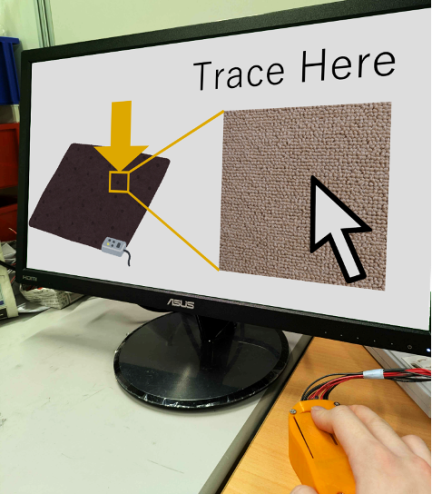
Fig. 2. Example use case of the SVA-M.
2.2. SVA-M System
The SVA-M presents haptics that correspond to hand movements and the haptic texture being traced. Fig. 3 shows the system diagram of the SVA-M. The SVA-M transmits the movement information measured by the optical sensor to the PC. The movement information operates the mouse cursor on the screen. The frequency presented by the SVA is determined by the cursor movement speed and the pixel value directly beneath it, and a signal is transmitted to the driver. The driver consists of a microcontroller (Arduino Uno), a DC motor driver, and the SVA. The PC sends a control signal to the microcontroller, which outputs a frequency-variable square wave current of up to 1 A from the attached DC motor driver. This square-wave current drives the SVA and presents haptics to the fingertips.
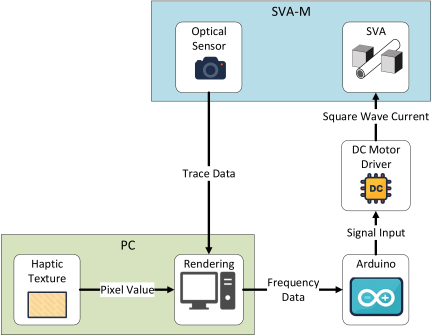
Fig. 3. System of SVA-M.
3. Perception Experiment
3.1. Overview
In this experiment, we used the developed SVA-M to evaluate the spatial resolution when a person moved their hand to obtain tactile perception. Specifically, we demonstrated that a user of the SVA-M can distinguish between haptic textures of different coarseness by tracing them.
3.2. Experimental Design
In this experiment, we prepared the haptic textures in the form of black and white vertical stripe patterns, as shown in Fig. 4, and displayed them on a PC screen. To focus on the spatial perception of texture through tracing, all tubes of the SVA were driven in phase and treated as a single vibration source. The SVA vibrated at 120 Hz when the cursor was on the black part of the haptic texture and stopped vibrating when it was on the white part. The operational range of the cursor corresponds only to white or black pixels (corresponding to image pixels). In this experiment, a ratio was set such that a physical movement of 40 mm of the SVA-M corresponded to a 1000-pixel movement on the screen. Therefore, one pixel on the screen corresponded to a physical distance of 0.04 mm. The haptic textures used in the experiment, as shown in Fig. 4, had stripe widths of 0.04 mm (1 pixel), 0.08 mm (2 pixels), 0.16 mm (4 pixels), 0.32 mm (8 pixels), 0.64 mm (16 pixels), and 1.28 mm (32 pixels). Hereafter, the texture with a stripe width of 0.04 mm is treated as the finest texture, and the 1.28 mm texture as the coarsest. A stripe width of 1 pixel is close to the diameter of a human hair, and 32 pixels is close to the diameter of an AWG16 coated wire.
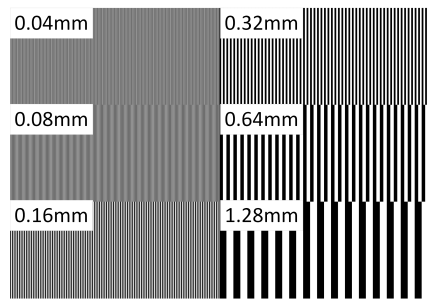
Fig. 4. Images displayed during the experiment.
Before starting the experiment, participants practiced operating the SVA-M. In the practice, participants traced all the haptic textures to be presented in the experiment while visually confirming them using the SVA-M. After the participants became sufficiently accustomed to the SVA-M, a texture discrimination task was performed. During the task, participants were asked to trace the haptic textures using the SVA-M and evaluate their coarseness without visually confirming them. Throughout the experiment, no restrictions were placed on the tracing method; the participants traced the haptic textures as they would a real object. The experimental task adopted a paired comparison format in which participants touched two randomly displayed haptic textures with the SVA-M in one trial and judged which was finer. The specific procedure is as follows. In Step 1, the experimenter randomly selected and presented one of the six textures, asking the participant to touch it for 5 s. In Step 2, a white texture was presented for 1 s as a period of no stimulation. In Step 3, a texture different from that in Step 1 was presented for 5 s for the participant to touch. In Step 4, the screen was again presented as white, and the participant was asked to verbally state which of the two test textures presented in Steps 1 and 3 was perceived as finer. This task was conducted for 30 pairs formed by permutations of the six textures, with four trials for each pair, totaling 120 trials. In addition to the participant responses, the cursor trajectory was recorded as coordinate data during the experiment.
We employed five male participants (aged 19–23 years) with no visual, sensory, or motor impairments. All experimental procedures were performed in accordance with the ethical guidelines of the authors’ affiliated institutions. Prior to the experiment, we used the ethics review checklist of the institutions to confirm that formal ethical review approval was not required, as the study involved minimal risk and did not collect sensitive personal information.
Table 1. Discrimination rate.

3.3. Results
We compared the results for each type of coarseness. The average discrimination rate was 0.66 and the standard deviation was 0.11. Table 1 shows the results of the comparison with the discrimination rate (the percentage of times the coarseness was correctly identified) for each pair. A value closer to 1 indicates that the distinction in coarseness was easier, and 0.5 means no distinction was made. According to these results, the discrimination rate was 0.83 or higher for pairs with the 1.28 mm stripe width texture, 0.63 or higher for pairs with the 0.64 mm stripe width texture, and averaged about 0.58 for pairs with the 0.32 mm stripe width texture. The discrimination rate for pairs combining 0.16 mm, 0.08 mm, and 0.04 mm stripe width textures was 0.5 or lower for all. Next, to examine the perceived coarseness of textures across all participants, we calculated \(Z\)-scores using a method equivalent to Case V of Thurstone’s paired comparison method 13. Fig. 5 shows the plots of the calculated \(Z\)-scores. The \(Z\)-score indicates the relative intensity of the coarseness; a smaller value indicates that the texture was perceived as coarser. For convenience, a correction was made by setting the value of the 32-pixel texture, which was perceived as the coarsest, to 0.
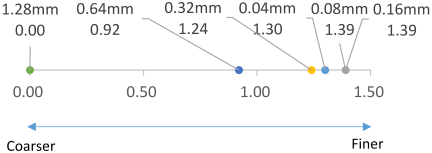
Fig. 5. \(Z\)-score according to Thurstone’s paired comparison method.
Figure 5 shows that the order of the perceived fineness matched the actual order for textures 0.16 mm, 0.32 mm, 0.64 mm, and 1.28 mm or more. Conversely, for the 0.04 mm, 0.08 mm, and 0.16 mm textures, the order of the \(Z\)-score and the order of the stripe width were reversed, and the difference between the \(Z\)-scores was also small. These results suggest that when comparing textures of 0.16 mm or greater, there is a tendency to perceive the correct order of coarseness; however, discrimination becomes difficult for finer textures. We confirmed the internal consistency of the calculated \(Z\)-scores. Internal consistency refers to the degree to which the paired comparison judgments made by participants were consistent and free from contradictions in the comparisons between stimuli. Mosteller 14 proposed a framework for verifying the agreement between the observed and estimated rates through a goodness-of-fit test using the paired comparison method. In this study, we calculated the chi-square value by comparing the expected discrimination rate derived from the \(Z\)-score, with the measured discrimination rate to assess the agreement. We obtained \(\chi^2=1.97\). The rejection threshold for 15 degrees of freedom is approximately 25.00, and 1.97 being below this value, implies that there is no significant difference. Therefore, the deviation between the observed and expected values was not statistically significant, and internal consistency in the \(Z\)-scores was confirmed.
The average movement speed of the cursor during the experiment was approximately 240 pixels/s. This implied a hand movement of approximately 10 mm/s. This tracing speed was slower than that reported in previous studies on unconstrained tactile exploration 15,16. Considering the movement speed based on the refresh rate of the optical display (60 Hz), it is understood that an average movement of 4 pixels/frame occurred.
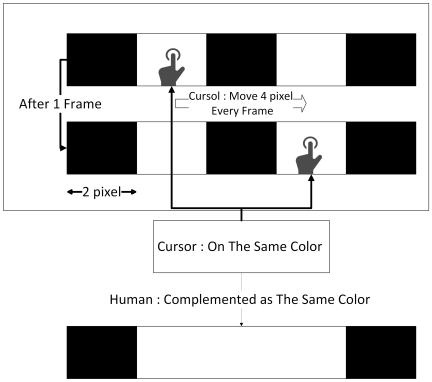
Fig. 6. Scenes where textures are difficult to distinguish.
4. Discussion
4.1. Coarseness Perception by SVA-M
The experimental results suggest that textures with a coarseness of 0.16 mm or more (4 pixels or more) have a significantly high discrimination rate under tracing conditions, indicating that this could be the threshold for spatial resolution affecting the perception of texture coarseness. This result was also supported by the consistency between the order of the texture stripe widths and the order of perceived coarseness (\(Z\)-score). On the other hand, the discrimination rate remained at 0.50 or below for pairs that combined textures finer than 0.16 mm, and the order of the \(Z\)-scores was reversed within this finer range. This is likely the result of aliasing, as shown in Fig. 6. Aliasing occurs when the output result differs from the original owing to insufficient sampling speed. In this experiment, the SVA itself was driven at 120 Hz; therefore, the device was capable of reproducing the vibration on–off switching required for the textures used. However, the pixel value beneath the cursor was sampled at a screen refresh rate of 60 Hz, which limited the spatial sampling of the displayed texture. At the average cursor speed of 240 pixels/s, a texture with a stripe width of 0.16 mm (4 pixels) produces vibration on–off switching at approximately 30 Hz, which remains within the limit imposed by the 60 Hz refresh rate. In contrast, textures finer than 0.16 mm exceed this limit, so the corresponding on–off switching cannot be reproduced correctly under the present screen configuration. This explains why discrimination failed for pairs containing textures finer than 0.16 mm, whereas the 0.16 mm texture could still be discriminated from coarser textures. These results indicate that the limitation arises from the screen refresh rate rather than the presentation capability of the SVA itself. It should, therefore, be clarified how the 0.16 mm value should be interpreted. This value represents the spatial resolution at which texture differences become reliably discriminable under the present operating conditions, namely, the reduced tracing speed associated with operating the device in a standard 60 Hz display environment. This is neither an intrinsic constant of human tactile perception, nor a fixed specification of the proposed device. The underlying cause was not specific to the SVA-M. The limiting factor is the spatial sampling of the displayed texture at the refresh rate of the screen. Therefore, a comparable resolution limit is expected for any mouse-type haptic display that samples a screen-rendered texture at a display refresh rate at similar tracing speeds. In this sense, the present result is better understood not as a device-specific specification but as a practical criterion for designing haptic textures in screen-coupled, mouse-type haptic displays intended for everyday use.
Although aliasing may reduce the discriminability of fine textures, the participants did not show a tendency to slow their tracing speed to explore textures in greater detail. This result suggests that, when designing haptic textures for natural tracing, it is more practical to adopt a spatial resolution around the perceivable threshold of 0.16 mm rather than a finer one. Designing textures finer than this level may not improve perceptual quality during free exploration because users may not consciously perceive such fine differences while naturally tracing the surface.
The standard deviation of the discrimination rate across participants was 0.11, indicating individual differences in absolute performance. However, given that internal consistency was confirmed through Thurstone’s paired comparison method, it can be considered that the participants shared a common perceptual tendency: coarser textures were easier to discriminate, whereas finer textures were more difficult, despite the variability in individual discrimination rates.
Based on these results, it was shown that when performing realistic tracing with the SVA-M under the reduced tracing speed imposed by device operation in a standard 60 Hz display environment, differences in coarseness are easily perceived if a haptic change occurs with hand movements of 0.16 mm or more. This result suggests that even when exploratory behavior such as tracing is reproduced virtually, the spatial change of the object can be perceived. Furthermore, these findings provide guidelines for selecting an appropriate resolution for designing haptic textures.
In addition, the average tracing speed observed in this experiment was lower than that reported in previous studies on unconstrained tactile exploration. One possible reason for this is that the SVA-M is heavier and more difficult to manipulate than direct fingertip tracing on a real surface. Therefore, reducing the weight and improving the maneuverability of the device may contribute to a more natural tracing behavior and more realistic texture perception.
4.2. Limitations
The above results have two limitations. First, what was evaluated in this experiment was the user’s perception when tracing virtual objects with the SVA-M, and not only the spatial resolution of the texture that the device can present but also the scan speed must be considered. The spatial resolution of the haptic texture refers to the minimum texture coarseness that can be presented by the device. In other words, the discrimination rate may improve, depending on the user’s tracing speed. Although the experimental conditions in this study indicated that textures finer than 0.16 mm could not be discriminated, they might be distinguishable by tracing slowly without time restrictions. Thus, the perceivable texture resolution of the device changes significantly depending on the scan speed. This study evaluated the spatial resolution of a presentable texture at a typical tracing speed. Another limitation is that the discrimination rate can change depending on the screen refresh rate. As discussed in Section 4.1, aliasing is likely to have influenced the textures that could not be discriminated in this experiment. In an environment with a higher screen refresh rate, even finer textures can be discriminated.
4.3. Future Works
In this study, all the SVA tubes were driven in phase using a single vibration frequency to evaluate the perceivable spatial resolution of the haptic textures. However, the SVA can independently control multiple actuators at a high density. Therefore, future studies should include the presentation of multiple vibration frequencies below the two-point discrimination threshold to reproduce more complex tactile sensations.
In addition, future studies could investigate haptic rendering methods that reproduce tactile perception directly from visual information such as images and 3D models. However, it should be noted that in the present system, haptic stimuli are rendered from the image shown on the screen; that is, the SVA-M functions as a tactile counterpart to a visual display, reconstructing texture from the displayed image. As discussed in Section 4.1, this makes the achievable spatial resolution bounded by the sampling of the screen-rendered image. Therefore, a promising direction is to render haptic stimuli directly from physical surface data rather than from a displayed image, so that the presentation is no longer constrained by the screen refresh rate. Such a data-driven rendering approach can provide finer tactile details than the image-based rendering used in this study. By combining high-density multipoint haptic presentation with rendering techniques, a more realistic tactile exploration in virtual environments can be achieved.
5. Conclusions
In this study, we developed the SVA-M, a computer mouse-type device equipped with a SVA, as a haptic device capable of presenting surface texture by tracing virtual objects on a screen. The SVA-M acquires hand movements using an optical sensor and dynamically presents changing haptic stimuli to the fingertip by determining the vibration frequency from the pixel value of the display image. While conventional haptic displays have relied on external VR equipment or tracking devices, our device is characterized by integrating “input (tracing)” and “output (haptic presentation)” in a single unit. By extending a commonly used computer mouse, the usage scenario is not limited to a specific VR environment, suggesting broad application possibilities.
To evaluate the effectiveness of the developed SVA-M, a perception experiment was conducted using six haptic texture images with varying stripe widths. The participants traced the textures using the SVA-M while being visually blindfolded and judged which of the two presented textures was finer. As a result, conditions involving relatively coarse stripe widths, such as 1.28 mm, had a significantly high discrimination rate (83% or more), and a clear ordinal relationship was obtained based on the \(Z\)-score calculated by Thurstone’s paired comparison method. Conversely, for textures finer than 0.16 mm, the discrimination rate remained at the chance level, and the order of the \(Z\)-scores was reversed. This result indicates that users can consistently distinguish texture differences corresponding to a physical movement of 0.16 mm or more; however, smaller differences were difficult to discriminate. Taken together, the results suggest that the SVA-M is fully capable of discriminating haptic changes associated with movements of 0.16 mm or more in a widely used 60 Hz visual display environment. This provides a standard for the spatial resolution that humans can reliably identify in the design of haptic textures. However, this system has several limitations. First, the 0.16 mm spatial resolution obtained in this experiment evaluated the user’s perceptual performance under dynamic conditions with a specific tracing speed (average 240 pixels/s). This does not represent the minimum resolution that the SVA-M can present. By changing the conditions, such as slowing down the tracing speed, finer texture differences may become more distinguishable. Second, the experimental results depended on the refresh rate of the screen. In environments with high refresh rates, the issue of aliasing can be resolved, potentially leading to different perceptual characteristics. Future prospects include expanding the expressive range of this device, for instance, by improving the haptic rendering method using the SVA-M. While all parallel tubes vibrated in phase and at the same frequency for spatial resolution evaluation in the screen experiment, the SVA could be controlled independently to present multiple vibrations at multiple points, potentially offering more complex tactile perception 12. Developing a system that can reproduce high-density tactile perception at multiple points by tracing movements from information, such as images and 3D models, could potentially lead to a more realistic tactile experience. Furthermore, by integrating other compact force-feedback devices into the SVA-M, the expression to include not only texture coarseness but also hardness can be extended. By combining haptic sensing technology with this system, we can contribute to the digitization of the haptic experience of media by measuring and recording the surface texture of remote objects and reproducing it on the SVA-M. Through these advancements, the SVA-M has the potential to evolve from a research prototype into a foundational technology for integrating haptics into everyday life.
Acknowledgments
This work was supported by JSPS KAKENHI Grant Number 22H00542.
- [1] R. L. Klatzky, S. J. Lederman, and C. Reed, “There’s more to touch than meets the eye: The salience of object attributes for haptics with and without vision,” J. Exp. Psychol. Gen., Vol.116, No.4, pp. 356-369, 1987. https://doi.org/10.1037/0096-3445.116.4.356
- [2] J. J. Gibson, “Observations on active touch,” Psychol. Rev., Vol.69, No.6, pp. 477-491, 1962. https://doi.org/10.1037/h0046962
- [3] S. J. Lederman and R. L. Klatzky, “Hand movements: A window into haptic object recognition,” Cogn. Psychol., Vol.19, No.3, pp. 342-368, 1987. https://doi.org/10.1016/0010-0285(87)90008-9
- [4] T. Takano, A. Ikeda, I. Abe, and T. Kikuchi, “Improvement of Haptic Interface for Teleoperation Endoscopic Surgery Simulators Using Magnetorheological Fluid Devices,” J. Robot. Mechatron., Vol.34, No.6, pp. 1268-1276, 2022. https://doi.org/10.20965/jrm.2022.p1268
- [5] Y. Tanaka, S. Shiraki, K. Katayama, K. Minamizawa, and D. Prattichizzo, “Bilaterally Shared Haptic Perception for Human-Robot Collaboration in Grasping Operation,” J. Robot. Mechatron., Vol.33, No.5, pp. 1104-1116, 2021. https://doi.org/10.20965/jrm.2021.p1104
- [6] M. Hollins, S. J. Bensmaïa, and E. A. Roy, “Vibrotaction and texture perception,” Behav. Brain Res., Vol.135, Nos.1-2, pp. 51-56, 2002. https://doi.org/10.1016/S0166-4328(02)00154-7
- [7] V. Shen, T. Rae-Grant, J. Mullenbach, C. Harrison, and C. Shultz, “Fluid reality: High-resolution, untethered haptic gloves using electroosmotic pump arrays,” Proc. 36th Annu. ACM Symp. User Interface Softw. Technol. (UIST ’23), Article No.8, 2023. https://doi.org/10.1145/3586183.3606771
- [8] S. Suzuki, S. Inoue, M. Fujiwara, Y. Makino, and H. Shinoda, “AUTD3: Scalable airborne ultrasound tactile display,” IEEE Trans. Haptics, Vol.14, No.4, pp. 740-749, 2021. https://doi.org/10.1109/TOH.2021.3069976
- [9] K. Fujino and M. Niitsuma, “Effects of Presenting People Flow Information by Vibrotactile Stimulation for Visually Impaired People on Behavior Decision,” J. Robot. Mechatron., Vol.33, No.1, pp. 97-107, 2021. https://doi.org/10.20965/jrm.2021.p0097
- [10] B. L. Kodak and Y. Vardar, “FeelPen: A Haptic Stylus Displaying Multimodal Texture Feels on Touchscreens,” IEEE/ASME Trans. on Mechatronics, Vol.28, No.5, pp. 2930-2940, 2023. https://doi.org/10.1109/TMECH.2023.3264787
- [11] M. Akamatsu and S. Sato, “A multi-modal mouse with tactile and force feedback,” Int. J. Hum.-Comput. Stud., Vol.40, No.3, pp. 443-453, 1994. https://doi.org/10.1006/ijhc.1994.1020
- [12] M. Shimizu, M. Ando, and H. Noma, “High-resolution tactile display with soft vibration actuator for reproducing fine tactile perception on the fingertip,” Trans. Virtual Reality Soc. Jpn., Vol.29, No.4, pp. 293-301, 2024 (in Japanese). https://doi.org/10.18974/tvrsj.29.4_293
- [13] T. C. Brown and G. L. Peterson, “An Enquiry into the Method of Paired Comparison: Reliability, Scaling, and Thurstone’s Law of Comparative Judgment,” U.S. Department of Agriculture, Forest Service, Rocky Mountain Research Station, Article No.RMRS-GTR-216, 2009. https://doi.org/10.2737/rmrs-gtr-216
- [14] F. Mosteller, “Remarks on the Method of Paired Comparisons: III. A Test of Significance for Paired Comparisons when Equal Standard Deviations and Equal Correlations are Assumed,” Psychometrika, Vol.16, No.2, pp. 207-218, 1951. https://doi.org/10.1007/BF02289116
- [15] T. Callier, H. P. Saal, E. C. Davis-Berg, and S. J. Bensmaia, “Kinematics of unconstrained tactile texture exploration,” J. Neurophysiol., Vol.113, No.7, pp. 3013-3020, 2015. https://doi.org/10.1152/jn.00703.2014
- [a] Y. Tanaka, W. M. Bergmann Tiest, A. M. L. Kappers, and A. Sano, “Contact force and scanning velocity during active roughness perception,” PLOS ONE, Vol.9, No.3, Article No.e93363, 2014. https://doi.org/10.1371/journal.pone.0093363
This article is published under a Creative Commons Attribution-NoDerivatives 4.0 Internationa License.