
Paper:
Transforming Inclusive Disaster Risk Reduction in Ecuador (Phase II): From Institutionalization to Standardized Governance Through SOP Co-Production
Shigeo Tatsuki*,**,†

*Doshisha University
Kyoto , Japan
**Research Center, Institute of Social Safety Science
Tokyo, Japan
†Corresponding author

Disability mainstreaming in disaster risk reduction (DRR) is widely endorsed in international policy frameworks, yet operationalization at the local level remains challenging. In Ecuador, Phase I of an inclusive DRR initiative established institutional foundations through municipal ordinances in four model municipalities and a subsequent inter-ministerial agreement aligning national disability and disaster risk authorities. Building on this foundation, Phase II focused on translating institutional commitment into operationally actionable procedures. This study reports the longitudinal co-production of standard operating procedures (SOPs) conducted between February 2025 and January 2026. Using participatory workflow analysis, stakeholders from four municipalities and national field offices collaboratively externalized, structured, and iteratively refined their operational practices through three workshop nodes and inter-session communication. Stakeholder-based swimlane diagrams were employed to visualize task sequences and explicitly anchor decision points to responsible actors. Results demonstrate a progressive increase in the resolution of stakeholder and decision architecture. Broad institutional categories evolved into differentiated functional roles, and implicit coordination was transformed into explicit, actor-specific judgment mapping. Over time, analytical logic was internalized by participants, enabling participant-led consolidation and horizontal expansion to additional municipalities. The findings suggest that operationalizing disability mainstreaming requires more than legal alignment; it requires the structured clarification of distributed responsibility and judgment. By conceptualizing SOP co-production as a mechanism of organizational learning and social technology formation, this study contributes to both workflow analysis and the practical advancement of inclusive DRR.
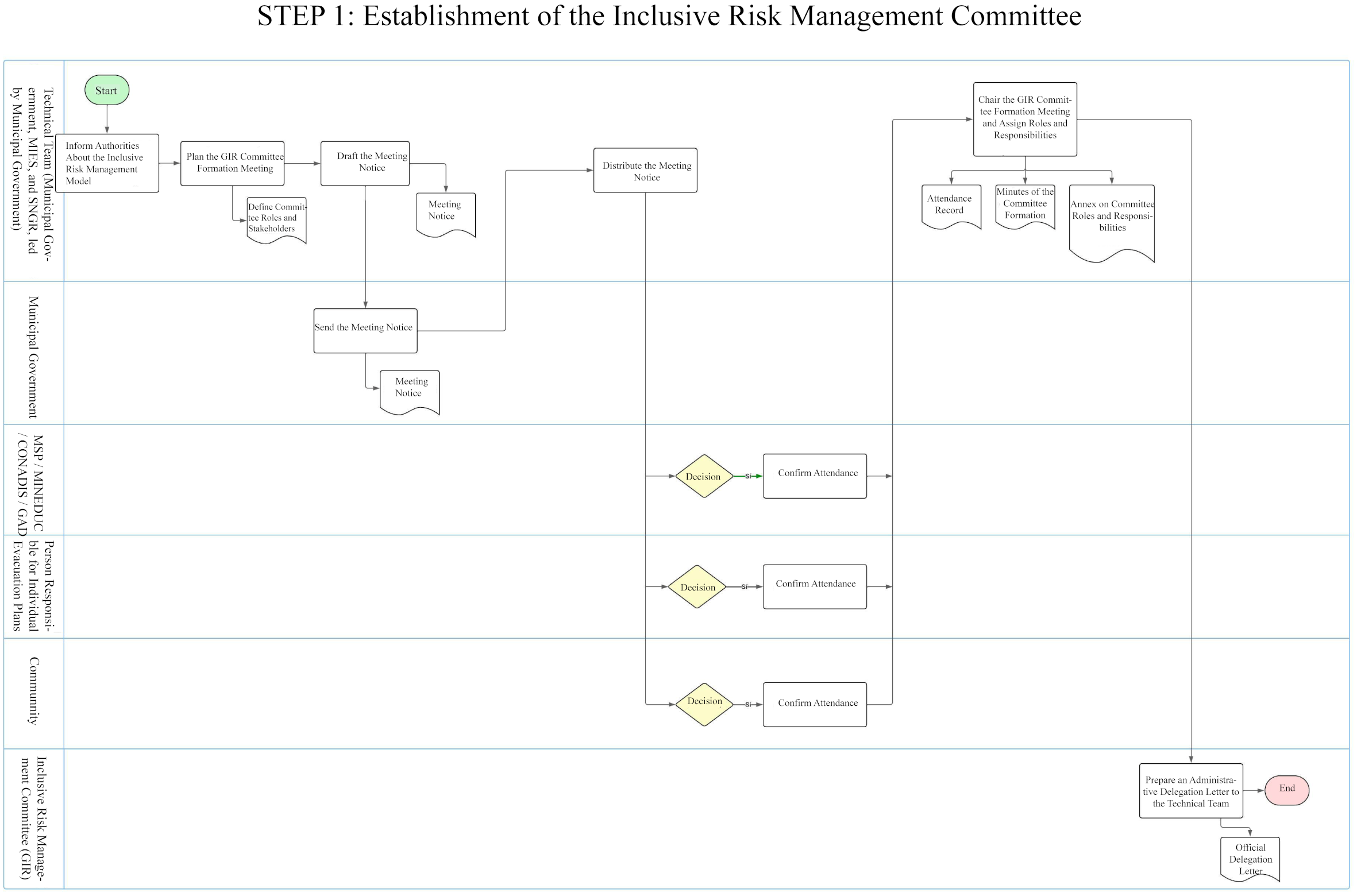
Step 1 workflow diagram
1. Introduction
Disability mainstreaming in disaster risk reduction (DRR) has increasingly been recognized as both a normative and legal imperative in international frameworks. The Convention on the Rights of Persons with Disabilities establishes the obligation of States Parties to ensure the protection and safety of persons with disabilities in situations of risk and humanitarian emergencies (Article 11) 1. Building on this rights-based foundation, the Sendai Framework for Disaster Risk Reduction 2015–2030 calls for the full inclusion and participation of persons with disabilities in DRR planning and implementation 2.
Despite these international commitments, translating normative and legal principles into operational practice at the local level remains a persistent challenge 3. While legal reforms, inter-agency agreements, and institutional mandates signal political alignment, they do not automatically specify how everyday decisions are distributed across actors, nor how responsibility is coordinated in practice.
In Ecuador, Phase I of the inclusive DRR project first achieved a critical milestone at the municipal level: all four model municipalities enacted ordinances formally mandating the promotion of disability-inclusive DRR. These ordinances established a local legal basis for sustained implementation, clarified cross-sector responsibilities within municipal administrations, and provided continuity beyond individual political terms. Building upon these local institutional foundations, a subsequent inter-ministerial agreement was concluded between the national authority responsible for social inclusion (then MIES, later reorganized as the Ministry of Human Development) and the national risk-management authority (then SNGRE, now SNGR). This agreement functioned as a policy-level alignment mechanism, reinforcing and supporting municipal efforts through vertical coordination between disability policy and disaster risk governance. Yet the existence of such local institutional foundations and inter-ministerial agreements leaves open a critical question: how can institutional intent be transformed into operationally actionable procedures at the territorial level?
This study addresses that question by examining Phase II of the Ecuador project, which focused on the co-production of standard operating procedures (SOPs) through longitudinal workflow analysis. Rather than imposing predefined procedural templates, Phase II employed a participatory design in which stakeholders from four model municipalities, along with national field offices, collectively externalized and refined their operational practices over a one-year period (February 2025–January 2026).
The central analytical insight emerging from this process is that operationalization requires increasing the resolution of stakeholder and decision architecture. Early workflow diagrams revealed substantial heterogeneity in stakeholder participation across municipalities. Meaningful standardization, therefore, could not rely on identical organizational charts or uniform task lists. Instead, it required a representational method capable of making visible 4:
-
who participates,
-
who interacts with whom,
-
who makes which judgments at each stage,
-
how responsibility is distributed across institutional layers.
To address this need, the project adopted stakeholder-based swimlane workflow diagrams in which each stakeholder occupies a distinct lane and decision points are explicitly anchored to responsible actors. Through iterative workshops, expert-supported refinement, and inter-session practice testing, these diagrams evolved from low-resolution shared images into a consolidated stakeholder-to-decision architecture forming a common SOP.
This paper reports the methodological design and empirical findings of Phase II. It demonstrates that longitudinal, participatory workflow formalization can function not merely as documentation, but as a mechanism of organizational learning, capacity building, and operational stabilization. By conceptualizing SOP development as the progressive clarification of distributed judgment, the study contributes to both organizational work analysis and the practical advancement of disability-inclusive DRR. The findings suggest that sustainable inclusive DRR requires more than legal alignment; it requires visible, shared, and internalized chains of responsibility capable of guiding everyday operational decisions.
2. Methods
2.1. Study Design and Methodological Objective
This study employed a longitudinal, participatory workflow analysis and SOP co-production design 5 to operationalize disability-inclusive DRR in Ecuador. The methodological objective was to transform the legal and organizational foundations established in Phase I—most notably municipal ordinances and the subsequent inter-ministerial agreement—into operationally actionable, collectively owned, and horizontally scalable procedures.
The core methodological challenge was not merely documentation. It was to identify “work” (tasks, decisions, and coordination actions) in a way that (a) makes tacit practice explicit, (b) aligns multi-sector actors (DRR, welfare, health, and community) around a shared operational grammar, and (c) generates artifacts usable for implementation, monitoring, and replication across municipalities. This emphasis on making tacit knowledge explicit and collectively reflectable aligns with organizational learning perspectives 6,7. The SOP framework used for structuring this operational grammar followed a seven-step model derived from Japan’s individualized evacuation planning guidelines 8. Initial workflow analyses based on this seven-step framework were systematically developed by Tsujioka et al. 9, who identified and formalized municipal work processes through expert-led interviews and subsequent analytical modeling by researchers. In contrast, the present study reconceptualized workflow analysis as a participatory and iterative capacity-building process. Rather than extracting work structures through expert analysis, workflow identification and refinement were conducted collaboratively by municipal and national officers themselves through structured group work across multiple workshop nodes. This shift from expert-driven extraction to practitioner-led co-production represents a central methodological innovation of the study, positioning workflow analysis not only as an analytical tool but also as a means of strengthening institutional ownership and sustainable implementation capacity for inclusive DRR.
Importantly, the workflow diagram development was not completed within a single three-day workshop. Instead, it was conducted over approximately one year (February 2025–January 2026) through iterative cycles of face-to-face workshops (intensive sessions), inter-session tasks, and online/ongoing communication. The three-day workshops functioned as high-intensity “nodes” within a broader, cumulative co-production process.
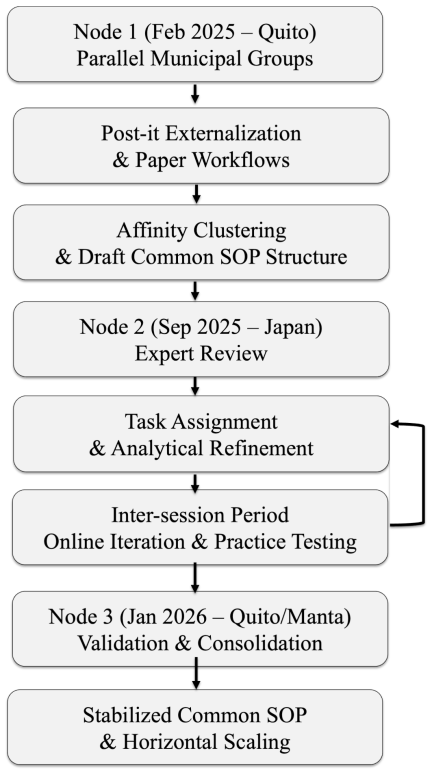
Fig. 1. Longitudinal SOP workflow co-production cycle (February 2025–January 2026).
2.2. Temporal Structure: One-Year Iterative Co-Production Cycle
Phase II workflow/SOP development followed a three-node longitudinal cycle, designed to balance concentrated collective sense-making with sufficient time for reflection, revision, and field-based feasibility checks.
Node 1 (Initiation/Elicitation) February 2025, Quito: Initial elicitation and externalization of municipality-specific workflows.
Node 2 (Comparative Refinement / Expert-Supported Review) September 2025, Japan: Iterative refinement through mutual learning with Japanese municipalities and targeted workflow-analysis support, including participation by a workflow-analysis expert.
Node 3 (Validation/Consolidation) January 2026, Quito and Manta: Confirmation of revisions, consolidation of cross-municipality common structure, and alignment with future scaling strategy.
Between nodes, participants engaged in continuous communication (online meetings, shared documents, and informal exchanges) and worked on explicitly assigned tasks intended to be completed before the next node. This temporal design was intentional. It allowed workflow diagrams to evolve from draft externalizations (Node 1), to analytically clarified and practice-tested models (Node 2 \(+\) inter-session work), and finally to validated and consolidated SOP artifacts (Node 3), as shown in Fig. 1.
2.3. Participants, Continuity, and Human Infrastructure
2.3.1. Participant Composition
Participants consisted of core stakeholders involved in the implementation of disability-inclusive DRR in Ecuador, spanning both national policy coordination roles and local operational roles.
At the local level, participants were drawn from four model municipalities that had established inclusive DRR ordinances and inter-agency coordination structures in Phase I. Each municipal group was composed of a mix of governmental actors whose functions intersect disaster risk management and social inclusion, including: municipal officials from both disaster risk management units and social welfare departments; staff from local field offices of the Ministry of Human Development (Ministerio de Desarrollo Humano, MDH)—the entity that succeeded the Ministry of Economic and Social Inclusion (Ministerio de Inclusión Económica y Social, MIES) following the 2025 institutional reorganization; staff from local field offices of the SNGR responsible for disaster risk coordination and emergency preparedness at the territorial level.
This configuration reflects Ecuador’s multi-tiered governance arrangements, where inclusive DRR implementation depends on cross-sectoral cooperation between municipal authorities and territorially deployed national agencies. By structuring workshop groups to mirror these governance realities, the study ensured that workflow diagrams captured actual coordination practices and decision-making processes embedded in both local government and deconcentrated national agency operations.
At the national level, participants included officials from central ministries and agencies responsible for inclusive policy formulation, technical guidance, and inter-ministerial coordination. These national actors engaged with municipal representatives during synthesis and validation phases, providing strategic oversight and linkage with overarching policy frameworks.
2.3.2. Continuity Across Phases I and II
A distinctive enabling condition of this study was the long-term continuity of participants. Across Phases I and II, the majority of key participants remained involved for approximately five years. This continuity is methodologically consequential in international cooperation settings where personnel turnover often disrupts institutional memory and trust.
The study treats this continuity as human infrastructure: by Phase II, participants had already developed shared vocabulary, mutual trust, and established team routines. Consequently, intensive workshop time could be devoted to substantive operational problem-solving rather than trust-building, and outputs tended to carry a strong collective sense of ownership (“our SOP,” “our workflow”), reinforcing legitimacy and readiness for subsequent horizontal expansion.
2.4. Workshop Method: Parallel Municipal Groups and Visual Workflow Externalization
The intensive workshops conducted during Phase II were designed as co-production environments that enabled participants to externalize tacit operational knowledge, negotiate roles and responsibilities across sectors, and jointly construct workflow diagrams that could later be standardized without eliminating local specificity. Rather than serving as one-off data collection events, these workshops functioned as high-intensity nodes within a longitudinal process of SOP development and refinement.
A defining feature of the workshop method was the deliberate use of parallel municipal group work combined with visual externalization techniques, which allowed both intra-municipal articulation and inter-municipal comparison of inclusive DRR operations.
2.4.1. Parallel Group Configuration: Four Municipalities and Four Working Groups
During each intensive workshop, stakeholders from each of the four model municipalities formed one integrated working group, resulting in four groups operating simultaneously. Each group was intentionally composed to reflect the actual governance configuration of inclusive DRR implementation at the local level. Accordingly, groups included municipal officials from disaster risk management units and social welfare departments; staff from local field offices of the national social inclusion authority (then the Ministry of Economic and Social Inclusion, MIES; later reorganized as the MDH); and staff from local field offices of the SNGR.
By organizing groups along municipal lines while embedding both municipal and deconcentrated national actors within each group, the workshop design ensured that workflow diagrams would capture real coordination practices across administrative boundaries, rather than idealized or purely municipal processes.
This parallel group configuration served two methodological purposes. First, it enabled each municipality to articulate its own institutional realities, constraints, and strengths without being overshadowed by others. Second, it generated a set of comparable yet distinct workflow drafts, which later became the basis for cross-municipality synthesis.
2.4.2. Visual Externalization of Work Using Post-It Notes and Large Paper
Workflow identification began with the articulation of discrete units of “work,” including tasks, decision points, coordination actions, information exchanges, and ethical checkpoints such as informed consent. Rather than documenting these elements in narrative form, participants wrote each work element on an individual Post-it note. These Post-it notes were then placed on large sheets of paper (poster-sized paper or flip charts), enabling workflows to emerge as visual, manipulable representations. This analog method was selected deliberately for several reasons. It lowered technical barriers to participation, encouraged granular articulation of tasks, and made implicit assumptions visible and open to negotiation. Because Post-it notes could be freely rearranged, merged, or removed, participants were able to iteratively refine their understanding of operational sequences and interdependencies. The physicality of the method supported active engagement, collective discussion, and rapid experimentation with alternative configurations.
2.4.3. Municipality-Specific Workflow Diagram Construction
Within each municipal group, Post-it notes were arranged sequentially to form a municipality-specific workflow diagram structured around the seven-step SOP framework. At this stage, local variation was explicitly encouraged. Differences in institutional arrangements, hazard contexts, community relationships, and resource availability were treated as analytically valuable rather than problematic. Each municipal workflow diagram represented a localized interpretation of inclusive DRR operations, including role allocation among municipal departments and national field offices, information flows between actors, and points of interaction with community members and persons with disabilities. At the conclusion of this phase, the workshop produced four municipality-specific workflow diagrams, each documented initially in analog form. These diagrams were explicitly framed as provisional drafts, intended to serve as inputs for subsequent refinement rather than as finalized procedures.
2.4.4. Cross-Municipality Integration Through Affinity Diagramming
Following the completion of municipality-specific workflows, the workshop moved to a collective synthesis phase involving all participants. Work elements from the four municipal diagrams were reviewed together and reorganized using affinity diagramming techniques. During this process, Post-it notes representing similar or functionally related work elements were clustered, allowing participants to identify common functions, recurring coordination patterns, and structural relationships across municipalities. Redundancies, omissions, and ambiguities were discussed openly, and conceptual boundaries between clusters were clarified. The objective of this step was not to eliminate local differences, but to extract a shared structural logic underlying diverse practices. The affinity diagram thus functioned as an intermediate analytical layer between municipality-specific workflows and a fully integrated SOP structure.
2.4.5. Collective Construction of the Integrated SOP Flow Diagram
In the next stage, participants collectively connected the structured clusters derived from affinity diagramming into an integrated SOP flow diagram. This diagram represented the Common Standard Operating Procedure (CSOP) architecture for inclusive DRR implementation. The integrated diagram articulated the sequence and interdependence of core functions across the seven SOP steps while allowing space for contextual specification at the municipal level. Although facilitators supported the process, decisions regarding structure, terminology, and sequencing were made through collective agreement. Methodologically, the integrated SOP diagram functioned as a boundary object 10: a shared reference that aligned diverse actors around a common operational grammar while remaining flexible enough to accommodate local adaptation and future revision.
2.4.6. Consolidation of Workshop Outputs as Shared Analytical Artifacts
By the end of the collective synthesis process, the workshop had generated a layered set of artifacts: municipality-specific workflow diagrams, affinity clusters of work elements, and an integrated SOP flow diagram. Together, these artifacts represented different analytical resolutions of the same operational system. Rather than privileging a single “final” representation, the method treated these artifacts as complementary analytical resources. Municipality-specific diagrams retained local relevance and practical detail, while the integrated SOP diagram provided a shared structural overview suitable for communication, training, and comparative analysis. This layered structure was essential for maintaining both local ownership and cross-municipality coherence, and it set the stage for subsequent refinement, validation, and horizontal expansion.
2.4.7. Transition from Analog to Digital Workflow Representation
While analog tools remained central to collective sense-making throughout the workshops, an important methodological transition occurred following the consolidation of workshop outputs. During the February 2025 workshop, a disaster risk management officer from Tena municipality, who was already proficient in Lucidchart, digitally reconstructed the finalized paper-based workflow diagram on site. This participant-initiated digitalization marked a turning point in the workflow co-production process. Building on this experience, subsequent workflow diagrams were systematically generated using Lucidchart and exported in PDF format. Importantly, this transition did not replace the analog process of externalizing and negotiating work elements. Instead, it served to stabilize, preserve, and circulate the collectively produced workflows beyond the temporal and spatial limits of individual workshops. From a methodological perspective, the adoption of Lucidchart illustrates how digital tools were embedded within, rather than imposed upon, the co-production process. The digitalization of workflows supported inter-session collaboration, online communication, cumulative refinement, and horizontal expansion, while preserving the participatory logic established through analog workflow construction.
2.4.8. Role of Workshops Within the Longitudinal Co-Production Process
It is important to emphasize that the workshop method described above did not produce finalized workflows within a single three-day session. Instead, each workshop functioned as a high-intensity articulation, synthesis, and consolidation node within a longer, iterative process spanning approximately one year. Outputs generated during workshops—municipality-specific workflows, affinity clusters, and integrated SOP diagrams—were treated as evolving artifacts. They were subsequently revised through inter-session tasks, online communication, comparative learning, and expert-supported review, before being validated and consolidated in later workshops.
2.5. Iterative Refinement Mechanism: Comparative Review, Expert Input, and Inter-Session Tasks
2.5.1. Initiation in February 2025 (Quito)
Workflow diagram development formally began in February 2025 in Quito, where municipal groups produced initial paper-based workflows following the seven-step SOP framework. The outcome was the first generation of municipal workflow drafts, not final products.
2.5.2. September 2025 (Japan): Mutual Learning \(+\) Analytical Refinement with Expert Participation
In September 2025, workflow drafts were brought into a mutual learning setting in Japan (Beppu, Kijo, Takashima, and synthesis in Kobe). Ecuadorian participants presented drafts and discussed them with Japanese municipal officials, welfare professionals, and community actors.
Crucially, this phase included participation by Yuichi Honjo, a leading workflow analysis expert. Honjo’s role was not to replace local ownership, but to support analytical clarification and usability by (1) identifying missing decision points, (2) highlighting coordination feedback loops, (3) probing implicit assumptions (e.g., responsibility allocation, timing, and consent), and (4) suggesting additions or reorganization to improve coherence.
Through this process, workflow diagrams were modified and extended—including insertion, deletion, rearrangement, and refinement of work elements. This interaction also served to establish concrete “next tasks” that participants would work on before the final workshop.
2.5.3. Inter-Session Period: Continuous Communication and Task-Oriented Reflection
Between September 2025 and January 2026, participants engaged in ongoing communication (online meetings, shared documents, and informal coordination). The explicit purpose of this period was to (1) test assumptions against municipal realities, (2) gather missing information, (3) clarify role allocation, and (4) advance unresolved tasks identified during the Japan program.
This period ensured the workflow diagrams evolved as practice-grounded artifacts, rather than remaining static workshop outputs.
2.5.4. January 2026: Validation, Consolidation, and Alignment for Further Scaling
In January 2026, final workshops in Quito and Manta served as summative checkpoints. Participants verified revisions accumulated over the year, confirmed points of convergence across municipalities, and consolidated CSOP structure while documenting areas requiring local adaptation.
2.6. Theoretical Positioning: Link to Tsujioka et al.’s Work Analysis and Workflow Formalization
This method is theoretically grounded in the tradition of organizational work analysis that emphasizes the identification of actual work processes, externalization of tacit knowledge, and translation into formalized procedures (guidelines, manuals, and SOPs). The externalization of tacit knowledge and iterative refinement through dialogue resonate with organizational learning theory 6,7.
At the same time, the approach is informed by institutional theory 11,4, particularly the idea that institutional stability depends not merely on formal similarity but on the stabilization of patterned decision routines and shared operational grammars. Tsujioka et al. 9 provide a key reference point by demonstrating how municipal disaster-related work can be systematically identified and represented as workflows to support operationalization and institutional learning.
The present study extends this framework in three ways:
-
Collective externalization rather than expert extraction: Instead of relying on long-term expert-led interviews over months, this method externalizes work through structured group interaction, maintaining local authorship.
-
Cross-municipality synthesis through affinity structuralization: While municipal work analysis often focuses on a single organization, this method explicitly designs for inter-municipal variability by clustering and synthesizing work elements across four municipalities.
-
Longitudinal iteration with expert-supported checkpoints: The method integrates intensive workshops with expert-supported refinement and inter-session practice testing over one year—producing workflows that are both locally grounded and analytically coherent.
Collectively, these extensions support an interpretation of SOP development not as a mere documentation activity, but as a hybrid of analysis, capacity building, and organizational learning.
2.7. Replicability and Boundary Conditions
The Ecuador case benefited from unusual strengths—particularly participant continuity and accumulated team cohesion across five years. Nonetheless, the core method is replicable as a template consisting of (1) parallel municipal group work, (2) Post-it based work-element elicitation, (3) large-paper workflow construction, (4) cross-municipality affinity diagramming, (5) collective integrated flow construction, (6) longitudinal iteration with inter-session tasks and communication, and (7) expert-supported analytical checkpoints. Future applications should explicitly assess boundary conditions such as level of participant continuity, institutional incentives for cross-sector collaboration, availability of facilitation capacity, and data governance and consent practices.
2.8. Ethical Considerations
All workshop activities were conducted with the informed consent of participants. No personally identifiable information was recorded in the workflow diagrams, and all materials were used solely for research and capacity-building purposes. Data handling followed standard ethical practices for collaborative and participatory research, including respect for confidentiality and voluntary participation. These considerations applied across all stages of the workflow co-production process, including workshops, inter-session communication, and digital workflow construction.
3. Results
3.1. Overview of the Results and the Central Empirical Insight
This Results section reports how SOP workflow diagrams for disability-inclusive DRR were progressively developed, refined, and consolidated during Phase II (February 2025–January 2026). Rather than treating SOP development as a single deliverable, the findings demonstrate a longitudinal transformation in the resolution of operational representation. The most important early empirical finding was not simply that municipalities could enumerate tasks under a shared seven-step SOP framework. Instead, the initial workflow elicitation revealed that the stakeholders involved in executing Step 1 and subsequent steps differed substantially across municipalities, even when they operated under identical national policy frameworks and similar local ordinances. This heterogeneity necessitated a methodological shift: meaningful standardization required not identical task lists, but a representation that could make visible:
-
who participates,
-
who interacts with whom,
-
who makes which judgments at each stage, and
-
how responsibilities are distributed across institutional layers.
Accordingly, all workflow diagrams were constructed using a stakeholder-based swimlane format, where each lane represents a stakeholder and the horizontal axis represents the chain of work. As the diagrams were refined, decision points were explicitly embedded within stakeholder lanes, enabling visualization of responsibility and authority. The core empirical contribution of Phase II lies in the progressive increase in the resolution of this stakeholder-to-decision architecture across three workshops.
To complement the qualitative observation of increasing workflow resolution, we conducted a comparative count of key elements across the three workshop iterations. Specifically, we examined changes in the number of identified stakeholders (actors), work elements (tasks), and explicit decision points within the workflow diagrams.
Across the three iterations, the three dimensions did not increase uniformly. The number of actors ultimately increased as previously aggregated roles were disaggregated into functionally distinct positions. The number of tasks increased from WS1 to WS2 as implicit practices were externalized, and then decreased in WS3 as overlapping elements were consolidated into a more coherent structure. Explicit decision points increased progressively, reflecting a shift from implicit coordination to explicitly articulated judgment structures. These changes indicate that workflow refinement followed an expansion–consolidation pattern and evolved toward higher analytical resolution through the iterative co-production process.
3.2. Workshop 1 (February 2025): Formation of a Low-Resolution Shared Image
Before presenting the empirical findings, it is necessary to clarify the institutional reference framework that informed the analytical structure of this study. The seven-step procedural framework for Individual Evacuation Plan formulation was articulated in the official guidelines issued by the Cabinet Office of Japan 8. The guideline systematizes municipal responsibilities from the establishment of an internal and inter-organizational promotion system (Step 1), through identification of persons requiring assistance, drafting of individualized plans, coordination with relevant stakeholders, and monitoring and updating procedures. Step 1 specifically emphasizes the creation of a coordinated institutional mechanism within and beyond municipal administration, serving as the structural foundation upon which subsequent operational steps are built.
While the guideline contains seven interlinked procedural stages, the present study does not attempt to exhaustively report all components of the framework. Rather, in order to illustrate the methodological innovation of workflow analysis and progressive stakeholder-to-decision refinement, we focus on Step 1 as a representative case. By tracing how Step 1 was progressively refined across three workshop nodes, we demonstrate how institutional templates are translated into increasingly explicit, visible, and collaboratively validated workflow architectures within a different national context.
3.2.1. Broad Stakeholder Categories
Stakeholders were represented in aggregated categories such as
-
autonomous municipal government,
-
centralized municipal government (Mayor), and
-
Inclusive Risk Management Committee (GR).
Although swimlanes were present, differentiation within municipal administration and between municipal and national field offices remained limited. Technical teams, national agencies (MIES/SNGR), and community actors were not yet fully separated into distinct operational lanes.
3.2.2. Limited Decision Articulation
No decision points were explicitly represented in the initial workflow. The flow emphasized convening meetings, assigning committee functions, and documenting outcomes, with judgment remaining embedded within task sequences. While sufficient for shared cognitive alignment, the diagram did not yet make visible the detailed distribution of judgment across actors. At this stage, the diagram functioned primarily as a collective image of the process, not as a precise analytical map.
3.3. Workshop 2 (September 2025): Analytical Differentiation and Explicit Decision Mapping
The second workshop marked a clear structural shift. Under direct guidance from Yuichi Honjo, a workflow analysis expert and a co-author of Tsujioka et al. 9, participants revisited Step 1 and reconstructed the workflow at significantly higher resolution.
3.3.1. Expansion and Differentiation of Stakeholder Lanes
The swimlane architecture expanded to include more distinct actors, such as
-
municipal DRR units,
-
municipal social services,
-
local MIES offices (later MDH),
-
local SNGR offices,
-
community actors, and
-
technical team components.
This differentiation revealed that Step 1 was structurally dependent on coordination among multiple institutional layers rather than solely on mayoral or committee-level authority.
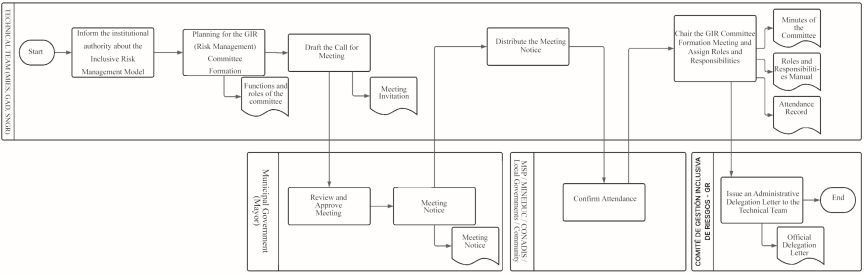
Fig. 2. Step 1 workflow diagram (February 2025): low-resolution shared image showing initial shared understanding.
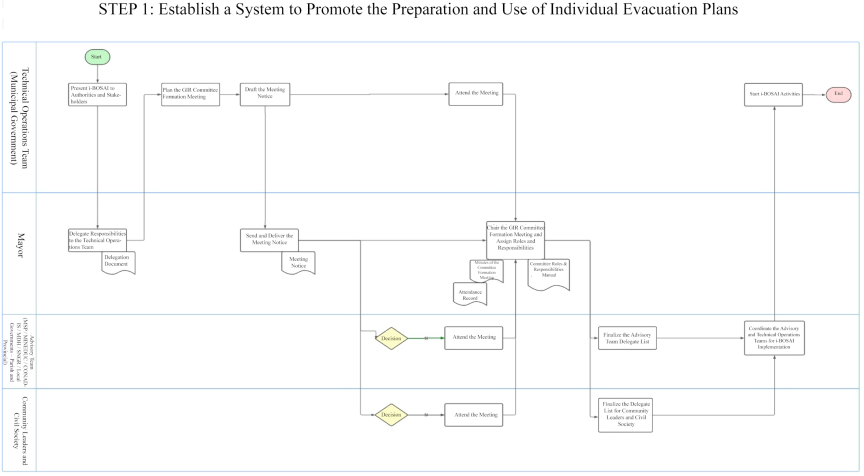
Fig. 3. Step 1 workflow diagram (September 2025): differentiated stakeholder lanes and explicit decision mapping after expert input.
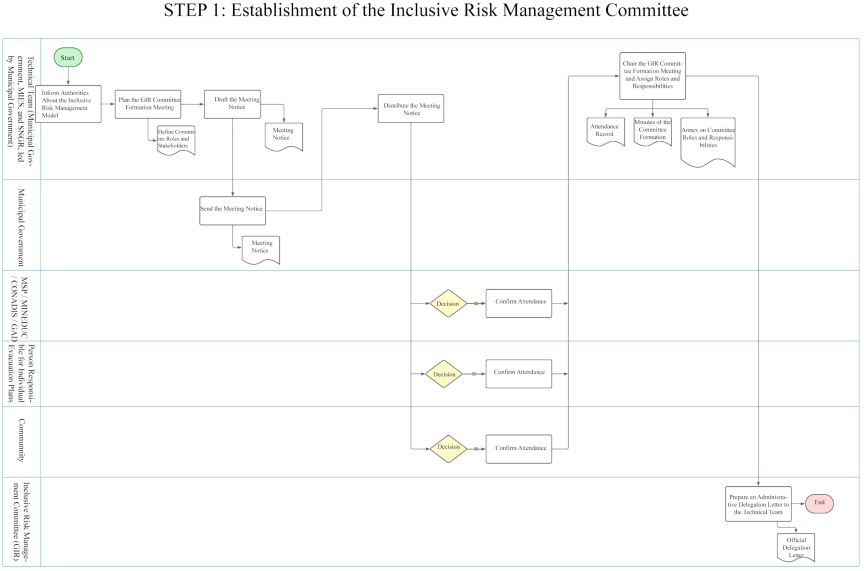
Fig. 4. Step 1 workflow diagram (January 2026): high-resolution stakeholder-to-decision architecture finalized through longitudinal iteration.
3.3.2. Explicit Articulation of Decision Points
Two decision diamonds were introduced and placed explicitly within stakeholder lanes, particularly in relation to the participation and attendance of advisory and community representatives. This marked a shift from entirely implicit transitions toward explicitly assigned acts of judgment tied to identifiable actors. Although decision articulation remained partial, the workflow began to make visible who confirms participation and under what authority.
3.3.3. Inter-Session Refinement: From Expert-Guided Analysis to Internalized Logic
Between Workshops 2 and 3, refinement continued through online communication and iterative revision. Participants clarified ambiguous decision points, reorganized stakeholder lanes, and tested the feasibility of assigned responsibilities within their institutional environments. This phase marked a shift in ownership. While Workshop 2 relied heavily on expert facilitation, subsequent revisions were largely participant-driven. The analytical logic of workflow construction—particularly the explicit mapping of stakeholder-specific judgments—became internalized.
3.4. Workshop 3 (January 2026): High-Resolution, Participant-Led Consolidation
The third workshop demonstrated qualitative maturation in both structure and ownership. Taken together, these three iterations reveal a progressive transformation of workflow structure across municipalities. Figs. 2–4 illustrate the progressive refinement of workflow diagrams for Step 1 across the three workshop iterations. To complement the visual comparison, Table 1 summarizes the evolution of workflow resolution by combining quantitative indicators (actors, tasks, and decision points) with qualitative characteristics.
As shown in Table 1, the refinement process did not follow a simple linear increase in elements, but rather involved a combination of expansion, differentiation, and structural consolidation. While the number of tasks increased from WS1 to WS2 as implicit practices were externalized, it decreased in WS3 as redundant or overlapping elements were reorganized into a more coherent structure. In contrast, stakeholder differentiation and decision articulation followed a clearer progression.
Notably, the initial workflow (WS1) did not explicitly represent decision points, indicating that coordination was largely embedded in implicit administrative routines. In subsequent iterations, decision structures were progressively externalized and redistributed across actors, resulting in a clearly articulated decision architecture in WS3. At the same time, actors became more finely differentiated, with the explicit inclusion of individual- and community-level stakeholders.
Table 1. Evolution of workflow resolution across iterations.

These patterns indicate that workflow refinement proceeded not as mere accumulation, but as a process of making implicit coordination visible, reorganizing it into explicit structures, and aligning stakeholder roles and decision responsibilities within an integrated institutional framework.
Building on the comparative patterns summarized in Table 1, the following subsections examine in greater detail how workflow refinement was manifested in the structure of the diagrams. Rather than treating refinement as a simple increase in elements, we analyze it as a process through which implicit coordination practices were progressively externalized, differentiated, and reorganized into explicit institutional structures. In particular, we focus on three interrelated dimensions: the articulation of stakeholder roles, the clarification and redistribution of decision points, and the emergence of an integrated coordination framework that supports cross-municipality alignment and scalability.
3.4.1. Fully Articulated Stakeholder Architecture
Building on the increasing stakeholder differentiation observed in Table 1, the final workflow diagram exhibits a fully articulated stakeholder architecture. The Step 1 workflow now included clearly differentiated lanes for
-
political leadership (Mayor),
-
municipal (GAD) units,
-
local MDH (formerly MIES),
-
local SNGR,
-
community actors, and
-
technical team.
This configuration illustrated a multi-layered governance architecture in which authority, coordination, and implementation responsibilities were distributed across institutional and community actors.
3.4.2. Integrated and Dense Decision Structure
Corresponding to the clarified decision architecture and emergence of a formal promotion structure noted in Table 1, the final workflow diagram demonstrated not only increased decision density but also a sharper differentiation of stakeholders. Actors were disaggregated across lanes with greater precision, clarifying distinct institutional roles and decision authorities rather than grouping them under broad administrative categories. This refinement made visible who acts, who decides, and on what institutional basis at each stage.
In the first lane (Technical Team), nearly every work element produced a formal document output—such as notices, minutes, attendance records, annexes, and delegation letters—indicating a shift toward a document-anchored legitimacy process. Most notably, the final lane depicted the formal emergence of an inclusive DRR promotion structure. The workflow thus culminated not merely in procedural completion but in the institutionalization of an inter- and intra-organizational coordination mechanism, fulfilling the structural mission of Step 1. Importantly, this version was produced primarily by Ecuadorian participants themselves, signaling the internalization of workflow analysis as sustained practice.
3.4.3. Cross-Municipality Synthesis: From Heterogeneity to Functional Equivalence
Workflow refinement also enabled the emergence of a shared structural logic across municipalities. Parallel to the Step 1 deepening, cross-municipality comparison revealed that while stakeholder configurations differed in form, they could be decomposed into: common stakeholder functions present across all municipalities, and municipality-specific stakeholders reflecting contextual adaptation.
Affinity analysis enabled the identification of functional equivalence across differently labeled actors. Standardization therefore emerged as the stabilization of a shared functional architecture rather than the imposition of uniform organizational charts. The integrated CSOP represented a shared stakeholder-to-decision structure capable of accommodating contextual variation without sacrificing coherence.
3.4.4. Digital Stabilization, Circulation, and Analytical Facilitation
The transition from analog to digital diagrams via Lucidchart further stabilized the workflows and strengthened analytical clarity. Digitalization enhanced the legibility of stakeholder lanes, preserved decision markers across revisions, and enabled systematic comparison between workshop iterations. Digital workflow artifacts functioned as evolving records of resolution increase, making longitudinal transformation empirically traceable.
This transition marked a qualitative shift in how workflow diagrams were constructed, connected, and collaboratively refined. The introduction of Lucidchart played a critical role in stabilizing and advancing the workflow co-production process. In earlier work, including Tsujioka et al. 9, workflow diagrams were constructed using spreadsheet-based tools (e.g., Excel), where connections between elements had to be manually created and maintained. In contrast, Lucidchart enabled the automatic preservation of directional relationships between tasks and decision points, significantly reducing the technical burden of diagram construction and allowing participants to focus on the analytical aspects of workflow refinement. This shift can be understood as a transition from a manually intensive to a structurally assisted mode of representation.
In the Ecuador case, however, access to Lucidchart was limited: only one municipal officer (from Tena) held an active license. As a result, inter-session collaboration was conducted through screen-sharing, with this user operating the software while other participants collectively reviewed, discussed, and instructed modifications. Despite this asymmetry in technical control, the process remained participatory, with ownership of the workflow logic distributed across the group. This configuration highlights that digital tools functioned not as independent drivers of change, but as enabling infrastructures embedded within a broader co-production process, facilitating iterative refinement, remote collaboration, and the accumulation of shared analytical understanding. This suggests that the effectiveness of digital tools depends less on individual technical proficiency than on their integration into collaborative analytical processes.
3.4.5. Horizontal Expansion as Empirical Confirmation
The potential for horizontal expansion became empirically observable following the consolidation of the workflow diagrams. This was demonstrated by Ecuadorian practitioners independently applying the swimlane-based workflow logic in new seminar settings beyond the four model municipalities, without direct facilitation from external experts. In these settings, participants were able to reconstruct workflow diagrams, identify relevant stakeholders, and articulate decision points using the same analytical grammar developed through the workshops.
Importantly, this expansion was not a mere replication of diagram formats but involved the adaptive application of workflow logic to new institutional contexts. Participants reported that the structured visualization of tasks, documents, and decision points improved clarity in role allocation and coordination, particularly in inter-agency settings. During inter-session periods, several workflow elements were revised based on practical constraints encountered in municipal operations, including the timing of notifications, feasibility of attendance confirmation, and clarity of delegation procedures. These iterative adjustments indicate that the SOP was not only understood but actively used as a tool for testing and refining operational assumptions.
From an analytical perspective, horizontal expansion thus provides indirect but meaningful evidence of usability and functional validity. While the present study does not evaluate disaster response outcomes (e.g., evacuation success rates), the observed ability of practitioners to independently reproduce and adapt workflow structures suggests that the co-produced SOP had achieved a level of internalization sufficient to support continued application and organizational learning. In this sense, horizontal expansion serves as an empirical proxy for implementation readiness and sustainability, complementing the structural analysis presented above.
3.4.6. Summary
Across Phase II, three interrelated empirical patterns emerged:
Stakeholder resolution increased progressively across workshops: Broad institutional categories evolved into finely differentiated operational actors.
Decision points became denser and more explicitly assigned: Implicit coordination transformed into visible, actor-specific judgment.
Ownership shifted from expert-guided refinement to participant-led consolidation: The analytical method became internalized, enabling autonomous horizontal expansion.
Taken together, these findings demonstrate that the co-produced SOP in Phase II should be understood not merely as a standardized sequence of tasks, but as a progressively refined stakeholder-to-decision architecture, stabilized through iterative co-production and capable of contextual adaptation.
4. Discussion: Resolution, Internalization, and SOP as Social Technology in Inclusive DRR
4.1. From Institutionalization to Operationalization: What Phase II Adds
Phase I established the legal and organizational foundations of disability-inclusive DRR through municipal ordinances and national-level inter-agency agreements. Phase II, as demonstrated in Section 3, addressed a qualitatively different challenge: translating these institutional structures into operationally actionable procedures. The findings indicate that the core achievement of Phase II was not simply the production of a CSOP, but the progressive construction of a stakeholder-to-decision architecture through longitudinal co-production. The SOP emerged not as a fixed template but as an analytically refined representation of “who decides what, when, and in coordination with whom” 4. In this sense, Phase II operationalization extends institutionalization by embedding legal intent into structured patterns of judgment and responsibility.
4.2. Increasing Resolution as Organizational Learning
A central empirical pattern across the three workshops was the progressive increase in analytical resolution. Stakeholder categories evolved from broad institutional labels to finely differentiated functional actors. Decision points, initially sparse and implicit, became dense, explicitly assigned, and structurally embedded. This increase in resolution can be interpreted as a process of organizational learning 6,7. Early low-resolution diagrams functioned as shared images sufficient for alignment. Subsequent iterations deepened the representation by
-
differentiating operational roles,
-
clarifying decision authority,
-
articulating coordination mechanisms, and
-
specifying procedural legitimacy.
The movement from coarse shared imagery to high-resolution judgment mapping indicates not merely technical refinement, but a cognitive shift: participants began to see inclusive DRR not as an abstract policy commitment, but as a structured chain of accountable decisions.
4.3. Internalization of Analytical Logic and Human Infrastructure
The longitudinal design and participant continuity were critical enabling conditions. Over approximately five years, participants developed trust, shared vocabulary, and working routines. This “human infrastructure” allowed workshop time to be devoted to substantive operational clarification rather than relationship building. The shift observed between Workshops 2 and 3—where expert guidance gave way to participant-led consolidation—signals the internalization of workflow logic. The analytical principles introduced during expert-supported refinement were no longer external inputs; they became embedded within participant practice. This internalization is crucial for sustainability. SOP development that remains dependent on external expertise risks fragility. By contrast, Phase II produced a situation in which the analytical method itself became locally owned.
4.4. SOP as Boundary Object and Social Technology
The integrated common SOP functioned as a boundary object 10, aligning diverse actors (municipal DRR, welfare departments, national field offices, and community actors) around a shared operational grammar while preserving contextual flexibility. However, the findings suggest that SOPs should be conceptualized not only as boundary objects but also as social technologies 4. A social technology, in this context, is a structured representation of coordinated action that
-
externalizes tacit practice,
-
stabilizes responsibility allocation,
-
supports iterative refinement, and
-
enables replication without direct replication of organizational form.
The swimlane-based workflow diagrams exemplify this. They do not prescribe identical institutions; rather, they prescribe visibility of stakeholder roles and decision points. Standardization is achieved at the level of functional architecture, not organizational uniformity.
4.5. Functional Equivalence and Controlled Flexibility
Cross-municipality synthesis revealed that stakeholders differed in name and institutional embedding but could be decomposed into common functional roles and municipality-specific adaptations. This distinction supports a model of controlled flexibility. Instead of enforcing identical actor configurations, the CSOP stabilizes
-
common stakeholder functions,
-
common decision nodes, and
-
common legitimacy-producing sequences,
while allowing additional lanes or modifications to reflect local realities. Such a model is particularly relevant in decentralized governance contexts where rigid uniformity is neither feasible nor desirable.
4.6. Horizontal Expansion as Evidence of Transferability
A critical issue for transferability concerns the role of participant continuity and the time required for effective implementation. While the Ecuador case benefited from participant continuity across Phases I and II, it is important to distinguish between the time needed for institutionalization and that required for operationalization. Phase I, which focused on establishing municipal ordinances and inter-agency agreements, unfolded over approximately three years. In contrast, the identification of implementation gaps and the co-production of SOPs were achieved within a concentrated one-year period from February 2025 to January 2026 through iterative workshops and inter-session activities.
This distinction suggests that, although long-term continuity facilitated trust and shared understanding, the core methodological process—namely, the externalization, refinement, and consolidation of workflow structures—can be executed within a relatively short and intensive time frame. In this sense, participant continuity should be understood not only as a precondition but as a factor that can be partially compensated by structured iterative processes. The observed horizontal expansion further indicates that the co-produced workflow logic was sufficiently internalized to support independent application, reinforcing its potential for transferability beyond the original implementation context.
Horizontal expansion beyond the four model municipalities thus provides empirical support for the transferability of the workflow method and common SOP architecture. Importantly, transferability did not rely on replicating the original team structure or institutional history. Rather, new municipalities were able to
-
identify relevant stakeholders,
-
map decision points, and
-
reconstruct workflow logic.
This indicates that what traveled was not merely a document, but an analytical method—a transferable framework for structuring and coordinating institutional work.
4.7. Contribution to Workflow Analysis and Organizational Practice
The study extends organizational work analysis traditions (e.g., Tsujioka et al. 9) in three ways:
-
Collective externalization over expert extraction
Rather than relying on prolonged individual interviews, work elements were externalized through structured group interaction.
-
Cross-municipality synthesis by design
Variability was treated as analytical input rather than noise, enabling identification of functional equivalence.
-
Longitudinal iteration with expert-supported checkpoints
Intensive workshops were embedded within a year-long cycle of refinement and practice testing.
These extensions demonstrate that workflow formalization can simultaneously function as analytical inquiry, capacity building, and institutional strengthening.
4.8. Boundary Conditions for Replication and Scalability
The Ecuador case benefited from exceptional continuity and long-term engagement. Replication elsewhere would require attention to
-
participant stability,
-
incentives for cross-sector collaboration,
-
facilitation capacity, and
-
data governance norms.
Without sufficient human infrastructure, the co-production process may not achieve the same degree of internalization.
4.9. Implications for Inclusive DRR Practice
The findings suggest that disability mainstreaming in DRR is less a matter of issuing guidelines than of constructing visible chains of responsibility. By making stakeholder participation and judgment allocation explicit, the workflow method reduces ambiguity, clarifies accountability, and embeds inclusion within operational practice. Inclusive DRR, therefore, becomes institutionalized not only through legal frameworks (Phase I) but through structured decision architectures (Phase II).
4.10. Conclusion of the Discussion
Phase II demonstrates that SOP co-production, when conducted as a longitudinal, participatory, and analytically structured process, can transform institutional intent into operationally resilient social technology. The progression from low-resolution shared imagery to high-resolution stakeholder-to-decision architecture—and from expert-supported refinement to participant-led consolidation—marks the maturation of inclusive DRR from policy aspiration to actionable practice.
Acknowledgments
This study was conducted as part of a JICA country-focused training program, “Support for the Formulation of Inclusive Disaster Risk Reduction Ordinances through Strengthening Institutional Frameworks Focused on Persons with Disabilities in Ecuador.” The Phase II component of the project was implemented over two fiscal years from 2024 to 2025, following the institutionalization phase achieved in Phase I (2021–2023). The author would like to express sincere gratitude to Dr. Yuichi Honjo (Visiting Researcher, University of Hyogo), a leading expert in workflow analysis, for his invaluable contributions to the development and refinement of the workflow-based analytical approach. The author also gratefully acknowledges Ms. Emi Teruya (Human Development Department, JICA Headquarters) and Mr. Hirohisa Matsumoto (Project Formulation Advisor, JICA Ecuador Office) for their strong support. They recognized the importance of workflow analysis as a practical solution to inter-municipal variation following the institutionalization phase, and provided essential financial and operational support for the successful implementation of Phase II. Appreciation is also extended to the Ministry of Economic and Social Inclusion (MIES; subsequently reorganized as the Ministry of Human Development, MDH) and the SNGR, as well as to the officials from the four participating municipalities who continuously engaged in the training program and contributed to the co-production process. Their sustained involvement played a critical role in enabling the progressive refinement of workflow structures. This work was also supported by the International Research Institute of Disaster Science (IRIDeS), Tohoku University, through the Disaster Resilience Co-Creation Research Project, entitled “Foundational Research on Social Digital Twin Development to Support Resilient Social, Community, Economic, and Administrative Transformation in Disaster-Affected, Super-Aged Regions.”
- [1] United Nations, “Convention on the Rights of Persons with Disabilities,” 2006.
- [2] United Nations Office for Disaster Risk Reduction (UNDRR), “Sendai Framework for Disaster Risk Reduction 2015–2030,” 2015.
- [3] J. L. Pressman and A. Wildavsky, “Implementation: How great expectations in Washington are dashed in Oakland; or why it’s amazing that federal programs work at all, this being a saga of the economic development administration as told by two sympathetic observers who seek to build morals on a foundation of ruined hopes,” University of California Press, 1973.
- [4] R. R. Nelson and B. N. Sampat, “Making sense of institutions as a factor shaping economic performance,” J. Econ. Behav. Organ., Vol.44, No.1, pp. 31-54, 2001. https://doi.org/10.1016/S0167-2681(00)00152-9
- [5] E. Ostrom, “Crossing the great divide: Coproduction, synergy, and development,” World Dev., Vol.24, No.6, pp. 1073-1087, 1996. https://doi.org/10.1016/0305-750X(96)00023-X
- [6] C. Argyris and D. A. Schön, “Organizational learning: A theory of action perspective,” Addison-Wesley, 1978.
- [7] I. Nonaka, “A dynamic theory of organizational knowledge creation,” Organ. Sci., Vol.5, No.1, pp. 14-37, 1994. https://doi.org/10.1287/orsc.5.1.14
- [8] Cabinet Office (Disaster Management Bureau), Government of Japan, “Guidelines for Supporting the Evacuation of Persons Requiring Assistance,” originally issued in 2013, revised in 2021, and updated in 2025.
- [9] A. Tsujioka, Y. Honjyo, J. Umemura, and S. Tatsuki, “Administrative process analysis of making individual support plan: Case study of Takashima city, Shiga Prefecture,” J. Soc. Saf. Sci., Vol.41, pp. 333-343, 2022 (in Japanese). https://doi.org/10.11314/jisss.41.333
- [10] S. L. Star and J. R. Griesemer, “Institutional ecology, ‘translations’ and boundary objects: Amateurs and professionals in Berkeley’s Museum of Vertebrate Zoology, 1907–1939,” Soc. Stud. Sci., Vol.19, No.3, pp. 387-420, 1989. https://doi.org/10.1177/030631289019003001
- [11] P. J. DiMaggio and W. W. Powell, “The iron cage revisited: Institutional isomorphism and collective rationality in organizational fields,” Am. Sociol. Rev., Vol.48, No.2, pp. 147-160, 1983. https://doi.org/10.2307/2095101
This article is published under a Creative Commons Attribution-NoDerivatives 4.0 Internationa License.