
Paper:
Artificial Island Construction as a Climate Adaptation Strategy for the Right to Stay: Perspectives from Kiribati University Students
Takuia Uakeia* and Mikiyasu Nakayama**,†

*University of the South Pacific
PO Box 59, Bairiki, Kiribati
**Global Infrastructure Fund Research Foundation Japan
Tokyo, Japan
†Corresponding author

This study investigates the prospect of artificial island construction as a climate change adaptation strategy for Kiribati, focusing on university students. A survey of 85 students at the University of the South Pacific Tarawa Campus examined attitudes toward climate change, migration, and artificial islands as a means to support the “right to stay.” Exploratory factor analysis identified eleven factors explaining 74.6% of total variance in attitudes, grouped into four dimensions: (1) Adaptation Strategy Preference, including artificial islands, domestic relocation, and physical protection measures; (2) Migration Attitude, encompassing planned international migration and liberation from social obligations; (3) Current Situation Evaluation, reflecting satisfaction with living conditions and services; and (4) Rights and Responsibility Recognition, concerning climate justice and the “right to stay.” Positive Evaluation of Artificial Islands emerged as the most significant factor, accounting for 13.7% of variance. The findings reveal a strong desire to preserve I-Kiribati culture alongside mixed responses to artificial islands. Some respondents view artificial island construction as a promising option for maintaining sovereignty and cultural continuity, while others express concerns about safety, environmental impacts, and costs. The survey also highlights diverse migration perspectives, with interest in both domestic relocation and international emigration. These results should be interpreted cautiously due to the limited university-student sample, which may not represent Kiribati’s broader population. Nevertheless, the study offers insights into the complex, multidimensional attitudes of young I-Kiribati toward climate adaptation. The findings suggest that artificial islands could form part of a broader adaptation portfolio, complemented by international financial assistance, vocational training, and efforts to secure the rights of I-Kiribati migrants. This research contributes to discussions on climate justice and adaptation policy in low-lying island nations facing sea-level rise.

South Tarawa, Kiribati
1. Introduction
1.1. Climate Change Adaptation Measures in Atoll Countries
Recent studies have discussed the vulnerability of atoll nations and the potential of artificial islands as adaptation measures 1.
Four countries have landmasses consisting entirely of atolls. The Republic of the Marshall Islands, Kiribati, and Tuvalu are located in the Pacific Ocean, while the Maldives is located in the Indian Ocean. These nations have an average elevation of only a few meters above sea level, making them extremely vulnerable to sea-level rise and changes in precipitation patterns (e.g., more intense rainstorms) caused by climate change. Without appropriate adaptation measures, climate change is likely to disrupt the livelihoods of their populations.
Possible climate change adaptation measures in these atoll countries include migration to other countries or the construction of artificial islands. For example, in the Maldives, the construction of an artificial island called Hulhumalé has been underway since the early 2000s. Hulhumalé is connected to the capital island of Malé by a 1-km bridge and was built with the expectation that many Maldivian citizens would eventually move to the island. The Maldives has a total population of 515,122 2, of whom 65,724 currently live in Hulhumalé 3. The Housing Development Corporation aims to increase Hulhumalé’s population to 230,000, with 87,000 people in Phase I and 143,000 in Phase II 4.
The Maldives’ experience with Hulhumalé demonstrates that artificial islands can serve as hubs for population relocation and economic development. However, the success of these projects depends on careful planning and community engagement, which are highly relevant to Kiribati.
1.2. Artificial Island Development as an Alternative to Emigration
In recent discussions on climate change adaptation, experts have argued that climate migrants’ “right to stay” should be respected alongside their right to leave their land and emigrate to another country. According to Cubie, while some community members, especially those who are economically active, may choose to migrate as a personal climate change adaptation strategy that would allow them to provide support to their families and communities remaining in their homeland, it is equally important to consider non-migration as a potential coping mechanism 5. Cubie argues that governments should collaborate with affected local communities to develop measures to enhance their resilience 5.
Following Cubie 5, this study conceptualizes the “right to stay” not merely as the absence of migration or passive non-movement, but as a legitimate and proactive adaptation choice that enables affected populations to remain in their homeland with dignity and adequate living conditions. This conceptual framing is crucial for understanding how artificial island construction can serve as an instrument to make the “right to stay” a substantive option rather than a default position of enduring deteriorating conditions.
This perspective on the “right to stay” and its application to artificial island development in atoll nations has been explored in the context of the Marshall Islands 1.
In this context, artificial island construction offers a unique opportunity to preserve the sovereignty and cultural identity of atoll nations, unlike migration, which may lead to cultural assimilation. This approach aims to make the option of staying in one’s homeland a viable and meaningful choice, rather than relegating it to the right to endure poverty or hunger. The goal is to ensure that the “right to stay” is a substantive option for those facing climate-related challenges.
Kiribati faces challenges similar to those of other atoll nations. As a low-lying island nation, it is particularly vulnerable to sea-level rise, with Tarawa Atoll, the capital, facing significant risks. Following advances in artificial island development in other atoll nations such as the Maldives, we focused on land reclamation and land elevation as possible climate change adaptation alternatives that could help preserve Kiribati’s sovereignty and cultural identity while supporting the “right to stay.”
2. Objectives
The main purpose of this study is to answer the following questions: (1) Will the construction of artificial islands encourage I-Kiribati to remain in their own country? (2) Which social factors influence people’s intentions? (3) How do university students in Kiribati view climate change adaptation measures and the concept of the “right to stay”?
3. Methods of Research
3.1. Literature Survey
Previous research has examined artificial island development in other atoll nations, particularly in the Maldives. Nakayama et al. 6 compared various climate adaptation alternatives for the Marshall Islands and found that land reclamation and elevation projects resulted in minimal social disruption compared with migration. Sakamoto et al. 7 studied migration patterns to Hulhumalé in the Maldives and found that improved employment opportunities and better education were key drivers of migration to an artificial island. Sasaki et al. 8 found that environmental quality, sports facilities, clean housing, and disaster resilience are important factors that influence post-migration happiness in Hulhumalé.
However, previous studies have not evaluated residents’ intentions in response to the possibility of artificial islands being constructed in atoll countries. This is the first study of its kind to assess attitudes toward artificial island development in Kiribati.
3.2. Outline of Survey Questionnaire
This study included 85 students from the University of the South Pacific (USP) Tarawa Campus, and all 85 responses were valid. Snowball sampling was employed, starting with instructors inviting students during class to participate in the survey, and students were then encouraged to share the survey with their peers. This sampling method was chosen for several practical reasons specific to Kiribati. First, the USP Tarawa Campus has a relatively small and dispersed student body, with many students attending classes on irregular schedules owing to work or family obligations, making systematic random sampling logistically challenging. Second, the sensitive nature of the questions regarding emigration intentions and perceptions of government policies required a trust-based recruitment approach, as students were more willing to participate when invited by peers or familiar instructors. Third, resource and time constraints limited the feasibility of conducting a comprehensive census of all enrolled students.
However, the limitations of snowball sampling must be acknowledged. This method may introduce selection bias, as participants tend to recruit others with similar characteristics or opinions. The sample was predominantly female (68.2%) and young (64.7% aged 25 or below), which may not reflect the demographic composition of either the broader USP student population or Kiribati citizens as a whole. Furthermore, university students represent a relatively educated and privileged subset of the population, and their views may differ from those of non-student youth or older generations. These limitations should be considered when interpreting the results.
The survey was conducted in May 2025 and aimed to (1) assess respondents’ perceptions and attitudes about various aspects of their current lives, responsibilities, job prospects, and satisfaction with Kiribati; (2) understand respondents’ views on emigration, including their willingness to emigrate abroad, perceptions of I-Kiribati emigrant happiness, and challenges in maintaining cultural identity and family obligations while living abroad; (3) assess respondents’ awareness and opinions of climate change adaptation measures, such as the “right to stay” concept, the role of developed countries in financing adaptation measures, and the possible construction of artificial islands in Kiribati; and (4) explore respondents’ willingness to relocate within Kiribati, either to another atoll or a potential artificial island, and their perceptions of the potential benefits, challenges, and environmental impacts of such relocations.
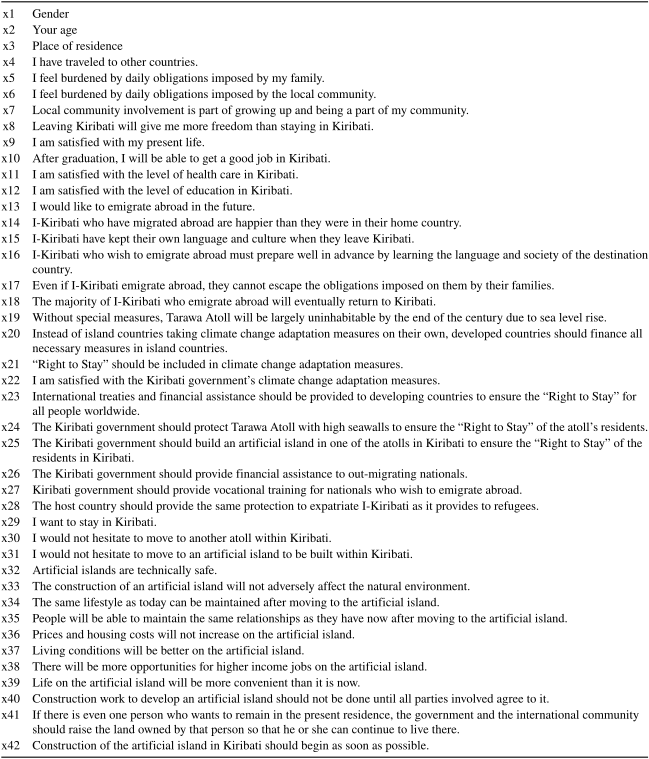
The questionnaire (shown in Appendix A) contained 42 items related to the respondents’ intention to move to an artificial island (to be built in the country) and their evaluation of living on an artificial island. The demographic data included gender (x1), age (x2), place of residence (x3), and international travel experience (x4). Respondents were asked to rate questions (given as statements) on a Likert scale, selecting one of the following options: “Strongly agree,” “Agree,” “Neutral or neither agree nor disagree,” “Disagree,” or “Strongly disagree.” These choices were then converted into numbers by giving 5 points for “Strongly agree,” 4 points for “Agree,” 3 points for “Neutral or neither agree nor disagree,” 2 points for “Disagree,” and 1 point for “Strongly disagree.”
Statistical analyses were conducted using the R software (version 4.4.0) with the following specialized packages: coin (for statistical tests), psych (for psychological and psychometric analyses), stringr (for string manipulation), and summarytools (for descriptive statistics and data summarization). Exploratory factor analysis was conducted using Python 3 with the factor-analyzer package.
It should be noted that the sample size of 85 respondents for exploratory factor analysis with 38 variables falls below the commonly recommended ratio of 5–10 cases per variable. While some methodologists suggest a minimum sample size of 100–200 for factor analysis, others argue that the adequacy of the sample size depends on the strength of factor loadings and communalities rather than absolute numbers alone. Given the exploratory nature of this study and the practical constraints of conducting research on a small island nation, we proceeded with our analysis while acknowledging these limitations. Therefore, the results should be interpreted as preliminary and require replication with larger sample sizes in future studies.
It should be noted that some survey items intentionally employ broad concepts without ex ante specification of precise meanings. For example, item x8 asks about “freedom” without defining whether it refers to economic freedom, political freedom, personal autonomy, or freedom from social obligations. This exploratory approach allowed respondents to interpret such concepts according to their own understanding. Consequently, the meaning of these terms is interpreted ex post based on the factor structure that emerges from the data. As will be discussed in the Results section, “freedom” (x8) loaded together with burden of social obligations (x5 and x6) on Factor 3, suggesting that in this dataset, respondents associated “freedom” primarily with release from family and community obligations rather than economic or political freedom per se. Readers should be aware of this interpretive approach when evaluating our findings.
4. Results and Discussion
4.1. Survey Demographics
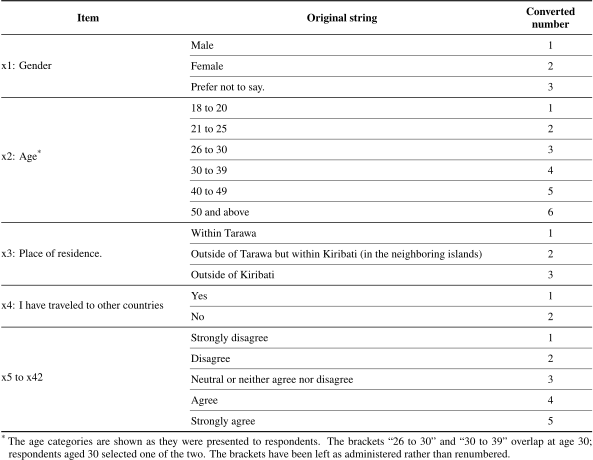
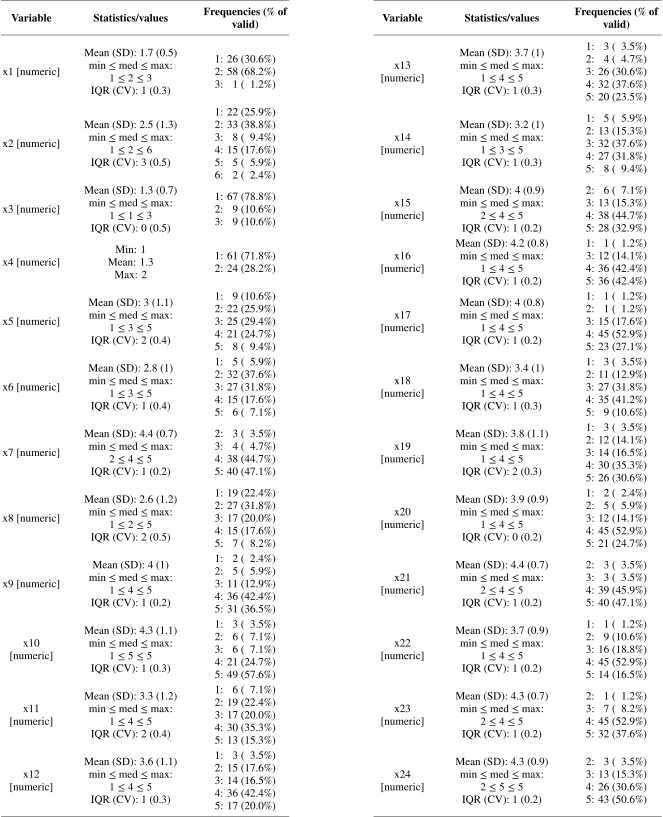
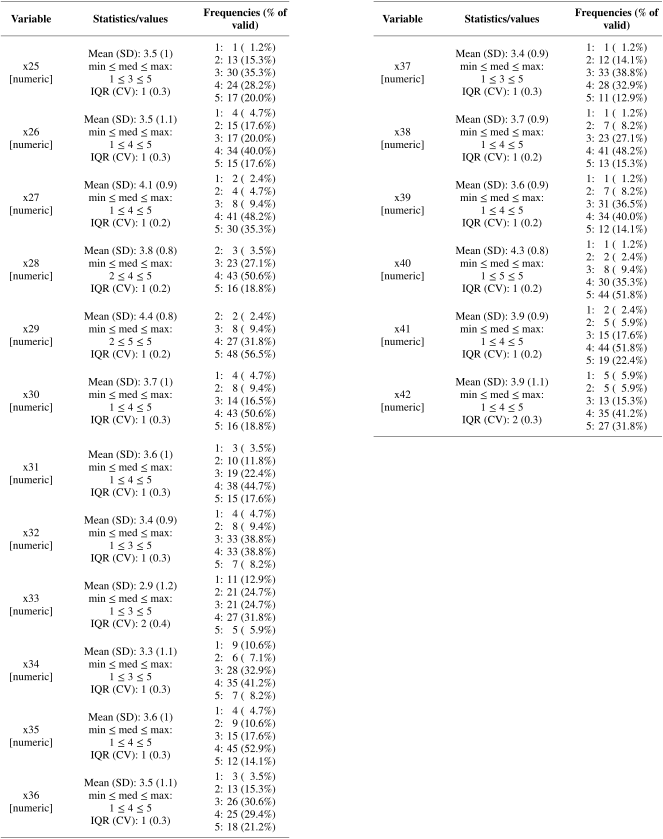
The survey included 85 valid responses from students at the USP Tarawa Campus. Appendix B presents the variable coding scheme for the survey data. Appendix C summarizes the variables and their statistics. The demographic profiles were as follows: Gender distribution showed 30.6% male, 68.2% female, and 1.2% preferred not to say. The age distribution indicated a predominantly young population, with 25.9% aged 18–20, 38.8% aged 21–25, 9.4% aged 26–30, 17.6% aged 30–39, 5.9% aged 40–49, and 2.4% aged 50 years and above. Regarding residence, 78.8% resided within Tarawa, 10.6% outside Tarawa but within Kiribati, and 10.6% outside Kiribati. International travel experience was relatively high, with 71.8% having traveled to other countries and 28.2% not having traveled abroad.
The following conclusions were drawn from the survey results. These findings provide a nuanced picture of the attitudes, concerns, and expectations of I-Kiribati university students regarding climate change. They highlight the complex interplay between environmental threats, cultural identity, economic factors, and governance issues. These findings can be valuable for policymakers, researchers, and community leaders in developing effective and culturally appropriate strategies for climate change adaptation and potential migration scenarios.
Source: Created by authors
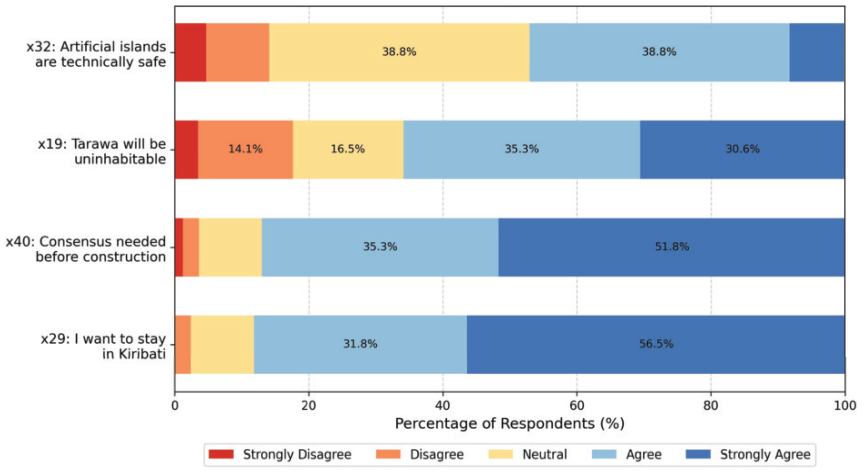
Fig. 1. Distribution of responses for key survey items related to climate adaptation attitudes.
Figure 1 presents the distribution of responses to key survey items related to climate adaptation attitudes. The stacked bar chart shows the responses to four items: x29 (desire to stay in Kiribati), x19 (perception of Tarawa becoming uninhabitable), x32 (technical safety of artificial islands), and x40 (importance of consensus before construction). These items were selected because they represent the core dimensions of attitudes toward artificial islands as a climate adaptation strategy.
4.2. Climate Change Awareness and Concern
Regarding statement x20 (“Instead of island countries taking measures on their own, developed countries should finance”), respondents showed high levels of concern: 24.7% strongly agreed, 52.9% agreed, 14.1% were neutral, 5.9% disagreed, and 2.4% strongly disagreed (mean \(=3.92\), SD \(=0.92\)). Overall, 77.6% of the respondents expressed agreement or strong agreement. This indicates a high level of climate change literacy and acute awareness of the existential threats posed to their homeland. The data suggest that students are well-informed about the potential long-term impacts of climate change on their islands, which can potentially influence their views on migration and adaptation strategies.
4.3. Attitudes Toward Emigration
A notable trend in the data is a moderate attitude toward future emigration. For statement x14 (“I-Kiribati who have migrated abroad are happier”), responses were: 9.4% strongly agreed, 31.8% agreed, 37.6% were neutral, 15.3% disagreed, and 5.9% strongly disagreed (mean \(=3.24\), SD \(=1.02\)). Overall, 41.2% of the participants indicated agreement or strong agreement. This suggests that a significant portion of the population considers relocation as a potential option for the future. This trend could be driven by a combination of factors including climate change concerns, economic opportunities, and educational prospects abroad. The results also indicate that regarding statement x15 (“I-Kiribati have kept their own language and culture when they leave Kiribati”), 32.9% strongly agreed, 44.7% agreed, 15.3% were neutral, 7.1% disagreed, and none strongly disagreed (mean \(=4.04\), SD \(=0.88\)), for a combined agreement of 77.6%. This confidence that language and culture can be retained abroad could be a motivating factor for the desire to emigrate.
4.4. Emigration and Livelihood
Factors other than life satisfaction and freedom may also influence the decision to migrate. While 21.2% of respondents strongly disagreed or disagreed with statement x14, that I-Kiribati who have migrated abroad are happier, regarding statement x8 (“Leaving Kiribati will give me more freedom than staying in Kiribati”), 8.2% strongly agreed, 17.6% agreed, 20.0% were neutral, 31.8% disagreed, and 22.4% strongly disagreed (mean \(=2.58\), SD \(=1.25\)), with 54.2% expressing disagreement or strong disagreement. This finding suggests that freedom is not perceived as a primary driver of emigration. For statement x9 (“I am satisfied with my present life”), 36.5% strongly agreed, 42.4% agreed, 12.9% were neutral, 5.9% disagreed, and 2.4% strongly disagreed (mean \(=4.05\), SD \(=0.97\)), indicating that most respondents (78.8%) express some level of satisfaction with their current lives in Kiribati.
Regarding statement x19 (“Without special measures, Tarawa Atoll will be uninhabitable”), 30.6% strongly agreed, 35.3% agreed, 16.5% were neutral, 14.1% disagreed, and 3.5% strongly disagreed (mean \(=3.75\), SD \(=1.14\)), with 65.9% expressing agreement or strong agreement. For statement x29 (“I want to stay in Kiribati”), 56.5% strongly agreed, 31.8% agreed, 9.4% were neutral, 2.4% disagreed, and none strongly disagreed (mean \(=4.42\), SD \(=0.76\)), with 88.2% expressing agreement or strong agreement, demonstrating a strong attachment to their homeland. These results indicate that, while some may seek opportunities abroad, many appear to be deeply connected to Kiribati and may prefer to stay if conditions permit. However, stated preferences do not necessarily predict future behavior, and longitudinal studies are required to confirm these interpretive inferences.
4.5. Cultural and Linguistic Preservation
For statement x17 (“Even if I-Kiribati emigrate, they cannot escape family obligations”), 27.1% strongly agreed, 52.9% agreed, 17.6% were neutral, 1.2% disagreed, and 1.2% strongly disagreed (mean \(=4.04\), SD \(=0.78\)), with 80.0% expressing agreement or strong agreement, indicating awareness of the challenges involved in maintaining cultural identity while adapting to new environments. This finding has important implications for diasporic communities and cultural preservation efforts in the context of climate-induced emigration.
4.6. Perceptions of Artificial Islands
For statement x32 (“Artificial islands are technically safe”), 8.2% strongly agreed, 38.8% agreed, 38.8% were neutral, 9.4% disagreed, and 4.7% strongly disagreed (mean \(=3.36\), SD \(=0.94\)), with 47.1% expressing agreement. Regarding statement x33 (“The construction of an artificial island will not adversely affect the natural environment”), only 5.9% strongly agreed, 31.8% agreed, 24.7% were neutral, 24.7% disagreed, and 12.9% strongly disagreed (mean \(=2.93\), SD \(=1.15\)), with 37.6% expressing agreement and 37.6% expressing disagreement.
Regarding economic factors: for x36 (“Prices and housing costs will not increase on the artificial island”), 21.2% strongly agreed, 29.4% agreed, 30.6% were neutral, 15.3% disagreed, and 3.5% strongly disagreed (mean \(=3.49\), SD \(=1.10\)); for x37 (“Living conditions will be better on the artificial island”), 12.9% strongly agreed, 32.9% agreed, 38.8% were neutral, 14.1% disagreed, and 1.2% strongly disagreed (mean \(=3.42\), SD \(=0.93\)); for x38 (“There will be more opportunities for higher-income jobs on the artificial island”), 15.3% strongly agreed, 48.2% agreed, 27.1% were neutral, 8.2% disagreed, and 1.2% strongly disagreed (mean \(=3.68\), SD \(=0.88\)); and for x39 (“Life on the artificial island will be more convenient than it is now”), 14.1% strongly agreed, 40.0% agreed, 36.5% were neutral, 8.2% disagreed, and 1.2% strongly disagreed (mean \(=3.58\), SD \(=0.88\)).
These divided responses suggest that more information and public discourse are required on this topic. These varied reactions also highlight the complexity of finding acceptable adaptation strategies that balance traditional ways of life with innovative solutions. Notably, for statement x40 (“Construction work to develop an artificial island should not be done until all parties involved agree to it”), 51.8% strongly agreed, 35.3% agreed, 9.4% were neutral, 2.4% disagreed, and 1.2% strongly disagreed (mean \(=4.34\), SD \(=0.84\)), with 87.1% expressing agreement or strong agreement, emphasizing the importance of community consensus in climate adaptation planning.
4.7. Expectations of the Government and the International Community
For statement x22 (“I am satisfied with the Kiribati government’s climate change adaptation measures”), 16.5% strongly agreed, 52.9% agreed, 18.8% were neutral, 10.6% disagreed, and 1.2% strongly disagreed (mean \(=3.73\), SD \(=0.90\)), with 69.4% expressing agreement. For statement x24 (“The Kiribati government should protect Tarawa Atoll with high seawalls”), 50.6% strongly agreed, 30.6% agreed, 15.3% were neutral, 3.5% disagreed, and none strongly disagreed (mean \(=4.28\), SD \(=0.85\)), with 81.2% expressing agreement.
Regarding specific government actions: for statement x23 (“International treaties and financial assistance should be provided to developing countries to ensure the “Right to Stay” for all people worldwide”), 37.6% strongly agreed, 52.9% agreed, 8.2% were neutral, 1.2% disagreed, and none strongly disagreed (mean \(=4.27\), SD \(=0.66\)), with 90.6% expressing support. For statement x27 (“Kiribati government should provide vocational training for nationals who wish to emigrate abroad”), 35.3% strongly agreed, 48.2% agreed, 9.4% were neutral, 4.7% disagreed, and 2.4% strongly disagreed (mean \(=4.09\), SD \(=0.92\)), with 83.5% expressing agreement. For statement x26 (“The Kiribati government should provide financial assistance to out-migrating nationals”), 17.6% strongly agreed, 40.0% agreed, 20.0% were neutral, 17.6% disagreed, and 4.7% strongly disagreed (mean \(=3.48\), SD \(=1.12\)), with 57.6% expressing support. These findings suggest a desire for proactive and comprehensive government policies and international cooperation to address climate challenges.
4.8. Satisfaction with Education and Healthcare
Responses regarding satisfaction with education and healthcare services in Kiribati were moderate to positive, with notable differences between the two domains.
For statement x12 (“I am satisfied with the level of education”), 20.0% strongly agreed, 42.4% agreed, 16.5% were neutral, 17.6% disagreed, and 3.5% strongly disagreed (mean \(=3.58\), SD \(=1.11\)), with 62.4% expressing agreement or strong agreement. In contrast, satisfaction with health care was lower. For statement x11 (“I am satisfied with the level of health care”), 15.3% strongly agreed, 35.3% agreed, 20.0% were neutral, 22.4% disagreed, and 7.1% strongly disagreed (mean \(=3.29\), SD \(=1.18\)), with 50.6% expressing agreement or strong agreement.
The higher satisfaction rate with education compared to healthcare may reflect the respondents’ direct experiences as university students who have successfully accessed higher education opportunities. However, the fact that nearly 30% of the respondents expressed dissatisfaction with healthcare services suggests significant concerns about the accessibility or quality of medical care in Kiribati. The disparity between education and healthcare satisfaction warrants the attention of policymakers.
From a climate-adaptation perspective, both education and healthcare have important implications. Higher satisfaction with domestic services may reduce emigration motivation among young I-Kiribati, as they perceive adequate opportunities for personal development and well-being in their homeland. Conversely, those dissatisfied with essential services may be more inclined to seek opportunities abroad. Furthermore, well-functioning education and healthcare systems are essential for building the local capacity to implement and manage climate adaptation measures. Education provides the technical skills and knowledge necessary for infrastructure projects, such as artificial island construction. Meanwhile, robust healthcare services ensure community resilience in the face of climate-related health risks, such as waterborne diseases and heat stress.
If artificial islands are developed in Kiribati, the Maldives’ experience with Hulhumalé suggests that high-quality education and healthcare facilities are crucial in attracting and retaining residents. The moderate satisfaction levels observed in this survey indicate that improvements in these sectors should be prioritized, along with physical infrastructure development, to ensure the long-term success of climate adaptation strategies.
4.9. Community and Family Obligations
The survey revealed complex attitudes toward community involvement and family obligations. For statement x7 (“Local community involvement is part of growing up and being a part of my community”), 47.1% strongly agreed, 44.7% agreed, 4.7% were neutral, 3.5% disagreed, and none strongly disagreed (mean \(=4.35\), SD \(=0.74\)), with 91.8% expressing agreement. However, their feelings regarding the burden of daily obligations were mixed. For statement x5 (“I feel burdened by daily obligations imposed by my family”), 9.4% strongly agreed, 24.7% agreed, 29.4% were neutral, 25.9% disagreed, and 10.6% strongly disagreed (mean \(=2.96\), SD \(=1.15\)), with 34.1% expressing agreement. For statement x6 (“I feel burdened by daily obligations imposed by the local community”), 7.1% strongly agreed, 17.6% agreed, 31.8% were neutral, 37.6% disagreed, and 5.9% strongly disagreed (mean \(=2.82\), SD \(=1.03\)), with 24.7% expressing agreement. This suggests that while community involvement is valued, some respondents appear to experience tension between traditional communal values and individual aspirations. For statement x18 (“The majority of I-Kiribati will eventually return”), 10.6% strongly agreed, 41.2% agreed, 31.8% were neutral, 12.9% disagreed, and 3.5% strongly disagreed (mean \(=3.42\), SD \(=0.97\)), with 51.8% expressing agreement, highlighting the enduring nature of family ties across geographical distances.
4.10. Economic Prospects and Job Opportunities
Respondents showed notably positive views regarding employment opportunities in Kiribati. For statement x10 (“After graduation, I will be able to get a good job in Kiribati”), 57.6% strongly agreed, 24.7% agreed, 7.1% were neutral, 7.1% disagreed, and 3.5% strongly disagreed (mean \(=4.26\), SD \(=1.09\)), with 82.4% expressing agreement or strong agreement.
These results indicate a high level of satisfaction with employment opportunities among university students, which is a significant finding given that employment prospects are often a key factor in migration decisions. This positive perception may reflect respondents’ optimism about their future career prospects as university graduates, who typically have better employment opportunities than the general population. The factor analysis results support the importance of this variable, as x10 loaded on Factor 2 (Current Life Satisfaction in Kiribati), along with satisfaction with education (x12), healthcare (x11), and government climate policies (x22), indicating that employment satisfaction is part of a broader positive assessment of current living conditions.
High satisfaction with employment opportunities has important implications for climate-adaptation policies. If young I-Kiribati perceive favorable economic prospects at home, they may be more inclined to exercise their “right to stay” rather than pursue emigration. This finding aligns with the strong desire to remain in Kiribati observed elsewhere in the survey (88.2% agreement with x29). Furthermore, the development of artificial islands could create additional employment opportunities in the construction, infrastructure maintenance, and service sectors, which may further enhance the attractiveness of staying in Kiribati. These results suggest that continued investment in economic development and job creation should be considered integral components of comprehensive climate adaptation planning.
4.11. Factor Structure of Attitudes Toward Climate Adaptation
To identify the underlying dimensions of attitudes toward climate change adaptation, we conducted exploratory factor analysis (EFA) of 38 survey items (x5–x42). The analysis employed the principal axis factoring method with Promax rotation, which allows for correlations between the factors.
The Kaiser–Meyer–Olkin (KMO) measure of sampling adequacy was 0.622, which falls within the “mediocre” to “adequate” range according to Kaiser’s classification criteria. Although this value exceeded the minimum acceptable threshold of 0.50, it suggests that the factor solution should be interpreted with caution. Bartlett’s test of sphericity was highly significant (\(\chi^2=1479.49\), \(p<0.001\)), confirming that variables were sufficiently correlated for factor analysis. Given the small sample size (\(n=85\)) relative to the number of variables (\(n=38\)), we focused our interpretation on factors with strong loadings (\(>\vert 0.40\vert\)) and clear conceptual coherence, treating the results as exploratory rather than confirmatory.
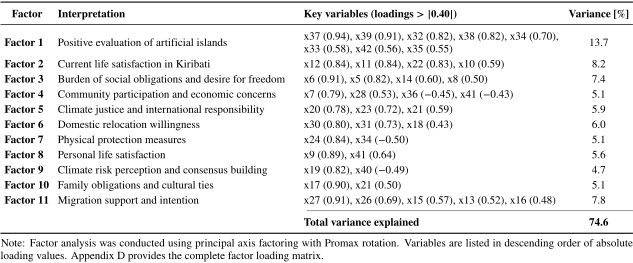
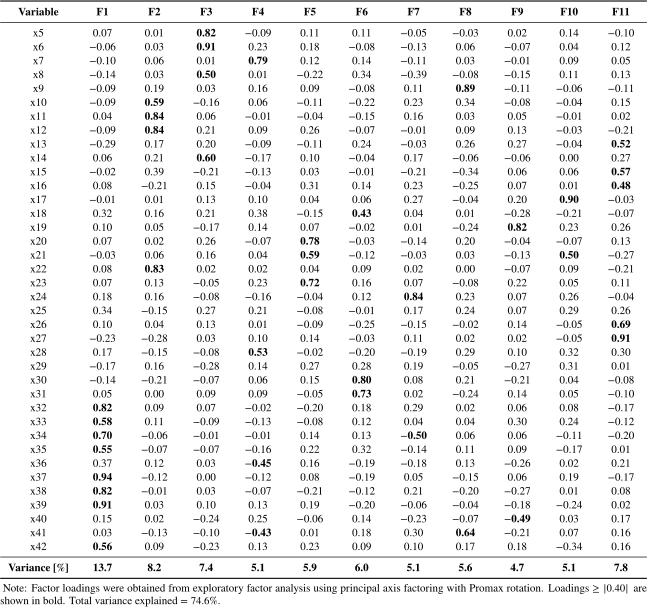
Eleven factors were extracted based on the Kaiser criterion (eigenvalues greater than 1.0), which explained 74.6% of the total variance. The scree plot also supports this solution. Table 1 presents the factor loadings for items with loadings greater than \(\vert 0.40\vert\) on each factor, along with the variance explained by each factor.
Table 1. Factor loadings for the 11-factor solution (loadings \(>\vert 0.40\vert\), values rounded to two decimal places).
Source: Created by authors
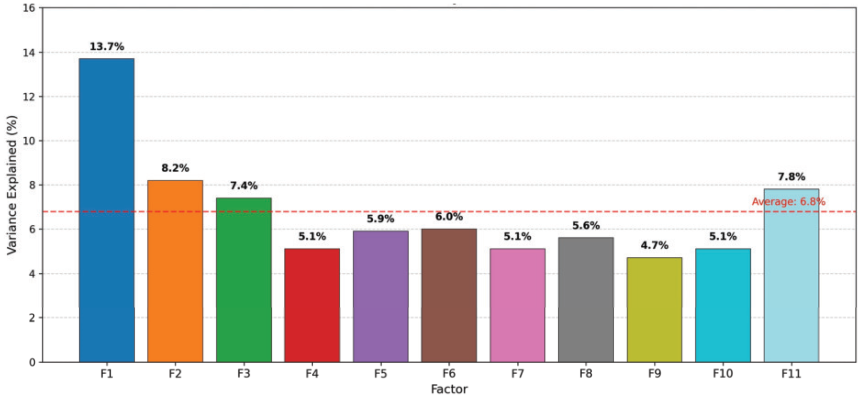
Fig. 2. Variance explained by each factor extracted from exploratory factor analysis.
Figure 2 shows the variance explained by each of the 11 factors extracted from the exploratory factor analysis. This visualization facilitates an understanding of the relative importance of different attitudinal dimensions. Factor 1 (Positive Evaluation of Artificial Islands) explained the largest proportion of the variance (13.7%), followed by Factor 2 (Current Life Satisfaction in Kiribati, 8.2%) and Factor 3 (Burden of Social Obligations and Desire for Freedom, 7.4%).
The 11 factors can be interpreted as follows.
Factor 1: Positive Evaluation of Artificial Islands (eight variables, 13.7% variance). This factor reflects comprehensive positive attitudes toward artificial islands, including better living conditions (x37), convenience (x39), technical safety (x32), economic opportunities (x38), lifestyle continuity (x34), environmental considerations (x33), urgency of construction (x42), and social relationship maintenance (x35). This factor represents the most significant dimension of attitudes toward climate adaptation, suggesting that artificial islands are generally viewed as a promising adaptation strategy.
Factor 2: Current Life Satisfaction in Kiribati (four variables, 8.2% variance). This factor encompasses satisfaction with education (x12), healthcare (x11), governmental climate policies (x22), and employment prospects (x10). Higher scores on this factor may indicate lower motivation for relocation or emigration, as respondents who are satisfied with their current conditions may prefer to remain in their homeland.
Factor 3: Burden of Social Obligations and Desire for Freedom (four variables, 7.4% variance). This factor reflects the burden of community (x6) and family obligations (x5), the perception that emigrants are happier (x14), and the belief that emigration offers greater freedom (x8). This dimension suggests that migration may serve not only as climate adaptation but also as a means of pursuing individual autonomy from traditional social structures.
Factor 4: Community Participation and Economic Concerns (four variables, 5.1% variance). This factor combines positive attitudes toward community involvement (x7) and trust in neighbors (x28) with concerns about life on artificial islands, reflected in negative loadings for expectations about prices and housing costs (x36) and willingness to live on artificial islands (x41). This suggests that respondents who value traditional community participation may have reservations about relocating to new artificial environments.
Factor 5: Climate Justice and International Responsibility (three variables, 5.9% variance). This factor represents beliefs about developed countries’ responsibility for financing adaptation measures (x20), international treaties and financial assistance for the “Right to Stay” (x23), and developed countries’ moral obligation (x21). This dimension reflects awareness of global climate justice issues and expectations of international support.
Factor 6: Domestic Relocation Willingness (three variables, 6.0% variance). This factor reflects willingness to relocate within Kiribati, including moving to another atoll (x30) or an artificial island (x31), and the belief that emigrants will eventually return (x18). This suggests that some respondents view domestic relocation as a viable adaptation strategy while maintaining connections to their homeland.
Factor 7: Physical Protection Measures (two variables, 5.1% variance). This factor primarily reflects support for protecting Tarawa Atoll with high seawalls (x24), with a negative loading for lifestyle continuity on artificial islands (x34). This suggests that some respondents prefer protective infrastructure investments over relocation to artificial islands.
Factor 8: Personal Life Satisfaction (two variables, 5.6% variance). This factor reflects satisfaction with one’s present life (x9) and willingness to live on an artificial island (x41). This indicates that personal contentment may be associated with openness to new living arrangements, possibly because satisfied individuals feel more confident in adapting to change.
Factor 9: Climate Risk Perception and Consensus Building (two variables, 4.7% variance). This factor combines the awareness that Tarawa will become uninhabitable without special measures (x19) with a negative loading for requiring consensus before construction (x40). This suggests that respondents with higher climate risk perception may prioritize urgent action over prolonged consensus-building processes.
Factor 10: Family Obligations and Cultural Ties (two variables, 5.1% variance). This factor reflects the persistence of family obligations even after emigration (x17) and developed countries’ moral obligation to support adaptation (x21). This represents the intersection of cultural values with climate justice, indicating that family ties remain important, regardless of migration decisions.
Factor 11: Migration Support and Intention (five variables, 7.8% variance). This factor combines support for government-sponsored vocational training (x27) and financial assistance (x26) for emigrants, beliefs about cultural preservation abroad (x15), personal emigration intention (x13), and family priorities (x16). This represents attitudes toward planned dignity-preserving migration as an adaptation strategy, emphasizing the importance of government support for those who choose to emigrate.
These eleven factors can be grouped into four major attitudinal dimensions:
-
(1)
Adaptation Strategy Preference (Factors 1, 6, and 7): preferences regarding different climate adaptation approaches, including artificial islands, domestic relocation, and physical protection measures. These factors collectively explain 24.8% of the variance and represent the diverse ways in which respondents envision addressing climate change impacts.
-
(2)
Migration Attitude (Factors 3 and 11): perceptions of international migration as both a means of personal liberation from social obligations and a planned adaptation strategy requiring government support. These factors explain 15.2% of the variance.
-
(3)
Current Situation Evaluation (Factors 2, 4, and 8): assessment of current living conditions, services, community relationships, and personal satisfaction in Kiribati. These factors explain 18.9% of the variance and influence the baseline from which adaptation decisions were made.
-
(4)
Rights and Responsibility Recognition (Factors 5, 9, and 10): understanding climate justice, international responsibility, risk perception, and cultural obligations. These factors explain 15.7% of the variance and reflect the broader ethical and cultural contexts in which adaptation decisions occur.
This factor structure reveals that attitudes toward climate adaptation in Kiribati are not simply dichotomous (stay versus migrate) but rather multidimensional and complex. These findings suggest that effective climate adaptation policy should provide multiple options that respect diverse values and needs, including artificial island construction, planned migration programs, physical protection measures, and support for those who wish to remain. The strong positive evaluation of artificial islands (Factor 1) indicates general support for this adaptation strategy, whereas the presence of factors related to domestic adaptation and international migration suggests that residents desire a portfolio of adaptation options rather than a single solution.
These factor analysis results should be interpreted with caution owing to the methodological limitations. The ratio of sample size to variables (approximately \(2.2:1\)) was below the conventional recommendation of \(5:1\) or higher, which may have affected the stability of the factor solution. Additionally, the moderate KMO value (0.622) suggests that some variables may not share sufficient variance. Despite these limitations, the extracted factors demonstrate conceptual coherence and align with theoretical expectations based on previous research on atoll nations. The strong factor loadings observed for the key variables (many exceeding 0.60) provided confidence in the interpretability of the solution. Nevertheless, these findings should be considered preliminary and hypothesis-generating rather than definitive, pending replication with larger and more representative samples.
5. Conclusion
This study employed an exploratory factor analysis to examine the underlying dimensions of attitudes toward climate change adaptation among university students in Kiribati. The analysis revealed that attitudes are not simply dichotomous (stay versus migrate) but rather multidimensional and complex, comprising 11 distinct factors that explain 74.6% of the total variance. These factors can be grouped into four major attitudinal dimensions: (1) Adaptation Strategy Preference, including a positive evaluation of artificial islands, domestic relocation willingness, and physical protection measures; (2) Migration Attitude, encompassing both planned international migration and liberation from social obligations; (3) Current Situation Evaluation, reflecting satisfaction with living conditions and services; and (4) Rights and Responsibility Recognition, concerning climate justice and the “right to stay.”
Notably, Factor 1 (Positive Evaluation of Artificial Islands) emerged as the most significant dimension, accounting for 13.7% of the variance and encompassing eight variables related to technical safety, living conditions, economic opportunities, convenience, lifestyle continuity, environmental considerations, urgency of construction, and social relationship maintenance. This strong positive evaluation indicates general support for artificial islands as a climate adaptation strategy. However, the presence of multiple factors related to domestic adaptation and international migration suggests that residents desire a portfolio of adaptation options rather than a single solution.
These findings underscore the complexity of attitudes toward climate adaptation in Kiribati. The survey revealed that artificial islands intersect considerably with the widely supported “right to stay,” offering a means to preserve Kiribati’s sovereignty and cultural continuity in the face of rising sea levels. As identified in previous research on the Marshall Islands 1, the effectiveness of artificial islands in preserving the “right to stay” depends on several factors: adequate scale and capacity to accommodate threatened populations; long-term habitability and infrastructure support; cultural appropriateness and preservation of traditional practices; environmental sustainability and climate resilience; and international legal recognition.
While showing promise, artificial islands should be part of a broader, multifaceted approach to climate change adaptation. The survey results indicate strong student support for other measures, including international financial assistance, vocational training, and diplomatic efforts, to secure the rights of I-Kiribati abroad. Key lessons can be learned from the Maldives’ experience with Hulhumalé. Recent research in the Maldives has shown that regions with well-developed infrastructure and services act as powerful magnets for migration despite higher costs of living. People are particularly drawn to areas offering high-quality education and robust healthcare systems, considering these essential services to be worth the premium living costs 9. Additionally, an emerging factor in migration decisions is the area’s resilience to climate change impacts, which reflects growing environmental concerns 9.
These preferences and priorities provide valuable guidance for planning artificial islands in Kiribati—suggesting that investing in strong public services and climate-adaptive infrastructure could be crucial for attracting and retaining residents, even if development costs result in higher living expenses. Research on Hulhumalé has shown that comprehensive social development is necessary to successfully integrate diverse populations of migrants 10. This suggests that providing housing alone is insufficient, and successful artificial-island development requires attention to employment opportunities, education, healthcare, and community integration.
From a climate adaptation perspective, employment opportunities, education, healthcare, and community integration are not merely quality-of-life factors but are fundamentally interconnected with climate change adaptation outcomes. Climate change threatens livelihoods, disrupts educational continuity, exacerbates health risks, and strains community bonds. Conversely, strengthening these sectors builds adaptive capacity; robust employment reduces economic vulnerability to climate shocks, quality education equips populations with skills for implementing adaptation measures, accessible healthcare addresses climate-related health impacts, and strong community integration facilitates collective action and social resilience. Thus, investments in these areas represent both an end goal and a means of enhancing the effectiveness of climate adaptation.
The development of artificial islands should complement, not replace, efforts to preserve existing islands and mitigate climate change. Their effectiveness depends on careful planning, substantial resources, and integration with other strategies. As captured in this survey, the perspectives of young I-Kiribati should play a crucial role in shaping these efforts.
The high proportion of neutral responses suggests that many students are uncertain about the safety and environmental impact of artificial islands. This uncertainty highlights the need for more information and public discourse on the topic.
This study has several limitations. First, although the survey provides valuable insights into the attitudes of university students, the results may not fully represent the broader Kiribati population. Second, the sample size of 85 respondents, while adequate for descriptive analysis, is relatively small for exploratory factor analysis with 38 variables. Therefore, the factor structure identified in this study should be considered preliminary and requires validation with larger samples. Third, a moderate KMO value (0.622) suggests that the factor solution may not be fully stable. Future studies should aim for larger probability-based samples (ideally exceeding 200 respondents) to enhance both the generalizability of the descriptive findings and the robustness of the multivariate analyses.
Further research is required to assess the feasibility and impact of artificial islands in Kiribati. The international community plays a crucial role in supporting ambitious adaptation measures, particularly through financial assistance and technical expertise.
In conclusion, preserving the “right to stay” for the I-Kiribati people in the face of climate change requires innovative thinking, substantial resources, and strong international cooperation. Although challenging, the concept of artificial islands represents a potential pathway toward this goal, which merits further exploration and debate.
Appendix A. Questions Applied for Survey
Appendix B. Variable Coding Scheme for Survey Data
Appendix C. Summary of Variables and Statistics
Appendix D. Complete Factor Loading Matrix
Acknowledgments
This study was supported by the Global Infrastructure Fund Research Foundation Japan, JSPS Bilateral Program (Grant Number JPJSBP120249945), and JSPS KAKENHI (Grant Number 24K03174).
- [1] M. Nakayama, J. Seru, C. Vila, M. Bilimon, R. Fujikura, A. Sakamoto, and M. Sato, “Artificial island construction as an instrument for the right to stay: Case of the Marshall Islands,” J. Disaster Res., Vol.20, No.1, pp. 44-52, 2025. https://doi.org/10.20965/jdr.2025.p0044
- [2] PSM News, “Total population of the Maldives recorded at over 500,000,” March 31, 2023. https://psmnews.mv/en/118961 [Accessed January 23, 2025]
- [3] The Maldives Journal, “Malé area population on the rise: Census reveals increase in residents,” April 1, 2023. https://themaldivesjournal.com/48882 [Accessed January 23, 2025]
- [4] Avas, “Hulhumalé population at 92,000,” July 16, 2024. https://avas.mv/en/120130 [Accessed January 23, 2025]
- [5] D. Cubie, “In-situ adaptation: Non-migration as a coping strategy for vulnerable persons,” D. Manou, A. Baldwin, D. Cubie, A. Mihr, and T. Thorp (Eds.), “Climate change, migration and human rights,” pp. 99-114, Routledge, 2017.
- [6] M. Nakayama, R. Fujikura, R. Okuda, M. Fujii, R. Takashima, T. Murakawa, E. Sakai, and H. Iwama, “Alternatives for the Marshall Islands to cope with the anticipated sea level rise by climate change,” J. Disaster Res., Vol.17, No.3, pp. 315-326, 2022. https://doi.org/10.20965/jdr.2022.p0315
- [7] A. Sakamoto, K. Nishiya, X. Guo, A. Sugimoto, W. Nagasaki, and K. Doi, “Mitigating impacts of climate change induced sea level rise by infrastructure development: Case of the Maldives,” J. Disaster Res., Vol.17, No.3, pp. 327-334, 2022. https://doi.org/10.20965/jdr.2022.p0327
- [8] D. Sasaki, K. Nishiya, X. Guo, A. Sugimoto, W. Nagasaki, and K. Doi, “Facilitating the smooth migration of inhabitants of atoll countries to artificial islands: Case of the Maldives,” Sustainability, Vol.16, No.11, Article No.4582, 2024. https://doi.org/10.3390/su16114582
- [9] M. Maekawa, R. A. Raheem, A. Khalid, A. Sakamoto, M. Nakayama, D. Sasaki, and H. Okaniwa, “Motivations and life satisfaction on voluntary migration to Hulhumalé,” J. Disaster Res., Vol.20, No.1, pp. 25-36, 2025. https://doi.org/10.20965/jdr.2025.p0025
- [10] A. Sakamoto, M. Maekawa, A. Aslam, A. Laila, K. Kikuchi, T. Kaku, K. Kataoka, M. Matsuda, K. Taiko, and M. Nakayama, “Life satisfaction and migration motivations of the residents of Hulhumalé from Malé and other atolls,” J. Disaster Res., Vol.20, No.1, pp. 15-24, 2025. https://doi.org/10.20965/jdr.2025.p0015
This article is published under a Creative Commons Attribution-NoDerivatives 4.0 Internationa License.