
Paper:
Examination of Continuation Factors of Regional Disaster Prevention Activities
Keisuke Hinoda*,†
 and Kensuke Takenouchi**
*Graduate School of Science for Creative Emergence, Kagawa University
2217-20 Hayashi-cho, Takamatsu, Kagawa 761-0396, Japan
†Corresponding author
**Faculty of Engineering and Design, Kagawa University
Takamatsu, Japan

As disasters become increasingly frequent and severe, sustaining community-based disaster prevention faces challenges such as personnel shortages and an aging population. This study examined disaster prevention activities in the Tsuruuchi Community of Takamatsu City, Japan, where such efforts have been maintained for over 10 years. Nine members of the Disaster Prevention Committee were interviewed using a semi-structured approach, and the data were analyzed with the steps for coding and theorization (SCAT) to explore participants’ thoughts, behaviors, and influencing factors utilizing a novel approach integrating both individual and community perspectives. At the individual level, positive reinterpretation of challenges and intrinsic redefinition of the meaning of activities were found to support ongoing engagement in disaster prevention. At the community level, the open structure of the Disaster Prevention Committee led to collaboration among diverse stakeholders and feedback on activities, while psychological safety allowed for the free expression of opinions and trial-and-error, contributing to the formation of participants’ intrinsic motivation. Furthermore, factors including the involvement of local government and social momentum influenced participation. These findings suggest that sustaining community-based disaster prevention activities may require fostering meaning-making, facilitating participants’ internal reinterpretation of motivations, and developing supportive policies that consider both individual and community dynamics.
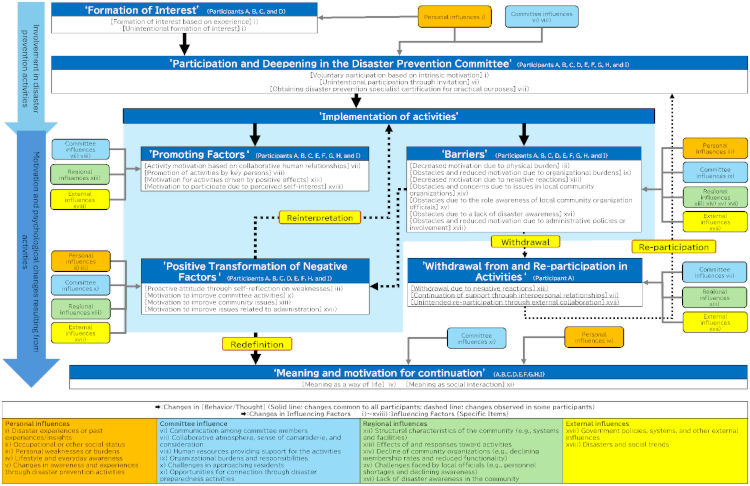
Model of continuous community DRR activities
1. Introduction
1.1. Research Background
Regional communities play an important role in disaster prevention. For example, during the Great East Japan Earthquake, the paralysis of administrative functions owing to the loss of local government officials highlighted the “limits of public assistance” and the importance of self-help and mutual aid 1. Combining this background information with the intensification and frequency of disasters will increase the importance of community disaster prevention activities. At the same time, the literature reports that issues can hinder the availability and sustainability of community or mutual aid, such as personnel shortages, an aging population nationwide, and the stagnation of local community organization members 2. As local community organizations comprise diverse stakeholders, individual perceptions and motivations regarding activity engagement could vary, even for a single activity. Therefore, considering the perspectives of both the community and its members is necessary to ensure the continuity of disaster prevention activities. This study aimed to clarify the thoughts, behaviors, and factors influencing disaster prevention activities through interviews conducted with residents of Tsuruuchi Community of Takamatsu City, Kagawa Prefecture, Japan. This community has been engaged in continuous disaster prevention activities for over 10 years. This study examines the factors contributing to the continuity of disaster prevention activities from two perspectives: 1) the individual perspective, focusing on participants’ thoughts and behaviors, and 2) the community perspective, examining the environmental and social conditions of the Disaster Prevention Committee and Tsuruuchi Community.
1.2. Previous Studies
Previous studies have examined the characteristics and behavioral intentions of individuals and organizations involved in community disaster prevention activities.
First, at the individual level, factors related to activity participation and continuity are summarized. The reported characteristics of participants in community disaster prevention activities include disaster risk perception and crisis awareness 3,4, as well as social networks, community connections, and a sense of belonging 3,5,6. Behavioral intentions have also been linked to subjective norms and cost-benefit perceptions 7, along with social and community considerations 8. Conversely, barriers to participation include weak social networks 9, time constraints, and participation burdens 10. Factors promoting continuity include the desire to maintain community ties 11 and the absence of a sense of obligation toward activities 12.
Next, at the community level, factors contributing to the activation and sustainability of disaster prevention activities are summarized. Active community initiatives, strong local connections 13, presence of leaders and key members 13,14, and community social capital 15 have been reported to support disaster prevention activities. Moreover, activities involving younger generations and efforts to enhance children’s self-affirmation 16 have been suggested as contributing to sustainability. Existing studies have often focused on either individual- or community-level factors that influence the continuation of disaster prevention activities; few have integrated both levels to clarify the mechanisms underlying sustained participation. Studies examining communities with over 10 years of continuous diverse disaster prevention activities remain particularly limited.
This study presents a novel approach for addressing this research gap by examining the factors that contribute to the continuation of disaster prevention activities through a multilayered analysis of individual- and community-level processes. Focusing on the Tsuruuchi Community, which has maintained disaster prevention activities for more than 10 years despite widespread concerns about declining participation, this study provides evidence on how individual cognitive processes and community-level conditions interact to sustain long-term engagement.
2. Methods
2.1. Objectives
This study organizes thoughts, behaviors, and influencing factors related to community disaster prevention activities using steps for coding and theorization (SCAT) 17. Additionally, we examine the factors associated with the continuation of community disaster prevention activities from the perspectives of individuals and the community.
2.2. Study Area and Disaster Prevention Organization
The Tsuruuchi Community is located in the western part of Takamatsu City, spanning approximately 6 km from north to south and 1.5 km from east to west. As of March 2025, it comprises Goto-cho, Tsuruichi-cho, and Iida-cho, featuring a total population of 5,302 households and 10,469 people (as of March 2025), and 22 neighborhood associations with an association membership rate of approximately 36%.
2.2.1. Disaster Risks
The Tsuruuchi Community is bordered by the Seto Inland Sea to the north and is sandwiched between two second-class rivers, the Koto and Honzu Rivers, running from east to west. Regarding flood risk (based on the maximum expected rainfall), the entire area is at risk of flooding, with a maximum flood depth of 3 m 18. Additionally, in the event of a Nankai Trough earthquake (maximum magnitude), the entire area is expected to experience a seismic intensity of 6, with tsunami heights of 2.5 m and flood depths of 0.5 to 3 m in Goto-cho 18.
2.2.2. Tsuruuchi Community Council and the Disaster Prevention Committee
The Tsuruuchi Community Council was established in 2004 to address local issues. Within this council, the Disaster Prevention Committee operates under the theme of “building a disaster-resilient and safe community.” Members are not limited to specific local organizations and include residents from neighborhood associations, volunteer disaster prevention groups, welfare committee members, PTA members, police, fire departments, local businesses, and residents who are not affiliated with neighborhood associations. When there are no disasters, the committee holds regular meetings, promotes disaster-prevention knowledge, reviews disaster-prevention plans, manages emergency supplies, assists in the publication of disaster-prevention newsletters and plans, and conducts disaster drills. In the event of a disaster, the group collaborates with local government officials to establish and operate disaster response headquarters and evacuation centers, collect information, and conduct rescue operations. In the fiscal year 2024, disaster prevention committee members served as instructors for study sessions using the region’s unique “hazard maps” and disaster education programs at elementary schools. Internal training sessions for members were also conducted.
2.3. Data Collection and Analysis
2.3.1. Survey
An interview survey was conducted in September 2024 with nine members of the Disaster Prevention Committee (seven men and two women) using a semi-structured interview method. The interviews focused on the reasons for participating in the activities, activity content, thoughts gained, and behaviors performed through the activities. After the participants provided informed consent, interviews were recorded and transcribed.
Survey participants were selected through the community council, where the survey objectives were explained and participants were informed that their cooperation was voluntary. At the time of the interview, all participants received explanations of the study purpose and data handling and were assured that no adverse consequences would arise from their responses. The survey was conducted by the author, who is involved in disaster prevention activities in the Tsuruuchi Community, understands the activities and local conditions, and has no conflicts of interest or biased relationships with the community.
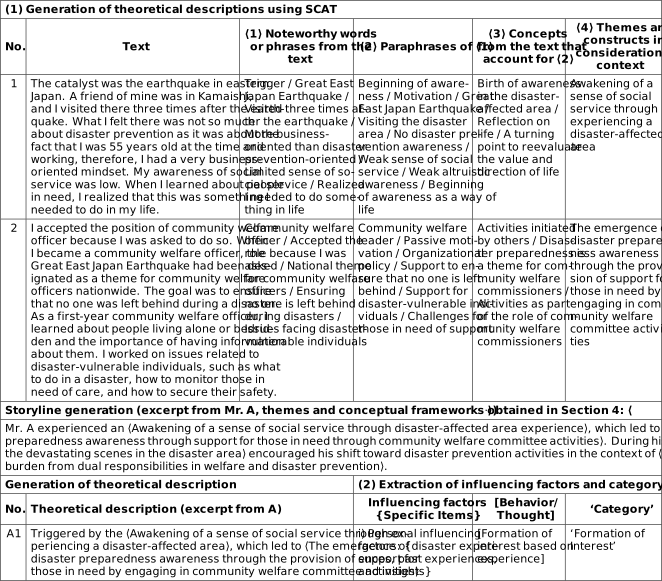
Table 1. Generation of theoretical descriptions using SCAT.
2.3.2. Analysis
This study used SCAT for qualitative analysis 16. It involves four coding stages that decontextualize the superficial context of the text, extract conceptual elements, and recontextualize them to generate storylines and theoretical descriptions. Here, the term “theory” refers not to a general theory but to what can be said about the data. After generating the theoretical descriptions, the author reviewed the content and extracted factors considered particularly influential (hereinafter, “influencing factors”). Additionally, labels were assigned to represent participants’ behaviors and thoughts. Based on this, processes leading to the formation of interest in disaster prevention, participation in the Disaster Prevention Committee, practical actions, and continued involvement were organized for each participant.
A relationship diagram was created to illustrate the thoughts, behaviors, and factors influencing disaster-prevention activities. In this paper, labels for behaviors and thoughts are denoted by [ \(\cdot\) ], categories by ‘ \(\cdot\) ,’ and specific influencing factors by { \(\cdot\) }. Table 1 presents a portion of Mr. A’s data and explains the analytical procedure.
2.3.2.1. Generate Theoretical Descriptions Using SCAT
We describe the SCAT procedures 17 in Table 1. First, we extracted phrases related to the research objective from the transcriptions and recorded them in ⟨1⟩ noteworthy words or phrases from the text (“Generation of theoretical descriptions using SCAT” in Table 1). Second, we replaced the extracted phrases with expressions not found in the text and entered them in ⟨2⟩ paraphrases of ⟨1⟩. We then entered external concepts that explain the background or influences of the phrases in ⟨3⟩ concepts from the text that account for ⟨2⟩, and performed contextual checks.
2.3.2.2. Conduct Discussions
Based on the data extracted, we filled in the themes and conceptual frameworks in ⟨4⟩ themes, and constructs in consideration of context. Next, we created a story line by interconnecting the themes and constructs in ⟨4⟩ (“Storyline generation” in Table 1).
Finally, we extracted elements related to the research objectives, added the author’s supplementary notes, and generated theoretical descriptions (“Generation of theoretical description” in Table 1).
2.3.2.3. Extraction of the Influencing Factors and Category Classification
Next, the author confirmed the theoretical descriptions and extracted the influencing factors of behaviors and thoughts (“Extraction of influencing factors and category classification” in Table 1). These were categorized into personal influences (influences related to survey participants), committee influences (influences related to the Disaster Prevention Committee), regional influences (influences from other regional organizations or residents), and external influences (influences from outside the region, such as government involvement or social trends), with specific items listed in brackets. For multiple factors, the most influential factor was identified, and they were listed together if equally influential.
Additionally, [Behavior/Thought] was categorized by organizing factors related to the process of involvement in the Disaster Prevention Committee and to its continuation, as well as factors related to activities.
2.3.2.4. Creation of a Relationship Diagram
We integrated the changes in categories and [Behavior/Thought] and the relationships between influencing factors to create a relationship diagram of [Behavior/Thought]. Qualitative analyses preclude the complete elimination of the analyst’s subjectiveness, yet it is important to clarify the analyst’s positionality and its potential influences. The analyst had been involved in community disaster prevention activities for approximately five years at the time of this study, and had engaged in practical discussions with residents and administrative officials as a researcher. The analyst began participating in activities in the Tsuruuchi Community in fiscal year 2024 and had a good understanding of the local situation.
3. Results
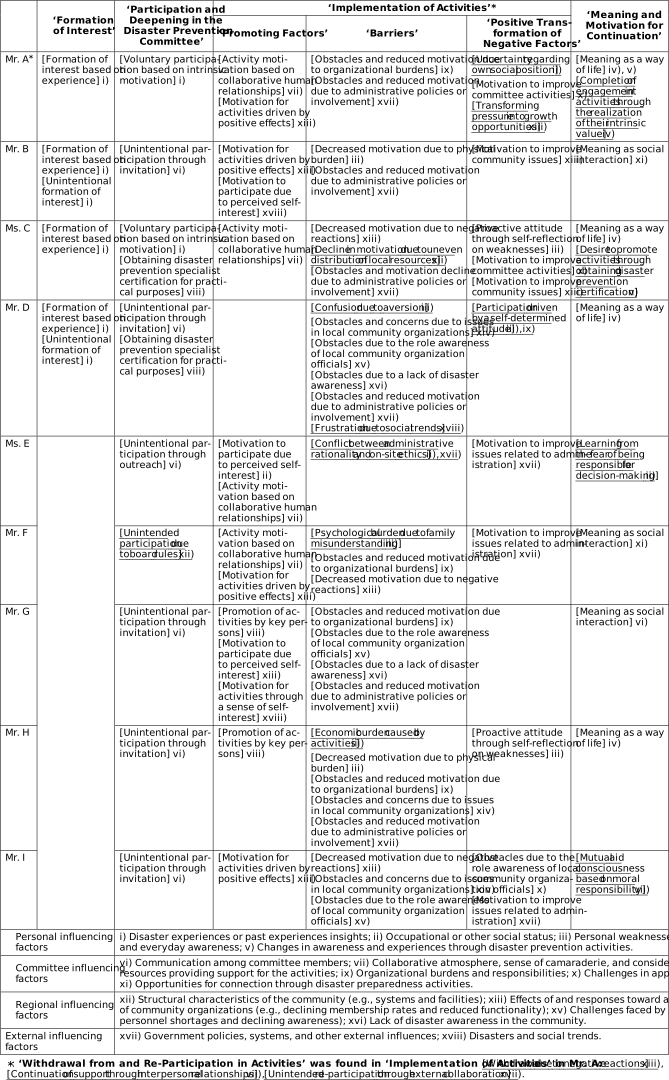
In total, 41 [Behavior/Thought] items and 18 {Specific Items} were identified and classified into seven categories. The development of involvement in disaster prevention activities was classified into ‘Formation of Interest,’ referring to interest prior to joining the disaster prevention committee, and ‘Participation and Deepening in the Disaster Prevention Committee,’ referring to participation and deeper engagement in activities. The ‘Implementation of Activities’ was subdivided into ‘Promoting Factors’ referring to factors that promote activities and increase motivation; ‘Barriers,’ referring to factors that hinder activities and decrease motivation; ‘Positive Transformation of Negative Factors,’ referring to the transformation of negative factors into positive ones that motivate engagement in activities; ‘Withdrawal from and Re-Participation in Activities,’ referring to withdrawal from and the subsequent re-participation in the disaster prevention committee. Additionally, ‘Meaning and Motivation for Continuation’ (intrinsic motivation and meaning formed through activities) were separated and positioned as relating to continuous engagement. Table 2 details the [Behavior/Thought] of each survey participant, and Fig. 1 illustrates the overall situation in the Tsuruuchi Community.
Table 2. Actions and thoughts of survey participants.
3.1. Participants’ Behaviors and Thoughts
In Table 2 and the main text, participant-specific [Behavior/Thought] is underlined and items (i)–(xviii) are listed in the lower section corresponding to the relevant influence factor numbers.
Mr. A’s [Formation of interest based on experience] in the disaster-affected area led to his [Voluntary participation based on intrinsic motivation]. He saw [Activity motivation based on collaborative human relationships] and [Motivation for activities driven by positive effects] as ‘Promoting Factors,’ while ‘Barriers’ included [Obstacles and reduced motivation due to organizational burdens] and [Obstacles and reduced motivation due to administrative policies or involvement]. ‘Positive Transformation of Negative Factors’ was observed through transforming [Uncertainty regarding own social position], [Motivation to improve committee activities], and [Transforming pressure into growth opportunities]. Additionally, he experienced [Withdrawal due to negative reactions], [Continuation of support through interpersonal relationships], and [Unintended re-participation through external collaboration]. His continued involvement was sustained by considering [Meaning as a way of life], while also being conscious of the [Completion of engagement in activities through the realization of their intrinsic value].
Mr. B went through [Formation of interest based on experience] and [Unintentional formation of interest], which led to [Unintentional participation through invitation]. He considered [Motivation for activities driven by positive effects] and [Motivation to participate due to perceived self-interest] as ‘Promoting Factors,’ while ‘Barriers’ were [Decreased motivation due to physical burden] and [Obstacles and reduced motivation due to administrative policies or involvement]. A ‘Positive Transformation of Negative Factors’ was related to [Motivation to improve community issues]. He continued his involvement in disaster prevention activities through [Meaning as social interaction].
Ms. C went through [Formation of interest based on experience] because the experience with disasters led to [Voluntary participation based on intrinsic motivation] and [Obtaining disaster prevention specialist certification for practical purposes]. She perceived [Activity motivation based on collaborative human relationships] as a ‘Promoting Factor,’ while ‘Barriers’ were [Decreased motivation due to negative reactions], [Decline in motivation due to uneven distribution of local resources], and [Obstacles and motivation decline due to administrative policies or involvement]. Regarding ‘Positive Transformation of Negative Factors,’ transformations were observed in [Proactive attitude through self-reflection on weaknesses], [Motivation to improve committee activities], and [Motivation to improve community issues]. She continued her involvement in disaster prevention activities through [Meaning as a way of life] and [Desire to promote activities through obtaining disaster prevention certification].
Mr. D went through [Formation of interest based on experience] and [Unintentional formation of interest] because he had experienced a disaster, which led to [Unintentional participation through invitation] and [Obtaining disaster prevention specialist certification for practical purposes]. No ‘Promoting Factors’ were identified for Mr. D, but ‘Barriers’ included [Confusion due to aversion], [Obstacles and concerns due to issues in local community organizations], [Obstacles due to the role awareness of local community organization officials], [Obstacles due to a lack of disaster awareness], [Obstacles and reduced motivation due to administrative policies or involvement], and [Frustration due to social trends]. A ‘Positive Transformation of Negative Factors’ was observed in [Participation driven by a self-determined attitude]. He continued his involvement in disaster prevention activities through the [Meaning as a way of life].
Ms. E did not exhibit ‘Formation of Interest,’ but engaged in [Unintentional participation through outreach]. She perceived [Motivation to participate due to perceived self-interest] and [Activity motivation based on collaborative human relationships] as ‘Promoting Factors,’ while the ‘Barrier’ was [Conflict between administrative rationality and on-site ethics]. A ‘Positive Transformation of Negative Factors’ was observed in changes to [Motivation to improve issues related to administration]. She continued her involvement in activities by [Learning from the fear of being responsible for decision-making].
Mr. F did not exhibit ‘Formation of Interest,’ but engaged in [Unintended participation due to board rules]. He perceived [Activity motivation based on collaborative human relationships] and [Motivation for activities driven by positive effects] as ‘Promoting Factors,’ while ‘Barriers’ were [Psychological burden due to family misunderstanding], [Obstacles and reduced motivation due to organizational burdens], and [Decreased motivation due to negative reactions]. Regarding ‘Positive Transformation of Negative Factors,’ a transformation in [Motivation to improve issues related to administration] was observed. He continued his involvement in disaster prevention activities through [Meaning as social interaction].
Mr. G did not exhibit ‘Formation of Interest,’ but engaged in [Unintentional participation through invitation]. He perceived [Promotion of activities by key persons], [Motivation to participate due to perceived self-interest], and [Motivation for activities through a sense of self-interest] as ‘Promoting Factors,’ while ‘Barriers’ were [Obstacles and reduced motivation due to organizational burdens], [Obstacles due to the role awareness of local community organization officials], [Obstacles due to a lack of disaster awareness], and [Obstacles and reduced motivation due to administrative policies or involvement]. Although no ‘Positive Transformation of Negative Factors’ was observed, he continued through [Meaning as social interaction].
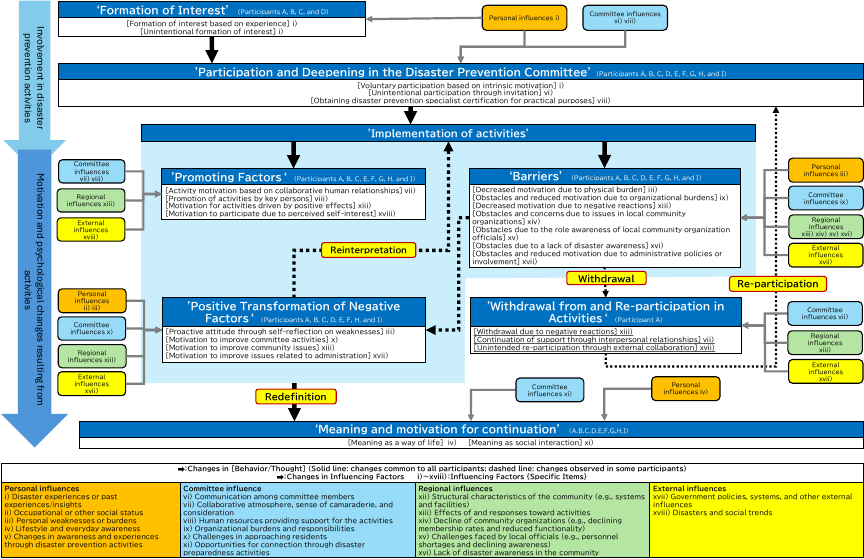
Fig. 1. Overall structure of participants’ thoughts and behaviors regarding disaster prevention activities in the Tsuruuchi Community.
Mr. H did not exhibit ‘Formation of Interest,’ but engaged in [Unintentional participation through invitation]. He perceived [Promotion of activities by key persons] as a ‘Promoting Factor,’ while ‘Barriers’ were [Economic burden caused by activities], [Decreased motivation due to physical burden], [Obstacles and reduced motivation due to organizational burdens], [Obstacles and concerns due to issues in local community organizations], and [Obstacles and reduced motivation due to administrative policies or involvement]. Regarding ‘Positive Transformation of Negative Factors,’ a transformation in [Proactive attitude through self-reflection on weaknesses] was observed. He continued his involvement through [Meaning as a way of life].
Mr. I did not exhibit ‘Formation of Interest,’ but engaged in [Unintentional participation through invitation]. He considered [Motivation for activities driven by positive effects] as a ‘Promoting Factor,’ while ‘Barriers’ were [Decreased motivation due to negative reactions], [Obstacles and concerns due to issues in local community organizations], and [Obstacles due to the role awareness of local community organization officials]. Regarding ‘Positive Transformation of Negative Factors,’ he transformed [Obstacles due to the role awareness of local community organization officials] and [Motivation to improve issues related to administration]. He continued his involvement through the [Mutual aid consciousness based on moral responsibility] cultivated through his activities.
Although the pathways leading to the formation of interest and participation in committee activities were diverse, commonalities were identified in the promoting factors and barriers. It appears that intrinsic motivation drove them to sustain their engagement in disaster prevention activities.
3.2. Common Behavioral and Cognitive Processes Among Participants
Figure 1 provides an overview of disaster prevention activities in the Tsuruuchi Community. ‘Formation of Interest’ (Participants A to D) indicates that interest is commonly formed based on disaster experiences (personal influences) and other factors. Next, common ‘Participation and Deepening in the Disaster Prevention Committee’ (all participants) were driven by personal, committee, and regional influences, as well as increased involvement in disaster prevention activities aiming to obtain disaster prevention certification. In ‘Implementation of Activities,’ common ‘Promoting Factors’ (all participants, except D) included human resources and the atmosphere within disaster prevention committees (committee influence), positive reactions from the community (regional influence), and a sense of self-interest in disaster preparedness (external influence). Usual ‘Barriers’ (all participants) included physical burdens (personal influence), organizational burdens (committee influence), community issues and negative reactions (regional influence), and issues related to administrative involvement (external influence). Activities occurred amid both promoting factors and barriers. Additionally, there were some common ‘Positive Transformations of Negative Factors’ (all participants, excluding G), such as overcoming reluctance (personal influence), motivation to improve activity issues (committee influence and regional influence), and motivation to improve administrative involvement (regional influence). By reinterpreting the negative factors such as motivations or incentives to engage in activities, the activities were revitalized for the participants. Another common process was ‘Withdrawal from and Re-Participation in Activities’ (Participant A), in which individuals commonly temporarily withdrew owing to negative reactions (regional influences), but continued to receive support based on the human relationships they built within the committee (committee influence), and then re-participated when external involvement (external influences) served as an opportunity for returning to the activities. Based on these experiences, participants redefined their engagement with disaster prevention activities as a “way of life” or for “social interactions” by linking them to personal and group influences, thereby redefining the motivations for engaging in these activities from extrinsic to intrinsic motivations. This process led to sustained engagement in disaster prevention activities. Thus, participation in disaster prevention activities in the Tsuruuchi Community was not a temporary phenomenon, but rather a fluid one, influenced by various promoting factors and barriers, and involving withdrawal and re-participation. Engagement in these activities was sustained by the reinterpretation and redefinition of internal motivations through practical experience.
4. Discussion
The previous section presented the behaviors and thoughts of the participants through their engagement in disaster prevention activities. Based on the analysis, this section organizes the factors for continued engagement by focusing on the “individual perspective” and the “community perspective.” Further, we examine the mechanism that enabled the long-term continuation of community disaster prevention activities in the Tsuruuchi Community for over 10 years.
4.1. Influencing Factors of Continued Engagement from an Individual Perspective
First, the individual perspective analysis confirmed that the practice of disaster prevention activities involves both ‘Promoting Factors’ and ‘Barriers.’ Community disaster prevention activities are not supported solely by positive factors; negative factors, such as burdens and difficulties also exist. However, within this context, the survey participants maintained continuous participation through ‘Positive Transformations of Negative Factors’ and ‘Meaning and Motivation for Continuation.’
Regarding ‘Positive Transformations of Negative Factors,’ all participants recognized the ‘Barriers’ associated with disaster prevention activities, including challenges and their own weaknesses. Rather than passively accepting these, they reinterpreted them as opportunities or motivations for overcoming and improving based on their knowledge and experience, reconstructing their involvement accordingly. This cognitive process of “Transforming Negative Factors into Motivation” is considered to have prevented decreases in motivation.
Additionally, ‘Meaning and Motivation for Continuation’ demonstrates that participation in the Disaster Prevention Committee may begin not only from intrinsic motivation, such as disaster experiences, but also from extrinsic factors, such as being invited by others. However, as activities continued, a process of redefining participation as a part of daily life or social interaction, such as [Meaning as a way of life] and [Meaning as social interaction], was observed. Consequently, irrespective of the initial motivation for participation, it was transformed into intrinsic motivation, leading to continued engagement.
Moreover, this process has been observed in studies on neighborhood association officers and welfare commissioners. Previous studies have reported processes in which problem recognition generates improvement intentions and activity goals 19,20, extrinsic motivation transforms into intrinsic motivation through activities, such as “expansion of human relationships” or “self-realization and self-evaluation,” leading to proactive and continuous engagement 21, and positive emotions enhance continuity 22. The results of this study reflect these widely acknowledged findings from previous studies and demonstrate that similar cognitive processes play an important role in sustaining activities in the Tsuruuchi Community. The next section examines the community-level factors that maintain these individual cognitive processes in the long term.
4.2. Engagement from a Community Perspective
Based on the characteristics of the Tsuruuchi Community and the Disaster Prevention Committee described in Section 2.2, this section focuses on the structure of the Disaster Prevention Committee as a community organization and environmental factors within and outside the community to organize community-level factors that support disaster prevention activities.
4.2.1. Characteristics of the Disaster Prevention Committee (Group Influence)
The Disaster Prevention Committee is positioned as part of the community council and has an “open structure” that is not limited to specific organizations, such as neighborhood associations. Therefore, the composition of members is diverse, and new members were secured through [Unintentional participation through outreach]. Additionally, a human-resource organizational foundation was formed by leaders and key members actively promoting activities, as seen in [Promotion of activities by key persons]. Moreover, [Activity motivation based on collaborative human relationships] enhanced psychological safety by providing an environment that encourages the expression of opinions and collaboration.
These elements are important factors noted in previous studies as well, such as recruitment through invitations 19,22, presence of leaders 13,14, and promotion of mutual-aid activities through psychological safety 23. The “open structure” is institutionalized as a framework for multi-stakeholder disaster prevention activities involving local residents, schools, businesses, and NPOs, as in the district disaster prevention plan enacted in 2014 24, with actual cases of collaboration with companies and community organizations 24. Such a framework, which is not limited to specific local organizations but allows cooperation across the entire community, is observed not only in Tsuruuchi but also in other regions despite differences in organizational and activity forms. In the Tsuruuchi Community, this framework supported the securing of new participants, presence of leaders driving activities, and psychological safety.
However, community-wide disaster prevention activities were sometimes recognized as complex because of conflicts of interest and differences in disaster risks. Consequently, [Obstacles and reduced motivation due to organizational burdens] and “difficulty in approaching residents” occasionally led to decreased participant motivation, although in some cases, these challenges were positively interpreted as opportunities for improvement.
4.2.2. Characteristics of the Tsuruuchi Community (Regional Influence)
The “open structure” of the Disaster Prevention Committee ensures that activity opportunities are not limited to neighborhood associations but extend to various stakeholders, such as elementary schools, community businesses, and different organizations. This creates an environment conducive to receiving feedback in diverse situations, and positive responses to activities are considered to enhance motivation.
However, the Tsuruuchi Community has had no major disaster experiences since Typhoon No.23 in 2004, resulting in {Lack of disaster awareness in the community}, as well as challenges such as {Decline of community organizations (e.g., declining membership rates and reduced functionality)} and {Challenges faced by local officials (e.g., personnel shortages and declining awareness)}. Negative responses arising from this context could potentially become a psychological burden. Previous studies have also reported the coexistence of positive feelings from activity achievements and negative feelings, such as burdens and stress 22, and these dual aspects functioned as factors that support continuity while also containing vulnerabilities.
4.2.3. Social Characteristics (External Influences)
Relationships between the government and external organizations influenced continued engagement. Government support increases the feasibility of activities, but siloed structures, excessive intervention, and unclear policies can act as barriers. Previous studies indicate that activities can be promoted or hindered depending on the degree and method of government involvement 25. Furthermore, an increase in disaster occurrence frequency can motivate participation, whereas the consideration of personal information protection may excessively constrain activities. Therefore, the external environment had both facilitating and inhibitory effects.
Community-level factors for continuation are complex structures in which various elements interact. Specifically, centered on the “open structure” and “psychological safety,” human resources, government support, and regional characteristics intertwine in a multilayered manner, supporting continued engagement in disaster prevention activities while interacting with individual cognitive processes and intrinsic motivation.
4.3. Examination of a Continuation Mechanism Integrating Individual and Community Perspectives
The individual-level and community-level factors presented in the previous sections are general factors noted in previous studies. However, existing studies often treat these independently, and an integrated mechanism explaining the long-term continuation of community disaster prevention activities has not yet been sufficiently investigated. This section uses the three psychological needs of self-determination theory 26 (autonomy, competence, and relatedness) to examine how individual and community factors interact to enable continuous disaster prevention activities in the Tsuruuchi Community over 10 years.
4.3.1. Analysis of Tsuruuchi Community Disaster Prevention Activities Through Autonomy, Competence, and Relatedness
Autonomy refers to the desire to self-regulate and make self-directed decisions. In the Disaster Prevention Committee, “psychological safety” was ensured, allowing free exchange of opinions and sharing of challenges. This environment enabled participants to actively transform the burdens and negative responses associated with activities into actions toward improvement, rather than passively accepting them. Such active reinterpretation promoted fulfillment of autonomy, contributing to the maintenance and strengthening of intrinsic motivation.
Competence is the desire to positively recognize one’s abilities within a social context. The “open structure” of the Disaster Prevention Committee allowed participants to easily receive feedback from the community in diverse situations. Positive responses to activities enabled participants to experience outcomes, fulfillment, and achievement through trial-and-error, thereby contributing to enhanced self-efficacy. Although negative responses could potentially lower motivation, they were reframed as opportunities for improvement through ‘Positive Transformations of Negative Factors,’ encouraging trial-and-error and ultimately enhancing the sense of competence. Thus, both positive and negative feedback continuously contributed to fulfilling the need for competence and strengthening intrinsic motivation.
Relatedness is the desire to connect with others and receive mutual recognition. The Disaster Prevention Committee involved diverse stakeholders through its “open structure,” allowing participants to interact and collaborate. This diverse environment increased opportunities for participants’ roles and contributions to be recognized by others and positioned activities as socially meaningful. Such recognition and sharing of social values satisfied the need for relatedness by framing disaster prevention activities as “activities connected to the community” rather than merely “individual activities.” Consequently, the fulfillment of relatedness strengthened intrinsic motivation and functioned as an essential foundation for supporting continuous engagement.
This environment worked complementarily, enhancing the capacity to translate personal learning and experience into action, and fostering intrinsic motivation linked to personal values.
4.3.2. Examination of the Continuation Mechanism in the Tsuruuchi Community
The long-term continuation of disaster prevention activities in the Tsuruuchi Community can be attributed to a mechanism in which individual cognitive processes and the structure of community organizations function complementarily. The mechanism supporting this continuation can be summarized as follows:
-
The “open structure” allows diverse members to participate, facilitating recruitment through invitations.
-
“Psychological safety” provides an environment where opinions can be expressed, and trial-and-error is possible.
-
Within an environment supporting autonomy and competence, ‘Positive Transformations of Negative Factors’ are facilitated, enabling participants to overcome temporary declines in motivation.
-
The presence of leaders and psychological safety support challenges through ‘Positive Transformations of Negative Factors’ as a “safe environment for experimentation,” enhancing individual capacity for action.
-
Intrinsic motivation is strengthened, and collaboration within and outside the community leads to the recognition of the social significance of activities, internalizing them as a “part of daily life.”
-
Consequently, activities and learning are linked to future engagement, creating a cycle of proactive organizational involvement and recruitment of new members.
In the Tsuruuchi Community, regional characteristics, such as psychological safety, diverse human resources, and a collaborative culture, were connected to individual cognitive processes, generating sustained engagement. Therefore, enhancing the sustainability of community disaster prevention activities requires establishing an “open structure” accessible to all, “psychological safety” mechanisms to elicit intrinsic motivation, collaboration with diverse stakeholders, and visualization and feedback of activity outcomes.
5. Conclusions
This study examined factors supporting the long-term continuation of disaster prevention activities in the Tsuruuchi Community of Takamatsu City utilizing a novel approach that integrated both individual and community perspectives. At the individual level, sustained engagement was supported by ‘Positive Transformations of Negative Factors,’ which allowed participants to reinterpret challenges, and by ‘Meaning and Motivation for Continuation,’ which redefined disaster prevention activities as part of life and social interaction. At the community level, the Disaster Prevention Committee, based on the comprehensive Tsuruuchi Community Council, functioned as an “open structure” enabling collaboration among diverse stakeholders and creating a feedback environment where increased activity could be visualized. Feedback had both facilitating and inhibiting effects, and psychological safety allowed participants to freely express opinions and experiment, supporting intrinsic motivation. These results suggest that sustaining community-based disaster prevention activities depends on both participants’ internal reinterpretation and the supportive role of community organizations. Future research should explore other regions and the specific activities of the Tsuruuchi Community, focusing on balancing positive and negative experiences and designing support and policies that help maintain engagement even when negative factors arise.
Acknowledgments
This research was supported by JST Support for Pioneering Research Initiated by Next Generation (JPMJSP2163), and we would like to express our sincere gratitude to the funder.
- [1] Cabinet Office, Government of Japan, “White Paper on Disaster Management 2014,” 2014 (in Japanese). https://www.bousai.go.jp/kaigirep/hakusho/h26/honbun/index.html [Accessed April 4, 2025]
- [2] Cabinet Office, Government of Japan, “Promoting gender equality for sustainable neighborhood association activities,” 2017. https://www.gender.go.jp/kaigi/kento/chiiki/index.html [Accessed April 4, 2025]
- [3] A. Muranaka, G. Tanibata, T. Nakaya, K. Hanaoka, and Y. Shiraishi, “Behavioral determinants of participation in a workshop on making ‘safety and security map’ with resident participation – An analysis of the safe community activity in Kameoka City, Kyoto, Japan,” J. City Plan. Inst. Jpn., No.45-3, pp. 325-330, 2010 (in Japanese). https://doi.org/10.11361/journalcpij.45.3.325
- [4] K. Misaka and T. Koike, “Psychological processes toward flood control and river environments and their regional characteristics,” Doboku Gakkai Ronbunshuu B, Vol.62, No.1, pp. 16-26, 2006 (in Japanese). https://doi.org/10.2208/jscejb.62.16
- [5] T. Hashimoto, K. Karasawa, K. Hirayama, M. Wada, and H. Hosaka, “Community proactivity in disaster preparation: Research based on two communities in Japan,” J. Disaster Res., Vol.13, No.4, pp. 755-766, 2018. https://doi.org/10.20965/jdr.2018.p0755
- [6] T. Kumazawa and S. Eguchi, “A structural model of residents’ disaster prevention behavioral intentions regarding local evacuation shelters: A case study of the Toyoda Neighborhood Association in Sakae Ward, Yokohama City,” J. Soc. Saf. Sci., No.43, pp. 305-314, 2023 (in Japanese). https://doi.org/10.11314/jisss.43.305
- [7] T. Motoyoshi, K. Takao, and S. Ikeda, “Determinant factors of community-based disaster preparedness: A case study of flood prone area,” Jpn. J. Psychol., Vol.75, No.1, pp. 72-77, 2004 (in Japanese). https://doi.org/10.4992/jjpsy.75.72
- [8] T. Motoyoshi, K. Takao, and S. Ikeda, “Determinants of household- and community-based disaster preparedness,” Jpn. J. Soc. Psychol., Vol.23, No.3, pp. 209-220, 2008 (in Japanese). https://doi.org/10.14966/jssp.KJ00004896217
- [9] M. Ogane, M. Umemoto, A. Saito, and E. Itoigawa, “Study on the promotion of the working generation’s participation in voluntary disaster prevention activities: Based on the questionnaire in Tokai-mura,” J. Soc. Saf. Sci., No.29, pp. 197-205, 2016 (in Japanese). https://doi.org/10.11314/jisss.29.197
- [10] Y. Masuda and N. Kaida, “Influence of perceived burden of disaster preparedness on actual practices,” J. Jpn. Soc. Civil Eng., Ser. D3 (Infrastruct. Plan. Manag.), Vol.75, No.5, pp. I_109-I_116, 2019 (in Japanese). https://doi.org/10.2208/jscejipm.75.I_109
- [11] M. Matsumoto and R. Yatabe, “Determinants that motivate continuous disaster-prevention activity in disaster-stricken area people,” J. Jpn. Soc. Nat. Disaster Sci., Vol.27, No.3, pp. 319-330, 2008 (in Japanese).
- [12] A. Saito, M. Umemoto and E. Itoigawa, “An attempt to quantitatively evaluate activities of voluntary organizations for disaster prevention focused on their substantiation and durability,” J. Soc. Saf. Sci., No.29, pp. 37-46, 2016 (in Japanese). https://doi.org/10.11314/jisss.29.37
- [13] M. Fujita, K. Shimizu, K. Kimura, and Y. Sato, “Relationship between independent activities for disaster prevention and ordinary activities in neighborhood: The situation of Akita City,” J. City Plan. Inst. Jpn., No.38-3, pp. 19-24, 2003 (in Japanese). https://doi.org/10.11361/journalcpij.38.3.19
- [14] Y. Ueno, M. Yoshida, Y. Kitazono, R. Kakimoto, and K. Hoshide, “Activities of self-support disaster reduction associations and responsible persons,” J. Jpn. Soc. Civil Eng., Ser. D3 (Infrastruct. Plan. Manag.), Vol.72, No.1, pp. 14-24, 2016 (in Japanese). https://doi.org/10.2208/jscejipm.72.14
- [15] R. Kakimoto, “Study on relationship between social capital and disaster response capacity in Mashiki-town,” J. Jpn. Soc. Nat. Disaster Sci., Vol.39, No.S07, pp. 57-70, 2020 (in Japanese). https://doi.org/10.24762/jndsj.39.S07_57
- [16] T. Sato, A. Sakurai, Y. Sadaike, Y. Ouchi, and Y. Sugawara, “Sustainable community development for disaster resilience using the Fukuzumi-machi method and human resources development for disaster risk reduction,” J. Disaster Res., Vol.15 No.7, pp. 919-930, 2020. https://doi.org/10.20965/jdr.2020.p0919
- [17] T. Otani, “SCAT: A qualitative data analysis method by four-step coding: Easy startable and small scale data-applicable process of theorization,” Bull. Grad. Sch. Educ. Hum. Dev. (Educ. Sci.) Nagoya Univ., Vol.54, No.2, pp. 27-44, 2008 (in Japanese). https://doi.org/10.18999/nueduca.54.2.27
- [18] Takamatsu City, “Hazard map,” 2025.
- [19] K. Matsuzaki, “Process of finding the role as Minsei-iin – Analysis by Modified Grounded Theory Approach –,” Yokohama J. Technol. Manag. Stud., Vol.13, pp. 21-33, 2014 (in Japanese).
- [20] Y. Sugihara, “Willingness to continue working as district welfare commissioners in Tokyo: The roles of psychosocial rewards, role strain, and support,” Jpn. J. Public Health, Vol.65, No.5, pp. 233-242, 2018 (in Japanese). https://doi.org/10.11236/jph.65.5_233
- [21] K. Miyamoto, “Factors for continued long-term participation in neighborhood associations – An analysis using the trajectory equifinality approach,” Annu. Rep. Tokai Gakuin Univ., Vol.7, pp. 47-55, 2022 (in Japanese). https://doi.org/10.24478/00003794
- [22] R. Nakao, R. Kawasaki, and K. Sugiyama, “Working motivation of local welfare workers in Nagasaki City,” Health Sci. Res., Vol.20, No.2, pp. 25-29, 2008 (in Japanese).
- [23] Y. Yamaguchi, M. Chosokabe, and K. Tanimoto, “Psychological safety and mutual assistance activities by local community,” J. Jpn. Soc. Civil Eng., Ser. D3 (Infrastruct. Plan. Manag.), Vol.78, No.5, pp. I_63-I_70, 2023 (in Japanese). https://doi.org/10.2208/jscejipm.78.5_I_63
- [24] Cabinet Office, Government of Japan, “Community disaster management plan guidebook” (in Japanese). https://www.bousai.go.jp/kyoiku/chikubousai/index.html [Accessed April 4, 2025]
- [25] S. Imamura, “Appropriate administrative involvement for sustainable community development by inhabitants – A case study of Ono City, Fukui Prefecture –,” J. Jpn. Assoc. Reg. Dev. Vitalization, Vol.19, No.1, pp. 61-69, 2023 (in Japanese). https://doi.org/10.57340/ckg.19.1_61
- [26] R. M. Ryan, and E. L. Deci, “Self-determination theory and the facilitation of intrinsic motivation, social development, and well-being,” Am. Psychol., Vol.55, No.1, pp. 68-78, 2000. https://doi.org/10.1037//0003-066x.55.1.68
This article is published under a Creative Commons Attribution-NoDerivatives 4.0 Internationa License.