
Paper:
The Study of Evacuation Simulation in Elevated MRT Stations: A Case Study of Taoyuan MRT A8 Chang Gung Memorial Hospital Station
Chun-Hao Shao*,† and Tzu-Chi Chien**
*Graduate School of Disaster Management, Central Police University
No.56 Shuren Road, Guishan District, Taoyuan 333322, Taiwan
†Corresponding author
**The Disaster Prevention and Rescue Office, Taichung City Fire Department
Taichung, Taiwan

The A8 Chang Gung Memorial Hospital Station is an important transportation hub on the Taoyuan Metro line, with a relatively high number of elderly passengers due to its proximity to a large hospital. In crowded areas, any incident poses a significant challenge for emergency evacuation. This study combined on-site surveys of pedestrian flow speeds with simulations using BuildingEXODUS and SMARTFIRE software, focusing on elderly individuals as the representative vulnerable group for A8 Station. By setting different proportions of elderly passengers, the study explored whether evacuation times met the requirements of the National Fire Protection Association 130 standards under both normal and fire-emergency conditions. The simulation results were validated through expert interviews, leading to recommendations for corresponding safety management strategies. The findings indicate that as the proportion of elderly passengers increases, there is a significant impact on evacuation time when using passenger walking speed parameters, which does not fully align with some results from the A8 Station disaster prevention plan, thereby increasing the risk to passengers during emergencies.
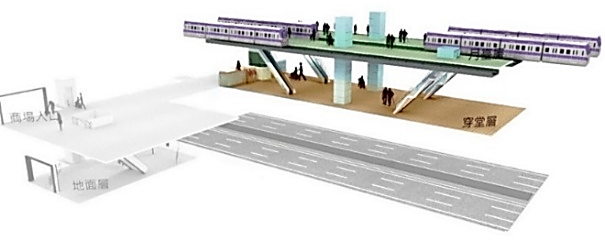
A8 Chang Gung Hospital Station
1. Introduction
A8 Linkou Chang Gung Memorial Hospital Station is the eighth busiest station in the Taoyuan Metro system, with over 4 million annual entries and exits in 2022, second only to A1 Taipei Main Station 1. Owing to its adjacency to Chang Gung Memorial Hospital and the presence of a major bus transfer hub, A8 serves a high proportion of elderly passengers and patients, a trend expected to intensify with the post-pandemic increase in station usage (Fig. 1).
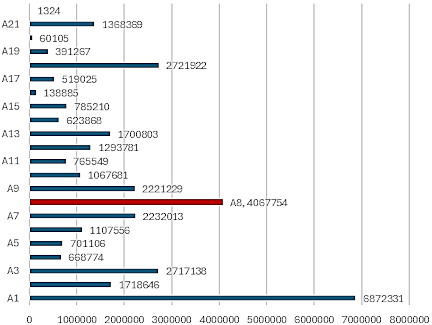
Fig. 1. Passenger entries and exits from January 2022 to December 2022.
Table 1. The highest proportion of elderly passengers in A8 by time period on January 9, 2023.
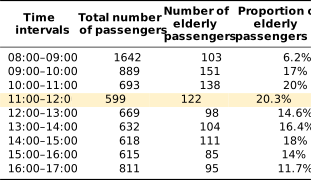
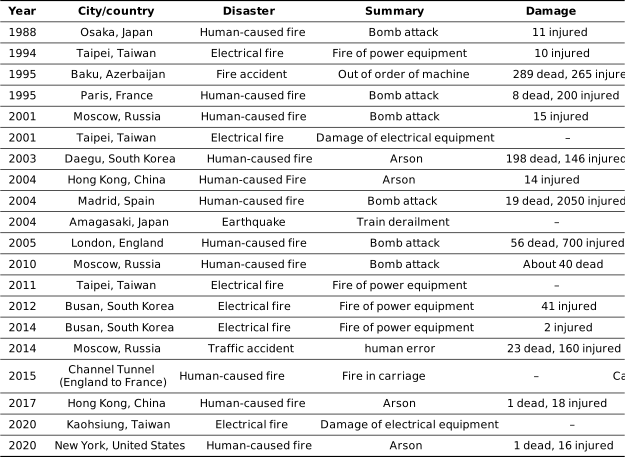
Table 2. List of railway accidents over the years.
Field observations further indicate that although elderly passengers accounted for 7.6% of total ridership in January 2023 2, their proportion exceeded 20% during certain time periods (Table 1). This demographic composition highlights a growing demand for targeted evacuation management at A8 Station.
Metro and railway stations, due to their complex spatial layouts and multi-level structures, increasingly adopt performance-based design approaches for fire safety and evacuation assessment, as conventional prescriptive codes cannot fully capture dynamic evacuation behavior. With advancements in simulation technology, many countries have employed computer-assisted models to evaluate evacuation flow, egress capacity, and hazard spread, significantly improving analytical precision 3.
In addition, this study compiles and analyzes 20 domestic and international railway disaster cases, categorizing them by disaster type, cause, and location (Table 2). This comparative disaster analysis provides an empirical foundation for understanding human safety issues in evacuation and refuge within rail systems, establishing a reference framework for the present simulation study.
We categorize the causes of various disaster cases into four main categories: human factors, electrical factors, mechanical equipment, and other reasons. Statistical data show that human factors are the most significant, accounting for 56% of all disaster causes, followed by electrical factors at 20%, other reasons at 16%, and mechanical factors at 8%. When analyzing different types of disasters, rail-related disasters are dominated by fire accidents, which account for 76% of the total. Earthquakes follow at 12%, traffic accidents at 8%, and floods at just 4%. Notably, fire accidents have also resulted in the highest number of casualties among rail disasters over the years.
In comparison with international metro evacuation management, the National Fire Protection Association (NFPA) 130 standard has been widely adopted as an international benchmark, with notable applications in subway systems such as the New York City Subway and Washington Metro, where simulation-based validation and regular evacuation drills are mandated 4. Compared to these international examples, Taiwan’s metro systems remain in the initial stages of developing scenario-based evacuation management and simulation-guided training programs, underscoring the necessity of this study.
Given Taiwan’s demographic transition toward a super-aged society—with the elderly projected to exceed 20% of the population by 2025 and 30% by 2039 5—the future mobility limitations of passengers will increasingly influence evacuation performance. To address these challenges, this study sets simulation parameters based on real-world conditions 6 and pursues three primary objectives:
-
(1)
Investigate walking speeds of A8 passengers and assess the impact of different elderly population proportions on evacuation outcomes.
-
(2)
Evaluate whether evacuation times meet the NFPA 130 standard as well as the A8 Station Disaster Prevention Plan.
-
(3)
Develop practical recommendations to enhance station evacuation and safety management strategies.
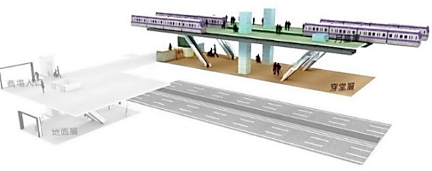
Fig. 2. Research scope of A8 Chang Gung Memorial Hospital Station.
The proximity of A8 Station to Chang Gung Memorial Hospital results in a high proportion of elderly passengers, increasing evacuation risks during emergencies 7. Computer simulation tools allow detailed modeling of the station’s spatial constraints—such as narrow corridors, limited movement paths, multi-level structures, and high passenger density—while also representing fire hazard development and evacuee behavior. These elements form the key parameters for evaluating evacuation performance under different conditions and management strategies.
This study focuses on public-access areas of A8 Station from the third-floor platform to the second-floor concourse before the ticket gates (Fig. 2). The simulation assesses evacuation and refuge times within this defined space. Areas beyond the ticket gates, which fall under different administrative units, are excluded. Additionally, elderly passenger estimates are based solely on users of the “Elderly Love” electronic ticket; those using other ticket types were not counted.
2. Crowd Evacuation and Sheltering Related Research
-
(1)
Hsu 8 assessed evacuation safety, A18 Taoyuan High-Speed Rail Station by defining evacuation routes and exits based on internal environment investigations and analyzing the impact of passenger numbers and exit availability on evacuation safety using computer simulation software.
-
(2)
Hong et al. 9 utilized social force models and algorithms to simulate crowd movements triggered by the ripple effect of panic-induced message propagation, identifying bottleneck locations in densely populated subway stations as references for pre-emptive congestion prevention.
-
(3)
Guo et al. 10 used elevated subway stations in Singapore as simulation subjects, employing active evacuation strategies to reduce passenger response time, which proved more effective in reducing evacuation time and congestion-prone areas compared to traditional or passive evacuation strategies.
-
(4)
Shao et al. 11 examined incidents and related documents as references, using Simulex software to set various parameters, such as the total number of people, density, and exit conditions. The simulation conducted in the study was then compared with data from the literature to address the factors contributing to a stampede.
-
(5)
Sekizawa and Nakahama 12 reported that if evacuation routes are specifically designated for disabled or elderly individuals, these individuals can evacuate more effectively.
Previous studies have contributed significantly to the understanding of metro evacuation dynamics under various operational and environmental conditions. For instance, Hsu 8 examined the A18 Taoyuan High-Speed Rail Station using simulation-based analysis to assess evacuation safety based on exit configurations and passenger density. However, this work primarily focused on a single-station scenario and did not address inter-floor interactions or power outage conditions. Similarly, Hong et al. 9 applied social force algorithms to simulate panic propagation, successfully identifying potential bottlenecks but lacking validation against real-world station geometries. Guo et al. 10 further advanced this line of research by introducing active evacuation strategies in elevated Singaporean metro stations, yet their findings are limited to tropical, open-air station designs, which differ markedly from underground systems like Taipei Main Station.
Shao et al. 11 used Simulex software to replicate stampede conditions and compare simulation results with observed incidents, but their model did not incorporate variables such as emergency lighting loss or exit obstruction. Finally, Sekizawa and Nakahama 12 highlighted the importance of designated evacuation routes for vulnerable populations, providing valuable insight for inclusive design, though their focus was on small-scale facilities rather than large multi-level metro systems.
In contrast to these prior studies, the present research investigates evacuation performance in a complex elevated MRT station (A8 Chang Gung Memorial Hospital Station) under evacuation scenarios, integrating NFPA 130 standard to evaluate time thresholds and management interventions. This comparative framework not only builds upon but also extends the existing literature by bridging the gap between simulation-based modeling and practical evacuation management in real-world metro contexts.
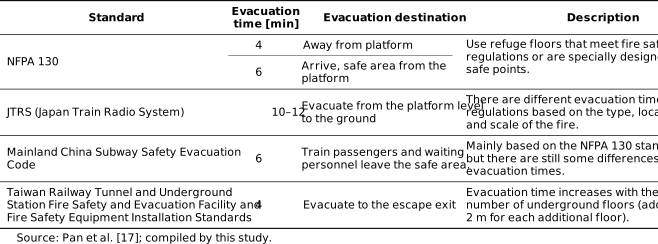
Table 3. Evacuation standards.
3. Evacuation Safety Standards of Various Countries
The completion time of evacuations serves as a benchmark for safety in rail systems. In anticipation of potential risk incidents within rail systems, several countries have established standards and regulations for fire safety design at subway stations. Notably, standards such as the NFPA 130 “Standard for Fixed Guideway Transit and Passenger Rail Systems” developed by NFPA 4, Japan’s “Technical Regulatory Standards on Japanese Railways” 13, and China’s “Subway Safety Evacuation Regulations” 14 are recognized internationally and have been widely adopted by other countries. Taiwan, based on NFPA 130, also promulgated the “Regulations for Fire Protection and Evacuation Facilities and Fire Safety Equipment Installation in Railway Tunnels and Underground Stations 15” in 2008.
There are differences among countries in the specifications for verifying evacuation safety performance. China’s subway system stipulates a “6-minute” evacuation time standard, requiring all personnel to reach a safe location within 6 m of the activation of fire equipment. In comparison, NFPA 130 imposes stricter requirements for evacuation time, mandating evacuation of platforms within 4 m and setting a time limit of 6 m for personnel to reach safe points. Japan’s standards, on the other hand, require personnel to evacuate to ground level within 10–12 m depending on the scale and location of the fire.
In addition, Taiwan’s regulations require passengers on the lowest-level platforms of multi-level underground track stations to evacuate to escape routes within 4 m, with an additional 2 m allowed for each additional floor of the station to move to refuge floors or safe points 16.
By comparing these different standards across countries, it is evident that there are variations in evacuation time standards. However, they all focus on underground rail systems and use evacuation time limits as the basis for assessing safety in evacuating and sheltering within rail system premises (as shown in Table 3).
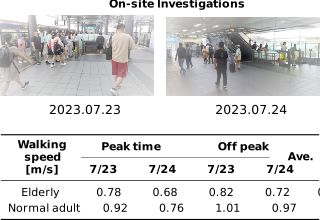
Table 4. Walking speed parameters for elderly and general passengers used in the evacuation simulation, derived from on-site observational measurements at A8 Station.
4. A8 Station Disaster Prevention Plan
The A8 Station Disaster Prevention Plan is formulated by the Railway Bureau of the Ministry of Transportation and Communications (formerly the High-Speed Rail Engineering Bureau) in accordance with the Disaster Prevention and Rescue Act, Fire Services Act, Railway Act, and the Ministry of Transportation and Communications’ “Disaster Prevention Business Plan for Land Transport Accidents,” among other relevant regulations. In the fire evacuation safety verification section of the A8 Disaster Prevention Plan, the calculation method for evacuation time primarily uses NFPA 130 as the basis for verification. The calculation method employs a fixed walking speed (1 m/s) and the flow capacity of facilities at each exit of the metro station as parameters for calculating evacuation time. This calculation method is similarly applied in the performance-based safety verification of various domestic metro systems, Taiwan Railways, and high-speed rail systems to assess whether the fire evacuation designs of stations meet safety standards.
5. Research Design
This study evaluates evacuation performance at A8 Station by examining different proportions of elderly passengers. On-site measurements of pedestrian walking speeds and spatial dimensions were conducted to establish simulation parameters (Table 4). Using SMARTFIRE and BuildingEXODUS, the study assesses evacuation outcomes based on the A8 Disaster Prevention Plan 4 and NFPA 130’s available safe egress time (ASET) criteria. Expert and scholar interviews were further incorporated to validate the findings and propose strategies to reduce the required safe egress time (RSET).
5.1. Simulation Software Description
The BuildingEXODUS software, developed by the Fire Safety Engineering Group (FSEG), University of Greenwich, was adopted for this study due to its proven accuracy in simulating evacuation processes in complex building environments such as metro stations and airports. The software integrates five sub-models—Occupant, Movement, Behavior, Toxicity, and Hazard—enabling a coupled simulation of human-environment-fire interactions.
Compared with other agent-based or AI-driven evacuation tools (e.g., Pathfinder, AnyLogic, or NetLogo), BuildingEXODUS provides a physics-based, rule-driven framework that directly supports compliance with NFPA 130 evacuation criteria. This makes it particularly appropriate for evaluating the safety performance of rapid transit systems, where quantifiable evacuation time and regulatory conformity are critical. While agent-based or AI-enhanced models could capture more nuanced behavioral variability, such approaches were beyond the scope of this study and are suggested for future research extensions.
5.2. Scenario Introduction
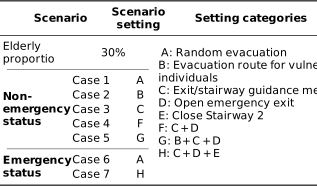
The study categorizes scenarios into non-emergency and emergency situations. The non-emergency scenario (Case 1–Case 6) refers to normal peak hours, using projected passenger numbers for 2040 as a reference. The emergency scenario simulates an arson event (Cases 7 and Case 8), designating the public space near the ticket gates on the second-floor concourse of the metro station as the point of origin. In accordance with NFPA 130 regulations, one of the nearby exit escalators is closed to increase the constraints of the simulation. Additionally, statistics show that the proportion of elderly people at A8 Station has already exceeded 20%. Therefore, the study compares evacuation times by setting different proportions of elderly individuals (20% and 30%) in the scenarios. The scenario setting is shown in Table 5.
Table 5. Scenario settings in study based on A8 Disaster Prevention Plan and NFPA 130 pedestrian flow guidelines.
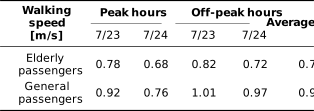
The proportion of elderly passengers at A8 Station during certain time periods exceeds 20%. Through on-site investigations (Table 4), it was found that the walking speed of elderly people, metro station is approximately 0.68–0.82 m/s, while the walking speed of general passengers is approximately 0.76–1.01 m/s. Therefore, this study incorporates the walking speeds observed from the on-site investigation and uses a 20% proportion of elderly passengers as a simulation parameter. Additionally, a 30% proportion is used as the upper limit parameter for sensitivity analysis to compare the impact of different proportions of elderly passengers on crowd evacuation.
Tsai et al. 7 indicated that most passengers frequently using metro stations have a crowd movement coefficient of approximately 1.0–1.4 people/m\({\cdot}\)s. After measuring the walking speed at A8 Station, it was found to be consistent with the standard for pedestrian walkways. Hence, this study also uses this as a range for simulation parameter settings.
Based on the A8 Disaster Prevention Plan, this study uses 1,283 passengers as the parameter, with a total of 7 simulation scenarios designed. Scenarios 1 to 5 simulate the evacuation situation at A8 Station during non-emergency peak hours, based on the projected passenger numbers for 2040, to understand evacuation in crowded situations. The scenarios consider the proportion of elderly passengers and different evacuation measures to assess the impact on evacuation time at A8 Station and whether it meets the NFPA 130 standard. Additionally, by adjusting and setting various parameters for different evacuation behaviors and potential values, this study aims to analyze if evacuation time can be effectively reduced.
In scenarios 6 and 7, this study introduces fire scenarios to simulate, according to the NFPA 130 standard, the situation where the nearest staircase to the exit (Stair 2) is closed to increase simulation constraints. Evacuation situations with or without evacuation measures are also simulated. The descriptions of each scenario are shown in Table 5.
5.3. Scenario Simulation Pedestrian Flow Statistics
In the parameter settings of the computer simulation software, pedestrian flow statistics hold significant importance. This study refers to the 2040 maximum-capacity pedestrian flow figures from the A8 Disaster Prevention Plan and utilizes the NFPA 130 pedestrian flow estimation method. By calculating the total capacity multiplied by a factor of 1.5 and estimating pedestrian flow in 15-minute intervals, a more precise estimation of peak demand is achieved.
Table 6. A8 Chang Gung Medical Transport Station passenger flow estimation.
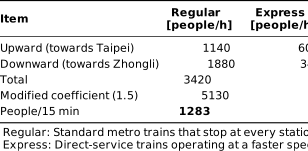
According to the A8 Station Disaster Prevention Plan, the hourly pedestrian flow in both the upward (towards Taipei) and downward (towards Zhongli) directions—including regular and express train services—is approximately 5,130 people. The calculation results further show an average of 1,283 people every 15 m. This study therefore uses this value as the basis for estimating pedestrian flow, station (Table 6).
5.4. Interview for Experts
To enhance the rigor and completeness of this study, an interview-based qualitative approach was adopted. Expert interviews were conducted to examine both hardware (equipment and structural features) and software (safety management practices) aspects of A8 Station, and to evaluate the applicability of the simulation scenarios to real-world metro evacuation safety management. To maintain objectivity while considering the backgrounds and perspectives of the interviewees, a semi-structured interview method was employed.
Each interview was designed to last approximately one hour. Participants included supervisors from relevant operational departments as well as experts from academic and professional sectors. Interview questions were tailored according to the interviewee’s role and primarily focused on the design of the simulation scenarios and their alignment with actual evacuation planning and implementation. The purpose was to gain in-depth insights into current deficiencies and potential areas for improvement in the evacuation safety management of A8 Station, thereby providing meaningful input for subsequent analysis. The information of the five interviewees is listed in Table 7.
5.5. Introduction of Simulation Space
After drawing the floor plan using AutoCAD software, the DXF file is imported into the BuildingEXODUS software. Within the software, the spatial nodes (Node), staircases (Stair 1 to Stair 8), regular exits (Door 1 to Door 8), and emergency exits (Door 9 to Door 10) for A8 Station are set up (as shown in Fig. 3) to serve as the basis for computer simulation modeling.
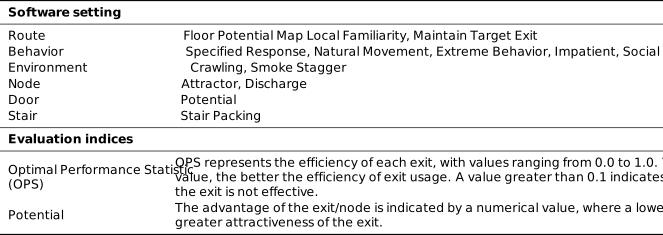
Additionally, following an on-site survey of A8 Station, this study enumerates the relevant parameters of the building’s exit spaces (as shown in Table 8). Furthermore, it lists the functional settings required for various scenario simulations presented in the software, as well as the evaluation indicators used during the simulations in this study (as shown in Table 9). Among these indicators, we place particular emphasis on the OPS value. In this study, the Optimal Performance Statistic (OPS) is used to assess exit-use efficiency in BuildingEXODUS. OPS values range from 0.0 to 1.0, where values closer to 0 indicate efficient and well-balanced distribution of evacuees across available exits, while values approaching 1 reflect imbalanced or inefficient exit utilization. Although an OPS value above approximately 0.1 is generally interpreted as indicating less effective exit usage, the measure itself is automatically computed by the software based on exit capacity and evacuation flow conditions.
5.6. Setting Walking Speed
The walking speed parameters in this study were obtained through field surveys conducted at A8 Station on July 23 and 24, 2023 (Table 10), covering both peak and off-peak periods. Elderly participants were identified based on observable physical characteristics—such as unstable gait, aged appearance, or gray hair—due to the difficulty of determining exact ages during observation.
Walking speeds were measured using handheld stopwatches. Observers randomly selected elderly and general passengers from each arriving train and recorded the fastest and slowest times required to walk from the platform to the ticket gate, with four train arrivals measured in each period. Timing was conducted from door opening until the selected passenger exited the gate, and speeds were calculated accordingly.
Results (Table 11) indicate that elderly passengers walked at approximately 0.68–0.82 m/s, which aligns with values reported in studies of healthy older adults and individuals with mild mobility limitations. General passengers demonstrated speeds of 0.76–1.01 m/s, slightly slower than typical values in the literature 18. This reduction is primarily attributed to peak-hour congestion at A8 Station, where consecutive train arrivals increase passenger density while exit capacity remains limited, thereby constraining movement speed.
Table 7. Interviewee information.

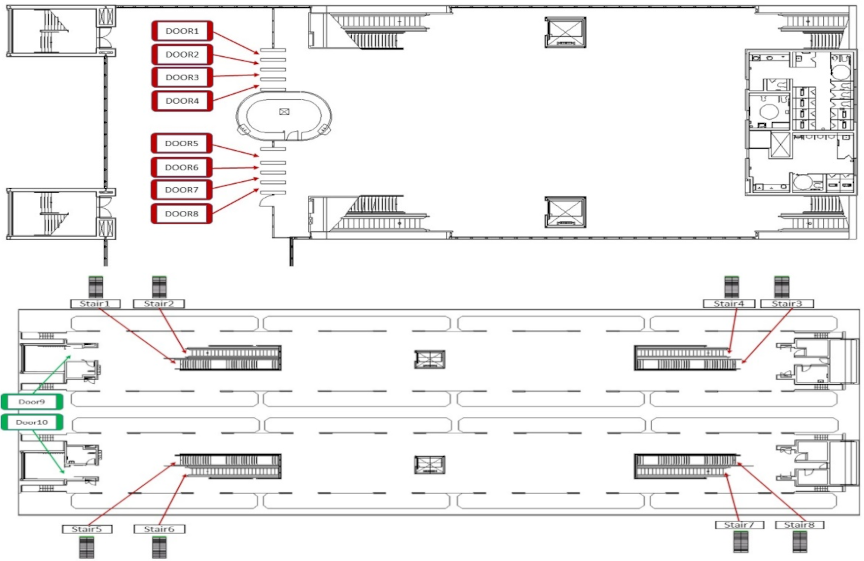
Fig. 3. Spatial map of BuildingEXODUS simulation (the top image shows the 2F and the bottom image shows the 3F).
Table 8. Spatial structure parameters of A8 Station.
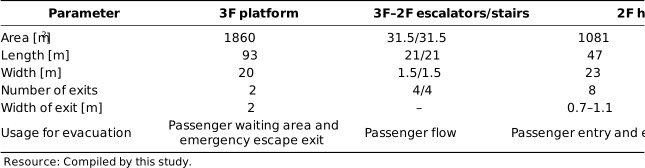
Table 9. Software settings and evaluation indices.
6. Simulation Results and Analysis
6.1. Non-Emergency Situations
The simulated sample is based on the estimated 1,283 people in the Disaster Prevention Plan, of whom 30% are elderly, totaling 384 individuals. The results of each simulation scenario are summarized below. According to NFPA 130, evacuees should leave the platform within 240 s and reach a safe point (i.e., exit the building) within 360 s.
(1) Case 1: In a general non-disaster situation with 384 elderly individuals (30%), the time required for evacuees to leave the platform increased to 414.44 s, and the total evacuation time reached 431.92 s, which did not meet the NFPA 130 standard. The OPS value was poor at 0.222.
(2) Case 2: The results showed that guiding elderly passengers off the platform took 420.52 s, and the total evacuation time reached 440.12 s, which did not meet NFPA 130 standards. The exit usage efficiency (OPS) value was 0.178.
(3) Case 3: With the implementation of diversion and zoning measures, the time required for evacuees to leave the platform was reduced to 215.26 s, and the total evacuation time was 235.17 s, with an OPS value of 0.102. Although the OPS value exceeded 0.1—indicating relatively poor exit usage efficiency—the total evacuation time still met NFPA 130 standards.
Table 10. Survey dates and corresponding site photographs.
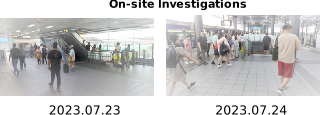
Table 11. Walking speeds of elderly and general passengers [m/s].
(4) Case 4: The results showed that the time for evacuees to leave the platform was 195.21 s, with a total evacuation time of 234.51 s and an OPS value of 0.147. These simulation results met the NFPA 130 standards.
(5) Case 5: According to the simulation results, the time for evacuees to leave the platform was 190.13 s, with an OPS value of 0.098. Although the OPS value was close to 0.1—indicating relatively poor exit usage efficiency—it remained within an acceptable range. Overall, this scenario had the shortest total evacuation time among simulations with similar proportions and met the NFPA 130 standards. The evacuation route map and the relationship between the number of evacuees and elapsed time for non-emergency situations are shown in Fig. 4.
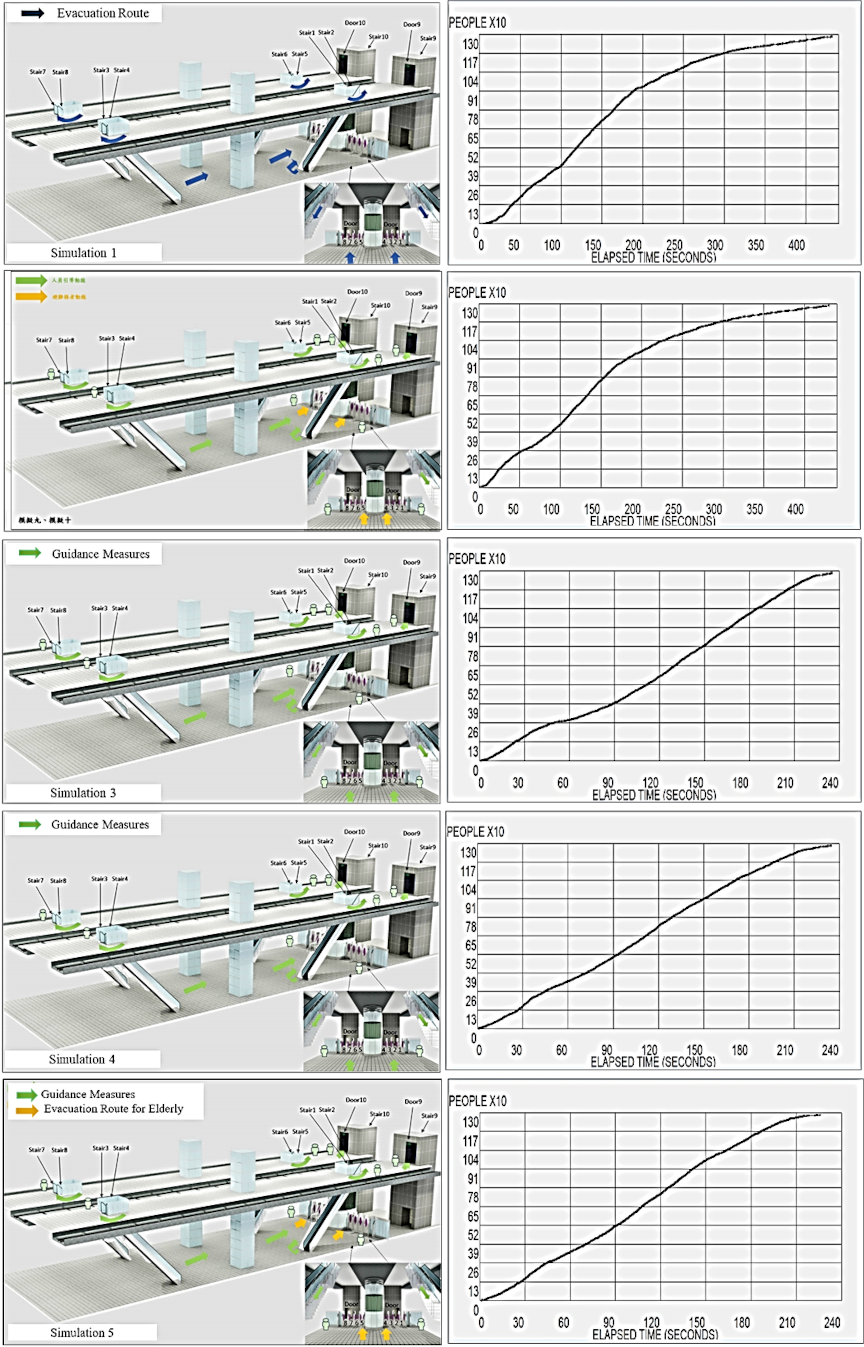
Fig. 4. Evacuation route map and relationship between people and elapsed time (non-emergency). The figure illustrates how zonal guidance and exit management influence evacuation progression and total clearance time.
6.2. Fire Situations
-
(1)
Fire Incident Scenario Setup
This study uses an arson scenario as the fire incident setting (Case 6 and Case 7), where a Molotov cocktail is thrown into the public area near the ticket gate on the second floor. The coordinates of this area are (\(X=30.4\), \(Y=0.0\), \(Z=13.3\)), and the fire source dimensions are 2 m (L) \(\times\) 2 m (W) \(\times\) 2 m (H) (as shown in Fig. 5). Referring to Hsu 8, the primary component used for the fire source is heptane (\(\mathrm{C_7H_{16}}\)), with a growth coefficient set at \(\alpha=0.1876\) kW/s\(^2\) (as shown in Table 12). The fire exhibits very rapid burning, reaching 3.6 MW after 140 s, and then continues to burn steadily until the fire is extinguished.
After setting up the simulation system, the total heat release rate is calculated to be 172.215 MJ/m\(^2\), with a fire peak of 3684.8 kW. The total simulation time is set to 480 s, equivalent to 8 m, at which point firefighters or on-site staff intervene (as shown in Fig. 5).
-
(2)
Hazard Zone and Probe Configuration
SMARTFIRE is a computational fluid dynamic (CFD)-based fire simulation software developed by the Fire Safety Engineering Group (FSEG), University of Greenwich. It solves the three-dimensional form of the Navier–Stokes equations for buoyancy-driven flows to model smoke movement, heat transfer, and toxic gas distribution under fire conditions. The software incorporates combustion models, radiation heat transfer, and temperature-dependent material properties, enabling realistic simulation of thermal environments in enclosed or semi-enclosed spaces.
In this study, SMARTFIRE was used to generate time-dependent hazard fields, including temperature, smoke layer height, and visibility. Probe points were placed at critical locations within the A8 Station concourse and platform levels to capture hazard development over time. These hazard data were subsequently coupled with BuildingEXODUS through the standard SMARTFIRE–EXODUS interface, allowing for direct integration of heat-flow conditions into the evacuation simulation. This approach enables dynamic evaluation of ASET by incorporating realistic fire-induced conditions rather than relying solely on geometric or static assumptions. By customizing the hazard zone, the software can output the average data of hazardous substances generated within the specified zone. This data can then be utilized by the BuildingEXODUS simulation software.
In this study, the hazard zone is set in the public area of the second-floor concourse, with a volume of 51.4 m (L) \(\times\) 6.5 m (W) \(\times\) 24.8 m (H). The software’s functionality is used to collect hazard data during the fire simulation for further analysis (as shown in Fig. 6). Additionally, in this study, probes are placed, stairway exits within the public area of the second-floor concourse to monitor hazardous substance data at each location over specific time intervals. The probes are positioned according to the relative coordinates set within the simulation software, as follows: Upward Area (toward Taipei): Probe 1 (Orange): (\(X=36.74\), \(Y=6.42\), \(Z=4.13\)), Probe 2 (Yellow): (\(X=60.54\), \(Y=6.37\), \(Z=4.04\)). Downward Area (toward Zhongli): Probe 3 (Blue): (\(X=36.05\), \(Y=6.32\), \(Z=22.42\)), Probe 4 (Red): (\(X=60.38\), \(Y=6.31\), \(Z=22.51\)). The locations of probes are shown in Fig. 7.
6.3. Simulation Result
Simulation 6: Due to the significant impact of fire-induced heat-flow temperatures on the evacuation process, exits Door 4 and Door 5 were not used by any evacuees. Because the fire ignition point was located near the concourse-level exit gates on the second floor, the SMARTFIRE results showed that heat-flow temperatures and smoke conditions in this area exceeded tenability thresholds shortly after ignition. Therefore, in accordance with standard emergency response protocols—which require closing exits located within a hazardous zone—the second-floor exits were closed after 117 s of simulation time. As a result, evacuees were forced to move to the third-floor platform for evacuation. During this process, 36 passengers—including 12 elderly individuals—were unable to escape in time (“mortalities”), third-floor stairwell exit. The simulation results showed that the time required for evacuees to leave the platform was 602.21 s, with a total evacuation time of 614.77 s and an OPS value of 0.700, which did not meet the NFPA 130 standard.
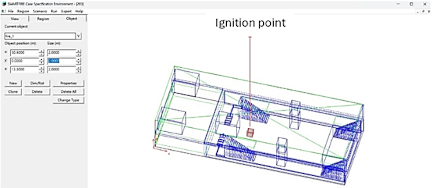
Fig. 5. Fire source size configuration diagram.
Table 12. Fire growth coefficient for \(t^2\) fire scenarios.
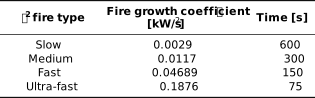
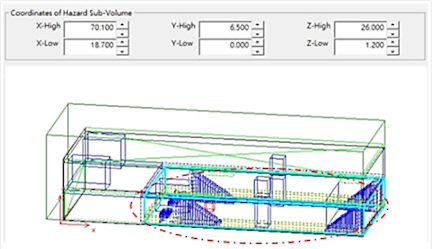
Fig. 6. Range of the hazard zone.
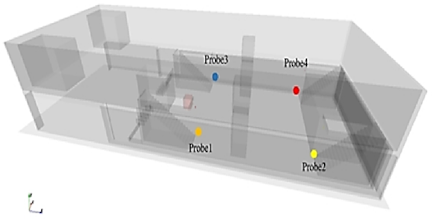
Fig. 7. Probe locations. This figure highlights the impact of heat-flow-induced exit closures on evacuation delay and bottleneck formation.
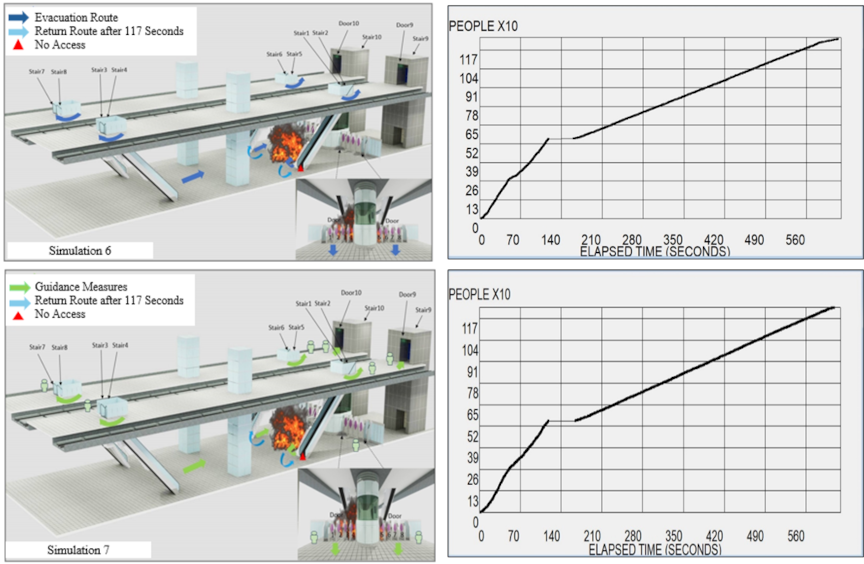
Fig. 8. Evacuation route map and relationship between people and elapsed time (emergency situations).
Table 13. Summary of simulation analysis.
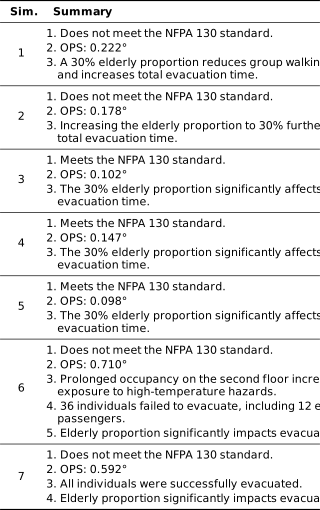
Simulation 7: The OPS value was 0.592, and the time required for evacuees to leave the platform was 560.01 s. The data showed that as the proportion of elderly individuals increased, the overall movement speed slowed, resulting in longer total evacuation times. Although the evacuation time did not meet the NFPA 130 standard under fire-emergency conditions, the implementation of diversion and zoning evacuation strategies still improved evacuation efficiency and reduced total evacuation time, enabling all passengers to evacuate despite the hazard posed by heat-flow temperatures. The evacuation route map and the relationship between evacuee count and elapsed time under emergency conditions are shown in Fig. 8.
The simulation results are summarized in Table 13. In both emergency and non-emergency scenarios, improvements in total evacuation time increase as safety management measures are strengthened, thereby better aligning with NFPA 130 standards. Additionally, when the proportion of elderly individuals rises to 30%, the total evacuation time increases accordingly. Although current passenger volumes at A8 Station have not yet reached the levels modeled in this study, the simulation results provide an important early warning regarding potential evacuation challenges and safety risks, site.
7. Discussion
Based on simulations 1–7, this study presents several findings.
(1) Field survey results at A8 Station indicate two pedestrian categories: elderly (0.68–0.82 m/s) and general passengers (0.76–1.01 m/s). By incorporating these data parameters into the simulation settings, in non-emergency situations, increasing the elderly passenger proportion from 20% to 30% resulted in evacuation time increases of 3.5%–6.7%, depending on the scenario. In emergency situations (simulation 6 and 7), the increases were 1.3% and 3.8%, respectively. These simulation results indicate that an increase in the proportion of elderly passengers significantly affects the overall group movement speed, which in turn has a notable impact on the total evacuation time.
Besides the impact on the total evacuation time, the results of simulations also reveal that when a fire occurs on the second-floor concourse level of A8 Station, the time required for evacuees to leave the hazardous zone on the second floor increases with the proportion of elderly individuals. This is due to fire-induced thermal effects. As the proportion of elderly evacuees increases under random evacuation conditions, the number of passengers unable to evacuate to the third-floor platform level in time (resulting in fatalities, referred to as “mortuary”) rises from 36 to 48, with the number of elderly passengers increasing from 12 to 17. These figures, as presented in the computer simulations, indicate that high temperatures lead to evacuation failures. However, in real-life situations, various crowd incident risk factors arising from different evacuation behaviors can also contribute to evacuation failures.
These findings are consistent with the results of Sekizawa and Nakahama 12, who emphasized that age-related mobility differences significantly influence egress performance. However, unlike their small-scale facility simulations, the present study extends this relationship to a multi-level MRT environment with vertical movement and thermal hazard factors. Moreover, while Tanaka 18 and Fruin 19 proposed generalized walking speed benchmarks, this study refines those estimates through empirical field observation, demonstrating that population heterogeneity can critically alter evacuation time predictions under disaster-induced conditions.
(2) Formulating appropriate crowd evacuation safety management measures and adjusting the evacuation routes is an effective approach during the initial response phase of a disaster. Research findings show that gradually strengthening the safety management measures at A8 Station by setting up attractor and discharge nodes can significantly improve evacuation efficiency. In non-emergency situations, comparative analysis of simulation results indicates improvements in total evacuation time by 44.1%, 44.7%, and 48.3%, respectively, all within the time limits prescribed by NFPA 130. However, in emergency situations, although a comparison between Simulation 6 and Simulation 7 shows a 10.4% improvement in total evacuation time, the results still do not meet the NFPA 130 requirement of evacuating to a safe point within 6 m.
These results align with Guo et al. 10, who demonstrated that active evacuation guidance strategies can effectively reduce crowd congestion. However, this study further reveals that even with attractor-based management, evacuation efficiency remains constrained by environmental hazards such as power failure and thermal flow, suggesting the limits of active guidance under extreme conditions. This observation complements but also contrasts with Hong et al. 9, who identified that algorithmic interventions could reduce panic propagation; in our case, physical constraints (e.g., stair congestion and impaired visibility) play a more decisive role than behavioral dynamics alone.
8. Conclusion
Therefore, this study proposes the following feasible crowd evacuation safety management measures based on the simulation results:
-
(1)
Non-emergency situations:
-
Implement zone guidance, staircases on both sides of the platform level.
-
Increase the availability of emergency exits.
-
Establish dedicated evacuation channels for vulnerable individuals at Door 4 and Door 5 on the concourse level.
-
-
(2)
Emergency situations:
-
Implement zoned guidance, staircases on both sides of the platform level, provided that emergency exits are opened.
-
Although the simulation results show that safety management measures can effectively reduce total evacuation time under emergency conditions, the RSET still does not meet the NFPA 130 standard of full evacuation within 6 m. From the perspective of computer simulation engineering, the evacuation challenges at A8 Station cannot be resolved solely through technical methods. Expert interviews indicate that, in addition to real-time personnel deployment and route adjustments, emphasizing disaster management tailored to vulnerable individuals can be highly beneficial. Recommended actions include proactive local advocacy and cross-agency collaboration during mitigation and preparedness phases, adjusting evacuation guidance for vulnerable individuals during emergency response, establishing comprehensive crowd management plans, and enhancing staff training and drills.
-
A human-centric approach can further improve staff and passenger familiarity with evacuation procedures under various scenarios. Enhancing hardware facilities for vulnerable individuals—such as increasing accessible installations or optimizing signage—can also support smoother evacuation routes and contribute to a more inclusive environment.
-
In conclusion, this study demonstrates that crowd and zonal safety management strategies are feasible at A8 Station when supported by real-time personnel deployment. A more comprehensive approach—integrating both software enhancements (e.g., optimized guidance, monitoring, and simulation-based planning) and hardware improvements (e.g., upgraded signage, accessible facilities, and strengthened evacuation pathways)—can further enhance evacuation efficiency. These strategies offer practical guidance for metro operators in planning and optimizing evacuation and refuge routes.
Nevertheless, several limitations must be acknowledged. First, the simulation adopted fixed walking-speed parameters and assumed simplified behavioral patterns, which may not fully capture the complexities of real-world human behavior under stress. Second, the study focused only on the station interior up to the ticket gate, excluding external circulation spaces managed by other agencies. Third, the proportion of elderly passengers was derived from observational data and ticket categories, which may underestimate actual elderly ridership. Additionally, SMARTFIRE and BuildingEXODUS rely on model assumptions that may influence heat-flow development and evacuation interactions.
Future research should therefore consider incorporating more advanced or hybrid simulation models—such as AI-based behavior prediction, reinforcement learning evacuation strategies, or agent-based models with adaptive decision-making—to better represent dynamic crowd behavior. Field experiments or virtual reality-assisted drills could also be used to validate simulation outcomes. Moreover, studies can expand the scope beyond a single station to examine network-wide evacuation strategies, intermodal transfers, and cascading failures during large-scale emergencies. Finally, a deeper focus on vulnerable populations—including the elderly, individuals with disabilities, and passengers with mobility aids—will be essential for developing inclusive evacuation plans that reflect demographic changes in rapidly aging societies.
Acknowledgments
This research was supported by a project grant from the National Science and Technology Council (NSTC), Taiwan (Grant No.NSTC 114-2625-M-015-003). The authors also express their sincere gratitude to the Taoyuan Metro Corporation for its substantial assistance in data collection and on-site investigations during the course of this study.
- [1] Taoyuan Metro Corporation, “Monthly inbound and outbound passenger numbers (January to December),” 2022. https://reurl.cc/nZkqXe [Accessed December 3, 2022]
- [2] Taoyuan Metro Corporation, “January statistics of elderly inbound and outbound passengers,” 2023. https://reurl.cc/p6XMnb [Accessed July 4, 2023]
- [3] S. W. Chien and W. J. Wen, “A research of the elevator evacuation performance and strategies for Taipei 101 Financial Center,” J. Disaster Res., Vol.6, No.6, pp. 581-590, 2011. https://doi.org/10.20965/jdr.2011.p0581
- [4] National Fire Protection Association, “NFPA 130: Standard for fixed guideway transit and passenger rail systems,” NFPA, 2023.
- [5] National Development Council, Republic of China (Taiwan), “Aging schedule,” 2024. https://reurl.cc/eLKLjR [Accessed March 15, 2024]
- [6] C. W. Chiu, “A study on emergency evacuation response in underground metro stations,” J. of Taiwan Police College, Vol.7, No.8, pp. 141-178, 2022.
- [7] C. F. Tsai, C. H. Shao, H. W. Jian, C. D. Hung, and S. Y. Hsieh, “A study on urban disaster prevention review for urban design review – A review of outdoor space evacuation for buildings,” Research Report Commissioned by the Architecture and Building Research Institute, Ministry of the Interior, 2016. https://reurl.cc/Wv8k8e [Accessed September 19, 2025]
- [8] C. W. Hsu, “A study on evacuation time of people in elevated metro station buildings: A case study of A18 High-Speed Rail Taoyuan Station on the Airport MRT Line,” Master’s thesis, Central Police University, Graduate Institute of Disaster Prevention, 2023.
- [9] L. Hong, J. Gao, and W. Zhu, “Self-evacuation modeling and simulation of passengers in metro stations,” Safety Science, Vol.110, Part B, pp. 127-133, 2018. https://doi.org/10.1016/j.ssci.2018.05.013
- [10] K. Guo, L. Zhang, and M. Wu, “Simulation-based multi-objective optimization towards proactive evacuation planning at metro stations,” Engineering Applications of Artificial Intelligence, Vol.120, Article No.105858, 2023. https://doi.org/10.1016/j.engappai.2023.105858
- [11] C. H. Shao, P. C. Shao, and F. M. Kuo, “Stampede events and strategies for crowd management,” J. Disaster Res., Vol.14, No.7, pp. 949-958, 2019. https://doi.org/10.20965/jdr.2019.p0949
- [12] A. Sekizawa and S. Nakahama, “Study on transportation efficiency of evacuation using elevators in comparison with evacuation using stairs in a high-rise building – Is use of elevator in evacuation really effective for general people?,” J. Disaster Res., Vol.6, No.6, pp. 591-599, 2011. https://doi.org/10.20965/jdr.2011.p0591
- [13] Japan Railway Bureau, “Technical regulatory standards on Japanese railways,” 2012. https://www.mlit.go.jp/english/2006/h_railway_bureau/Laws_concerning/14.pdf [Accessed May 21, 2020]
- [14] P. Gao, D. Wang, T. Zhou, and Z. Liang, “Analysis on the security challenges and organization strategy of evacuation in deep underground stations,” Chinese J. Underground Space and Engineering, Vol.18, No.4, pp. 1051-1061, 2022.
- [15] Ministry of Transportation and Communications, Taiwan, “Fire prevention and safety equipment specifications for railway tunnels and underground stations,” 2008. https://gpi.culture.tw/books/1009701741
- [16] D.-H. Shih, C.-H. Hsiao, C.-P. Wang, Y.-H. Tsao, H.-H. Huang, Y.-C. Chen, K.-K. Chang, C.-H. Lai, and H.-J. Wu, “A study on disaster prevention and emergency management for underground rail transit facilities,” Research Report of the Institute of Transportation, Ministry of Transportation and Communications, Report No.MOTC-IOT-97-SDB002, 2010.
- [17] G. Pan, D. C. Wang, T. J. Zhou, and Z. Liang, “Analysis of evacuation safety challenges and organizational strategies for deep underground stations,” Chinese J. of Underground Space and Engineering, Vol.18, No.4, pp. 1051-1061, 2022. https://doi.org/10.20174/j.JUSE.2025.S1.01
- [18] T. Tanaka, “Introduction to fire safety engineering in architecture (1st ed.),” Architectural Institute of Japan, 1986 (in Japanese).
- [19] J. J. Fruin, “Pedestrian planning and design,” Metropolitan Association of Urban Designers and Environmental Planners, 1971. https://trid.trb.org/view/114653 [Accessed September 19, 2025]
This article is published under a Creative Commons Attribution-NoDerivatives 4.0 Internationa License.