
Research Paper:
Non-Uniform Effects of Gaze-Synchronized Text Presentation on Subjective Concentration and Reading Behavior
Hajime Taguchi† and Hajime Nobuhara

Department of Intelligent Interaction Technologies, University of Tsukuba
1-1-1 Tennodai, Tsukuba, Ibaraki 305-8573, Japan
†Corresponding author

Digital reading support systems often assume that restricting text presentation enhances attentional engagement, overlooking individual variations in reading strategies. We implemented a gaze-contingent text presentation method in a virtual reality head-mounted display that dynamically revealed text based on real-time gaze behavior. Twenty-two participants read under static and gaze-contingent conditions. Momentary attentional state was assessed using in situ probes, with the primary analysis focusing on self-reported concentration ratings on a 6-point scale. Eye movements were analyzed using hierarchical Bayesian modeling. Gaze-contingent presentation did not produce a group-level enhancement in subjective concentration (odds ratio =1.02, 95% credible interval (CrI) [0.55,1.94]). Instead, substantial individual heterogeneity was observed, suggesting that the same presentation constraint may increase concentration for some readers while decreasing it for others. Exploratory analyses suggested that reader characteristics may modulate this response: lower topic interest tended to be associated with higher concentration under gaze-contingent presentation, whereas greater daily social networking service usage or higher long-text reading skill tended to be associated with lower concentration. Because the CrIs for these exploratory predictors included the neutral value, these findings should be interpreted as tentative tendencies rather than confirmed subgroup effects. In contrast, gaze-contingent presentation systematically reorganized eye movements, reducing inter-line regressions (estimate =-1.45, probability of direction >0.99) and increasing intra-line regressions (estimate =0.63, probability of direction >0.99). These findings suggest that gaze-contingent presentation can restructure observable reading behavior even when subjective concentration does not improve uniformly. Rather than functioning as a universal attention enhancer, synchronized presentation may serve as an intervention that modulates the coupling between presentation constraints, reading behavior, and self-reported attentional experience. This provides empirical groundwork for adaptive reading interfaces that account for individual reading strategies.
Gaze-contingent text presentation
1. Introduction
Digital reading environments increasingly mediate how readers allocate attentional resources during extended text processing. While electronic media have expanded access to information, accumulating evidence suggests that digital reading often promotes fragmented, non-linear, and shallow processing patterns that may reduce attentional engagement and deep comprehension 1. As a result, various forms of presentation control—such as rapid serial visual presentation or time-contingent progressive disclosure—have been introduced as external constraints designed to regulate attentional allocation during reading 2,3,4.
These approaches share a common assumption: restricting visible information or imposing temporal pacing can stabilize attentional engagement. This premise is theoretically grounded in cognitive load theory and resource-based models of attention, which posit that limiting incoming information reduces attentional dispersion 5. However, empirical findings across studies remain inconsistent. Some readers benefit from constrained presentation, while others experience reduced fluency or increased cognitive strain. Such variability suggests a deeper unresolved issue: presentation control may interact with internal reading strategies rather than uniformly enhancing attention.
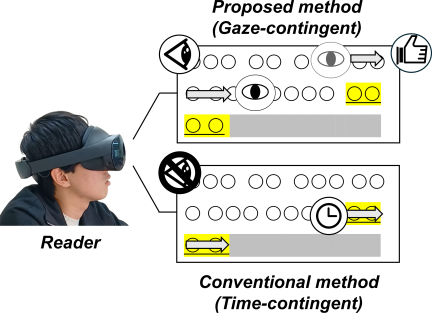
Fig. 1. Comparison of conventional time-contingent and proposed gaze-contingent text presentation. Gaze-contingent presentation synchronizes visual text disclosure with the reader’s real-time gaze position, unlike time-contingent presentation which relies on fixed temporal pacing.
Most prior research has treated this variability as noise around an average effect. Yet reading is fundamentally an adaptive behavior shaped by individual differences in attentional control, perceptual span, reading proficiency, and habitual information consumption patterns. Skilled readers often employ strategic skimming, previewing, and global scanning, whereas others rely more heavily on sequential processing. Imposing uniform temporal constraints may therefore either scaffold or conflict with pre-existing strategies. The central question is not simply whether presentation control improves self-reported concentration on average, but how such control reorganizes the coupling between readers’ subjective attentional states and observable reading behavior.
Eye movements provide a privileged window into this coupling. Under natural reading conditions, fixation patterns, regressions, and gaze transitions are tightly linked to linguistic processing, consistent with the eye–mind hypothesis 6. However, when presentation constraints actively restructure what can be visually accessed, this correspondence may itself be altered. In other words, intervention at the level of perceptual input may decouple or reorganize the relationship between cognitive attention and observable gaze behavior. Despite advances in eye tracking and immersive display technologies, this structural question remains largely unexplored.
Closely related work has examined gaze-contingent rendering and gaze-based text modification in reading. For example, Albert et al. reported that gaze-contingent rendering can reduce reading speed for fast readers 7, and Yang investigated how gaze-contingent text changes affect fixation duration during reading 8. In head-mounted display (HMD) environments, Sagirisaka et al. examined a readability-improvement system using dynamic text magnification in the peripheral field of view 9. These studies indicate that gaze-contingent or gaze-aware text presentation can substantially alter reading behavior, but the relationship between such behavioral changes and self-reported attentional state remains insufficiently understood.
In the present study, we propose and implement a gaze-contingent text presentation method that dynamically synchronizes text disclosure with real-time gaze behavior. Unlike time-contingent methods that impose fixed pacing, our approach defines presentation progress as a function of estimated reading position (Fig. 1). This behavioral synchronization allows presentation control to be temporally coupled with ongoing processing, minimizing externally imposed timing mismatches while still constraining excessive look-ahead behavior.
Rather than testing whether gaze-contingent presentation universally enhances sustained attention in a broad sense, we examine whether synchronizing presentation control with gaze restructures the relationship between self-reported attentional state and observable reading behavior. Specifically, we address three interconnected questions:
-
1.
Does gaze-synchronized presentation produce a uniform group-level improvement in subjective concentration?
-
2.
To what extent do effects diverge across individuals, indicating non-uniform interactions with reading strategies?
-
3.
Does the intervention systematically reorganize eye-movement structure independently of subjective concentration ratings?
To answer these questions, we conducted a within-subjects experiment in an immersive HMD environment with integrated eye tracking. Momentary attentional state was assessed using in situ probes, with the primary analysis focusing on self-reported concentration ratings, while gaze behavior metrics were analyzed to quantify structural changes in reading patterns. A hierarchical Bayesian framework was employed to estimate both population-level effects and the distribution of individual differences.
Our findings indicate that gaze-contingent presentation does not produce a robust group-level improvement in subjective concentration. However, substantial individual variability emerged, suggesting that the same presentation constraint may affect readers differently. Exploratory analyses further suggested that readers with lower initial topic interest may benefit from external scaffolding, whereas those reporting higher long-text reading skill or greater daily social networking service usage may experience reduced concentration under the gaze-contingent condition. Importantly, these individual-difference patterns are interpreted as tentative tendencies rather than confirmed subgroup effects. Critically, gaze-contingent presentation systematically reorganized eye-movement patterns—reducing inter-line regressions while increasing intra-line regressions—regardless of the absence of a uniform subjective effect. These results suggest that behavioral synchronization can restructure reading behavior even when subjective concentration does not uniformly improve.
Together, these findings suggest that presentation control should not be conceptualized as a universal attentional enhancer. Instead, it may function as an interventional mechanism that reshapes the dynamic coupling between presentation constraints, subjective attentional experience, and reading behavior. By foregrounding non-uniformity rather than averaging it away, this study provides an empirical basis for understanding how adaptive interfaces may interact with individual reading strategies.
2. Materials and Methods
2.1. Design and Implementation of Gaze-Contingent Text Presentation
2.1.1. Design Philosophy: Viewing Presentation Control as “Behavioral Synchronization” Rather than “Attention Manipulation”
As discussed in the Introduction, presentation control in digital reading is a rational intervention based on the cognitive constraint of finite attentional resources, but uniform time-contingent control can conflict with the reader’s internal reading processes. We believe this mismatch stems not from the validity of presentation control itself, but from the fact that the control is applied in isolation from the reader’s processing state.
In this study, we reframe this problem not as an issue of “presentation precision” or “optimal speed,” but from the perspective of how to synchronize presentation control with reader behavior. That is, instead of driving text presentation unilaterally from the outside, we aim to align presentation control temporally with the reading process by directly associating behavioral indicators—specifically, where the reader is actually reading—with the progress of the presentation.
In this design philosophy, presentation control is positioned not as a manipulation to forcibly guide attention, but as a subsidiary structure (attentional scaffold) that responds to reading behavior. This method is not intended to uniformly improve attentional states, but is designed as an interventional framework to verify how presentation control can affect attentional states.
2.1.2. Estimation and Stabilization of Reading Progress Based on Gaze Behavior
To estimate the current reading position of a reader externally during reading, we use gaze behavior. Gaze fixations during reading are closely related to the processing of words and sentences, and the temporal transition of gaze positions is considered a strong behavioral indicator reflecting reading progress.
The flow from gaze acquisition to contingent presentation is shown in Fig. 2.
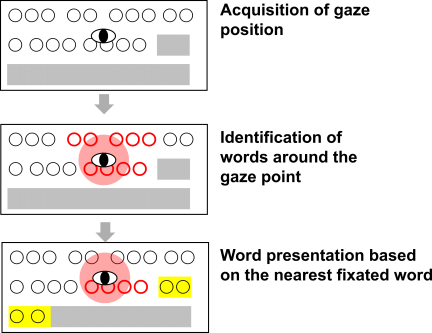
Fig. 2. Overview diagram of the process flow for gaze-contingent text reveal. Eye-tracking data is sampled in real-time to compute the reader’s focus, and the visual layout is dynamically updated based on the defined disclosure offset.
In this study, we use the eye-tracking function built into the HMD to acquire the gaze point in real time during reading. The acquired gaze coordinates are mapped to the layout of the text being presented, and the word being attended to is identified based on the spatial correspondence with the display area of each word.
Note that in eye tracking within a virtual reality (VR) environment, minute eye jitter and momentary gaze deviations are unavoidable. Therefore, we adopt a method to perform stable word identification using multiple samples around the gaze point, rather than relying on a decision based on a single point. Specifically, we sample nine points spaced equally around the gaze point and obtain the nearest word for each point. From these, the word closest to the unrevealed area is determined as the visual word index. This reduces misjudgments caused by gaze noise and ensures the stability of presentation control.
2.1.3. Mathematical Definition of Control Rules for Gaze-Contingent Text Presentation
In the gaze-contingent text presentation in this study, the progress of presentation is defined based on a clear mathematical rule. Let \(w_g(t)\) be the word index estimated to correspond to the reader’s gaze at time \(t\). Let \(L(k)\) represent the starting character position of each word \(k\) as a coordinate within the sentence. At this time, the maximum word index \(k_g(t)\) allowed to be revealed at time \(t\) is defined by the following equation:
Here, \(d\) is a parameter representing the disclosure offset relative to the gaze position, which plays the role of controlling the number of characters that can be revealed ahead of the gaze position. With this rule, the range of text presented is dynamically updated based on the reader’s actual reading position.
Importantly, this control does not directly regulate time or speed, but defines presentation progress by imposing spatial constraints on the reader’s reading behavior. This realizes synchronization between presentation control and reading progress without setting a fixed presentation speed.
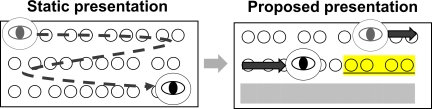
Fig. 3. Comparing static and gaze-contingent sequential reading. The left panel shows the static condition with full text visibility, while the right panel illustrates the constrained text disclosure based on real-time gaze in the proposed method.
2.1.4. Parameter Settings and Design Considerations
In this study, the exploration radius \(r\) and the disclosure offset \(d\) were determined through preliminary experiments. The exploration radius was set to \(r = 1.58\) characters, corresponding to 31.6 distance-independent millimeters (dmm), and was used to sample neighboring candidate points around the gaze position for stable word identification. Based on prior research concerning saccade amplitudes during Japanese reading 10,11, \(d\) was evaluated against a minimum threshold designed to suppress excessive look-ahead behavior without impeding natural gaze transitions. Through comparative experiments, we adopted \(d = 10\) characters as a condition that achieved a stable balance between reading fluency and the intended presentation constraint.
The purpose of this study was not to optimize \(r\) or \(d\), but to examine how a gaze-contingent presentation constraint affects subjective concentration and reading behavior. Therefore, these parameters were kept within a range that avoided extreme conditions and did not substantially impair natural reading behavior.
2.1.5. Static Presentation Condition as a Comparison Condition
To evaluate the impact of gaze-contingent presentation (Fig. 3, right), we set a static presentation condition (Fig. 3, left) where the entire text is displayed at once, similar to conventional reading, as a comparison condition. This is a condition where readers can freely look ahead or back. This condition is not set as a standard to evaluate superiority over gaze-contingent presentation, but as a reference condition to clarify how presentation methods interact with attentional states.
2.1.6. Positioning and Verifiability of This Method
As described above, the gaze-contingent text presentation method proposed in this study adopts a design that avoids the mismatch with internal processes inherent in time-contingent control by strictly coupling presentation control with the reader’s gaze behavior. On the other hand, this method is not an optimization method aimed at uniformly improving attention.
The significance of this method lies in configuring presentation control as a mathematically definable interventional device, making the relationship with attentional states empirically verifiable. This allows us to examine, in the following experiment and analyses, not only whether the effect of presentation control appears as a group average, but also how it appears as an interaction with reader characteristics and reading strategies.
2.2. Experiment Design and Analysis
2.2.1. Experiment Purpose and Verification Strategy
In this section, we empirically examine how the gaze-contingent text presentation method defined in Section 2.1 affects subjective concentration during digital reading. The purpose of this study is not to show whether a specific presentation method uniformly improves attention, but to clarify how the intervention of presentation control interacts with the reader’s attentional state.
From this perspective, we adopt an experimental design and analysis strategy that allows us to compare the impact of differences in presentation methods on subjective attentional states, while simultaneously verifying whether the effect is uniform across participants.
2.2.2. Participants
Twenty-four people participated in the experiment. Of these, two were excluded due to difficulties in analysis caused by experiment interruption, and data from 22 participants (14 males, 8 females, mean age 24.7 years, SD 6.4 years) were finally included in the analysis. All participants were native Japanese speakers and had normal or corrected-to-normal vision.
All experimental protocols were approved by the Research Ethics Committee of the Faculty of Engineering, Information and Systems, University of Tsukuba (Approval No. 2025R006). All experiments were performed in accordance with the regulations regarding the ethics of research involving human subjects at the University of Tsukuba. Informed consent was obtained from all participants prior to their participation, and we confirm that no minors were included in the study. Furthermore, informed consent was obtained from the participant whose facial image is shown in the figures to publish the image in an online open-access publication.
2.2.3. Experimental Environment and Apparatus
The experiment was conducted in an environment using an HMD with built-in eye-tracking functions (Meta Quest Pro, Meta Platforms, Inc., Menlo Park, CA, USA; sampling rate: 90 Hz) 12. By using an HMD, we reduced factors such as external visual distractions and notifications, creating conditions where the influence of presentation control itself on attentional states could be observed in a relatively pure form. The presented text was displayed on a fixed plane in virtual space, and participants read in a natural posture allowing head movement. An example of the actual screen presented is shown in Fig. 4.
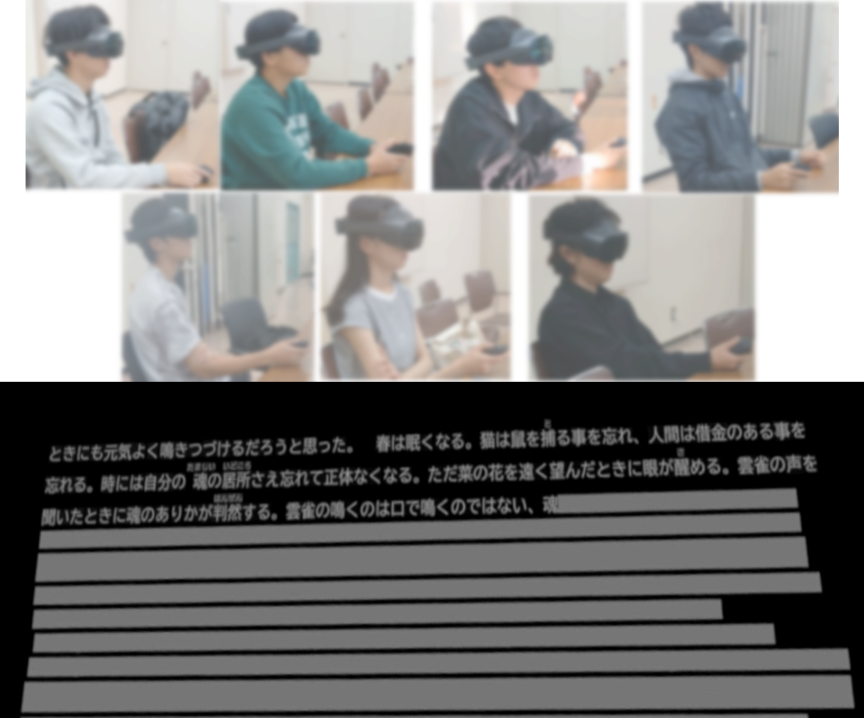
Fig. 4. An experiment on gaze-contingent sequential reading. The participant reads the text in the immersive VR environment using the HMD.
Gaze data were acquired in real time and used for presentation control based on the gaze-position estimation and disclosure rules described in Sections 2.1.2–2.1.4.
2.2.4. Reading Material
We used a part of Soseki Natsume’s “Kusamakura” (The Three-Cornered World) in its original Japanese text as the reading material 13. This work is characterized by a style focused on description and contemplation rather than narrative development, requiring readers to engage in local intensive reading and introspective processing. This characteristic is considered suitable for evaluating the sustainability and deviation of attention.
In gaze-contingent presentation, since control is performed on a word-by-word basis, the text was divided into words in advance. MeCab (Taku Kudo, Japan), a morphological analyzer, was used for word segmentation 14.
The presented text was laid out on a fixed virtual plane. The font size was set to 20 dmm, and the viewing distance was set to 2.7 m, following prior work on text readability and reading interfaces in HMD environments 15,16,17. Each page contained approximately 52 Japanese characters per line and 32 lines. These settings were kept constant across presentation conditions so that visual factors other than the presentation method would not affect the results.
2.2.5. Experimental Conditions and Tasks
In this study, we established the following two presentation conditions:
-
・
Static Presentation Condition
The entire text is displayed at once, and participants can freely look ahead or back.
-
・
Gaze-Contingent Presentation Condition
Text is revealed sequentially according to the participant’s gaze behavior, based on the gaze-contingent disclosure rule described in Sections 2.1.2–2.1.4.
The experimental procedure is shown in Fig. 5.
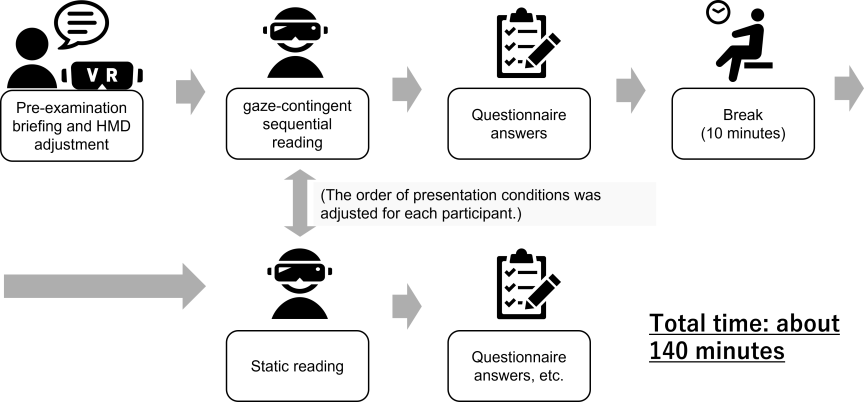
Fig. 5. Flow diagram of the experimental procedure.
All participants experienced both conditions in a within-subjects design. A page was defined as one screenful of text presented on the fixed virtual plane. Each page contained approximately 52 Japanese characters per line and 32 lines. Participants read a continuous text totaling approximately 30,000 characters, with approximately 15,000 characters assigned to each condition. The order of the text sections was fixed across participants so that all participants read the same literary text in the same narrative order. To reduce confounding between presentation condition and text section, the assignment of presentation conditions to the two text sections was counterbalanced across participants. The two counterbalancing sequences were assigned evenly: 11 participants read Text A under the gaze-contingent condition followed by Text B under the static condition, and 11 participants received the reverse assignment.
Before the start of the experiment, HMD fitting, gaze calibration, and gaze-tracking checks were performed. Participants then completed a reading practice of approximately 1,000 characters under the gaze-contingent presentation condition to confirm that they were sufficiently accustomed to the presentation method. Participants were instructed to “read while understanding the content, just like normal reading.” A break of approximately 10 minutes was provided between the two reading blocks to reduce fatigue. Because each reading block was relatively long and the text-section order was fixed, potential order, practice, and fatigue effects were considered by counterbalancing the presentation-condition assignment and by including participant-level random effects in the hierarchical model.
2.2.6. Measurement of Subjective Concentration
While sustained attention is often defined theoretically as the ability to maintain task-related focus over extended periods while suppressing task-unrelated thoughts, or mind wandering 18, operationalizing this construct in continuous reading requires careful consideration. To capture readers’ momentary self-reported attentional state during reading, we adopted an in situ probe method, which is commonly used to assess attentional fluctuations and mind wandering 19. Mind wandering during reading may occur with or without explicit meta-awareness, and readers may not always immediately recognize that their attention has shifted away from the text 20.
During reading under each condition, probe items were presented once per page. The timing of each probe was pre-specified randomly between 10 and 60 seconds after the onset of the page. The probe consisted of three questions: (1) where the participant’s thoughts were immediately before the interruption, (2) the participant’s current attentional state, and (3) the participant’s perceived understanding of the text read since the previous probe. The first question asked participants to select whether their thoughts were directed toward reading or understanding the text, thoughts related to the text content, or thoughts unrelated to the text or no particular thought. The second question asked participants to rate their attentional state on a 6-point scale, ranging from attention having deviated from reading to being concentrated on reading. The third question asked participants to rate their perceived comprehension on a 7-point scale.
The primary dependent variable in the present analysis was the second item, namely the 6-point self-reported concentration rating. We therefore refer to this measure as subjective concentration or self-reported attentional state throughout the manuscript. Although this measure is related to sustained attention and mind wandering, it is not fully equivalent to a standard binary on-task/off-task or task-unrelated-thought probe.
2.2.7. Questionnaires and Auxiliary Tasks
After each condition, participants answered a condition-specific questionnaire to record their reading experience and subjective evaluation. The questionnaire included items on reading fluency, immersion, perceived comprehension, cognitive demand, effort, frustration, and interest in the presented text. After completing both conditions, participants answered an additional questionnaire regarding the entire experiment and their reading-related characteristics.
The individual-difference variables used in the exploratory analyses were obtained from these questionnaires. Daily social networking service (SNS) usage was measured by asking participants to report the average amount of time per day they had spent viewing SNS during the preceding month. Topic interest was measured using a 7-point Likert item asking whether the participant was interested in the topic of the novel used in the experiment. Long-text reading skill was measured using a 7-point Likert item asking whether the participant was good at reading long texts. These variables were treated as participant-level covariates in the exploratory interaction analyses. Daily SNS usage was entered as total minutes per day: responses recorded in hours and minutes were converted to minutes. Topic interest and long-text reading skill were numerically coded from 1 to 7, with higher scores indicating greater interest and greater self-reported skill, respectively. Before model fitting, all three participant-level covariates were \(z\)-standardized to a mean of 0 and a standard deviation of 1. Because these analyses were exploratory and the credible intervals (CrIs) for these predictors included the neutral value, the corresponding findings are interpreted as tentative tendencies rather than confirmed subgroup effects.
2.2.8. Analysis Strategy
In the analysis, we did not assume that the effect of presentation conditions is uniform across participants, but adopted a policy to estimate the distribution of effects and the structure of individual differences themselves.
Therefore, this study used a hierarchical Bayesian model. Since the primary outcome was the 6-point self-reported concentration rating, it was treated as an ordinal variable and analyzed using an ordinal regression model with a logit link function. We introduced the presentation condition as a fixed effect, along with random intercepts for participants (ID) and stimulus pages (Stimulus). Here, Stimulus denotes the presented page, which served as the observation-level text unit in the reading task. Presentation condition was effect-coded as \(+0.5\) for the gaze-contingent condition and \(-0.5\) for the static condition. Consequently, interaction odds ratios represent the change in the presentation-condition effect associated with a one-standard-deviation increase in the corresponding covariate. To capture individual differences in the intervention effect, by-participant random slopes for the condition effect were additionally included; no random slopes were set for the Stimulus random term. The final model structure was determined through a model selection process based on the widely applicable information criterion. Following the recommendations of Bürkner and Vuorre 21, the analysis was conducted within a Bayesian statistical modeling framework using the brms package 22 in the R statistical environment 23.
Markov chain Monte Carlo methods were used for parameter estimation. Convergence of the model was evaluated based on the Gelman–Rubin statistic 24, with \(\hat{R} < 1.01\) as the criterion for convergence. As summary statistics for the magnitude and uncertainty of the effect, the odds ratio (\(\mathrm{OR}\)), 95% CrI, and probability of direction (\(\mathrm{pd}\)), representing the certainty of the effect direction, were calculated. The subjective-concentration analysis included 606 valid page-level probe responses (307 gaze-contingent and 299 static) from 22 participants. The eye-movement analyses included 606 participant-by-page observations from the same retained set of pages. These counts reflect 616 planned participant-condition-page observations minus 10 page records flagged during preprocessing as missing or invalid because of interruptions, accidental page transitions or restarts, or unusable recording segments. No additional missing values were present in the final subjective-concentration model input.
| Statistic | Value |
| \(\mathrm{OR}\) | 1.02 |
| 95% \(\mathrm{CrI}\) (\(\mathrm{OR}\)) | [0.55, 1.94] |
| \(\mathrm{pd}\) | 0.53 |
Note. The analysis included 22 participants. The analytical sample comprised 606 page-level probe responses (307 gaze-contingent and 299 static); 10 of 616 planned page records were excluded because they were flagged as missing or invalid during preprocessing. The dependent variable was the 6-point self-reported concentration rating. The model included presentation condition as a fixed effect, random intercepts for participants and stimulus pages, and by-participant random slopes for the condition effect.
| Metric / Covariate | Term | Median OR | 95% CrI (OR) | pd |
| MWQ_Score | Condition | 1.028 | [0.563, 1.922] | 0.533 |
| MWQ_Score | IV | 0.820 | [0.391, 1.737] | 0.705 |
| MWQ_Score | Condition:IV | 1.161 | [0.638, 2.139] | 0.687 |
| HMD usage frequency | Condition | 0.988 | [0.533, 1.843] | 0.514 |
| HMD usage frequency | IV | 0.907 | [0.447, 1.860] | 0.608 |
| HMD usage frequency | Condition:IV | 0.843 | [0.456, 1.619] | 0.710 |
| Recent reading volume | Condition | 0.981 | [0.526, 1.813] | 0.526 |
| Recent reading volume | IV | 1.470 | [0.708, 2.993] | 0.859 |
| Recent reading volume | Condition:IV | 1.003 | [0.543, 1.813] | 0.503 |
| Recent print media volume | Condition | 0.997 | [0.530, 1.879] | 0.504 |
| Recent print media volume | IV | 0.961 | [0.480, 1.862] | 0.549 |
| Recent print media volume | Condition:IV | 0.934 | [0.503, 1.754] | 0.584 |
| Daily reading minutes | Condition | 0.972 | [0.536, 1.858] | 0.541 |
| Daily reading minutes | IV | 0.995 | [0.503, 2.035] | 0.504 |
| Daily reading minutes | Condition:IV | 1.193 | [0.656, 2.117] | 0.720 |
| Max reading minutes | Condition | 0.980 | [0.523, 1.832] | 0.529 |
| Max reading minutes | IV | 1.535 | [0.763, 2.998] | 0.886 |
| Max reading minutes | Condition:IV | 0.972 | [0.524, 1.797] | 0.537 |
| Daily SNS | Condition | 0.947 | [0.536, 1.677] | 0.575 |
| Daily SNS | IV | 1.123 | [0.546, 2.354] | 0.624 |
| Daily SNS | Condition:IV | 0.590 | [0.336, 1.084] | 0.955 |
| Topic interest | Condition | 0.967 | [0.534, 1.753] | 0.541 |
| Topic interest | IV | 1.105 | [0.568, 2.211] | 0.611 |
| Topic interest | Condition:IV | 0.626 | [0.357, 1.168] | 0.938 |
| Modern literature frequency | Condition | 0.980 | [0.529, 1.887] | 0.528 |
| Modern literature frequency | IV | 1.055 | [0.513, 2.124] | 0.564 |
| Modern literature frequency | Condition:IV | 1.043 | [0.553, 1.963] | 0.555 |
| Long text skills | Condition | 0.977 | [0.516, 1.857] | 0.530 |
| Long text skills | IV | 0.996 | [0.494, 2.079] | 0.505 |
| Long text skills | Condition:IV | 0.767 | [0.425, 1.427] | 0.806 |
| Long text boredom | Condition | 0.981 | [0.518, 1.906] | 0.524 |
| Long text boredom | IV | 1.007 | [0.474, 2.048] | 0.508 |
| Long text boredom | Condition:IV | 1.165 | [0.644, 2.163] | 0.689 |
| Interest concentration correlation | Condition | 0.966 | [0.519, 1.868] | 0.540 |
| Interest concentration correlation | IV | 1.148 | [0.546, 2.269] | 0.646 |
| Interest concentration correlation | Condition:IV | 0.988 | [0.534, 1.821] | 0.518 |
| PageIndex | Condition | 1.024 | [0.553, 2.056] | 0.534 |
| PageIndex | IV | 0.614 | [0.509, 0.746] | 1.000 |
| PageIndex | Condition:IV | 0.940 | [0.688, 1.263] | 0.658 |
| PageReadingTime | Condition | 1.000 | [0.544, 1.848] | 0.500 |
| PageReadingTime | IV | 0.774 | [0.558, 1.063] | 0.942 |
| PageReadingTime | Condition:IV | 0.903 | [0.567, 1.425] | 0.667 |
| regressive_ratio | Condition | 0.951 | [0.482, 1.927] | 0.555 |
| regressive_ratio | IV | 0.921 | [0.653, 1.294] | 0.689 |
| regressive_ratio | Condition:IV | 1.080 | [0.586, 1.950] | 0.603 |
| regressive_inter_line_ratio | Condition | 0.932 | [0.438, 1.960] | 0.575 |
| regressive_inter_line_ratio | IV | 0.880 | [0.598, 1.305] | 0.728 |
| regressive_inter_line_ratio | Condition:IV | 1.064 | [0.566, 2.100] | 0.575 |
| regressive_intra_line_ratio | Condition | 1.010 | [0.526, 1.912] | 0.513 |
| regressive_intra_line_ratio | IV | 1.061 | [0.767, 1.457] | 0.635 |
| regressive_intra_line_ratio | Condition:IV | 0.976 | [0.584, 1.588] | 0.539 |
| avg_saccade_amp | Condition | 0.992 | [0.528, 1.964] | 0.510 |
| avg_saccade_amp | IV | 1.142 | [0.812, 1.634] | 0.777 |
| avg_saccade_amp | Condition:IV | 1.005 | [0.624, 1.589] | 0.507 |
| avg_progressive_saccade_amp | Condition | 0.950 | [0.492, 1.810] | 0.564 |
| avg_progressive_saccade_amp | IV | 1.285 | [0.917, 1.810] | 0.929 |
| avg_progressive_saccade_amp | Condition:IV | 0.850 | [0.518, 1.360] | 0.752 |
| avg_progressive_stay_saccade_amp | Condition | 0.972 | [0.523, 1.824] | 0.533 |
| avg_progressive_stay_saccade_amp | IV | 1.268 | [0.917, 1.757] | 0.922 |
| avg_progressive_stay_saccade_amp | Condition:IV | 0.918 | [0.568, 1.497] | 0.642 |
| total_fixation_count | Condition | 0.996 | [0.547, 1.843] | 0.504 |
| total_fixation_count | IV | 0.707 | [0.506, 0.976] | 0.981 |
| total_fixation_count | Condition:IV | 0.889 | [0.560, 1.436] | 0.689 |
| avg_fixation_duration | Condition | 1.049 | [0.533, 2.030] | 0.561 |
| avg_fixation_duration | IV | 1.572 | [1.210, 2.061] | 1.000 |
| avg_fixation_duration | Condition:IV | 1.323 | [0.882, 2.036] | 0.909 |
| commission_errors | Condition | 1.042 | [0.538, 1.896] | 0.552 |
| commission_errors | IV | 0.745 | [0.371, 1.541] | 0.787 |
| commission_errors | Condition:IV | 0.922 | [0.495, 1.745] | 0.604 |
| go_rt_mean_ms | Condition | 1.043 | [0.566, 1.935] | 0.560 |
| go_rt_mean_ms | IV | 1.555 | [0.724, 3.114] | 0.878 |
| go_rt_mean_ms | Condition:IV | 1.287 | [0.682, 2.334] | 0.794 |
| go_rt_cv | Condition | 1.038 | [0.563, 1.904] | 0.546 |
| go_rt_cv | IV | 0.977 | [0.470, 1.989] | 0.525 |
| go_rt_cv | Condition:IV | 1.157 | [0.624, 2.085] | 0.679 |
Note: See Appendix A.1 for model details and interpretation of the reported terms.
3. Results
3.1. Group-Level Effects on Subjective Concentration
The results of the hierarchical Bayesian ordinal regression model for the main condition effect on subjective concentration are shown in Table 1. Comprehensive results of the exploratory hierarchical Bayesian ordinal regression models for subjective concentration are provided in Table 2.
Regarding the fixed effect of presentation condition, gaze-contingent presentation did not produce a robust group-level enhancement in subjective concentration. Specifically, the fixed effect was estimated with an odds ratio of \(\mathrm{OR}=1.02\) and a probability of direction of \(\mathrm{pd}=0.53\), indicating that the direction of the effect was nearly neutral. The 95% CrI widely included the neutral value (\(\mathrm{OR}=1\)). These results indicate that gaze-contingent presentation did not function as a method that uniformly improved self-reported concentration at the group level.
| Metric | \(\mathrm{OR}\) [95% \(\mathrm{CrI}\)] | \(\mathrm{pd}\) |
| Daily SNS usage | 0.59 [0.34, 1.08] | 0.96 |
| Topic interest | 0.63 [0.36, 1.17] | 0.94 |
| Long text skills | 0.77 [0.42, 1.43] | 0.81 |
Note: The analysis included 22 participants. The analytical sample comprised 606 page-level probe responses. Daily SNS usage, topic interest, and long-text reading skill were \(z\)-standardized before analysis; the reported interaction odds ratios therefore correspond to a one-standard-deviation increase in each covariate. Each model included presentation condition, the participant-level covariate, and their interaction. Because the 95% CrIs included the neutral value, these results are interpreted as exploratory tendencies rather than confirmed subgroup effects.
| Metric | Estimate [95% \(\mathrm{CrI}\)] | \(\mathrm{pd}\) |
| Inter-line regression rate | \(-1.45\) [\(-1.71\), \(-1.14\)] | \(1.000\) |
| Intra-line regression rate | \(0.63\) [0.29, 0.95] | \(0.999\) |
Note: The analysis included 22 participants. The eye-movement analyses included 606 participant-by-page observations after the same 10 predefined page exclusions. Estimates are standardized condition effects from hierarchical Bayesian models. Positive estimates indicate larger values in the gaze-contingent condition, whereas negative estimates indicate smaller values in the gaze-contingent condition. Comprehensive results for all eye-movement metrics are provided in Table 5.
| Metric | Estimate | 95% CrI | pd |
| regressive_ratio | \(-1.297\) | [\(-1.550\), \(-1.005\)] | 1.000 |
| regressive_inter_line_ratio | \(-1.450\) | [\(-1.711\), \(-1.144\)] | 1.000 |
| regressive_intra_line_ratio | 0.628 | [0.294, 0.948] | 0.999 |
| avg_progressive_saccade_amp | 0.503 | [0.168, 0.816] | 0.996 |
| avg_progressive_stay_saccade_amp | 0.439 | [0.116, 0.750] | 0.996 |
| total_fixation_count | \(-0.173\) | [\(-0.500\), 0.174] | 0.857 |
| avg_fixation_duration | \(-0.037\) | [\(-0.212\), 0.149] | 0.671 |
Note: See Appendix A.2 for model details and interpretation of the reported terms.
3.2. Heterogeneity in Individual Responses
In contrast to the near-neutral fixed effect, the by-participant random slopes for the condition effect indicated substantial variability in individual responses. While the 95% CrI for the fixed effect was wide yet centered near neutrality (\(\mathrm{CrI}=[0.55, 1.94]\)), the participant-specific deviations spanned both positive and negative directions. This pattern suggests that the effect of gaze-contingent presentation on subjective concentration was not uniform across participants.
These results suggest that gaze-contingent presentation may increase subjective concentration for some participants while decreasing it for others. This non-uniformity supports the interpretation that presentation control interacts with individual reading states or strategies, rather than operating as a simple additive enhancer of concentration.
3.3. Interaction with Reader Characteristics
We conducted exploratory analyses to examine whether individual reader characteristics were associated with the effect of gaze-contingent presentation on subjective concentration (Table 3). These analyses should be interpreted cautiously because the 95% CrIs for the interaction terms included the neutral value. Therefore, the following patterns are described as tentative tendencies rather than confirmed subgroup effects.
Participants who reported higher topic interest showed a tendency toward lower concentration ratings in the gaze-contingent condition (\(\mathrm{OR}=0.63\), \(\mathrm{pd}=0.94\)). Conversely, this pattern implies that participants with lower topic interest may have tended to report relatively higher concentration under gaze-contingent presentation. One possible interpretation is that the external presentation constraint may have partially scaffolded reading when initial engagement with the topic was low.
Participants who reported higher long-text reading skill also showed a tendency toward lower concentration ratings in the gaze-contingent condition (\(\mathrm{OR}=0.77\), \(\mathrm{pd}=0.81\)). This may indicate that readers who are more comfortable with long texts could experience gaze-contingent presentation as a constraint on their preferred reading rhythm. However, because the uncertainty interval included the neutral value, this interpretation remains exploratory.
Similarly, greater daily SNS usage tended to be associated with lower concentration ratings in the gaze-contingent condition (\(\mathrm{OR}=0.59\), \(\mathrm{pd}=0.96\)). Although frequent SNS use may be related to habitual exposure to fragmented or non-linear reading environments, the present study did not directly measure skimming or scanning behavior. Therefore, we interpret this result not as evidence of a demonstrated skimming mechanism, but as a hypothesis-generating tendency that should be tested in future work using direct behavioral measures of reading strategy.
3.4. Restructuring of Gaze Behavior
In addition to subjective concentration ratings, eye-movement data indicated that gaze-contingent presentation systematically altered reading behavior. Specifically, inter-line regressions decreased while intra-line regressions increased (Table 4). The comprehensive statistical results for all eye-movement metrics evaluated using hierarchical Bayesian models are provided in Table 5.
This systematic change suggests that the method localized the gaze search space and reorganized reading behavior toward more local, line-level processing. Importantly, this behavioral restructuring was observed even though subjective concentration did not improve uniformly at the group level. These results suggest that gaze-contingent presentation can reorganize the structure of reading behavior independently of uniform changes in self-reported concentration.
4. Discussion
4.1. Behavioral Synchronization Does Not Uniformly Enhance Subjective Concentration
The primary aim of this study was not to demonstrate that gaze-contingent presentation universally improves sustained attention in a broad theoretical sense. Rather, we investigated whether synchronizing presentation progress with real-time gaze behavior restructures the relationship between reading behavior and self-reported attentional state. Consistent with this framing, we did not observe a robust group-level enhancement of subjective concentration. At first glance, this might appear to weaken the intervention’s impact. However, such an interpretation presumes that presentation control operates as a uniform attentional enhancer. Our findings instead suggest that gaze-contingent presentation produced non-uniform effects across individuals, which may have led to a near-neutral group-level effect. This divergence suggests that presentation control interacts with individual reading states or strategies rather than operating as a simple additive aid for concentration.
4.2. Non-Uniform Effects as a Structural Property
Importantly, the observed variability should not be treated merely as noise around a central tendency. The hierarchical Bayesian model indicated substantial non-uniformity across participant-specific slopes, with individual responses spanning both positive and negative directions. This pattern suggests that the same presentation constraint may be experienced differently depending on reader characteristics and reading context.
The exploratory interaction analyses provide tentative hypotheses about possible sources of this heterogeneity. Readers with lower initial topic interest may have benefited from the external structure imposed by gaze-contingent presentation, which could have partially scaffolded their engagement with the text. In contrast, readers reporting higher long-text reading skill may have experienced the intervention as a constraint on their preferred reading rhythm. Greater daily SNS usage also tended to be associated with lower concentration ratings in the gaze-contingent condition. However, because the present study did not directly measure skimming or scanning behavior, we do not interpret SNS usage as evidence of a demonstrated skimming mechanism. Instead, we regard this pattern as a hypothesis-generating tendency that should be examined in future work using direct behavioral measures of reading strategy.
Thus, the central contribution of this study is not the demonstration of confirmed subgroup effects, but the empirical observation that presentation constraints can have non-uniform effects on subjective concentration. Rather than asking only whether presentation restriction improves concentration on average, our findings suggest that such interventions should be evaluated in terms of how they interact with individual reading profiles and reorganize the relationship between subjective experience and observable behavior.
4.3. Potential Dissociation Between Behavioral Reorganization and Subjective Concentration
A key contribution of this study lies in suggesting a potential dissociation between observable behavioral restructuring and subjective concentration. Gaze-contingent presentation reliably altered eye-movement structure, specifically decreasing inter-line regressions and increasing intra-line regressions, indicating spatial localization of gaze patterns. These changes were systematic and were observed even though subjective concentration did not improve uniformly.
This potential dissociation implies that intervention at the perceptual-access level can reorganize reading behavior without producing a uniform shift in self-reported attentional experience. Under unconstrained reading, eye movements and cognitive processing are often assumed to be tightly coupled, consistent with the Eye–Mind Hypothesis. However, our results suggest that this correspondence may be reconfigured under externally synchronized presentation constraints. In this sense, presentation control may not simply regulate attention; it may restructure the mapping between subjective experience and observable behavior.
4.4. Rethinking Presentation Control: From Enhancement to Coupling Regulation
Much of the literature on digital reading support presumes that restricting input improves attentional engagement. Our findings suggest a reframing: presentation control should not be conceptualized primarily as uniform attention enhancement, but as coupling regulation. By synchronizing disclosure to gaze, the system constrains preview behavior while preserving temporal alignment with ongoing processing. This shifts control from externally imposed pacing to behavioral synchronization. The effectiveness of such synchronization may depend on the compatibility between the imposed structure and the reader’s pre-existing reading style. When alignment is high, subjective concentration may increase. When misaligned, the intervention may reduce fluency or perceived concentration. Thus, attention support appears inherently context- and individual-dependent.
4.5. Implications for Adaptive Interface Design
These findings have direct implications for interface design. If presentation constraints interact non-uniformly with reader characteristics, then one-size-fits-all pacing systems are fundamentally limited. Adaptive systems may need to infer when a constraint supports concentration and when it conflicts with a reader’s preferred rhythm. Future systems could incorporate direct behavioral indicators of reading strategy, such as previewing, skipping, regression patterns, and reading speed variability, rather than relying only on indirect questionnaire-based traits. The present study provides empirical grounding for why personalization is not merely a design convenience but a theoretical necessity for gaze-contingent reading interfaces.
4.6. Methodological Considerations
Several limitations warrant discussion. First, regarding ecological validity, reading in a VR environment differs from daily reading. The physical weight of the HMD, display resolution, and constrained reading posture could introduce unnatural cognitive load, potentially influencing self-reported concentration differently than in natural reading contexts.
Second, the primary attentional measure was a 6-point self-reported concentration rating obtained through in situ probes. Although this measure captures momentary subjective attentional state during reading, it is not fully equivalent to a standard binary on-task/off-task or task-unrelated-thought probe. Therefore, the present findings should be interpreted as effects on subjective concentration or self-reported attentional state, rather than as direct evidence about sustained attention or mind wandering in the strictest sense. Future studies should combine concentration ratings with more explicit thought-probe categories, comprehension measures, and physiological or behavioral indices to obtain a more multi-layered account of attentional dynamics.
Third, the regular presentation of probes might have influenced readers’ strategies. Since participants could anticipate that probes would appear during reading, they may have intentionally self-regulated their attention, which could have reduced observable differences between conditions.
Fourth, the individual-difference analyses were exploratory. The CrIs for Daily SNS usage, topic interest, and long-text reading skill included the neutral value, and the sample size limited precise estimation of interaction magnitudes. In particular, although daily SNS usage may be related to habitual exposure to fragmented or non-linear reading environments, the present study did not directly measure skimming, scanning, or previewing behavior. Future work should include direct behavioral measures of reading strategy to test this hypothesis more rigorously.
Fifth, only a single disclosure offset parameter was tested. Although the parameter was selected to approximate perceptual span constraints without imposing extreme limitation, systematic variation of constraint strength remains an important direction. Despite these limitations, the structural pattern observed in this study—the absence of a uniform effect on subjective concentration combined with consistent behavioral reorganization—suggests that gaze-contingent presentation can modulate the relationship between presentation constraints and reading behavior.
4.7. Broader Theoretical Significance
The present findings contribute to a broader cognitive science question: how does external intervention modify the relationship between subjective cognitive experience and observable behavior? Rather than assuming that behavioral markers directly index attentional state under all conditions, our results suggest that intervention can decouple, reorganize, or redistribute that relationship. This perspective extends beyond digital reading and may apply to adaptive educational technologies and attention-support systems more broadly.
5. Conclusion
The present study proposed a gaze-contingent text presentation method to investigate how behavioral synchronization affects subjective concentration and reading behavior during digital reading. Contrary to the assumption of uniform enhancement, gaze-contingent presentation did not produce a robust group-level improvement in self-reported concentration. Instead, the results indicated substantial individual heterogeneity, suggesting that the same presentation constraint may support concentration for some readers while interfering with it for others.
Exploratory analyses further suggested that reader characteristics, such as topic interest, long-text reading skill, and daily SNS usage, may modulate responses to gaze-contingent presentation. However, because the CrIs for these interaction effects included the neutral value, these findings should be interpreted as tentative tendencies rather than confirmed subgroup effects. In particular, daily SNS usage should not be regarded as direct evidence of skimming or scanning behavior, which was not directly measured in this study.
In contrast to the non-uniform effects on subjective concentration, gaze-contingent presentation systematically reorganized eye movements, decreasing inter-line regressions and increasing intra-line regressions. These results suggest that synchronized presentation can restructure observable reading behavior even when subjective concentration does not improve uniformly. Overall, the findings indicate that gaze-contingent presentation should be viewed not as a universal attentional enhancer, but as an intervention that modulates the coupling between presentation constraints, subjective attentional experience, and reading behavior. Future adaptive reading interfaces should account for such individual differences and incorporate direct behavioral measures of reading strategy.
Acknowledgments
This study is partially supported by JST Moonshot R&D Program (AI-ENGAGE), Grant Number JPMJMS25E4, Japan. The authors declare no competing interests. During final proof preparation, OpenAI ChatGPT (Codex, GPT-6) assisted with editorial revisions in Sections 2.2.6 and 3.1, table cross-references, and Appendix A, and with layout and file-format preparation of a graphical abstract using the existing Figs. 1 and 4. This assistance did not involve generating experimental data or conducting new statistical analyses.
- [1] Z. Liu, “Reading behavior in the digital environment: Changes in reading behavior over the past ten years,” J. Doc., Vol.61, pp. 700-712, 2005. https://doi.org/10.1108/00220410510632040
- [2] S. Benedetto et al., “Rapid serial visual presentation in reading: The case of Spritz,” Comput. Hum. Behav., Vol.45, pp. 352-358, 2015. https://doi.org/10.1016/j.chb.2014.12.043
- [3] J. W. Tombaugh et al., “The effect of VDU text-presentation rate on reading comprehension and reading speed,” SIGCHI Bull., Vol.16, pp. 1-6, 1985. https://doi.org/10.1145/1165385.317457
- [4] M. Rahimi and S. A. Babaei, “The impact of rapid serial visual presentation (RSVP) on awareness of reading strategies,” Int. J. Emerg. Technol., Vol.11, pp. 1041-1048, 2020.
- [5] J. Sweller et al., “Cognitive architecture and instructional design,” Educ. Psychol. Rev., Vol.10, pp. 251-296, 1998. https://doi.org/10.1023/A:1022193728205
- [6] K. Rayner, “Eye movements in reading and information processing: 20 years of research,” Psychol. Bull., Vol.124, pp. 372-422, 1998. https://doi.org/10.1037/0033-2909.124.3.372
- [7] R. A. Albert et al., “Reading speed decreases for fast readers under gaze-contingent rendering,” ACM Symp. on Applied Perception 2019 (SAP ’19), Article No.21, 2019. https://doi.org/10.1145/3343036.3343128
- [8] S.-N. Yang, “Effects of gaze-contingent text changes on fixation duration in reading,” Vision Res., Vol.49, pp. 2843-2855, 2009. https://doi.org/10.1016/j.visres.2009.08.023
- [9] Y. Sagirisaka et al., “Implementation and evaluation of a readability improvement system using dynamic text magnification in the peripheral field of view of an HMD,” IPSJ SIG Technical Report (HCI), Vol.2021-HCI-192, pp. 1-7, 2021 (in Japanese).
- [10] N. Osaka, “Eye fixation and saccade during kana and kanji text reading: Comparison of English and Japanese text processing,” Bull. Psychon. Soc., Vol.27, pp. 548-550, 1989. https://doi.org/10.3758/BF03334665
- [11] R. Morita and Y. Ishihara, “Effects of gaze guidance interface during reading Japanese text,” IPSJ SIG Technical Report (HCI), Vol.69, pp. 27-32, 2003 (in Japanese).
- [12] S. Wei et al., “A preliminary study of the eye tracker in the Meta Quest Pro,” Proc. of the 2023 ACM Int. Conf. on Interactive Media Experiences (IMX ’23), pp. 216-221, 2023. https://doi.org/10.1145/3573381.3596467
- [13] Aozora Bunko, “Book card: Kusamakura.” https://www.aozora.gr.jp/cards/000148/card776.html [Accessed March 28, 2026]
- [14] T. Kudo, “MeCab: yet another part-of-speech and morphological analyzer.” https://taku910.github.io/mecab/ [Accessed March 28, 2026]
- [15] M. Cauz et al., “Text readability in augmented reality: A multivocal literature review,” Virtual Reality, Vol.28, Article No.59, 2024. https://doi.org/10.1007/s10055-024-00949-6
- [16] T. Dingler et al., “VR reading UIs: Assessing text parameters for reading in VR,” Extended Abstracts of the 2018 CHI Conf. on Human Factors in Computing Systems (CHI EA ’18), LBW094, pp. 1-6, 2018. https://doi.org/10.1145/3170427.3188695
- [17] S. Kobayashi et al., “An examination of view-settings for long texts in VR reading,” ACM SIGGRAPH 2021 Posters (SIGGRAPH ’21), Article No.10, 2021. https://doi.org/10.1145/3450618.3469164
- [18] P. Seli et al., “Mind-wandering as a natural kind: A family-resemblances view,” Trends Cogn. Sci., Vol.22, pp. 479-490, 2018. https://doi.org/10.1016/j.tics.2018.03.010
- [19] J. Smallwood and J. W. Schooler, “The science of mind wandering: Empirically navigating the stream of consciousness,” Annu. Rev. Psychol., Vol.66, pp. 487-518, 2015. https://doi.org/10.1146/annurev-psych-010814-015331
- [20] J. W. Schooler et al., “Zoning out while reading: Evidence for dissociations between experience and metaconsciousness,” D. T. Levin (Ed.), “Thinking and Seeing: Visual Metacognition in Adults and Children,” pp. 203-226, MIT Press, 2004.
- [21] P.-C. Bürkner and M. Vuorre, “Ordinal regression models in psychology: A tutorial,” Adv. Methods Pract. Psychol. Sci., Vol.2, pp. 77-101, 2019. https://doi.org/10.1177/2515245918823199
- [22] P.-C. Bürkner, “brms: an R package for Bayesian multilevel models using Stan,” J. Stat. Softw., Vol.80, pp. 1-28, 2017. https://doi.org/10.18637/jss.v080.i01
- [23] R Core Team, “R: A Language and Environment for Statistical Computing,” R Foundation for Statistical Computing, 2025. https://www.r-project.org/ [Accessed March 28, 2026]
- [24] A. Gelman and D. B. Rubin, “Inference from iterative simulation using multiple sequences,” Stat. Sci., Vol.7, pp. 457-472, 1992. https://doi.org/10.1214/ss/1177011136
Appendix
Appendix A. Notes on the Statistical Tables
Tables 2 and 5 provide the comprehensive statistical results of the hierarchical Bayesian models reported in this paper. Table 2 summarizes exploratory models examining interactions between presentation condition and individual or behavioral variables for subjective concentration. Table 5 summarizes the condition effects on eye-movement metrics.
Unless otherwise noted, values are rounded to three decimal places. CrI denotes credible interval, OR denotes odds ratio, pd denotes probability of direction, and IV denotes the independent variable or covariate used in each exploratory model.
A.1. Subjective Concentration Models
Table 2 provides comprehensive results of the hierarchical Bayesian ordinal regression models for subjective concentration. The dependent variable was the 6-point self-reported concentration rating obtained from page-level in situ probes. The analysis included 22 participants. The observation unit was a page-level probe response. In each model, Condition denotes the effect of presentation condition, IV denotes the main effect of the corresponding covariate, and Condition:IV denotes their interaction. The covariates include participant-level questionnaire variables (e.g., MWQ Score, HMD usage frequency, reading habits, SNS usage, topic interest, and long-text reading skill), page-level variables (PageIndex and PageReadingTime), eye-movement summaries, and auxiliary task measures. The three covariates emphasized in the manuscript are Daily SNS usage, Topic interest, and Long-text reading skill.
A.2. Eye-Movement Models
Table 5 provides comprehensive results of the hierarchical Bayesian models for eye-movement metrics. The analysis included 22 participants. The observation unit was a stimulus page for each eye-movement metric. Estimates indicate standardized condition effects, with positive values indicating larger values in the gaze-contingent condition and negative values indicating smaller values in the gaze-contingent condition.
This article is published under a Creative Commons Attribution-NoDerivatives 4.0 Internationa License.