
Review:
Data Mining Public Health Social Media User Engagement Trends and Future Directions: A Systematic Literature Review
Daimler Benz Alebaba*
 , Suaini Sura*,†
, Muzaffar Hamzah**
, Nooralisa Mohd Tuah**
, Hadzariah Ismail**
, and Seungwon Lee***
*Faculty of Computing and Informatics, Universiti Malaysia Sabah
Jalan UMS, Kota Kinabalu, Sabah 88400, Malaysia
†Corresponding author
**Faculty of Computing and Informatics, Universiti Malaysia Sabah
UMS Kampus Antarabangsa Labuan, Wilayah Persekutuan Labuan, Labuan 87000, Malaysia
***Bundang Convergence Technology Campus of Korea Polytechnic
5 Hwangsaeul-ro 329beon-gil, Bundang-gu, Seongnam-si, Gyeonggi-do 13590, Republic of Korea

Exploring data mining methods and algorithms through reviews is crucial, as it might be useful for researchers who need effective decision-making criteria in applying relevant methods and algorithms for specific data mining tasks. So far, most of the previous reviews still lack an in-depth discussion of what data mining practices offer regarding trends and opportunities for future research direction. Therefore, we conducted a review to systematically assess the current practice of data mining methods and algorithms in public health research and identify future research direction opportunities. The review follows PRISMA technique, examining 40 peer-reviewed articles published in computer science proceedings and journals between 2016 and 2025. The review resulted in three key contributions. 1) Exploration of four data mining methods across nine public health research areas by trends. 2) Discovery of 15 data mining algorithms categorized by data mining methods. 3) Mapping of data mining methods and algorithms within the public health research area for future research direction opportunities. The review examined popular and underutilized data mining methods and algorithms, highlighting the need for further investigation into optimizing the underutilized algorithms to enhance computational efficiency against outliers and noise. We suggest planning hybrid methods that integrate the strengths of well-established algorithms and computational techniques to improve reliability and accuracy.
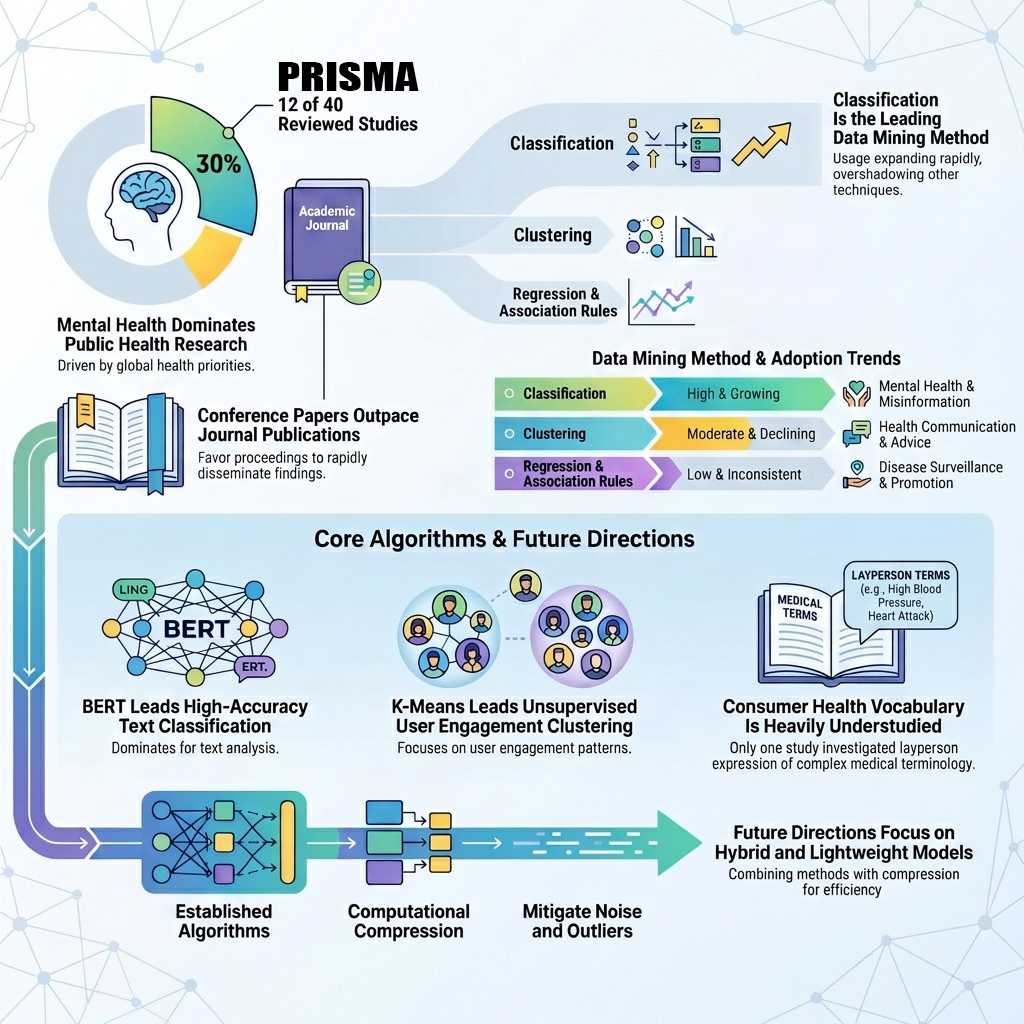
Public health social media data mining
1. Introduction
The thorough practice of data mining methods and algorithms in the study of user engagement on social media concerning public health is crucial as it allows researchers to understand how online users engage with health-related content on such social media platforms. User engagement is a key component found in social media and is often utilized by researchers using data mining methods and algorithms. Facebook, Twitter, Reddit, and Weibo among other social media platforms enhance connections, information sharing as well as participation in online communities which enable users to create their content known as user-generated content (UGC). What this means is that researchers can find out what comments, likes, and shares indicate from UGCs to reveal social media user engagement key behaviors, actions, preferences, sentiments, and attitudes toward public health content 1.
Currently, a large amount of research conducted in public health focuses on understanding user engagement through social media data 2. For example, studies in 3,4, discovered that data mining could capture insightful healthcare-related aspects including user treatment experiences, emotions, coping strategies, early-risk health detection, and social support. This evidences that data mining is one of the popular techniques used to handle large volumes of social media data. An issue in data mining is the multitude of methods associated with different types of algorithms. These methods include association rule 5, regression 6, classification 7, and clustering 8,9. On top of that, these methods employ different types of algorithms within specific data mining tasks. Examples of data mining algorithms include the Apriori algorithm (association rule method), deep probabilistic neural algorithm (regression method), Naïve Bayes (classification method), and \(K\)-means algorithm (clustering method).
So far, most of the previous reviews still lack an in-depth discussion of what data mining practices offer regarding trends and opportunities for future research direction. They often focus on data mining tasks rather than the methods and algorithms themselves, overlook biases in literature selection, and concentrate primarily on specific health rather than the broader public health research areas. This creates a limitation for researchers who need effective decision-making criteria in applying relevant methods and algorithms for specific data mining tasks as different types of data may require different data mining methods and algorithms 10. For example, textual data (e.g. comments and posts) can be analyzed using the sentiment analysis classification method, while numerical data (e.g. frequency of likes, shares, and comments) can be analyzed using the association rule Apriori algorithm.
Previous review by 11 examined data mining tasks in social opinion mining by identifying differences in opinion dimensions within sentiment polarity, emotion, and sarcasm concerning user engagement across multiple social media platforms. However, the review concentrates more on data mining tasks than specific methods and algorithms, resulting in a shallow comprehension of which methods and algorithms are suitable for identifying the opinion dimensions, given that user engagement may vary depending on the data type. Additionally, a survey article conducted by 12 investigated the use of data mining methods in social media across various fields, thereby presenting a lack of particular emphasis on specific fields alone. Also, there is a bias in literature selection as the survey emphasized only tier-1 articles, limiting the comprehensiveness of other tier literature findings. Likewise, the survey examines social media data such as text, voice, images, and videos as ways of understanding user engagement. It neglects to examine the most available and important UGC components, leading to a lack of understanding of how users fully engage with published content on social media. Furthermore, a review by 13 focused on data mining methods for assessing mental health using social media user engagement data, while another review by 4 examined data mining on machine learning algorithms particularly logistic regression and deep learning for conducting personal health investigations. Nevertheless, these reviews fail to comprehensively map how data mining methods are applied to machine learning algorithms within the broader context of current public health research trends and future direction. It shows that none of these previous reviews discussed comprehensively the data mining method and algorithm for research trends and future direction in this area. For that, we took the opportunity to examine the evolving practices of data mining methods and algorithms that researchers have applied so far, as it might uncover current trends and identify future directions in public health research.
Hence, we aim to address the limitations identified in previous reviews by conducting a systematic literature review (SLR) to assess the current practice of data mining methods and algorithms in public health research areas and identify future research direction opportunities. This review outlines three research objectives (RO) aligned with the corresponding three research questions (RQ). Table 1 presents the RO and its corresponding RQ, along with descriptions elucidating the approaches to address each RQ.
To ensure a rigorous and comprehensive review, we applied the preferred reporting items for systematic reviews and meta-analyses (PRISMA) technique 14. PRISMA offers a transparent and standardized approach for conducting systematic reviews, ensuring the inclusion of relevant studies and minimizing bias. Furthermore, this review makes three significant contributions to the field. Firstly, it explores current research trends in the utilization of data mining methods, offering valuable insights into the evolving landscape of data mining fields. Secondly, it classifies data mining algorithms based on each method’s categories, contributing to a comprehensive understanding of diverse algorithms in analyzing user engagement data. Thirdly, it maps the discovered data mining methods and algorithms, facilitating the identification of potential future research direction opportunities.
| Research questions | Research objectives | Approaches |
| RQ1: What are the current research trends in data mining methods of user engagement in public health social media? | RO1: To explore the current research trends in data mining methods associated with user engagement in public health social media. | We highlight the most popular trends by categorizing articles (i.e., publication year and type, area of research, and research theme). Additionally, we analyze these categories to explore data mining methods. |
| RQ2: What data mining algorithms correspond to each category of data mining methods? | RO2: To discover various data mining algorithms based on the categories of data mining methods. | We highlight the utilization of algorithms used in analyzing user engagement based on the data mining methods explored in RQ1. |
| RQ3: What are the potential research opportunities for future direction? | RO3: To identify potential research opportunities for future direction using the mapping of the data mining methods and algorithms. | We map the discovered results in RQ1 and RQ2 to identify existing research limitations that require further exploration in the context of this study. |
The organization of this review is outlined as follows. Section 2 describes the methodology used to carry out this review. Section 3 presents the review results followed by a discussion of the findings. Finally, Section 4 presents the conclusion remarks and the review’s significance based on the results and findings.
2. Methodology of SLR
The SLR methodology applied in this review involves reviewing methods, algorithms, and future direction on data mining public health social media user engagement. To identify, screen, test for eligibility, include data, analyze, and present findings in narrative form, this review employs the PRISMA technique 14. PRISMA is commonly applied in computer science research 15. Prior studies, like those conducted by 4 and 13 have also employed PRISMA, thereby supporting its relevance in the realm of data mining in computer science. Choosing PRISMA is justified by three benefits. Firstly, it offers a defined and organized structure for developing research questions. Secondly, PRISMA provides criteria for deciding on including or excluding literature. Lastly, it enables the systematic examination of studies within electronic databases in a reasonable timeframe. PRISMA is well-established and widely accepted for conducting systematic reviews, making it a robust choice to ensure comprehensive and unbiased results over other systematic review frameworks. PRISMA acts as the foundation for reporting in reviews that aid reviewers in presenting the current state of research. This encompasses the research areas investigated and outcomes achieved 16. The review process involves a series of steps including identification, screening, eligibility assessment, and inclusion conducted objectively based on the results from current articles related to the specified topic.
2.1. Data Sources
This review collected articles through the Scopus database, accessed via the university’s online library services. The focus was on articles related to computer science research within the realm of public health social media. Scopus was chosen for its predominantly peer-reviewed publications, which are vetted for academic rigor, credibility, and reliability, ensuring that the included articles meet high standards of research quality 17. Additionally, this review sought to examine contextual case studies within articles that demonstrate the practical application of data mining methods and algorithms in real-world public health areas.
2.2. Inclusion and Exclusion Criteria for Selection of Publications
At the inclusion and exclusion stage, specific criteria were determined. An article was considered for inclusion in the review only if it satisfied all four criteria. Table 2 details the inclusion criteria. In conjunction with the inclusion criteria, we established distinct exclusion criteria. An article was excluded if it met any of the specified three conditions. Table 3 outlines the exclusion criteria based on three conditions.
| Criteria | Description |
| Time frame | Articles published between 2016 and 2025. This ensures an alignment with current technology and the scope of the investigation, considering the substantial growth in the field over the past decade. |
| Type of publication | Only articles from conference proceedings and journals were selected. These publications commonly feature empirical data, providing robust evidence derived from experiments. |
| Language | Articles written in English. This avoids potential confusion related to translation. |
| Indexes | Articles indexed by Scopus database. This ensures credibility and reliability of articles from peer-reviewed publications evaluated and endorsed by experts. |
| Criteria | Description |
| Language | Articles were excluded if written solely in languages other than English. Articles with only the title and abstract in English were also excluded, as understanding the main study would be confusing in such cases. |
| No empirical data presented | Articles published in the form of reviews, surveys, notes, and book chapters focusing on trends, the current state-of-the-art, new approaches, or new models and frameworks were excluded. |
| No matching topic | Irrelevant research was excluded, including articles incorporating a keyword but not aligning with the focus of the review study. For example, articles using data mining methods solely for public health social media but unrelated to any online user engagement activity and social networking service platform were not selected. |
2.3. Screening And Eligibility Assessment for Analysis
At the stage of screening and eligibility assessment for analysis, screening of literature findings from Scopus was carried out on September 1, 2025. Screening occurred on the aspects of titles, abstracts, and keywords. With regards to social media, an article’s title, abstract, author keywords or full text must contain one or more of these terms related to social media: “social media” OR “social network” OR “social networking service” OR “online social channel” OR “web-based social platform.” In the data mining context, we included the keywords “data mining” AND “machine learning,” which correspond to similar terms employed by previous SLR papers 18. To narrow down our search within the public health domain only, we added “health” OR “healthcare” OR “medical care” as part of our search criteria, while looking into the user engagement aspect, “user engagement” OR “user-generated content” OR “consumer-generated content.”
This review applied the PRISMA technique through four stages: identification, screening, eligibility, and inclusion. Initially, 254 articles were found in the Scopus database. These articles were screened for keyword similarities, resulting in 204 articles remaining after discarding 50 duplicates. Since the search was conducted exclusively within the Scopus database, similarities were observed in the keywords used. Out of the 204 articles, 109 irrelevant reports were excluded, leaving 95 articles. Subsequently, 55 full-text articles were selected, and based on their relevance to the research question in terms of title, abstract, keywords, and comprehensive content, 40 articles were ultimately selected for inclusion in the review.
2.4. Data Extraction and Analysis
The selected 40 articles were categorized based on two criteria steps that matched the RQs and ROs of this review paper. The second, third, fourth, and fifth authors extracted the data, and the first author evaluated the relevance of the extracted information based on methodological consistency and whether data mining methods and algorithms were applied in the selected articles. The categorization process included two steps. 1) Categorizing the articles based on research methods, which included differentiating between the main data mining methods and their algorithms. While many articles mentioned their method in the abstract and introduction, additional screening of the method and result sections was conducted for articles that lacked explicit descriptions. Within the method categorization, the main data mining methods were further categorized into classification, clustering, regression, and association rule with related algorithms. 2) Categorizing topics through keywords involved extracting specific data from the selected articles. This data were recorded in Microsoft Excel including publication year and type, public health research area, type of UGC and social media platform, data mining method and algorithm, and references to the articles. The search stages of PRISMA are illustrated in Fig. 1.
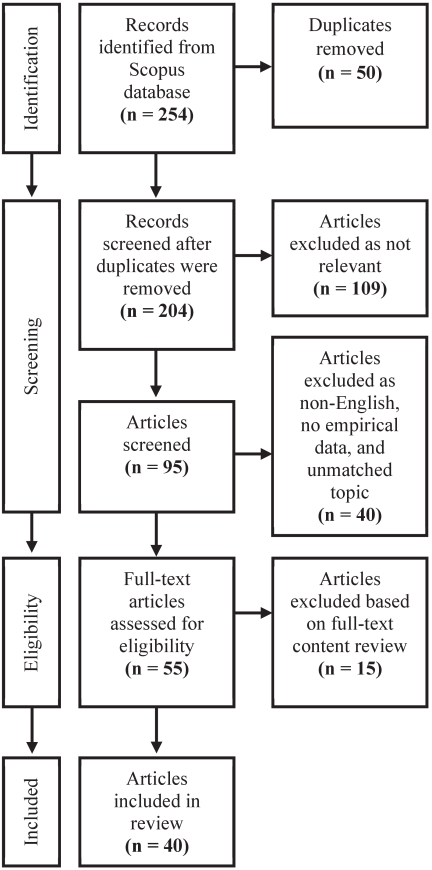
Fig. 1. PRISMA flow diagram for SLR 19.
3. Results and Discussion
3.1. Paper Description
A total of 40 articles published between 2016 and 2025 were included in this review. Most of the selected articles were conference proceedings, while the remainder were journal articles. All articles were indexed in the Scopus database, ensuring academic credibility and peer-reviewed quality.
3.2. Result
The results presented in this section are derived from the research questions aimed at addressing this review. In each section, we provide descriptive results. The sections are organized based on the respective research questions. To address RQ1, Section 3.2.1 highlights the most popular trends through article categorization based on publication type, year, public health area of research, and themes researched, and further explores the categories of data mining methods discovered through the review. Section 3.2.2 addresses RQ2 by highlighting data mining algorithms based on the categorization of data mining methods in RQ1. To address RQ3, Section 3.2.3 maps the discovered results in RQ1 (data mining methods) and RQ2 (data mining algorithms) with the research outcomes to identify existing research limitations that highlight directions for future research exploration within the context of this review.
3.2.1. Data Mining Trend and Method
This subsection addresses RQ1, focusing on exploring current research trends in data mining methods associated with user engagement in public health social media. To explore these trends, we analyze the distribution of relevant articles. This includes assessing trends according to the type of publication, examining trends based on the year of publication, categorizing the specific public health areas researched, and summarizing the overarching research themes.
(1) Article Publication Type
Figure 2 demonstrates the preference for conference proceedings over journals, stressing the dynamic and fast-changing nature of the public health domain via social media. Conferences are preferred because of their ability to quickly disseminate cutting-edge results, providing an ideal arena for presenting breakthrough data mining methods and algorithms that keep up with the rapid pace of research innovation in public health disciplines. The desire for conferences may also be related to the quick technological advancements witnessed in data mining and social media research, where research risks becoming obsolete during the lengthy journal reviewing process.
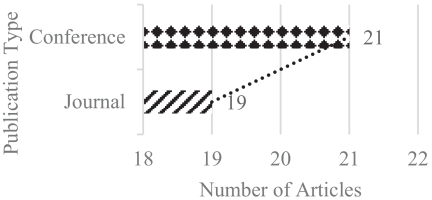
Fig. 2. Type of publications.
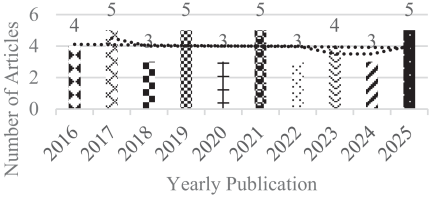
Fig. 3. Yearly publication of articles.
Furthermore, the bulk of studies use quantitative approaches to explore the intricacies of UGC data using frequency or numerical analyses. Such approaches frequently necessitate substantial data analysis, implying a preference for large-scale data processing. The usage of web scraping techniques and application programming interfaces for collecting data underlines the technical nature of user engagement research, highlighting the importance of data mining methods in analyzing UGC data. Instead, the review found a considerable limitation in qualitative methods. It implies that future research will greatly benefit from embracing mixed-methods investigations, such as interviews with social media users, which can provide deeper insights into the motivations, attitudes, and impacts of user engagement in many areas of public health research.
(2) Article Yearly Publication
The yearly publication trends show that research activities have increased significantly in 2017, 2019, 2021, and 2025. Fig. 3 illustrates the number of articles published each year from 2016 to 2025. This wave demonstrates an increasing academic focus and practical interest in user engagement for public health insights.
The reason behind this heightened trend during these years could be the wide adoption of social media platforms, which were recognized as valuable user engagement sources for public health surveillance and intervention 20. However, there appears to be an inconsistent trend from 2018, 2020, 2022, and 2024, which could be attributed to changes brought about by data protection and sharing legislation. Regulations such as the General Data Protection Regulation may impact the availability of social media data for research purposes 21,22. More severe standards may limit access to information, resulting in fewer publications, but looser anonymization policies may result in a rise in the number of published studies, explaining why the trend is inconsistent every year.
| Public health research areas | Frequencies | References |
| Mental health | 12 | 7,23,24,25,26,27,28,29,30,31,32,33 |
| Health discussion, advice, and support | 5 | 34,35,36,37,38 |
| Health communication | 5 | 5,8,9,39,40 |
| Health surveillance | 5 | 41,42,43,44,45 |
| Disease management | 4 | 46,47,48,49 |
| Drug abuse | 4 | 6,50,51,52 |
| Cancer symptom | 2 | 53,54 |
| Healthcare promotion | 2 | 55,56 |
| Health vocabulary | 1 | 57 |
(3) Public Health Research Area
Table 4 shows the increasing number of mental health research areas, reflecting a societal and health concern trend observed in social media discussions. This trend is a consequence of the worldwide growth in mental health concerns, depression, and substance abuse. According to the World Health Organization (WHO), 970 million people worldwide, or one in every eight, suffer from a mental disorder, the most frequent of which are anxiety and depression 58,59. This has led to an increase in mental health-related research. The emphasis on mental health research in social media discussions provides an important opportunity for public health practitioners to better understand and connect with public sentiment, potentially leading to more effective public healthcare awareness 60.
The wide range of public health research areas covered from mental health to healthcare promotion, highlights the broad utility of leveraging UGC data using data mining methods. However, there is a limited exploration of health vocabulary, thereby underscoring the need for future research, namely understanding how laypeople debate and grasp health matters online. Given the underutilized evolution of health trends and public health challenges, increasing research efforts in health vocabulary is needed, particularly for newly coined professional health or medical terms like “extracellular space” and “interstitial system” 41,61.
(4) Research Theme
This subsection covers the public health research area discussed in the previous subsection. Initially, trends were explored by analyzing article summaries. These summaries were created using extracted information from each article, including the title, keywords, and abstract. Subsequently, we utilized a Microsoft Word add-in package to generate word clouds based on the summaries. This process offers a visual representation of text data through word frequencies, as illustrated in Fig. 4. The font size of each word corresponds to its frequency, with larger text indicating a higher occurrence and smaller text indicating a lesser occurrence. Words such as “classification” and “clustering” stand out prominently, while “regression” stands out less prominently as a data mining method. This reflects their frequent appearance in the analyzed articles.
Additionally, we conducted a co-occurrence analysis using the VOSviewer software to examine the frequency of co-occurrence between different terms or keywords in the network. This analysis, conducted using information from each article and leveraging the RIS data files, illuminates the most frequent phrases, their connections, and potential directions for future research. Fig. 5 highlights that the included articles predominantly revolved around the main keyword, namely data mining, with a notable association emerging between social media and machine learning. Notably, social media platforms like Facebook, Twitter, and Reddit were frequently mentioned, while classification and association rules stood out as explored data mining methods. Furthermore, the analysis reveals the research outcomes in data mining, which encompass diverse public health applications like health detection, prediction, and the generation of association rules. We combined the themes and keywords, conducting a thematic analysis of the summaries from 40 articles based on the keywords identified through the word cloud and co-occurrence analysis.
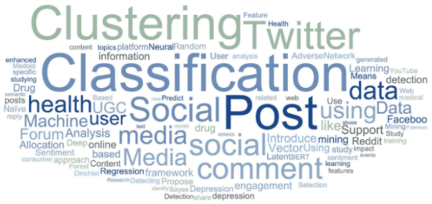
Fig. 4. Word cloud of keywords from article summaries.
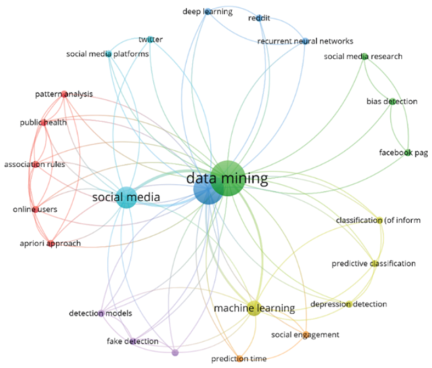
Fig. 5. Co-occurrence analysis of keywords in the selected articles.
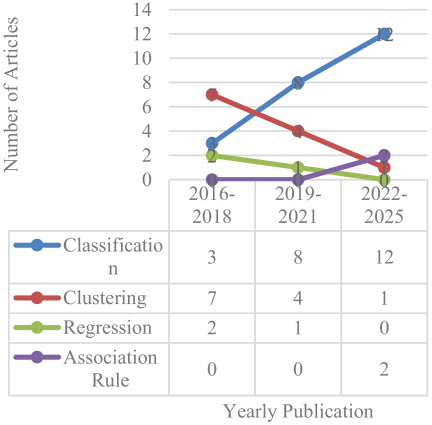
Fig. 6. Categorization of data mining method by publication year.
For thematic analysis, the articles were grouped by publication year and topical keyword of the data mining method. The articles were categorized based on their publication years: 2016–2018, 2019–2021, and 2022–2025. This grouping aimed to monitor keyword and topic frequencies over several years of study. Subsequently, the articles were coded and organized based on similar key themes that emerged during the review. Overall, the key themes explored in this context include i) classification, ii) clustering, iii) regression, and iv) association rule. Fig. 6 visually represents the categorized data mining methods. It was created in Microsoft Excel using tabulated data, which is based on the number of articles and publication years. We discussed the details of each context in the next subsection.
(5) Distribution of Data Mining Method
We investigated trends from 2016 to 2025 to comprehend the pattern of data mining methods. We discovered that research inclusion indicates a rise in the popularity of the classification method. In contrast, the use of clustering and regression methods has declined. Association rule methods have shown a comparable upward trend, although their overall frequency remains limited. It is critical to understand that the explored data mining method has distinct advantages and is best suited to specific sorts of data and research problems. The current trends do not lessen the importance of these methods but rather suggest a shift in research emphasis toward challenges that are better addressed by classification method. The following subsection expands on the findings based on these discovered data mining methods. We combined regression and association rule into a single subsection due to their relatively fewer than five number of studies.
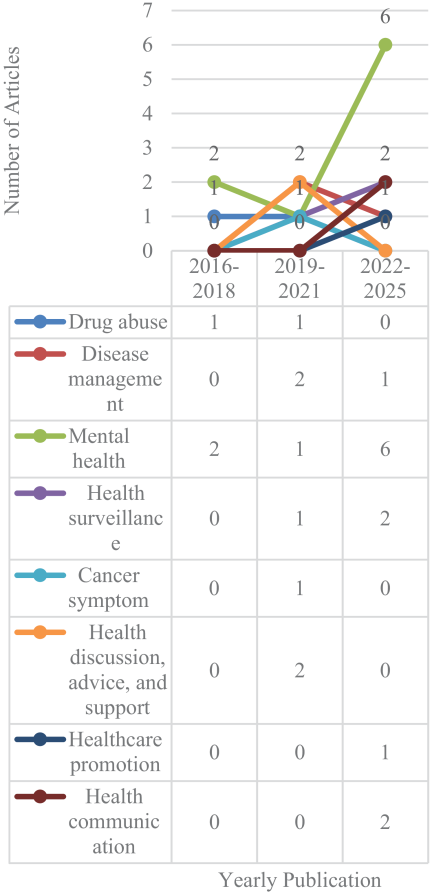
Fig. 7. Data mining method in classification trend by research areas.
-
(5)-1
Data Mining Method in Classification
Classification emerged as a critical method contributing to eight public health research areas. Fig. 7 illustrates the trend of the data mining method in classification within public health research areas. We examine the emerging application trend of data mining classification based on insights from 23 articles.
Mental health emerged as popular trends in the application of classification methods. This trend is largely driven by the complexity of mental health issues and the substantial influence of pandemic-related research. The COVID-19 pandemic, in particular, intensified the spread of misinformation and coincided with a marked rise in psychological distress among individuals, thereby increasing the demand for automated classification approaches to detect, predict, and monitor mental health risks 25,28,30,31. In 2019–2021, social media saw increased engagement with mental health discussions, advice, and support as people turned to social media for healthcare-related news and information. Likewise, classification methods are frequently used in healthcare for disease management, depression prediction models, sentiment analysis, and identification of fake health news 62,63,64,65. As a result, the expansion of these fields has most certainly increased the demand for complex classification methods in research.
Conversely, drug abuse remains consistently addressed across the periods, reflecting its persistent relevance as a common public health issue. The prevalence of drug abuse drives ongoing discussions on social media about addiction, overdose, and related social problems like crime and homelessness 66. People turn to social media to share their personal experiences and stories related to drug abuse, addiction, and recovery, contributing to ongoing discussions and raising awareness 67.
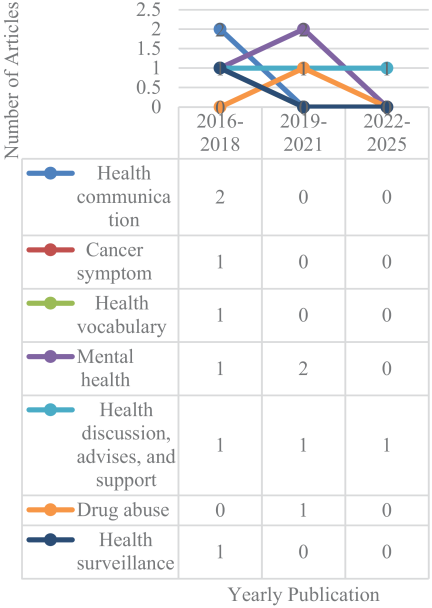
Fig. 8. Data mining method in clustering trend by research areas.
-
(5)-2
Data Mining Method in Clustering
The data mining clustering method emerged as a moderate method contributing to seven public health research areas. Fig. 8 presents the data mining method in clustering trends within public health research areas. We investigate the emerging applications of data mining clustering applied by 12 articles.
Mental health, as well as health discussions, advice, and support, demonstrate emerging trends in the application of clustering methods. This trend could be attributed to its robust operation for data mining task management, whereby it could organize large and diverse datasets containing different types of UGC data 29,32,33,51. Also, the continuing interest in clustering stems from its broad applicability across numerous disciplines, where understanding the natural grouping of data is a critical requirement 68. This versatility keeps clustering relevant and useful in many fields of study. Besides, the clustering method is often utilized in most studies for extracting meaningful patterns and facilitating valuable insights. Some studies have demonstrated clustering application’s efficacy, including studies on the organization of health communication data 8,9, the identification of breast cancer symptom clusters 54, and enriching health vocabulary for consumer understanding 57. For that, there could be evidence that clustering could tackle unstructured and structured data and show its usefulness as a primary tool for conducting public health research.
Moreover, the clustering method shows its application ability to integrate with classification methods to handle particular data mining tasks. For example, research by 29 has proven that the clustering and classification methods can work together intensively and that the primary problems among disengaged youths could be identified in their research. The interventions that could benefit the identified issues can be proposed only through the joint action of the two methods. Furthermore, the study by 38 combined clustering with the association rule method to cluster user-posted questions into C-topics. This collaboration not only clusters questions but also identifies association patterns among them that can provide a comprehensive understanding of user interactions and concerns.
-
(5)-3
Data Mining Method in Regression and Association Rule
Regression and association rule mining methods have demonstrated inconsistencies over the years. Their application is somewhat specialized in comparison to classification and clustering, focusing mostly on identifying intriguing correlations between variables in large databases 69. This inconsistency could be attributed to fluctuations in interest in public health research, as well as the advent of new approaches that provide superior insights into certain data types. In the regression method, studies conducted by 6,45,48 revealed the standalone efficacy of the regression method by demonstrating its versatility in effectively modeling a variety of diseases based on extensive UGC data via social media. For that, the study proves that regression alone could be utilized for the adaption of dynamic and non-specific nature of health-related information; thereby, this method could enable comprehensive analysis and disease quantification.
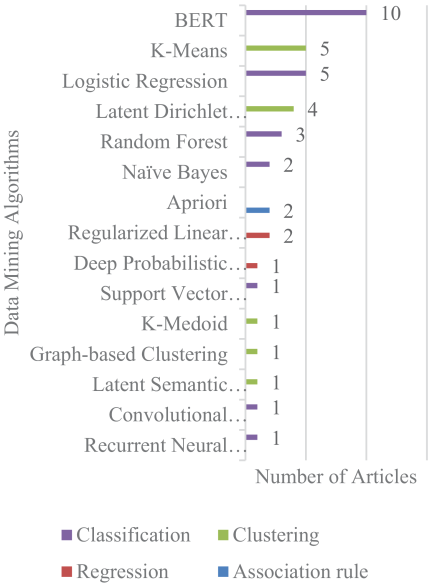
Fig. 9. Data mining algorithms applied in this context of research.
Likewise, research by 6 explored adverse drug reaction detection as their research illustrates the adaptability of the regression method in addressing healthcare issues. The authors explored that regression excels at learning complex patterns from a large unlabeled dataset. The method could also provide a cost-effective solution for enhancing data quality in health detection, thereby revealing that this method could be utilized for fast-analyzing data without a human annotator for data labeling. In the association rule method, articles in 5,55 utilized this method to reveal critical text patterns that affect the spread of health communication disseminated via social media, thereby contributing to the development of more effective future healthcare promotion strategies.
3.2.2. Distribution of Data Mining Algorithm
This subsection discovers data mining algorithms based on the categorized data mining methods. To accomplish our aim, we examine the most and least frequently utilized algorithms while addressing the RQ2. Fig. 9 illustrates the explored data mining algorithms along with the corresponding number of articles. This subsection categorizes each explored algorithm within its associated methods namely classification, clustering, regression, and association rule. We discussed algorithms in regression and association rule into a single subsection due to their inconsistent popularity.
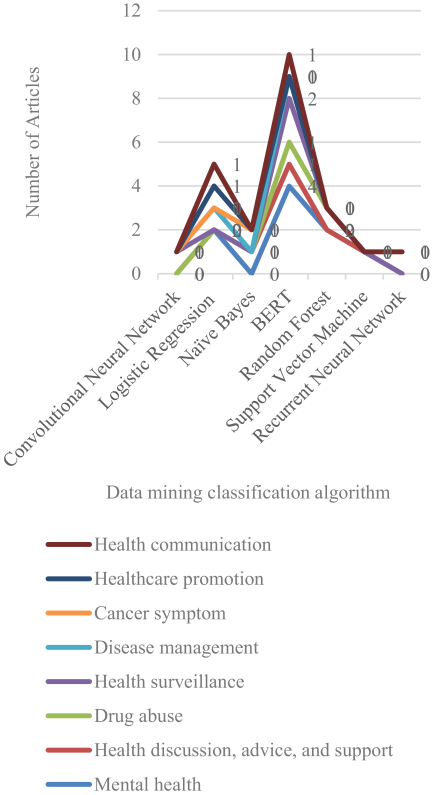
Fig. 10. Data mining algorithms in classification trend by research areas.
(1) Data Mining Algorithm in Classification
We found seven data mining classification algorithms applied across eight diverse research areas, as depicted in Fig. 10. The mapping graph presented in Fig. 10 was manually created in Microsoft Word by utilizing compiled data based on the articles that employ data mining algorithms for classifying UGC data. Fig. 10 reveals BERT as the most frequently utilized algorithm across diverse public health research areas. It is particularly prevalent in areas related to drug abuse, health discussions, advice and support, mental health, health communication, disease management, and health surveillance.
This trend underscores the central role of mental health as a primary focus area for BERT-based applications from 2022 to 2025, coinciding with the global increase in mental health concerns and substance abuse. Generally, BERT demonstrates scalability and sophisticated versatility across a wide range of mental health concerns, including detecting early linguistic signs of psychological distress, predicting depression and suicide risk, tracking mental health trends in real time, and supporting early intervention efforts 23,25,26,31. In the context of mental health risk identification, BERT-based models are commonly applied to classify social media posts into categories such as depression, anxiety, or neutral states based on textual features, with transformer-based variants like BERT and RoBERTa achieving high accuracy in detecting nuanced emotional states 27,31. Beyond classification, BERT enables scalable real-time monitoring frameworks that bridge the gap between social media activity and mental health support services, while ensemble approaches combining multiple transformer models have further demonstrated robustness over individual models in clinical decision support settings. Fig. 11 shows the application of BERT in the mental health area.
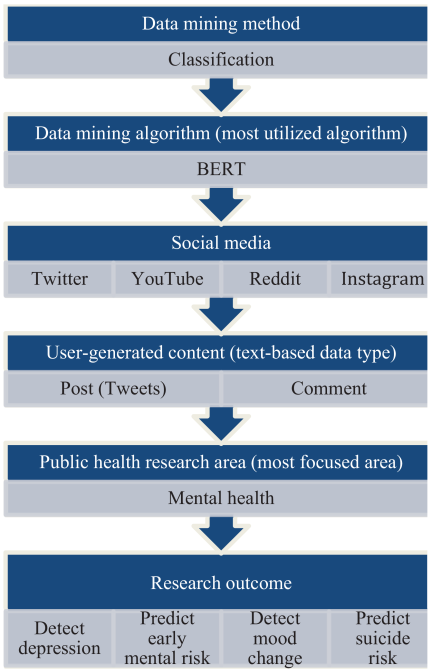
Fig. 11. BERT application applied in mental health.
BERT stands out as one of the most powerful algorithms, attributed to the optimization and parallel processing strategies they use to avoid overloading the computational abilities of a system when faced with great volumes of UGC data 27,31. This scalability offers researchers the power to comprehend large social media datasets without any performance problems or resource limitations. Additionally, BERT demonstrates an impressive ability to cover different data types and analysis needs. In so far as the data mining task involves classification or pattern recognition, they can be easily applied to a wide variety of solving objectives and data characteristics 70,71. This algorithm, constructed on popular machine learning libraries and frameworks, offers analysts easy and user-friendly tools for data management. Having existing implementations in place enables researchers to get straight to business and speed up the insight generation process without necessarily having to plunge into the complicated mathematical subtleties.
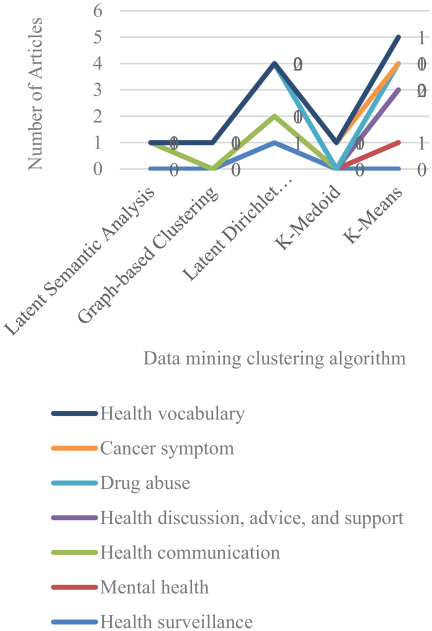
Fig. 12. Data mining algorithms in clustering trend by research areas.
(2) Data Mining Algorithm in Clustering
We explored five data mining clustering algorithms utilized across seven different research areas. Fig. 12 illustrates that the \(K\)-means algorithm is commonly used in health communication research. Such a trend marks the significance of health communication as a key field for the algorithm starting from 2016 to 2017. Moreover, \(K\)-means may be employed in a breadth of other research areas although to a lesser degree such as health vocabulary 57, mental health 33, and drug abuse 51. \(K\)-means is a partition-based clustering algorithm in unsupervised learning, which is a vital tool for dealing with the difficulty of clustering assessment. It is one of the most used algorithms for detecting user engagement patterns, success of the post, as well as popular content 8,9. Interestingly, the implementation of this algorithm can extend knowledge dissemination, especially the use of medical terms that may be challenging for ordinary people on social media to understand. This might boost communication for a better awareness of health education awareness. Fig. 13 gives an infographic summary of the \(K\)-means in health communication applications.
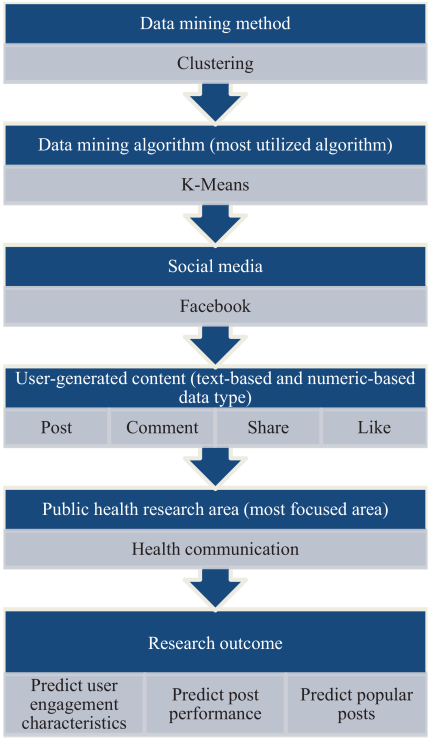
Fig. 13. \(K\)-means application applied in health communication.
\(K\)-means provides the capability of efficiently managing large datasets and the capacity to create clusters characterized by well-defined centroids. This is one of the characteristics that sets the \(K\)-means algorithm apart from other clustering procedures. Its capability in handling datasets of wide dimensions is critical for researchers in that they can easily traverse complex and diversified information streams occurring on social media platforms 72. The expertise probably provides the needed capability for filtering large amounts of input data, both textual and numerical data types, and from the many topics and different periods, thus making it easier for the researchers to identify the right patterns when it comes to user engagement characteristics.
Moreover, the speed of convergence of this algorithm makes it stand out from the other clustering algorithms by quickly discovering and catching user trends and engagement. In the rapidly changing world of social media, where users’ behaviors and trends take unexpected turns, researchers need to have dynamic clustering algorithms that can follow the changes in involuntary variations of a UGC dataset 33,73. The \(K\)-means speed of convergence thus enables public health researchers to quickly perform UGC clustering in various time slices or respond to real-time information instantly, providing constant direct input on the making of informed public health decisions.
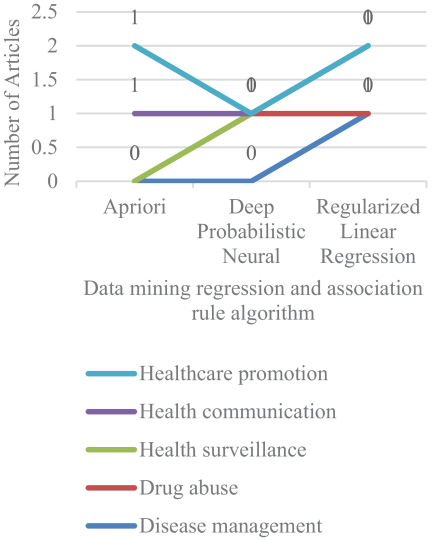
Fig. 14. Data mining algorithms in regression and association rule trend by research areas.
(3) Data Mining Algorithm in Regression and Association Rule
The regression and association rule algorithms were observed with little use. Therefore, we explored both deep probabilistic neural (DPN) and regularized linear regression (RLR) based regression algorithms and Apriori based association rule algorithm.
Researchers usually select the appropriate regression algorithm (either DPN or RLR) based on their study purposes and their research UGC data characteristics. DPN is likely to be preferred for those mining tasks to disclose hidden complex bidirectional connections in small or limited datasets, while RLR is usually employed when simplicity, interpretability, and linear relationships are priorities 74. Additionally, the compatibility of the chosen algorithm with the research objectives is vital in terms of its applicability and efficient solving of the research problem. However, the Apriori algorithm can have an edge when working on huge datasets in a transactional format. Consequently, it minimizes the search space by applying the downward closure property even when handling large-scale problems 5,55. Fig. 14 shows the DPN, RLR, and Apriori algorithms trend by the public health research area.
3.2.3. Future Research Direction
In RQ1, we explored and discussed the trend of employing data mining methods on social media in the domain of public health. For RQ2, we explored and discussed data mining algorithms within public health research areas. To address RQ3, we mapped findings from both RQ1 and RQ2 to identify existing research limitations that require further exploration for research opportunities.
The mapping relationship is summarized in Table 5, organized by data mining method, algorithm, public health research area, and references (ref.). In classification, algorithms can be evaluated by accuracy, with the algorithm achieving the highest accuracy generally considered better. For clustering, algorithms can be assessed using quality metrics that measure the compactness and separation of clusters produced by each algorithm. As for regression, algorithms can be evaluated by determining the interpretability of the resulting models. For association rule, algorithms can be evaluated based on reliability using Jaccard similarity, which compares the similarity and diversity of the generated rules.
Additionally, we categorized the nine public health research areas into three groups: behavioral health and support, disease management and surveillance, and communication and promotion. These groupings are based on thematic similarities among the research areas, such as shared objectives, target populations, or intervention strategies.
Table 5 reveals that the BERT algorithm achieved the highest count of utilization, thus proving a very high accuracy that can work for diverse classification tasks compared to other algorithms. The outstanding BERT highlights its potential for improving classification accuracy throughout numerous public health research areas. Such a thorough approach was illustrated in the study by 50, where Sentence-BERT (SBERT) was utilized and applied to machine learning models. The SBERT can unlock more advanced network architectures like Siamese networks and triplets, and utilizing them may increase the algorithm’s capability for absorbing the semantic nuances of textual data. Also, research like 23 applied the integration of data mining BERT with deep learning of long short-term memory, and the results may substantially enhance the rule set performance.
In addition to the identified weaknesses and shortcomings of regression and association rule methods, there is a scarcity of their algorithm comparisons. This is because their algorithms are less well-investigated in the literature of this context. Furthermore, earlier research may have influenced the selection of algorithms for comparison, favoring those relevant to the research environment. Based on the relationship findings in RQ1 and RQ2 and the discussion, we suggested three future research opportunities that could be explored.
| Method (RQ1) | Algorithm (RQ2) | Behavioral health and support | Disease management and surveillance | Communication and promotion | Ref. |
| Classification | BERT | ✓ | 50 | ||
| ✓ | 37 | ||||
| ✓ | 23 | ||||
| ✓ | 40 | ||||
| ✓ | 47 | ||||
| ✓ | 42 | ||||
| ✓ | 43 | ||||
| ✓ | 27 | ||||
| ✓ | 30 | ||||
| ✓ | 31 | ||||
| Logistic regression | ✓ | 46 | |||
| ✓ | 25 | ||||
| ✓ | 56 | ||||
| ✓ | 26 | ||||
| ✓ | 39 | ||||
| Random forest | ✓ | 24 | |||
| ✓ | 52 | ||||
| ✓ | 28 | ||||
| Naïve bayes | ✓ | 53 | |||
| ✓ | 34 | ||||
| SVM | ✓ | 7 | |||
| CNN | ✓ | 41 | |||
| RNN | ✓ | 49 | |||
| Clustering | \(K\)-means | ✓ | 8 | ||
| ✓ | 9 | ||||
| ✓ | 57 | ||||
| ✓ | 33 | ||||
| ✓ | 51 | ||||
| LDA | ✓ | 38 | |||
| ✓ | 44 | ||||
| ✓ | 29 | ||||
| ✓ | 36 | ||||
| K-Medoid | ✓ | 54 | |||
| LSA | ✓ | 32 | |||
| Regression | GBC | ✓ | 35 | ||
| RLR | ✓ | 45 | |||
| ✓ | 48 | ||||
| Association rule | DPN | ✓ | 6 | ||
| Apriori | ✓ | 5 | |||
| ✓ | 55 |
SVM (support vector machine), CNN (convolutional neural network), RNN (recurrent neural network), LDA (latent dirichlet allocation), LSA (latent semantic analysis), and GBC (graph-based clustering).
First, strategies should be investigated for underutilized algorithms towards optimizing computational usability while keeping operational algorithms robust to outliers and noise. We propose two concepts that could be pursued. Firstly, researchers can plan hybrid methods that use the strengths of well-established algorithms and computational techniques to improve reliability and accuracy. Secondly, researchers could create lightweight versions or alternative architectures that use fewer computational resources. To that end, this can involve investigative strategies such as model compression, knowledge distillation, or using transfer learning from pre-trained models to reduce computational weight while maintaining performance.
Second, exploration of the Apriori algorithm for textual analysis capabilities may promote its application to a wide range of research areas. This could be performed by combining algorithms that can handle both numerical and textual data simultaneously. Furthermore, techniques such as feature extraction or selection with sentiment analysis could allow for the extraction of textual information patterns to generate association rules. For example, by converting the textual user sentiment comments into numerical data types using sentiment analysis and Apriori, researchers might identify hidden patterns.
Third, investigating the research areas on healthcare promotion and health vocabulary presents opportunities for broadening health promotional strategies and enhancing understanding of complex medical terms. This could involve investigating the effectiveness of emerging visual technologies such as virtual and augmented reality for delivering health promotion messages and content via social media. Besides, future research could explore the accessibility and clarity of complex medical terminology used in online conversations, as well as techniques for improving health literacy through targeted language simplification and educational interventions.
3.3. Discussion
The dominance of mental health research in this domain is largely driven by its substantial global burden, the emotional salience of mental health discourse on social media, and the surge in COVID-19 pandemic-related discussions between 2019 and 2021 75. These factors have generated large volumes of affectively rich UGC, which are structurally well-suited for classification-based approaches. Consequently, a self-reinforcing cycle emerges, in which data availability, methodological suitability, and institutional prioritization collectively amplify research output in this area 76. In contrast, health vocabulary research lacks these structural advantages. It is less likely to generate crisis-driven or emotionally engaging UGC and typically relies on curated, context-sensitive datasets from sources such as health Q&A platforms and patient forums rather than mainstream social media. This limitation constrains data availability and reduces the applicability of dominant data mining methods. Addressing health vocabulary requires purpose-built methodological adaptations, such as ontology-driven clustering and terminology-focused association rule mining, both of which remain underexplored. Given that health vocabulary is fundamental to health literacy, this gap represents not only a methodological limitation but also a missed opportunity for impactful public health interventions 57.
With respect to RQ1, the findings indicate that classification methods dominate current research trends. This is largely attributable to the widespread availability of large-scale, affect-rich UGC, particularly within mental health contexts. Events such as the COVID-19 pandemic further intensified emotionally expressive online discourse, producing datasets that align naturally with classification tasks 64,71. As a result, classification methods are widely adopted due to their scalability and effectiveness in pattern recognition and categorization 71. However, classification approaches may overlook nuanced, emergent patterns and complex relationships inherent in health-related discourse. This can limit the discovery of latent themes, evolving narratives, or contextual variations that are better captured through unsupervised or hybrid methods. Furthermore, an overreliance on classification risks introducing bias, particularly when training data are imbalanced or not representative of diverse populations, which may affect the generalizability and fairness of resulting models 77. There is a growing need to complement them with exploratory and integrative approaches. Incorporating clustering, topic modeling, and association analysis alongside classification could provide a more holistic understanding of UGC, enabling both predictive accuracy and deeper contextual insight. Such a shift would help balance efficiency with interpretability and support more robust, inclusive public health research outcomes.
For RQ2, classification algorithms, particularly BERT, have been extensively utilized due to their strong performance in predictive modeling and their ability to handle high-dimensional textual data 56,70,71. While other deep learning models, such as CNN and RNN, can offer competitive or enhanced performance, their adoption is often constrained by high computational requirements, the need for large annotated datasets, and specialized technical expertise 9,43. These challenges are especially pronounced in resource-limited research environments. Furthermore, the dynamic and evolving nature of social media language, including slang, sarcasm, and shifting user behavior, necessitates continuous model updates, thereby increasing operational complexity 77,78. In clustering, algorithms such as \(K\)-means and LDA remain widely used due to their effectiveness in identifying latent structures and grouping similar topics within UGC 72,73. Clustering plays a particularly important role in exploratory analysis, especially when labeled data are unavailable. In contrast, association rule mining methods, such as Apriori, are applied to uncover hidden relationships and generate interpretable patterns, supporting public health communication strategies 58. However, their application remains limited as they were originally designed for structured or numerical data, reducing their effectiveness in text-intensive social media environments. Despite these limitations, the integration of classification, clustering, and association rule mining has proven both feasible and effective, with no significant technical conflicts reported 55,64,73. Ongoing advancements in these methods, particularly those capable of handling large-scale and complex data, suggest continued evolution alongside emerging web technologies, including those associated with Web 3.0. This progression is expected to expand their applicability across diverse research domains and healthcare practices.
Regarding RQ3, first, the underrepresentation of health vocabulary studies highlights the need for methodological innovation, particularly in ontology-driven clustering and terminology-focused association rule mining. Addressing this gap could substantially enhance health literacy and strengthen public health interventions 55,69. Second, the limited use of algorithms such as K-Medoid, GBC, and LSA is primarily due to practical constraints, including computational complexity, preprocessing demands, and parameter sensitivity, rather than inherent inefficiency 54. Future research should therefore focus on optimizing these algorithms or developing hybrid approaches to improve their applicability in large-scale, text-based datasets. Third, there is a need to expand the application of association rule mining in social media research, particularly through adaptations that better accommodate textual data. Similarly, greater exploration of advanced deep learning techniques is warranted, potentially through the development of more accessible frameworks or resource-efficient models. Additionally, research trends are shaped by evolving societal needs and technological advancements, which influences the focus of public health studies over time. For instance, the limited use of certain algorithms in earlier years may reflect lower research attention on specific issues, such as drug misuse. Overall, the findings emphasize that algorithm selection should be context-dependent, guided by data characteristics, research objectives, and resource availability. Future research should prioritize adaptive and hybrid analytical frameworks that integrate supervised, unsupervised, and semi-supervised approaches to enhance user engagement analysis and support more effective public health decision-making.
4. Conclusion
This review of 40 selected articles provides a comprehensive understanding of data mining applications in public health social media research, structured around five key aspects: performance data, methods, and findings related to RQ1, RQ2, and RQ3. First, regarding performance data from the reviewed papers, the findings indicate that classification-based approaches consistently achieve strong performance in tasks such as sentiment analysis, disease prediction, and health risk detection, particularly when applied to large-scale, affect-rich UGC. Algorithms such as BERT, SVM, and random forest frequently report high accuracy and robustness in handling textual data. However, performance comparisons across studies remain challenging due to variations in datasets, evaluation metrics, and experimental settings. Second, in terms of methods, four primary data mining approaches were identified: classification, clustering, regression, and association rule mining. Among these, classification methods are the most widely applied due to their scalability and predictive capability. Clustering methods, such as \(K\)-means and LDA, are valuable for exploratory analysis and uncovering latent structures, particularly when labeled data are unavailable. Association rule mining, mainly through the Apriori algorithm, provides interpretable relationships but remains limited in text-based applications. Regression methods, while less dominant, contribute to predictive modeling in specific public health contexts. Third, with respect to RQ1, the review confirms that classification methods dominate current research trends. This dominance is driven by the availability of large-scale, emotionally expressive datasets, particularly in mental health research during the COVID-19 pandemic. While effective, this focus may limit the exploration of deeper, latent patterns, highlighting the need for more balanced integration with unsupervised and hybrid approaches. Fourth, addressing RQ2, the analysis shows that BERT is the most prominent algorithm due to its superior performance in handling high-dimensional textual data. Other models, including CNN, RNN, and SVM, also demonstrate strong capabilities but are often constrained by computational demands, data requirements, and technical complexity. Clustering algorithms such as \(K\)-means remain widely used due to their efficiency, while algorithms like \(K\)-Medoid, GBC, and LSA are less frequently applied due to practical limitations rather than inefficiency. Fifth, in relation to RQ3, several future research opportunities are identified. These include advancing health vocabulary research through ontology-driven and terminology-focused methods, improving the usability of underutilized algorithms through optimization or hybridization, and expanding the application of association rule mining in text-based environments. Additionally, future work should emphasize adaptive and hybrid analytical frameworks that integrate supervised, unsupervised, and semi-supervised methods to enhance both predictive performance and interpretability. Overall, this review highlights that the selection of data mining methods should be context-dependent, guided by data characteristics, research objectives, and resource availability. From a practical perspective, the findings provide valuable guidance for researchers and practitioners in selecting appropriate analytical techniques. At the same time, ethical considerations such as user privacy, data security, and informed consent remain critical when utilizing social media data. Finally, this study acknowledges several limitations, including potential gaps in keyword selection and variability among the reviewed studies. Future research will explore the integration of data mining with emerging technologies, such as blockchain, to enhance data security, transparency, and decentralized health data management.
Declaration of Competing Interest
The authors declare that they have no known competing financial interests or personal relationships that might have appeared to influence the work reported in this paper.
Acknowledgments
The authors express their gratitude to Universiti Malaysia Sabah for providing the research opportunity and support to publish this research. This research was funded by the Universiti Malaysia Sabah under Grant (SBK0461-2021, Skim Penyelidikan Bidang Keutamaan).
- [1] S. Pagoto, M. E. Waring, and R. Xu, “A call for a public health agenda for social media research,” J. Med. Internet Res., Vol.21, No.12, Article No.e16661, 2019. https://doi.org/10.2196/16661
- [2] A. Bartschat, M. Reischl, and R. Mikut, “Data mining tools,” WIREs Data Min. Knowl. Discov., Vol.9, No.4, Article No.e1309, 2019. https://doi.org/10.1002/widm.1309
- [3] K. Mendoza-Herrera, “An overview of social media use in the field of public health nutrition: Benefits, scope, limitations, and a Latin American Experience,” Prev. Chronic. Dis., Vol.17, Article No.200047, 2020. https://doi.org/10.5888/pcd17.200047
- [4] Z. Yin, L. M. Sulieman, and B. A. Malin, “A systematic literature review of machine learning in online personal health data,” J. Am. Med. Inform. Assoc., Vol.26, No.6, pp. 561-576, 2019. https://doi.org/10.1093/jamia/ocz009
- [5] A. Singhal and V. Mago, “Exploring how healthcare organizations use twitter: A discourse analysis,” Informatics, Vol.10, No.3, Article No.65, 2023. https://doi.org/10.3390/informatics10030065
- [6] S. Mesbah et al., “Training data augmentation for detecting adverse drug reactions in user-generated content,” Proc. of the 2019 Conf. on Empirical Methods in Natural Language Processing and the 9th Int. Joint Conf. on Natural Language Processing (EMNLP-IJCNLP), pp. 2349-2359, 2019. https://doi.org/10.18653/v1/D19-1239
- [7] B. Roberto et al., “Monitoring adolescents’ distress using social web data as a source: The insideout project,” CEUR Workshop Proc., Rome: CEUR-WS, 2017. https://hdl.handle.net/2108/359298
- [8] N. Straton et al., “Big social data analytics for public health: Facebook engagement and performance,” 2016 IEEE 18th Int. Conf. on e-Health Networking, Applications and Services (Healthcom), 2016. https://doi.org/10.1109/HealthCom.2016.7749497
- [9] N. Straton, R. R. Mukkamala, and R. Vatrapu, “Big social data analytics for public health: Predicting facebook post performance using artificial neural networks and deep learning,” 2017 IEEE Int. Congress on Big Data (BigData Congress), pp. 89-96, 2017. https://doi.org/10.1109/BigDataCongress.2017.21
- [10] J. R. Saura and D. R. Bennett, “A three-stage method for data text mining: Using UGC in business intelligence analysis,” Symmetry, Vol.11, No.4, Article No.519, 2019. https://doi.org/10.3390/sym11040519
- [11] K. Cortis and B. Davis, “Over a decade of social opinion mining: A systematic review,” Artif. Intell. Rev., Vol.54, pp. 4873-4965, 2021. https://doi.org/10.1007/s10462-021-10030-2
- [12] M. Injadat, F. Salo, and A. B. Nassif, “Data mining techniques in social media: A survey,” Neurocomputing, Vol.214, pp. 654-670, 2016. https://doi.org/10.1016/j.neucom.2016.06.045
- [13] D. Karmegam, T. Ramamoorthy, and B. Mappillairajan, “A systematic review of techniques employed for determining mental health using social media in psychological surveillance during disasters,” Disaster Med. Public Health Prep., Vol.14, No.2, pp. 265-272, 2020. https://doi.org/10.1017/dmp.2019.40
- [14] M. J. Page et al., “The PRISMA 2020 statement: An updated guideline for reporting systematic reviews,” Syst. Rev., Vol.10, Article No.89, 2021. https://doi.org/10.1186/s13643-021-01626-4
- [15] M. S. Islam, M. M. Hasan, X. Wang, H. D. Germack, and M. Noor-E-Alam, “A systematic review on healthcare analytics: Application and theoretical perspective of data mining,” Healthcare, Vol.6, No.2, Article No.54, 2018. https://doi.org/10.3390/healthcare6020054
- [16] M. J. Page et al., “Updating guidance for reporting systematic reviews: Development of the PRISMA 2020 statement,” J. Clin. Epidemiol., Vol.134, pp. 103-112, 2021. https://doi.org/10.1016/j.jclinepi.2021.02.003
- [17] A. Heath, P. Levay, and D. Tuvey, “Literature searching methods or guidance and their application to public health topics: A narrative review,” Health Inf. Libr. J., Vol.39, No.1, pp. 6-21, 2022. https://doi.org/10.1111/hir.12414
- [18] N. M. Tuah, D. L. Goh, S. Nasirin, F. Ahmedy, and M. Hossin, “Mapping data mining technique and gamification approach for studying post-stroke rehabilitation training: A systematic literature review,” IEEE Access, Vol.11, pp. 31323-31340, 2023. https://doi.org/10.1109/ACCESS.2023.3262260
- [19] H. I. Purnama, I. Wilujeng, and C. S. A. Jabar, “Blended learning in elementary school science learning: A systematic literature review,” Int. J. Eval. Res. Educ., Vol.12, No.3, pp. 1408-1418, 2023. https://doi.org/10.11591/ijere.v12i3.25052
- [20] S. Laacke, R. Mueller, G. Schomerus, and S. Salloch, “Artificial intelligence, social media and depression. A new concept of health-related digital autonomy,” Am. J. Bioeth., Vol.21, No.7, pp. 4-20, 2021. https://doi.org/10.1080/15265161.2020.1863515
- [21] T. Hoel and W. Chen, “Privacy and data protection in learning analytics should be motivated by an educational maxim—Towards a proposal,” Res. Pract. Technol. Enhanc. Learn., Vol.13, No.1, Article No.20, 2018. https://doi.org/10.1186/s41039-018-0086-8
- [22] S. Quach, P. Thaichon, K. D. Martin, S. Weaven, and R. W. Palmatier, “Digital technologies: Tensions in privacy and data,” J. Acad. Mark. Sci., Vol.50, pp. 1299-1323, 2022. https://doi.org/10.1007/s11747-022-00845-y
- [23] F. Alhamed, J. Ive, and L. Specia, “Predicting moments of mood changes overtime from imbalanced social media data,” Proc. of the Eighth Workshop on Computational Linguistics and Clinical Psychology, pp. 239-244, 2022. https://doi.org/10.18653/v1/2022.clpsych-1.23
- [24] H. Almeida, A. Briand, and M.-J. Meurs, “Detecting early risk of depression from social media user-generated content,” CEUR Workshop Proc., Dublin: CEUR-WS, 2017.
- [25] Y. Bi, B. Li, and H. Wang, “Detecting depression on sina microblog using depressing domain lexicon,” 2021 IEEE Int. Conf. on Dependable, Autonomic and Secure Computing, Int. Conf. on Pervasive Intelligence and Computing, Intl. Conf. on Cloud and Big Data Computing, Int. Conf. on Cyber Science and Technology Congress (DASC/PiCom/CBDCom/CyberSciTech), pp. 965-970, 2021. https://doi.org/10.1109/DASC-PICom-CBDCom-CyberSciTech52372.2021.00161
- [26] A. Jaiswal and P. Washington, “Using #Actually autistic on twitter for precision diagnosis of autism spectrum disorder: Machine learning study,” JMIR Form. Res., Vol.8, No.1, Article No.e52660, 2024. https://doi.org/10.2196/52660
- [27] H. Kim, B. Choi, and J. Huh-Yoo, “Unpacking college students’ mental health discourse through youtube comments: Insights from topic modeling and sentiment analysis,” Proc. Assoc. Inf. Sci. Technol., Vol.62, No.1, pp. 956-961, 2025. https://doi.org/10.1002/pra2.1321
- [28] A. S. Liaw and H. N. Chua, “Depression detection on social media with user network and engagement features using machine learning methods,” 2022 IEEE Int. Conf. on Artificial Intelligence in Engineering and Technology (IICAIET), 2022. https://doi.org/10.1109/IICAIET55139.2022.9936814
- [29] A. Mauri et al., “Complementing studies on vulnerable youths with reddit data,” Proc. of the 14th Biannual Conf. of the Italian SIGCHI Chapter, 2021. https://doi.org/10.1145/3464385.3464703
- [30] R. Mohamed, E. M. G. Younis, and A. A. Ali, “Leveraging large language models and ensemble techniques for real-time mental health monitoring on social media,” Netw. Model. Anal. Health Inform. Bioinforma., Vol.14, No.1, Article No.157, 2025. https://doi.org/10.1007/s13721-025-00608-z
- [31] U. Singla, N. Sharma, and S. S. Khurshid, “Real-time sentiment analysis for monitoring mental health from social media posts,” OPJU Int. Technol. Conf. Smart Comput. Innov. Adv. Ind. 5.0, 2025. https://doi.org/10.1109/OTCON65728.2025.11069429
- [32] S. Subramani and M. O’Connor, “Extracting actionable knowledge from domestic violence discourses on social media,” arXiv:1807.02391, 2018. https://doi.org/10.48550/arXiv.1807.02391
- [33] H. Zogan, I. Razzak, S. Jameel, and G. Xu, “DepressionNet: Learning multi-modalities with user post summarization for depression detection on social media,” Proc. of the 44th Int. ACM SIGIR Conf. on Research and Development in Information Retrieval, pp. 133-142, 2021. https://doi.org/10.1145/3404835.3462938
- [34] S. Houda, A. Naila, and B. Samir, “Machine learning based knowledge organization in online communities,” Proc. of the 4th Int. Conf. on Big Data and Internet of Things, Article No.27, 2020. https://doi.org/10.1145/3372938.3372965
- [35] Y.-H. Liu, X. Song, and S.-F. Chen, “Long story short: Finding health advice with informative summaries on health social media,” Aslib J. Inf. Manag., Vol.71, No.6, pp. 821-840, 2019. https://doi.org/10.1108/AJIM-02-2019-0048
- [36] K. Platonov, K. Svetlov, and V. Saifulina, “Discourse on vaccination on Russian social media: Topics and controversy,” 2022 32nd Conf. of Open Innovations Association (FRUCT), 2022. https://doi.org/10.23919/FRUCT56874.2022.9953888
- [37] U. N. Wisesty, R. Rismala, W. Munggana, and A. Purwarianti, “Comparative study of Covid-19 tweets sentiment classification methods,” 2021 9th Int. Conf. on Information and Communication Technology (ICoICT), pp. 588-593, 2021. https://doi.org/10.1109/ICoICT52021.2021.9527533
- [38] F.-C. Yang, A. J. T. Lee, and S.-C. Kuo, “Mining health social media with sentiment analysis,” J. Med. Syst., Vol.40, No.11, Article No.236, 2016. https://doi.org/10.1007/s10916-016-0604-4
- [39] H.-Y. Kuo and S.-Y. Chen, “Predicting user engagement in health misinformation correction on social media platforms in Taiwan: Content analysis and text mining study,” J. Med. Internet Res., Vol.27, Article No.e65631, 2025. https://doi.org/10.2196/65631
- [40] X. Tian, W. He, Y. He, S. Albert, and M. Howard, “Using health belief model and social media analytics to develop insights from hospital-generated twitter messaging and community responses on the COVID-19 pandemic,” J. Enterp. Inf. Manag., Vol.36, No.6, pp. 1483-1507, 2023. https://doi.org/10.1108/JEIM-06-2021-0267
- [41] J. Du, S. Michalska, S. Subramani, H. Wang, and Y. Zhang, “Neural attention with character embeddings for hay fever detection from twitter,” Health Inf. Sci. Syst., Vol.7, No.1, Article No.21, 2019. https://doi.org/10.1007/s13755-019-0084-2
- [42] D. Hu, D. Wu, E. Kasson, P. Cavazos-Rehg, H. Liu, and M. Huang, “Understanding negative health outcomes of vaping by mining millions of posts and comments in reddit,” AMIA Annu. Symp. Proc. AMIA Symp., Vol.2024, pp. 490-499, 2024.
- [43] H.-H. Nguyen, “Enhancing sentiment analysis on social media data with advanced deep learning techniques,” Int. J. Adv. Comput. Sci. Appl., Vol.15, No.5, pp. 970-980, 2024. https://doi.org/10.14569/IJACSA.2024.0150598
- [44] H. Samuel, B. Noori, S. Farazi, and O. Zaiane, “Context prediction in the social web using applied machine learning: A study of Canadian tweeters,” 2018 IEEE/WIC/ACM Int. Conf. on Web Intelligence (WI), pp. 230-237, 2018. https://doi.org/10.1109/WI.2018.00-85
- [45] B. Zou, V. Lampos, R. Gorton, and I. J. Cox, “On infectious intestinal disease surveillance using social media content,” Proc. of the 6th Int. Conf. on Digital Health Conf., pp. 157-161, 2016. https://doi.org/10.1145/2896338.2896372
- [46] A. Abbasi, J. Li, D. Adjeroh, M. Abate, and W. Zheng, “Don’t mention it? Analyzing user-generated content signals for early adverse event warnings,” Inf. Syst. Res., Vol.30, No.3, pp. 1007-1028, 2019. https://doi.org/10.1287/isre.2019.0847
- [47] D. Kellner, M. Lowin, and O. Hinz, “Improved healthcare disaster decision-making utilizing information extraction from complementary social media data during the COVID-19 pandemic,” Decis. Support Syst., Vol.172, Article No.113983, 2023. https://doi.org/10.1016/j.dss.2023.113983
- [48] V. Lampos, B. Zou, and I. J. Cox, “Enhancing feature selection using word embeddings: The case of flu surveillance,” Proc. of the 26th Int. Conf. on World Wide Web (WWW ’17), pp. 695-704, 2017. https://doi.org/10.1145/3038912.3052622
- [49] X. Liu, B. Zhang, A. Susarla, and R. Padman, “Go to youtube and call me in the morning: Use of social media for chronic conditions,” MIS Quarterly, Vol.44, No.1, pp. 257-284, 2020. https://doi.org/10.25300/MISQ/2020/15107
- [50] E. Manousogiannis, S. Mesbah, A. Bozzon, R.-J. Sips, Z. Szlanik, and S. Baez, “Normalization of long-tail adverse drug reactions in social media,” Proc. of the 11th Int. Workshop on Health Text Mining and Information Analysis, pp. 49-58, 2020. https://doi.org/10.18653/v1/2020.louhi-1.6
- [51] J. Xie, Z. Zhang, X. Liu, and D. Zeng, “Unveiling the hidden truth of drug addiction: A social media approach using similarity network-based deep learning,” J. Manag. Inf. Syst., Vol.38, No.1, pp. 166-195, 2021. https://doi.org/10.1080/07421222.2021.1870388
- [52] M. Zhao and C. C. Yang, “Exploiting OHC data with tensor decomposition for off-label drug use detection,” 2018 IEEE Int. Conf. on Healthcare Informatics (ICHI), pp. 22-28, 2018. https://doi.org/10.1109/ICHI.2018.00010
- [53] M. H. A. Walid, D. M. Anisuzzaman, and A. F. M. S. Saif, “Data analysis and visualization of continental cancer situation by twitter scraping,” Int. J. Mod. Educ. Comput. Sci., Vol.11, No.7, pp. 23-31, 2019. https://doi.org/10.5815/ijmecs.2019.07.03
- [54] Q. Ping, C. C. Yang, S. A. Marshall, N. E. Avis, and E. H. Ip, “Breast cancer symptom clusters derived from social media and research study data using improved K-medoid clustering,” IEEE Trans. Comput. Soc. Syst., Vol.3, No.2, pp. 63-74, 2016. https://doi.org/10.1109/TCSS.2016.2615850
- [55] A. Ghahramani, M. Prokofieva, and M. P. d. Courten, “Health promotion campaigns using social media: Association rules mining and co-occurrence network analysis of Twitter hashtags,” BMC Public Health, Vol.25, No.1, Article No.67, 2025. https://doi.org/10.1186/s12889-024-21255-5
- [56] S.-Y. Lin et al., “Social media data mining of antitobacco campaign messages: Machine learning analysis of facebook posts,” J. Med. Internet Res., Vol.25, No.1, Article No.e42863, 2023. https://doi.org/10.2196/42863
- [57] Z. He, Z. Chen, S. Oh, J. Hou, and J. Bian, “Enriching consumer health vocabulary through mining a social Q&A site: A similarity-based approach,” J. Biomed. Inform., Vol.69, pp. 75-85, 2017. https://doi.org/10.1016/j.jbi.2017.03.016
- [58] S. J. Kumbet et al., “Common adolescent mental health disorders seen in family medicine clinics in Ghana and Nigeria,” PLOS ONE, Vol.18, No.11, Article No.e0285911, 2023. https://doi.org/10.1371/journal.pone.0285911
- [59] L. Psychiatry, “Global, regional, and national burden of 12 mental disorders in 204 countries and territories, 1990–2019: A systematic analysis for the global burden of disease study 2019,” The Lancet Psychiatry, Vol.9, No.2, pp. 137-150, 2022. https://doi.org/10.1016/S2215-0366(21)00395-3
- [60] G. Brown, A. L. Rathbone, and J. Prescott, “Social media use for supporting mental health (SMILE),” Ment. Health Rev. J., Vol.26, No.3, pp. 279-297, 2021. https://doi.org/10.1108/MHRJ-10-2020-0079
- [61] A. Wang et al., “The drainage of interstitial fluid in the deep brain is controlled by the integrity of myelination,” Aging Dis., Vol.10, No.5, pp. 937-948, 2019. https://doi.org/10.14336/AD.2018.1206
- [62] F. Arias, M. Z. Núñez, A. Guerra-Adames, N. Tejedor-Flores, and M. Vargas-Lombardo, “Sentiment analysis of public social media as a tool for health-related topics,” IEEE Access, Vol.10, pp. 74850-74872, 2022. https://doi.org/10.1109/ACCESS.2022.3187406
- [63] K. Anandhan, D. Damodharan., A. Lakhanpal, K. M. Sagar, K. Murugan, and A. S. Singh, “Discover pretend disease news misleading data in social media networks using machine learning techniques,” 2021 Int. Conf. on Advance Computing and Innovative Technologies in Engineering (ICACITE), pp. 784-788, 2021. https://doi.org/10.1109/ICACITE51222.2021.9404648
- [64] J. P. Li, A. U. Haq, S. U. Din, J. Khan, A. Khan, and A. Saboor, “Heart disease identification method using machine learning classification in E-healthcare,” IEEE Access, Vol.8, pp. 107562-107582, 2020. https://doi.org/10.1109/ACCESS.2020.3001149
- [65] S. D. Pande, S. K. H. Ahammad, M. N. Gurav, O. S. Faragallah, M. M. A. Eid, and A. N. Z. Rashed, “Depression detection based on social networking sites using data mining,” Multimed. Tools Appl., Vol.83, pp. 25951-25967, 2024. https://doi.org/10.1007/s11042-023-16564-7
- [66] Y.-C. Chen, W.-W. Liao, M.-C. Su, and Y.-H. Lin, “Personalized and self-management: Systematic search and evaluation quality factors and user preference of drug reference apps in Taiwan,” J. Pers. Med., Vol.11, No.8, Article No.790, 2021. https://doi.org/10.3390/jpm11080790
- [67] N. Alon, A. D. Stern, and J. Torous, “Assessing the food and drug administration’s risk-based framework for software precertification with top health apps in the United States: Quality improvement study,” JMIR mHealth uHealth, Vol.8, No.10, Article No.e20482, 2020. https://doi.org/10.2196/20482
- [68] M. Javaid, A. Haleem, R. P. Singh, R. Suman, and S. Rab, “Significance of machine learning in healthcare: Features, pillars and applications,” Int. J. Intell. Netw., Vol.3, pp. 58-73, 2022. https://doi.org/10.1016/j.ijin.2022.05.002
- [69] M. Tandan, Y. Acharya, S. Pokharel, and M. Timilsina, “Discovering symptom patterns of COVID-19 patients using association rule mining,” Comput. Biol. Med., Vol.131, Article No.104249, 2021. https://doi.org/10.1016/j.compbiomed.2021.104249
- [70] M. M. Hossain, M. S. Hossain, M. F. Mridha, M. Safran, and S. Alfarhood, “Multi task opinion enhanced hybrid BERT model for mental health analysis,” Sci. Rep., Vol.15, No.1, Article No.3332, 2025. https://doi.org/10.1038/s41598-025-86124-6
- [71] F. A. Wagay, Jahiruddin, and Y. Altaf, “MentalRoBERTa-Caps: A capsule-enhanced transformer model for mental health classification,” MethodsX, Vol.15, 2025. https://doi.org/10.1016/j.mex.2025.103483
- [72] A. M. Ikotun, A. E. Ezugwu, L. Abualigah, B. Abuhaija, and J. Heming, “K-means clustering algorithms: A comprehensive review, variants analysis, and advances in the era of big data,” Inf. Sci., Vol.622, pp. 178-210, 2023. https://doi.org/10.1016/j.ins.2022.11.139
- [73] Y. Hozumi, R. Wang, C. Yin, and G.-W. Wei, “UMAP-assisted K-means clustering of large-scale SARS-CoV-2 mutation datasets,” Comput. Biol. Med., Vol.131, Article No.104264, 2021. https://doi.org/10.1016/j.compbiomed.2021.104264
- [74] C. Janiesch, P. Zschech, and K. Heinrich, “Machine learning and deep learning,” Electron. Mark., Vol.31, No.3, pp. 685-695, 2021. https://doi.org/10.1007/s12525-021-00475-2
- [75] D. Bemme and L. J. Kirmayer, “Global mental health: Interdisciplinary challenges for a field in motion,” Transcult. Psychiatry, Vol.57, No.1, pp. 3-18, 2020. https://doi.org/10.1177/1363461519898035
- [76] M. Moitra et al., “Global mental health: Where we are and where we are going,” Curr. Psychiatry Rep., Vol.25, No.7, pp. 301-311, 2023. https://doi.org/10.1007/s11920-023-01426-8
- [77] A. F. Bulagang, N. G. Weng, J. Mountstephens, and J. Teo, “A review of recent approaches for emotion classification using electrocardiography and electrodermography signals,” Inform. Med. Unlocked, Vol.20, Article No.100363, 2020. https://doi.org/10.1016/j.imu.2020.100363
- [78] N. S. Suhaimi, J. Mountstephens, and J. Teo, “EEG-based emotion recognition: A state-of-the-art review of current trends and opportunities,” Comput. Intell. Neurosci., Vol.2020, No.1, Article No.8875426, 2020. https://doi.org/10.1155/2020/8875426
This article is published under a Creative Commons Attribution-NoDerivatives 4.0 Internationa License.