
Research Paper:
A Reinforcement Learning-Based Framework for Personalized Career Recommendations Among College Students
Yaqi Lian* and Feng He**,†
*Taizhou Vocational and Technical College
No.788 Xueyuan Road, Jiaojiang District, Taizhou, Zhejiang 318000, China
**Zhejiang Gongshang University Hangzhou College of Commerce
No.66 Huancheng South Road, Tonglu County, Hangzhou, Zhejiang 311500, China
†Corresponding author

Personalized career recommendations for university students require models that can capture evolving preferences and support long-term career-development decision-making. However, conventional matching-based approaches often struggle to effectively model temporal dynamics and integrate heterogeneous user information within a unified framework. To address these limitations, this study proposes a hierarchical temporal reinforcement learning framework (HRA-TS) for personalized career recommendation. Specifically, the framework employs a hybrid long short-term memory–graph attention network encoder to jointly capture users’ evolving behavioral evolution and stable personal attributes. A multimodal reward mechanism is introduced to incorporate matching relevance, developmental potential, and behavioral feasibility, thereby guiding policy learning toward more realistic career trajectories. To further enhance training efficiency and decision stability, a curriculum learning strategy is adopted to progressively expand the recommendation space. In addition, federated learning is incorporated to enable privacy-preserving training across distributed clients. Experimental results demonstrate the effectiveness of the proposed framework. Compared with the deep Q-network baseline, HRA-TS improves long-term job matching by 6.02% and cold-start click-through rate by 6.09%. Under the federated learning setting, performance degradation remains below 2.9%, indicating that privacy preservation can be achieved with only limited accuracy loss. These findings suggest that HRA-TS provides an effective and practical solution for personalized career recommendation in dynamic and privacy-sensitive environments.
1. Introduction
The increasing complexity of the employment environment has intensified the need for intelligent systems capable of supporting university students in planning their career development. Recent studies have explored various computational approaches to career recommendation, including content-based filtering, collaborative filtering, and neural network-based hybrid models 1. Although these methods have improved the matching performance, they largely rely on static user representations, which limits their ability to capture the evolving nature of students’ skills, interests, and behaviors 2. This limitation is particularly pronounced in scenarios where career preferences change over time and recommendation decisions must reflect a user’s developmental trajectory rather than a single-point profile 3.
To address the temporal dimension, some studies introduced recurrent or attention-based architectures 4. However, these approaches generally focus on modeling behavioral sequences without extending the process to policy-level decision-making 5, which is crucial for long-term career planning 6. Simultaneously, the practical deployment of career recommendation systems requires careful handling of sensitive user data distributed across different institutions 7. Traditional centralized learning paradigms face increasing regulatory constraints 8, and existing privacy-preserving techniques are often difficult to integrate with reinforcement learning because of computational and structural limitations 9. Collectively, these challenges highlight the need for a unified recommendation framework that can simultaneously incorporate temporal modeling, long-term optimization, and privacy-aware learning.
To address these challenges, this paper proposes a hierarchical temporal reinforcement learning framework (HRA-TS) for personalized career recommendations. The proposed framework integrates a hybrid long short-term memory (LSTM)–graph attention network (GAT) encoder to jointly represent users’ dynamic behavioral patterns and stable personal attributes within a unified representation space. Additionally, a multidimensional reward mechanism was designed to balance immediate matching relevance with long-term developmental considerations, enabling the system to generate recommendations that better reflect realistic career progression. To improve the robustness of policy learning, a curriculum-based training strategy was introduced, allowing the model to gradually expand its decision space while maintaining stable training convergence. Furthermore, given the sensitivity of user data, a federated learning paradigm was adopted to support collaborative model optimization without exposing raw user information, thereby facilitating deployment across distributed environments.
The main contributions of this work are summarized as follows:
-
(1)
A hierarchical temporal reinforcement learning framework was proposed for career recommendation by integrating dynamic user profiling with long-term value modeling.
-
(2)
A multidimensional reward mechanism was developed to capture both short-term matching quality and long-term developmental potential.
-
(3)
A curriculum learning strategy was introduced to enhance policy stability in complex recommendation tasks.
-
(4)
A federated learning scheme was incorporated to enable privacy-preserving model training across decentralized data holders.
The remainder of this paper is organized as follows: Section 2 reviews the related work on career recommendations and temporal modeling. Section 3 presents the architecture and key components of the proposed HRA-TS framework. Section 4 describes the experimental setup and evaluation metrics, and discusses the experimental results. Finally, Section 5 concludes the paper and outlines directions for future research.
2. Related Works
Research on intelligent career recommendations spans three interrelated methodological domains: user and knowledge modeling, adaptive and sequential decision-making, and system-level constraints related to fairness, privacy, and data sparsity. Together, these domains constitute the technical foundation of personalized career guidance systems.
The first domain focuses on structured user representations and occupational knowledge organization to support accurate matching. Dascălu et al. 10 developed semantic models of occupational skills and qualification standards to formalize matching criteria. Vesin et al. 11 introduced an ELO-based adaptive scoring method to capture short-term changes in student performance. Ramazanova et al. 12 constructed multi-source knowledge graphs that linked university curricula to job competencies, thereby providing richer relational context. Ashrafi et al. 13 designed a deep neural résumé–job analysis system to identify individual skill gaps, and recommended targeted learning actions. Dascălu et al. 14 further enhanced representational expressiveness by incorporating WebVR scenarios that expose students to authentic task environments. Qamhieh et al. 15 examined the personality traits that influenced career choices in resource-limited settings, thereby improving the contextual relevance of recommendations. Padma et al. 16 employed SVM, XGBoost, and decision-tree models to reduce advisor bias in engineering career guidance. Collectively, these studies have improved user–knowledge modeling; however, they primarily generate static or minimally adaptive profiles, which limits their ability to capture the long-term skill evolution required for career pathway planning.
Because representational improvements alone cannot fully accommodate changes in student competencies over time, the second line of research has focused on temporal learning and sequential decision-making. Huang 17 proposed AI-enabled instructional systems that integrated deep learning and natural language processing to adaptively recommend learning trajectories. Wang et al. 18 developed a Bayesian variational model with graph attention mechanisms to recommend personalized training courses in sparse data environments. Maghsudi et al. 19 reviewed personalized education technologies and highlighted challenges related to learner diversity, motivation, and context transfer. Bagunaid et al. 20 combined reinforcement learning with clustering to tailor e-learning recommendations as learner states changed over time. Bhutoria 21 examines the international deployment of AI in education and emphasizes the difficulty of generalizing adaptive models across institutions. Siswipraptini et al. 22 proposed a naı̈ve-Bayes-based method validated by domain experts to recommend appropriate career paths for IT students. Ren 23 applied LSTM-based temporal modeling to identify dynamic trends in career intentions. Although these studies introduce meaningful temporal adaptivity, most focus on short-horizon transitions or relatively shallow sequential patterns, thereby limiting their ability to model the multi-stage and long-horizon nature of realistic career development.
Beyond representational modeling and temporal adaptation, a third body of research addresses system-level challenges that affect recommendation reliability, including data sparsity, fairness, privacy protection, and sequential robustness. Wang et al. 24 incorporated occupational value weights into clustering to reduce the distortions caused by noisy preference signals. Yadalam et al. 25 identified structural limitations in content-based filtering, such as cold-start and sparsity problems, and proposed machine learning-based remedies to mitigate them. Jiang 26 formulated a Markov decision process that incorporated salary, satisfaction, and risk to support multistep career planning. Dhelim et al. 27 reviewed personality-aware recommendation models and demonstrated their potential to alleviate sparse preference data. Chen et al. 28 systematically categorized selection and exposure biases in recommender systems and analyzed existing debiasing strategies. Zhang et al. 29 introduced GLINT-RU, a lightweight recurrent architecture that combines semantic and positional cues to improve the sequential robustness. Although these studies improve system-level reliability, they generally function as external adjustments rather than embedding privacy, fairness, or robustness directly into the core learning paradigm.
Across these three domains, prior research has substantially advanced representational modeling, temporal adaptivity, and system robustness. However, these contributions have remained largely fragmented. User modeling approaches lack mechanisms for capturing longitudinal skill development, adaptive models do not incorporate hierarchical and multi-stage decision logic, and system-level methods fail to integrate privacy and fairness constraints directly into the optimization process. Because realistic career planning requires a framework that jointly models temporal evolution, supports long-term sequential decision structures, and enables secure learning across distributed environments, existing approaches remain insufficient. The framework proposed in this study was specifically designed to address these limitations.
3. Methodology
3.1. System Architecture of the HRA-TS Model
Traditional job recommendation systems typically match job seekers with positions based on static features, such as education, gender, and professional background. However, job seekers’ needs are determined not only by static attributes but also by dynamic behavioral factors such as skill development, job search activities, and career progression. Because traditional methods fail to capture these dynamic changes, such systems cannot adapt effectively to the evolving needs of job seekers. In addition, existing recommendation systems generally optimize short-term objectives such as matching accuracy, while overlooking the long-term potential for career development. Furthermore, with the growing importance of privacy protection regulations, the provision of personalized recommendations while preserving the privacy of job seekers has become a critical challenge.
To address these challenges, we propose a HRA-TS for job recommendations. This framework integrates LSTM networks to model user dynamic behaviors, employs GATs to capture the relationships between job seekers and job positions, and introduces a multimodal reward mechanism to balance short-term matching quality with long-term developmental objectives. Additionally, federated learning was incorporated to support the privacy-preserving model training. The framework consists of three modules.
Dynamic Profiling and Feature Encoding Module: This module employs an LSTM–GAT architecture to jointly encode the static attributes and dynamic behaviors of job seekers, thereby providing a comprehensive representation of their states.
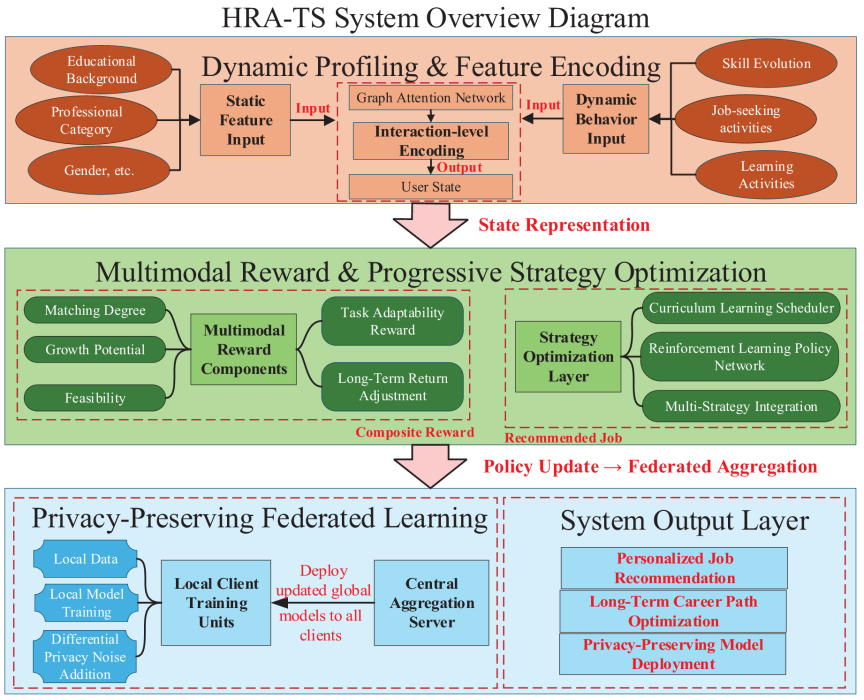
Fig. 1. HRA-TS system overview.
Reward Function Design and Progressive Policy Optimization Module: This module designs a multimodal reward function that integrates matching relevance, developmental potential, and behavioral feasibility and progressively optimizes the recommendation policy through a curriculum learning mechanism.
Privacy Protection and Federated Learning Module: This module preserves jobseeker privacy through federated learning while improving the efficiency of distributed model training.
The following sections present the detailed mathematical formulation of each module together with rigorous derivations. Fig. 1 illustrates the overall architecture of the HRA-TS framework.
3.2. Dynamic Profiling and Feature Encoding
In job recommendation tasks, job seekers’ needs are shaped not only by static attributes (such as education, gender, and professional background), but also by evolving behavioral patterns (e.g., skill development and job search activities). Traditional methods that focus primarily on static features are insufficient to effectively capture such dynamic changes. To address this limitation, LSTM networks were employed to model sequential data and capture the temporal evolution of job-seeker behaviors. In addition, GATs were introduced to model the relational dependencies between job seekers and recommended positions.
3.2.1. Static Attribute Encoding
The purpose of static attribute encoding is to map the static features of job seekers (such as education, gender, and major) into low-dimensional feature vectors for further processing using the model. Static features typically do not change over time; therefore, this module focuses on effectively digitizing and representing fixed background attributes.
Input: The static feature vector \(s_{\textit{static}}\) includes various pieces of information about the job seeker such as educational background, gender, and degree. The static features are expressed as
Fully Connected Layer (FC): To map static features to a low-dimensional space and improve feature expressiveness, the static attribute vector \(s_{\textit{static}}\in \mathbb{R}^d\) is passed through a fully connected network to map it to a lower-dimensional embedding space \(e_{\textit{static}}\in \mathbb{R}^m\), thereby reducing computational complexity and improving learning efficiency. The mapping formula was as follows:
Output: The output of this module is the low-dimensional embedding.
Static attribute encoding provides a foundational representation of the job seeker’s basic background, which can be combined with dynamic behavioral features in subsequent stages. This encoding serves as the base feature representation for the overall job-seeker profile, enabling the recommendation system to understand the fundamental characteristics of the job-seeker.
3.2.2. LSTM-Based Dynamic Behavior Encoding
The goal of dynamic behavior encoding is to model evolving behavioral features of job seekers such as skill development, job search activities, and other career progression behaviors. These dynamic features change over time. To capture these temporal dependencies, we used LSTM networks, which are well suited for modeling time-series data.
Job seekers’ dynamic behavior is represented as sequential data \(S_{\textit{dynamic}}=\{s_t\}_{t=1}^T\), where \(T\) is the time step, and \(s_t=\mathbb{R}^k\) is the dynamic state at step \(t\). The LSTM recurrence relationships are as follows.
LSTM networks were used to process the time-series data and compute the hidden state \(h_t\) and cell state \(c_t\) at each time step. The LSTM network recursively updates these states based on the previous hidden state and current input feature \(s_t\).
Input Gate: Controls the extent to which the current input \(s_t\) is allowed to affect the cell state.
Forget Gate: Decides how much of the previous cell state \(c_{t-1}\) should be forgotten.
Output Gate: Determines how much of the current cell state \(c_t\) should be used to compute the hidden state \(h_t\).
Update Cell State: The cell state \(c_t\) is updated based on the input and forget gates.
Hidden State: The output hidden state \(h_t\) is computed based on the output gate and cell state.
Output: The output of the LSTM network is the hidden state \(h_t\), which captures the temporal dynamics of the job-seeker behavior at time step \(t\): \(h_t\in \mathbb{R}^d\).
Figure 2 shows a flowchart of the dynamic behavior encoding process. Dynamic behavior encoding using LSTM networks captures temporal dependencies and long-term relationships in the job seeker’s actions, such as skill improvements and job search activities. This provides a dynamic representation that complements the static feature encoding, allowing for a more complete profile of job seekers, including their evolving skills and career progression.
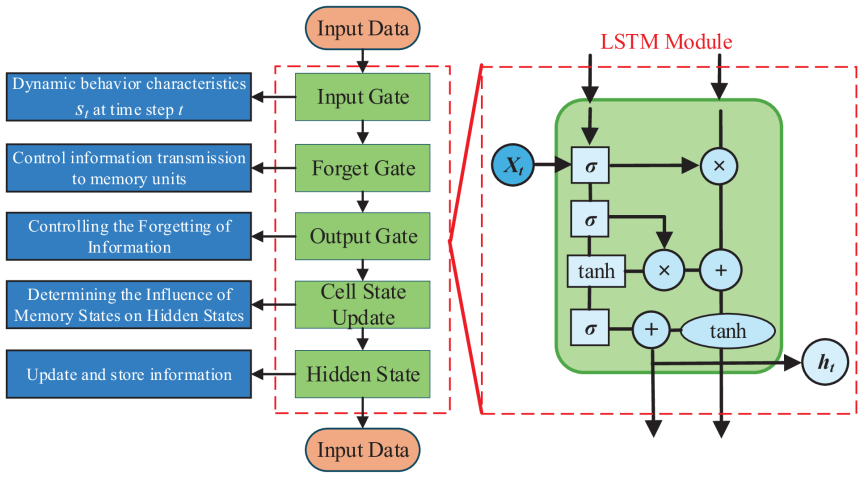
Fig. 2. Dynamic behavior encoding flowchart.
3.2.3. GAT Encoding
The relationships between job seekers and recommended jobs were modeled using GATs. In the graph, the nodes represent job seekers and jobs, whereas the edges represent the relationships between them. The feature update rule for each node is given by
3.3. Multimodal Reward Function Design and Progressive Strategy Optimization
To optimize the long-term effects of the recommendation system, this module introduces a multimodal reward function that integrates matching degree, growth potential, and feasibility. These reward components are used to guide the system not only in short-term matches but also in ensuring the long-term career growth of job seekers.
The multimodal reward function is a critical component in the HRA-TS framework, guiding the system to make recommendations that not only match the job seeker’s current status, but also contribute to their long-term career growth. The design of the function reflects the joint optimization of both short-term goals (e.g., job matching accuracy) and long-term objectives (e.g., career growth potential). By incorporating both static feature encoding and dynamic behavior modeling, the reward function allows the system to adapt to the evolving needs of job seekers. Moreover, it is closely integrated with the framework’s policy optimization process and federated learning mechanism to ensure that job recommendations are tailored to users while respecting privacy constraints. Furthermore, a curriculum learning mechanism was introduced to progressively increase the complexity of the task during training, thereby preventing overfitting during the early stages.
3.3.1. Matching Degree (\(r_{\textrm{match}}\))
Matching degree measures how well the recommended job matches the job-seeker’s current profile. Cosine similarity is a common similarity metric that measures the degree of alignment between a job-seeker and a recommended job. It is calculated using the cosine similarity between the jobseeker’s state \(s_t\) and the recommended job \(a_t\):
This component ensures that job recommendations closely align with the jobseeker’s qualifications and profile.
3.3.2. Growth Potential (\(r_{\textrm{growth}}\))
Growth potential evaluates the extent to which the recommended job contributes to job seekers’ career growth and skill enhancement. A regression model was used to predict the growth potential of job recommendations.
The regression function \(\phi_{\textit{growth}}\) estimates the growth potential of the recommended job for the job seeker, ensuring the recommendation system considers long-term career growth. \(\tau\) is a threshold value ensuring the recommendation has sufficient growth potential.
This component ensures that job recommendations not only match the job seeker’s current skills but also provide long-term career advancement opportunities.
3.3.3. Feasibility (\(r_{\textrm{feasible}}\))
Feasibility assesses the practical suitability of a recommended job by considering factors, such as market demand, job availability, and the job seeker’s current skill set. The feasibility is calculated as
By learning the relationship between market demand and jobseeker behavior, this function ensures that the recommended job aligns with the jobseeker’s interests, while considering the actual market conditions.
3.3.4. Task Adaptability Reward (\(r_{\textrm{task}}\))
Task adaptability measures how well a recommended job aligns with a jobseeker’s long-term career goals. Task adaptability is computed as
This reward measures the alignment between the current recommendation task and the job-seeker’s long-term career goals.
3.3.5. Long-Term Return Adjustment (\(r_{\textrm{long-term}}\))
Long-term return adjustment applies a discount factor \(\gamma\) to future rewards, promoting recommendations that prioritize career growth over immediate gains. The long-term reward is computed as the cumulative sum of discounted future rewards.
This formula applies a discount factor \(\gamma\) to future rewards, helping the system emphasize long-term outcomes.
3.3.6. Composite Reward Function
The overall reward function integrates the above components into a weighted sum to optimize the short-term matching accuracy and long-term career development. The complete reward function is expressed as
This function balances the multiple goals of the recommendation system, ensuring that both short-term matching and long-term growth are considered during the decision-making process.
3.3.7. Progressive Strategy Optimization
To progressively improve the performance of the model, a curriculum-learning mechanism was adopted. The model starts with simpler tasks and gradually increases task complexity. The optimization objective is as follows:
The strategy network parameter \(\theta\) is updated using proximal policy optimization (PPO) to maximize cumulative rewards.
3.3.8. Multistrategy Optimization
To improve model adaptability and stability, multistrategy optimization is introduced, in which we weigh the performance of the strategies to obtain better overall results.
The multimodal reward function within the HRA-TS framework balances multiple objectives, ensuring that the recommendation system achieves both immediate job matching and long-term career development. By incorporating temporal and static feature representations, this framework provides a dynamic and adaptable solution for personalized career recommendations.
3.4. Privacy Protection and Federated Learning
As privacy concerns increase, traditional centralized training methods are no longer sufficient to meet modern privacy protection requirements. Therefore, federated learning was adopted to train the models without exposing sensitive user data, thereby ensuring jobseeker privacy.
Within the HRA-TS framework, federated learning is introduced to enable model training, while safeguarding the privacy of job seekers. In contrast to traditional centralized training, federated learning distributes training tasks across multiple clients, thereby avoiding the centralization of sensitive data. Each client trains a model locally and updates the global model by passing gradients.
Client: The primary task of the client is to train the models using local data and to compute gradients. The client does not upload raw data but instead uploads encrypted gradients to ensure data privacy. Each client contains an LSTM module and a GAT module, processing dynamic behavioral and static features, respectively. LSTM module: Processes a job seeker’s time-series data, such as skill evolution and job search behavior, to generate a dynamic behavioral feature representation. GAT module: Models the relationship between job seekers and recommended positions, capturing interactions between job seekers and positions through a graph attention mechanism. The client’s gradient update formula is
Server: The server’s task is to aggregate all gradients uploaded by clients and use the federated averaging method to aggregate the gradients, thereby updating the global model.
LSTM Module (Dynamic Behavior Encoding): The LSTM network receives time-series features, such as skill development and job search activities, to generate a dynamic behavioral feature representation, \(h_t\). The LSTM captures long-term dependencies in job seekers’ behaviors and learns skill improvements and job search activities over time. Input features \(s_t\) include information such as the job seeker’s skills and job search activities at time step \(t\). The LSTM calculates the current hidden state \(h_t\) using the following formula:
This process generates a dynamic behavioral representation \(h_t\) of the job seeker at time step \(t\) for use by subsequent modules.
GAT Module (Job-Applicant Relationship Modeling): GAT models the relationship between job applicants and recommended positions by calculating the weights between nodes via a graph attention mechanism and updating node features. Each node represents an applicant or position, with the edges denoting their relationship. Attention coefficient \(\alpha\) between each applicant-position pair is computed through a self-attention mechanism to update node features:
This process generates the final representation \(h_{\textit{GAT}}\) for each node (job seeker and job position) through the graph attention mechanism, providing the basis for recommendation decisions.
Privacy Protection Mechanism: Within the federated learning framework, differential privacy techniques are introduced to ensure privacy protection. When each client uploads a gradient, privacy is safeguarded by the addition of noise.
Federated Learning Aggregation and Update: Clients upload locally trained gradients to the server. The server aggregates the gradients using federated averaging to update the global model.
This module ensures the protection of job seeker data privacy via federated learning, encryption techniques, and gradient aggregation to optimize the model training efficiency. Differential privacy further strengthens user privacy protection.
The proposed HRA-TS framework combines LSTM–GAT networks for dynamic feature modeling, designs a multimodal reward function with progressive strategy optimization, and incorporates federated learning for privacy protection. This framework addresses challenges in traditional job recommendation systems related to dynamic profiling, long-term value guidance, and privacy protection and demonstrates significant application potential for personalized job recommendations.
4. Experiments and Analysis of Results
To systematically evaluate the impact of each component of the proposed hierarchical temporal reinforcement learning model on the effectiveness of career recommendations for college students, we first conducted ablation experiments to validate the necessity of the temporal attention mechanism and hierarchical structure. Based on this, the complete HRA-TS model was compared with a reinforcement learning baseline model, namely the deep Q-network (DQN), using employment data collected from a domestic university, including dynamic behavioral sequences and static features, to quantitatively analyze its advantages across three dimensions: recommendation accuracy (HR@K), career suitability (JMS), and cold-start performance (CTR@10). The experiments specifically focused on the model’s ability to capture temporal dependencies in data-sparse environments.
In this experiment, the HRA-TS framework was employed and compared with reinforcement learning methods such as the DQN, asynchronous advantage actor–critic (A3C), and PPO. All experiments were conducted on 50 distributed clients, with each client using the LSTM and GAT modules to process dynamic behavioral data and static attribute data, respectively. Each client performed three rounds of local training, and after every five rounds of client training, the server aggregated the locally updated parameters uploaded by the clients using federated averaging and updated the global model. For privacy protection, the standard deviation of differential privacy noise was set to 0.1. The global model was trained over 20 federated learning rounds with local updates performed every three rounds to ensure convergence. The evaluation metrics included HR@5, JMS, CTR@10, and F1 scores, which jointly assessed the performance of the different methods in terms of matching accuracy, career suitability, cold-start performance, and overall recommendation effectiveness. All comparison experiments used the Adam optimizer with a learning rate of 0.001. In addition, the effectiveness of the recommendation system in cold-start scenarios was validated using an 80%/20% train/test split to evaluate its performance under limited historical interaction data.
| Feature dimension | Category | Frequency |
| Gender | Male | 52 |
| Female | 48 | |
| Field of expertise | Computer science | 25 |
| Business administration | 20 | |
| Mechanical engineering | 15 | |
| Other (4 categories) | 40 | |
| GPA range | 3.5–4.0 | 30 |
| 3.0–3.49 | 45 | |
| \(<3.0\) | 25 |
4.1. Explanation and Processing of Experimental Data
This study used employment-tracking data from 100 graduates who completed their studies at a domestic university in 2020 as the research sample, as presented in Table 1 and Fig. 3. This dataset contains information on students’ comprehensive performance and job search behavior during their time at university, including structured data from two dimensions: static attributes and dynamic behavior. In the static attribute dimension, the dataset integrated multiple basic characteristic indicators. Demographic characteristics include basic information such as gender and age, while educational background characteristics encompass academic performance indicators such as the field of study and grades in core courses. These static indicators form the basic profiles of graduates and provide important feature dimensions for personalized recommendation models.
The dynamic behavior dimension focuses on recording students’ skill development trajectories and specifically includes three types of time-series data. The first is professional skill development, which describes the students’ progress in professional competencies, language proficiency, and computer application skills. The second is honor awards, which systematically record students’ achievements in academic competitions, innovation and technology activities, and social practices. The third category comprises career preparation activities that comprehensively track internship experience, project participation, and career training, all of which are directly related to employment. These dynamic data are organized in chronological order to form time-series features that reflect the evolution of students’ professional competencies.
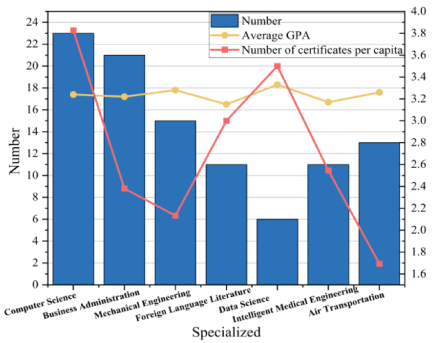
Fig. 3. Basic information about graduates.
During the data preprocessing stage, standardized procedures were applied to clean and transform raw data. Static attribute data were standardized to eliminate differences in measurement units, whereas categorical variables were converted into numerical representations using one-hot encoding. Dynamic behavioral data were processed using time-series modeling to construct behavioral sequences that characterized the development of students’ abilities. For low-frequency behavioral features, statistical smoothing methods were employed to effectively alleviate data sparsity while preserving the underlying feature information.
To comprehensively evaluate the performance of the recommendation system, with particular emphasis on validating the applicability of the proposed model in data-scarce scenarios, this study employed a stratified random sampling method to partition the dataset. The training set comprised 80% of the samples and retained complete feature information, whereas the test set comprised the remaining 20% and simulated the cold-start conditions by masking partial feature information. The final experimental dataset covers seven academic disciplines, five categories of professional certification information, and five levels of honorary awards. All experimental data were strictly anonymized in compliance with the research ethics standards and data security management requirements.
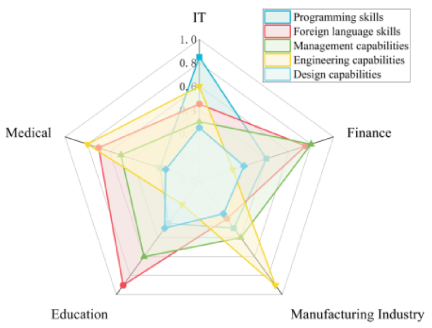
Fig. 4. Radar chart of industry skill-demand intensity.
In a study of a personalized career recommendation method for college students based on hierarchical temporal reinforcement learning, a detailed analysis of competency requirements across different occupational fields provided an important foundation for precise model matching. By illustrating the distribution of demand across dimensions, such as programming skills, foreign language proficiency, management capabilities, design capabilities, and engineering capabilities in various industries, the radar chart clearly reveals the distinct competency requirements of different sectors. This visual analysis not only provides an intuitive understanding of inter-industry differences in skill demands but also offers valuable guidance for the design of personalized career recommendation models. During model development, by incorporating the heterogeneity of industry-specific requirements, the recommendation algorithm can consider students’ foundational backgrounds more comprehensively while generating career development paths aligned with the skill priorities of different industries.
Figure 4 illustrates the differences in demand across five key competency dimensions—programming skills, foreign language proficiency, management skills, design skills, and engineering skills—in the five major industries: IT, finance, manufacturing, education, and healthcare. Specifically, the IT industry places the greatest emphasis on programming skills (0.85), whereas the demand for foreign language proficiency and design skills is relatively low. In contrast, the finance industry prioritizes management skills (0.80) and foreign language proficiency, while showing limited demand for technical skills. The manufacturing industry exhibited the strongest demand for engineering skills (0.90), with other competencies being comparatively less emphasized. The education industry shows a particularly strong demand for foreign language proficiency (0.90) but a comparatively weaker demand for technical skills. The healthcare industry places a strong emphasis on engineering skills (0.80) and demonstrates a greater reliance on technical competencies than most other industries.
4.2. Evaluation of a Recommendation Model Based on HRA-TS for Personalized Career Recommendations for College Students
To validate the performance advantages of the HRA-TS in employment and entrepreneurship platform recommendations, we selected multidimensional employment data from 100 students as the experimental sample. MATLAB was used as the development platform combined with Excel for data preprocessing, and the experiments was performed on a CPU-based platform. Through a recommendation system comparison experiment, the proposed HRA-TS algorithm was compared with the DQN, A3C, and PPO algorithms for performance analysis.
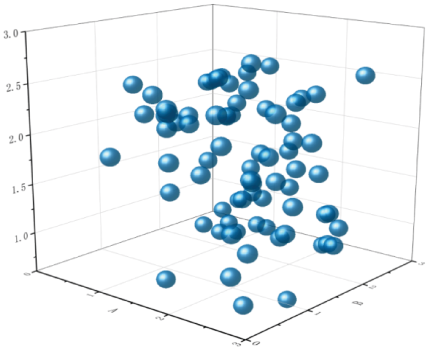
Fig. 5. Optimal solution distribution obtained using HRA-TS.
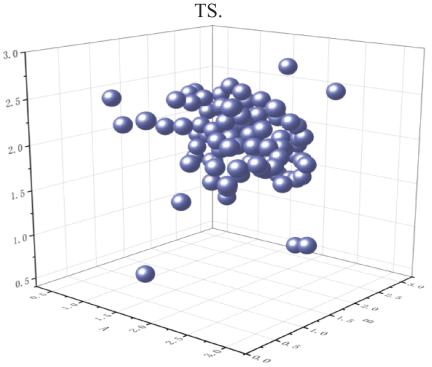
Fig. 6. Optimal solution distribution obtained using DQN.
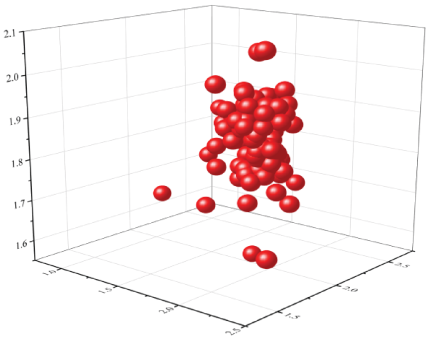
Fig. 7. Optimal solution distribution obtained using A3C.
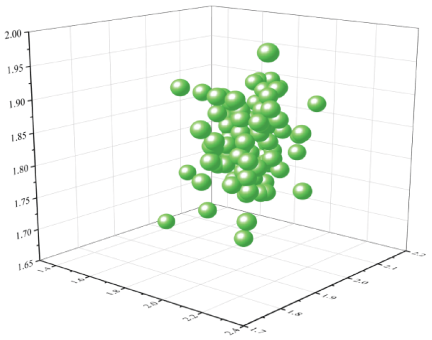
Fig. 8. Optimal solution distribution obtained using PPO.
As shown in Figs. 5–8, the HRA-TS algorithm (blue markers) exhibits a widely dispersed distribution, covering the solution space more uniformly and with slight clustering observed in certain regions, indicating its ability to explore diverse career paths and provide personalized recommendations. In contrast, the DQN (purple markers) exhibited a more concentrated distribution, suggesting that it focused on a relatively limited range of career paths. A3C (red markers) and PPO (green markers) showed broader distributions than DQN, but still failed to achieve the level of diversity demonstrated by HRA-TS. Although both methods improve upon the DQN, they do not fully match the adaptability and flexibility of the HRA-TS in delivering personalized career recommendations.
Overall, HRA-TS outperformed the other models in terms of recommendation diversity and personalization, making it more suitable for providing students with comprehensive career path options.
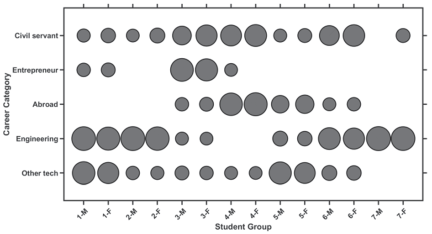
Fig. 9. Distribution of graduates’ career preferences by professional background and gender.
Figure 9 illustrates the distribution characteristics of graduates’ career preferences grouped by major and gender. On the horizontal axis, the student groups are coded as follows: numbers 1–7 correspond to computer science, business administration, mechanical engineering, foreign languages and literature, data science, intelligent medical engineering, and aviation transportation, respectively, and the suffixes M and F denote male and female students, respectively. The vertical axis covers five career types: other technical positions, engineering and technical positions, further education abroad, self-employment, and civil service. The bubble size is positively correlated with the intensity of career preferences, thereby visually illustrating the differences in preferences across groups.
As shown in Fig. 9, the occupational preferences exhibited significant structural characteristics. Preferences for the civil service are most prominent among female students majoring in foreign languages, literature, and intelligent medical engineering, forming a distinct clustering pattern. Preferences for self-employment were highly concentrated among male students majoring in business administration, with a significantly higher preference intensity than the other groups. Preferences for further education abroad demonstrated cross-gender consistency among foreign language and literature majors, with both male and female students exhibiting comparable levels of preference intensity. Engineering and technical positions, however, exhibit significant gender differentiation, with male students in mechanical engineering and aviation transportation showing substantially stronger preferences than their female counterparts in the same majors, thereby creating a clear contrast. Notably, preferences for other technical positions were widely observed among students majoring in computer science and data science, indicating strong cross-gender generality. These structured preference patterns provide an important modeling basis for the hierarchical recommendation mechanism of the HRA-TS. By establishing a dynamic weight allocation strategy across major- and gender-related dimensions, the algorithm effectively enhanced the adaptability of the career recommendation system to complex scenarios.
The F1 score balances the precision and recall of a classification model, and is commonly used to evaluate the overall performance of recommendation systems. In this study, the F1 score was used to assess the effectiveness of the career recommendation system in terms of precision and coverage. A high F1 score indicates that the recommendation system not only accurately matches suitable positions but also effectively recommends multiple relevant positions, thereby demonstrating a strong overall recommendation performance. Therefore, the F1 score plays a crucial role in personalized career recommendations as it provides a comprehensive reflection of recommendation quality.
As shown in Figs. 10 and 11, the F1 score of the HRA-TS algorithm is generally higher than that of the DQN algorithm for different numbers of recommended positions and candidate users. In particular, as the number of recommended candidates increased, the F1 score of the HRA-TS algorithm steadily improved, demonstrating its superior performance when the recommendation set increased. In contrast, although the F1 score of the DQN algorithm improves as the number of recommended candidates increases, its overall performance remains inferior to that of HRA-TS. This indicates that HRA-TS demonstrates stronger precision and recall performance in personalized career recommendation tasks, enabling the system to provide users with more comprehensive and personalized recommendation results.
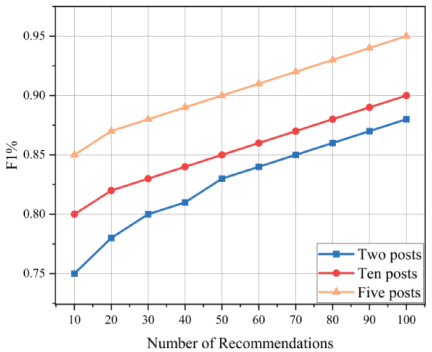
Fig. 10. F1 scores of HRA-TS under different numbers of users and recommended positions.
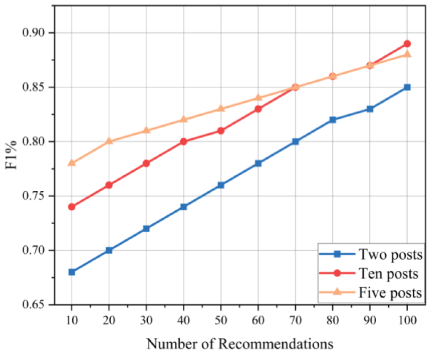
Fig. 11. F1 scores of DQN under different numbers of users and recommended positions.
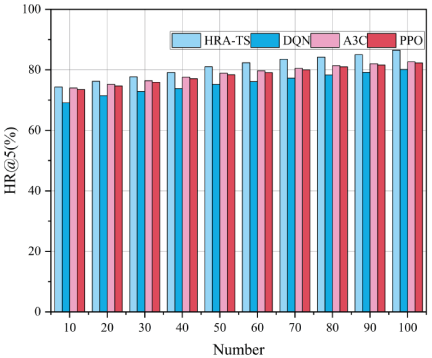
Fig. 12. Comparison of HR@5 results between the four algorithms.
HR@5 measures the proportion of correct job positions among the top-5 recommendations. A higher HR@5 value indicates that the recommendation system can accurately match the more relevant job positions within the top-ranked results. In personalized career recommendations, HR@5 reflects the hit accuracy of the recommendation system and helps evaluate its performance under a fixed recommendation list length. Through the HR@5 value, the effectiveness of job matching can be assessed more directly. In particular, when more positions are recommended, an increase in HR@5 indicates that the system can retrieve more relevant jobs within the top-ranked results, thereby improving the overall matching effectiveness.
As shown in the HR@5 comparison results presented in Fig. 12, the HRA-TS consistently outperformed the DQN across all recommendation counts, with HR@5 improvements ranging from 4% to 7%. Specifically, HRA-TS achieved a 6.02% improvement in HR@5 compared to DQN (\(p < 0.01\)), demonstrating its superior ability to rank relevant positions within the top recommendations.
In contrast, although the DQN’s HR@5 value improves as the number of recommendations increases, it never reaches the level achieved by the HRA-TS, indicating an inferior top-K matching performance in personalized recommendation tasks. A3C and PPO both outperformed DQN but remained slightly behind HRA-TS, with improvements of 2%–3% for A3C and 1%–2% for PPO compared to DQN. These results highlight that HRA-TS is the most effective model for providing accurate and diverse career recommendations.
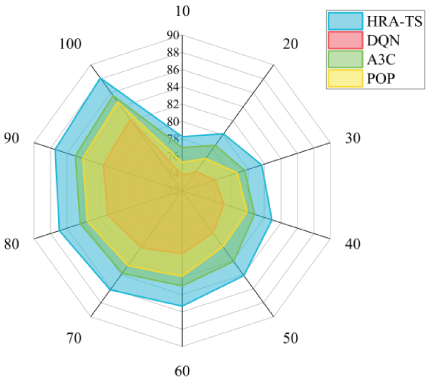
Fig. 13. Comparison of JMS results among the four algorithms.
The job matching score (JMS) is an indicator used to measure the degree of alignment between the recommended positions and users’ career backgrounds, thereby reflecting the system’s adaptability. A higher JMS value indicates greater alignment between the recommended positions and the users’ career interests, skills, and backgrounds. In personalized career recommendation tasks, the JMS is used to assess the relevance and matching quality of recommended positions and serves as a key metric for evaluating whether the recommendation system can provide users with suitable positions.
As shown in Fig. 13, the JMS values of the HRA-TS (blue area) were consistently higher than those of the DQN (red area) across all recommendation counts. The JMS values of HRA-TS steadily increased as the number of recommendations increased, indicating its strong ability to align recommended positions with the students’ background characteristics. In contrast, the DQN (red area) shows only limited improvement, with JMS values ranging from 73.81% at 10 recommendations to 82.23% at 100 recommendations, highlighting its limitations in job matching. Both A3C (green area) and PPO (yellow area) outperformed DQN but remained below HRA-TS. A3C reached 85.6% at 100 recommendations, whereas PPO reached 84.7%, indicating better job-matching capability than DQN, although neither achieved the performance level of HRA-TS.
In summary, HRA-TS consistently outperformed DQN, A3C, and PPO in terms of job matching quality and career path suitability, thereby offering more personalized recommendations.
User course exploration path analysis tracks and analyzes students’ course selections and learning trajectories throughout the learning process to assess whether they follow a reasonable progression of “foundation \(\to\) major \(\to\) interdisciplinary extension.” Adherence to this path can reveal student learning behavior patterns and help optimize course recommendation systems to provide personalized and adaptive learning pathways. By analyzing these data, educational platforms can better understand students’ learning needs and design course recommendation strategies that are more closely aligned with the career development needs of students from different backgrounds and majors.
As shown in Table 2, students across different academic disciplines generally followed the “foundation \(\to\) specialization \(\to\) interdisciplinary” pathway in their course exploration. For example, 80.0% of computer science students followed a complete path, and students from other disciplines demonstrated a high level of path adherence (82.0%). Overall, 80.7% of students followed the recommended learning path, indicating that most students exhibited a relatively consistent pattern of course selection. Course recommendation systems effectively support students’ academic growth and development by optimizing their learning paths.
| Field of expertise | Computer | Business | Mechanical | Other | Total |
| science | administration | engineering | (4 categories) | ||
| Number | 25 | 20 | 15 | 40 | 100 |
| Basic courses \(\to\) Specialized courses \(\to\) | 80.0% | 75.0% | 78.0% | 82.0% | 80.7% |
| Cross-disciplinary courses | |||||
| Basic courses \(\to\) Specialized courses | 12.0% | 15.0% | 14.0% | 13.0% | 13.5% |
| Basic courses \(\to\) Cross-disciplinary courses | 4.0% | 5.0% | 4.0% | 3.0% | 3.3% |
| Other paths | 4.0% | 5.0% | 4.0% | 2.0% | 2.5% |
CTR@10 measures the proportion of clicks in the top ten recommended positions in a cold-start scenario. Cold-start issues typically arise when the system lacks historical data or when user preferences are not sufficiently established. A higher CTR@10 value indicates that the system can adapt better to scenarios with limited historical data and recommend more relevant positions to users. In personalized career recommendation tasks, the CTR@10 is an important metric for evaluating the cold-start capability of a recommendation system and reflects its effectiveness in addressing cold-start challenges.
As shown in Fig. 14, the HRA-TS algorithm (orange bars) consistently outperformed the DQN algorithm (green bars) in terms of the cold-start click-through rate (CTR@10) across all recommendation sizes. Specifically, HRA-TS achieved a 6.09% improvement in CTR@10 compared with the DQN when recommending 10 positions (\(p <0.01\)). As the number of recommended positions increased, the CTR@10 value of HRA-TS increased steadily and remained relatively high, demonstrating its superior ability to recommend relevant positions under cold-start conditions.
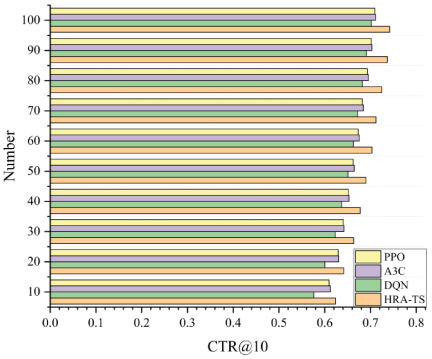
Fig. 14. Comparison of CTR@10 results between the two algorithms.
In contrast, DQN also demonstrated incremental improvement in CTR@10 as the number of recommended positions increased; however, its performance remained consistently below that of HRA-TS, indicating limited adaptability in cold-start scenarios. Similarly, A3C (purple bars) and PPO (yellow bars) outperformed DQN, with A3C achieving a CTR@10 value of 0.711 at 100 recommendations and PPO reaching 0.7095 under the same setting. However, both models remained inferior to HRA-TS, reaching 0.7421 at 100 recommendations.
Overall, the HRA-TS algorithm demonstrated superior cold-start performance, providing more relevant job recommendations than DQN, A3C, and PPO.
Federated learning is a distributed learning paradigm that allows multiple parties to participate in model training, while retaining the privacy of their local data. In federated learning, accuracy loss typically refers to the performance gap between the global model and locally trained models, and is commonly used to evaluate the impact of distributed training on model effectiveness. Federated learning was adopted to enable collaborative knowledge sharing across multiple nodes or devices without centralizing raw data, thereby preserving data privacy while improving model performance. To assess the effectiveness of federated learning, it is necessary to analyze the accuracy loss to understand the gap between local models and the global model and to evaluate the algorithm’s performance in a distributed environment.
As presented in Table 3, the accuracy loss of the HRA-TS algorithm under the federated learning setting was consistently lower than that of the DQN algorithm. Specifically, the average accuracy loss of HRA-TS was 2.9%, whereas that of the DQN was 5.2%, demonstrating the advantage of HRA-TS in preserving model accuracy during distributed training. This indicates that HRA-TS can better maintain the global model performance in a federated learning environment, thereby achieving more efficient model training and stronger overall performance while ensuring data privacy.
| Training rounds | Federated learning local node accuracy [%] | Global model accuracy [%] | Loss of accuracy [%] | Federated learning model |
| 1 | 90.2% | 93.5% | 3.3% | HRA-TS |
| 2 | 91.1% | 94.0% | 2.9% | HRA-TS |
| 3 | 92.5% | 95.2% | 2.7% | HRA-TS |
| 4 | 89.7% | 93.0% | 3.3% | DQN |
| 5 | 91.3% | 94.3% | 3.0% | DQN |
| 6 | 93.0% | 95.5% | 2.5% | DQN |
| Average | 91.2% | 94.6% | 2.9% | HRA-TS |
5. Conclusion
This study proposed HRA-TS, a hierarchical temporal reinforcement learning framework for personalized career recommendations that integrates a hybrid LSTM–GAT encoder, a multimodal reward mechanism, curriculum-guided policy optimization, and federated learning for privacy-preserving training. The experimental results indicated that HRA-TS consistently outperformed the DQN baseline, improving HR@5 by 6.02% and the cold-start click-through rate by 6.09%. Under curriculum-guided exploration, 80.7% of users exhibited a coherent progression pattern from “foundation” to “specialization” and subsequently to “interdisciplinary” recommendations. In the federated learning setting, performance degradation remained below 2.9%, suggesting that privacy preservation can be achieved with limited accuracy loss.
Despite these promising results, this study has several limitations. The current evaluation was based on a relatively small cohort, which may restrict the generalizability of the framework across diverse populations and labor markets. In addition, the multimodal reward function still depends on manually designed components, and the federated setting assumes relatively stable and cooperative client environments.
Future work will focus on validating the framework using larger and more heterogeneous datasets, developing more adaptive reward modeling strategies, and improving federated optimization under non-IID data distributions and heterogeneous client conditions. These extensions are expected to further enhance the robustness and practical applicability of the HRA-TS in real-world career recommendation scenarios.
- [1] J. T. Iorzua et al., “A machine learning based approach to course and career recommendation system: A systematic literature review,” J. of Computing Theories and Applications, Vol.3, No.1, pp. 1-16. 2025. https://doi.org/10.62411/jcta.12603
- [2] H. Ding et al. “Capturing dynamic user preferences: A recommendation system model with non-linear forgetting and evolving topics,” Systems, Vol.13, Issue 11, Article No.1034, 2025. https://doi.org/10.3390/systems13111034
- [3] N. Sritrakool and S. Maneeroj, “Personalized preference drift aware sequential recommender system,” IEEE Access, Vol.9, pp. 155491-155506, 2021. https://doi.org/10.1109/ACCESS.2021.3128769
- [4] J. Duan et al., “Long short-term enhanced memory for sequential recommendation,” World Wide Web, Vol.26, No.2, pp. 561-583, 2023. https://doi.org/10.1007/s11280-022-01056-9
- [5] X. Tong, P. Wang, and S. Niu, “Reinforcement learning-based denoising network for sequential recommendation,” Applied Intelligence, Vol.53, No.2, pp. 1324-1335, 2023. https://doi.org/10.1007/s10489-022-03298-6
- [6] W. Xue et al., “Prefrec: Recommender systems with human preferences for reinforcing long-term user engagement,” Proc. of the 29th ACM SIGKDD Conf. on Knowledge Discovery and Data Mining, pp. 2874-2884, 2023. https://doi.org/10.1145/3580305.3599473
- [7] L. Wang et al., “Horizontal federated recommender system: A survey,” ACM Computing Surveys, Vol.56, No.9, Article No.240, 2024. https://doi.org/10.1145/3656165
- [8] R. Gosselin et al., “Privacy and security in federated learning: A survey,” Applied Sciences, Vol.12, Issue 19, Article No.9901, 2022. https://doi.org/10.3390/app12199901
- [9] C. Sun et al., “Federated deep reinforcement learning for recommendation-enabled edge caching in mobile edge-cloud computing networks,” IEEE J. on Selected Areas in Communications, Vol.41, Issue 3, pp. 690-705, 2023. https://doi.org/10.1109/JSAC.2023.3235443
- [10] M.-I. Dascălu et al., “Careprofsys – An ontology for career development in engineering designed for the romanian job market,” Revue Roumaine Des Sciences Techniques – Série Électrotechnique Et Énergétique, Vol.68, No.2, pp. 212-217, 2023. https://doi.org/10.59277/RRST-EE.2023.68.2.16
- [11] B. Vesin, K. Mangaroska, K. Akhuseyinoglu, and M. Giannakos, “Adaptive assessment and content recommendation in online programming courses: On the use of elo-rating,” ACM Trans. Comput. Educ., Vol.22, Issue 3, Article No.33, 2022. https://doi.org/10.1145/3511886
- [12] V. Ramazanova, M. Sambetbayeva, S. Serikbayeva, Z. Sadirmekova, and A. Yerimbetova, “Development of a Knowledge Graph-Based Model for Recommending MOOCs to Supplement University Educational Programs in Line with Employer Requirements,” IEEE Access, Vol.12, pp. 193313-193331, 2024. https://doi.org/10.1109/ACCESS.2024.3519263
- [13] S. Ashrafi, B. Majidi, E. Akhtarkavan, and S. H. R. Hajiagha, “Efficient resume-based re-education for career recommendation in rapidly evolving job markets,” IEEE Access, Vol.11, pp. 124350-124367, 2023. https://doi.org/10.1109/ACCESS.2023.3329576
- [14] M.-I. Dascalu, I.-C. Stanica, I.-A. Bratosin, B.-I. Uta, and C.-N. Bodea, “Virtual reality for career development and exploration: The CareProfSys profiler system case,” Electronics, Vol.13, Issue 13, Article No.2629, 2024. https://doi.org/10.3390/electronics13132629
- [15] M. Qamhieh, H. Sammaneh, and M. N. Demaidi, “PCRS: Personalized career-path recommender system for engineering students,” IEEE Access, Vol.8, pp. 214039-214049, 2020. https://doi.org/10.1109/ACCESS.2020.3040338
- [16] E. Padma, P. Sowdharshini, P. Shanmugapriya, K. M. Reshmaa, and C. N. Srimathi. “Career guidance system for students using machine learning,” V. Sharmila, S. Kannadhasan, A. Rajiv Kannan, P. Sivakumar, and V. Vennila (Eds.), “Challenges in Information, Communication and Computing Technology,” pp. 666-671, CRC Press, 2025. https://doi.org/10.1201/9781003559092-115
- [17] Y. Huang, “Individualized career planning intelligent teaching system for college students based on adaptive artificial intelligence,” J. of Computational Methods in Sciences and Engineering, Vol.25, No.4, 2025. https://doi.org/10.1177/14727978251315731
- [18] C. Wang, H. Zhu, P. Wang, C. Zhu, X. Zhang, E. Chen, and H. Xiong, “Personalized and explainable employee training course recommendations: A Bayesian variational approach,” ACM Trans. on Information Systems (TOIS), Vol.40, No.4, Article No.70, 2021. https://doi.org/10.1145/3490476
- [19] S. Maghsudi, A. Lan, J. Xu, and M. van Der Schaar, “Personalized education in the artificial intelligence era: What to expect next,” IEEE Signal Processing Magazine, Vol.38, Issue 3, pp. 37-50, 2021. https://doi.org/37-50.10.1109/MSP.2021.3055032
- [20] W. Bagunaid, N. Chilamkurti, and P. Veeraraghavan, “AISAR: Artificial intelligence-based student assessment and recommendation system for e-learning in big data,” Sustainability, Vol.14, Issue 17, Article No.10551, 2022. https://doi.org/10.3390/su141710551
- [21] A. Bhutoria, “Personalized education and artificial intelligence in the United States, China, and India: A systematic review using a human-in-the-loop model,” Computers and Education: Artificial Intelligence, Vol.3, Article No.100068, 2022. https://doi.org/10.1016/j.caeai.2022.100068
- [22] P. C. Siswipraptini, H. L. H. S. Warnars, A. Ramadhan, and W. Budiharto, “Personalized career-path recommendation model for information technology students in Indonesia,” IEEE Access, Vol.12, pp. 49092-49105, 2024. https://doi.org/10.1109/ACCESS.2024.3381032
- [23] Y. Ren, “Prediction of career tendency and personalized suggestions for college students under cluster analysis,” J. of Computational Methods in Sciences and Engineering, Vol.25, Issue 2, pp. 1951-1962, 2025. https://doi.org/10.1177/14727978241307474
- [24] L. Wang, Y. Fu, and Y. Zhang, “A career recommendation method for college students based on occupational values,” Int. J. of Emerging Technologies in Learning, Vol.18, No.1, pp. 201-215, 2023. https://doi.org/10.3991/ijet.v18i01.37127
- [25] T. V. Yadalam, V. M. Gowda, V. S. Kumar, D. Girish, and Namratha M., “Career recommendation systems using content based filtering,” 2020 5th Int. Conf. on Communication and Electronics Systems (ICCES), pp. 660-665, 2020. https://doi.org/10.1109/ICCES48766.2020.9137992
- [26] Y. Jiang, “Design of dynamic career path recommendation system based on Markov decision process,” J. of Computational Methods in Sciences and Engineering, Vol.25, Issue 3, pp. 2427-2441, 2025. https://doi.org/10.1177/14727978241313261
- [27] S. Dhelim, N. Aung, M. A. Bouras, H. Ning, and E. Cambria, “A survey on personality-aware recommendation systems,” Artificial Intelligence Review, Vol.55, pp. 2409-2454, 2022. https://doi.org/10.1007/s10462-021-10063-7
- [28] J. Chen, H. Dong, X. Wang, F. Feng, M. Wang, and X. He, “Bias and debias in recommender system: A survey and future directions,” ACM Trans. on Information Systems, Vol.41, No.3, Article No.67, 2023. https://doi.org/10.1145/3564284
- [29] S. Zhang, M. Wang, W. Wang, J. Gao, X. Zhao, Y. Yang et al., “Glint-ru: Gated lightweight intelligent recurrent units for sequential recommender systems,” arXiv preprint, arXiv:2406.10244, 2024. https://doi.org/10.48550/arXiv.2406.10244
This article is published under a Creative Commons Attribution-NoDerivatives 4.0 Internationa License.