
Research Paper:
Enryo as Considerate Action-Refraining: Human Attribution of Intention to Social Agents
Sho Kawai*, Yotaro Fuse**
 , Noboru Takagi**, Tatsuo Motoyoshi**, and Hironobu Takano**
*Graduate School of Intelligent Robotics Engineering, Toyama Prefectural University
5180 Kurokawa, Imizu, Toyama 939-0398, Japan
**Toyama Prefectural University
5180 Kurokawa, Imizu, Toyama 939-0398, Japan

This study investigates human impressions of autonomous agents that refrain from action. The increasing frequency of human–agent interactions has increased the demand for cooperative human–agent behavior. In human communication, cooperative behavior is frequently regarded as refraining from action to consider the requirements or desires of others (referred to as enryo in Japanese). However, enryo behavior is rarely investigated in human–agent interaction experiments. Investigating how people react to an agent refraining from action and observing actions of the agents would advance the society toward coexistence of humans and autonomous agents. Here, we demonstrate that humans indeed perceive enryo demonstrations in refraining-from-action agents; moreover, this behavior renders an agent more anthropomorphic and likeable than a non-considerate agent. Enryo impressions are also associated with increased human proactivity, suggesting that enryo functions as a social cue that encourages initiative actions by humans. Therefore, incorporating enryo-like behavior in agents may enhance the smoothness and cooperativeness of human–agent interactions.
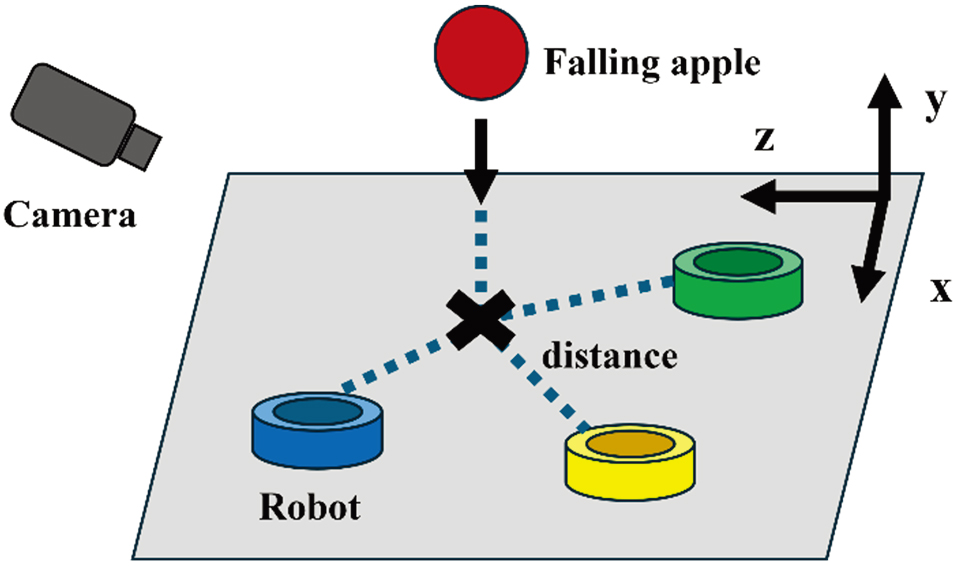
Human―agent apple-catching task
1. Introduction
Human–agent interactions have been widely studied, and symbiosis between humans and agents is expected in the future society 1,2. Here, the term “agent” refers to any entity that functions continuously and autonomously in an environment shared with other processes and other agents 3. Examples of agents include physical robots, such as Softbank’s Pepper 4, and anthropomorphic agents appearing on computer monitors, such as online sales assistants and voice assistants 5,6. When humans and agents coexist in the same space, cooperative behavior may be required between them to collaborate and communicate with each other. In this context, cooperative behavior refers to actions that do not disturb other occupants within a shared space 7. Designers of cooperative agents must consider not only technical implementation but also human perceptions of what constitutes cooperative behavior. To this end, recent research has shifted to agent behavior and human interpretations of this behavior 8,9,10,11. To understand humans’ reactions to agent behaviors, which is essential for developing agents that can smoothly integrate into human social environments, we must investigate the manner in which humans perceive and evaluate the cooperative behavior of agents.
Humans interacting with agents can show interpersonal responses to those agents. According to the media equation proposed by Reeves and Nass 12, humans may develop emotional attachments to non-biological artifacts with a non-biological appearance, such as information appliances. Heider and Simmel revealed occurrences of animacy perception 13, a phenomenon by which humans perceive objects as living beings based solely on their movements.
Among the three stances proposed by Dennett 14, we invoke the intentional stance, a strategy by which humans understand and predict the behaviors of observed objects by attributing mental states (for example, desires, beliefs, and intentions) to them. When human–agent interactions can be described by media equations and animacy perceptions, humans are considered to adopt an intentional stance toward the agents. In other words, even a computational agent with a nonhuman appearance can induce humans to attribute intentions to it through its behavior and interaction style 15.
This study focuses on implicit expressions of intention as human-like behaviors in social groups. The expected behavior in human social groups is often expressed implicitly rather than stated explicitly. Humans can adaptively withhold their behavior in consideration of others during cooperative interactions. In Japanese society, this type of behavior is called enryo 16 and is considered as a human-like behavior. However, enryo has received limited attention in human–agent interaction research. Fuse et al. 17 investigated the manner in which an agent refraining from action in a cooperative scenario affects human impressions. They suggested that an agent refraining from an action was more positively viewed by certain participants who interpreted this behavior as socially considerate. Their study assumed that participants perceived the behavior as enryo and that their questionnaire might have inadvertently invoked that interpretation. By contrast, our previous study 18 (Experiment 1 in this study) aimed to investigate whether participants naturally interpreted the agent behavior as enryo. Therefore, enryo was not explicitly mentioned as the purpose of the experiment. Our previous study 18 investigated the perception of enryo from the perspective of participants who played a game with the agent. To support and extend these findings, this study investigated whether this perception was also observed in participants who merely watched video recordings of plays. In the previous study, whether the perception of enryo was unique to the participants directly involved in the game interaction, remained unclear. Furthermore, whether this perception was shared by those who only observed the recorded videos of the gameplays remained unknown.
Therefore, this study investigated this question through an online survey. We recruited participants who were not involved in our previous study 18 and had them watch videos of the games. This approach allowed us to compare the responses of two distinct groups: the original participants who played the game 18 and the new participants in this online survey who only observed. Then, we examined whether the perception of enryo observed in the previous study was also observed in these observer groups. Furthermore, this approach enabled the expansion of the sample size, further reinforcing the findings of the previous study. Through these investigations, we aimed to clarify the manner in which humans interpreted refraining from action of an agent. Specifically, we investigated whether they attributed intention to the agent or perceived it as enryo. We focused particularly on the manner in which this was perceived from the viewpoint of an observer and the manner in which this compared with the viewpoint of the original participants.
2. Related Studies
As is well recognized, human-like characteristics tend to enhance the acceptance of an agent by humans 19,20,21. These human-like characteristics manifest in various forms, such as appearance, voice, and movement, and also extend to deeper social and psychological aspects, such as the recognition of intentions, emotions, and cooperative behavior. This phenomenon is supported by theories such as media equations 12, animacy perceptions 13, and the intentional stance 14. As agents are increasingly integrated into human environments, understanding how humans interpret agent behavior has become essential for improving the usability and fostering trust and social intimacy with agents.
2.1. Attributing Meaning to Agent Behavior
Humans often interpret agents, even those lacking a human-like appearance, as social beings. This phenomenon can be explained by animacy perceptions and an intentional stance. A classic study by Heider and Simmel 13 demonstrated that simple geometric shapes moving in certain patterns could be perceived as intentional agents. Similarly, the media equation proposed by Reeves and Nass 12 suggested that people tended to respond to media and machines as if they were humans.
The aforementioned intentional stance concept of Dennett 14 described the attribution of mental states, such as beliefs, desires, and intentions, to explain or predict the behaviors of entities. This concept was not limited to biological entities; people took an intentional stance toward any agent exhibiting a goal-oriented or context-responsive behavior 22,23,24.
Recent studies further support the idea that behavior promotes social attribution. For example, Thellman et al. 22 systematically reviewed the psychological state attributes of robots, highlighting the importance of factors such as behavioral contingencies, interaction contexts, and robot roles. Terada and Ito 15 similarly showed that a robot’s behavior could be perceived as deceptive, and that humans could prioritize behavior over appearance when forming social impressions. Notably, Malle et al. 25 observed that behavior was more important than appearance in people’s evaluation of a robot’s morality.
Although physical features, facial features, and visual characteristics, such as attire, influence initial social impressions 26,27,28,29, they cannot by themselves evoke lasting social attributions. Rather, they are superseded by the behavior of the agent, particularly in social situations 15. Moreover, according to Ziemke 24, the body of a robot becomes socially meaningful through dynamic interactions and not through appearance alone.
This line of research suggests that behaviors such as refraining from an action are socially meaningful and may encourage an intentional stance in humans. If these subtle and socially considerate behaviors are perceived as meaningful, agents exhibiting these behaviors can build smoother and more natural relationships with humans in cooperative settings. This possibility highlights the value of our research on enryo that explores the manner in which seemingly passive actions can shape social impressions and foster intentional stance attribution.
2.2. Concept of Enryo and Social Agents
Human communication contains many implicit signals of social awareness and cooperative intent 30,31,32. In many cultural contexts, particularly in Japan, one such behavior is enryo, defining the refraining of an action to meet the requirements or desires of others 16,33,34. Unlike explicit cooperation, enryo is a subtle and indirect behavior that reflects deep interpersonal sensitivity and awareness of the social context 35,36.
The enryo concept has been widely studied in various sociocultural and psychological contexts, particularly as an important element of Japanese communication norms. For example, Ishii 16 described enryo-sasshi as a core strategy for maintaining social harmony, Miike 34 characterized enryo-sasshi as a psychological manifestation of social interdependence, and Dunn 35 and Pizziconi 36 explored its linguistic and pragmatic aspects, emphasizing that this behavior requires shared cultural assumptions for an accurate interpretation.
Despite its obvious relevance to social behavior, enryo has rarely been considered in human–agent interaction studies. Fuse et al. 17 investigated the manner in which an agent refraining from action in a cooperative scenario affects human impressions. They suggested that when an agent refrains from an action, its behavior is more positively perceived by certain participants and can be interpreted as socially considerate.
However, Fuse et al. 17 assumed that participants would perceive this behavior as enryo, and their questionnaire might have been unintentionally biased toward this interpretation. By contrast, the present study examined whether participants interpreted the refraining-from-action behavior of an agent as enryo without explicit guidance. This approach was intended to improve our understanding of humans’ social interpretations of refraining-from-action behaviors, particularly inaction, by autonomous agents.
2.3. Importance of Behavior in Human-Like Perception
Designing human-like agents is the primary goal of human–agent interactions. Although physical appearance elements such as facial features, clothing, and overall body shape can certainly influence perceptions of trustworthiness, intelligence, and safety 28,37,38, behavior plays a dominant role 25,39,40.
Several studies have underscored the primacy of behavior. Ziemke 24 emphasized that intentional agency was not simply a function of the appearance of an agent, but had to be actively conveyed through social behavior within a given context. Similarly, Leite et al. 1 highlighted the importance of behavioral design in long-term interactions, demonstrating that the behaviors of agents over time determined whether users formed favorable and enduring impressions of the agents.
Collaborative signaling is another important attribute of social robotics. For example, Hanson et al. 39 observed that robot advisors providing morally problematic advice were judged more harshly than human advisors. They also showed that robot’s roles and behaviors shape moral evaluations 39. García-Martínez et al. 41 noted that when a robot responded effectively to joint attention, that is, when the robot focused on the same object as the person, the user felt significantly more connected to the robot than to an inattentive robot and became more involved in the joint activity. This positive effect was derived purely from the behavior of the robot and not from its appearance.
These studies suggest that the feelings invoked by humanlike robots or other agents are not determined by the agent appearance alone. Based on this idea, we evaluated whether the behavior of agents interacting with humans, particularly their refraining-from-action behavior, could be meaningfully interpreted as considering the requirements and desires of others (that is, enryo) rather than as simple unresponsiveness. To separate the effects of behavior and appearance, we used agents with non-human appearances. By minimizing the influence of physical characteristics, we could solely investigate the effect of agent behavior on human perception.
3. Methods
Human perceptions of the refraining-from-action behaviors of agents were investigated in a collaborative game scenario called an “apple-catching game.” Each game involved three players: two human participants and one computational agent. We compared the effects of two types of behaviors implemented in the agent, namely, intentional stance and design stance. This section explains the apple-catching game and behaviors of the agents participating in the game. We also describe the differences between the two types of experiments. These experiments were approved by the Ethics Review Committee of “Research on Human Participants” at the Toyama Prefectural University. (Reception No.R5-11).
3.1. Game Scenario
Figure 1(a) shows a conceptual diagram of the apple-catching game. During the game, a basket-shaped robot would catch apples dropped from above in a virtual space. In this game scenario, the robots operated by the participants and computational agent were called the human players and agent player, respectively.
The two human players and agent player played the game as a team. The apples were dropped 15 times from a constant height. The initial position, \((x,y,z)\), of each falling apple was determined within a continuous 3D virtual space, where the \(x\)- and \(z\)-coordinates were randomly selected within the range of \([-8.0,8.0]\), and the \(y\)-coordinate was fixed at 15.0 to represent the drop height. The falling acceleration was set as 9.81 m/s\(^2\). Points were scored under the following conditions:
-
1)
If a basket caught an apple, then the team score was increased by 100 points.
-
2)
If an apple fell to the ground, the team score was reduced by 100 points.
-
3)
If the baskets collided, the team score was reduced by 100 points.
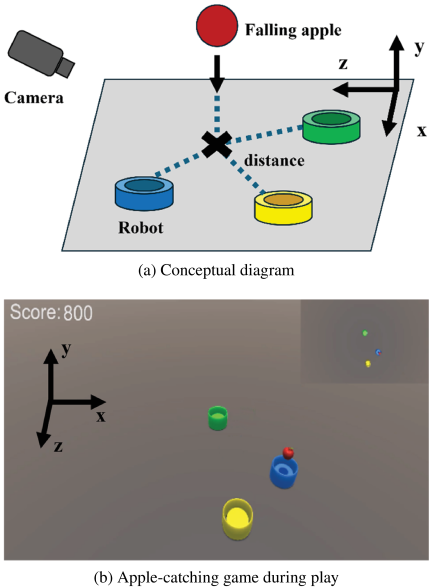
Fig. 1. (a) Conceptual diagram of the apple-catching game, where the blue robot is operated by a computational agent and the green and yellow robots are operated by human participants. (b) The corresponding camera view of the game.
The score reduction in the case of a collision was intended to encourage collision avoidance by the players; this was expected to elicit mutual enryo and tactics between the human players or between the human and agent players. In addition, if each robot moved in a straight line toward the drop point of the apple, it could reach the drop point before the apple reached the ground, thereby simplifying the game scenario for the participants. In this experiment, the blue basket-shaped robot was controlled by a computational agent, and the green and yellow robots were controlled by the human participants.
Figure 1(a) presents a conceptual diagram of the apple-catching game, illustrating the positions of the robots, apples, and the camera. Fig. 1(b) shows the actual gameplay screen from the camera viewpoint indicated in Fig. 1(a). In the gameplay example shown in Fig. 1(b), the blue robot is ready to catch a falling red apple. The upper-left corner of Fig. 1(b) displays the total score of the team, and the upper-right corner displays a top-down view of the game area.
3.2. Agent Behavior
This subsection describes the behavior of the computational agent when controlling a basket-shaped robot during the apple-catching game. Adopting the concept of intentional stance by Dennett, we implemented the design and intentional stance behaviors in the agent 14. The design stance assumed the agent to act purely according to its programming. In contrast, the intentional stance assumed the agent to act based on internal intentions or beliefs, such as the consideration for the human player. Although Dennett also proposed a physical stance that viewed the agent as merely a physical object, we excluded it. Because our experimental environment was a flat, level surface, adopting this stance would simply cause the agent to remain stationary because no physical forces would cause it to move. This stationary behavior was not significant for this task. For simplicity, we hereafter refer to the corresponding agents as the “Design agent (DA)” and “Intention agent (IA),” respectively.
The behavior of the DA can be represented by a simple algorithm that proceeds straight to the drop point of the apple. If a human player reaches the apple drop point before the agent player, the agent player will move straight to the apple drop point, and a collision will ensue. This outcome results from the participants adopting a design stance based on the monotonous behavior of the agent.
In the case of the IA, it moves directly to the apple drop point if it is closer to this position than the other players. In contrast, when the agent player is farther from the apple drop point than either of the other players, it adopts a refraining behavior; specifically, it ceases to move toward the drop point. This condition is checked at each time step. After stopping, the agent player repeatedly moves back and forth along the same path in small increments, representing refraining behavior. This movement is designed based on the concept of motion overlap, which expresses the internal state of the agent through human-like behavior 42. In this approach, Kobayashi and Yamada proposed using “hesitation” as a recognizable social cue. They defined hesitation as a movement that was suspended or suddenly changed direction. This is the physical pattern in which back-and-forth movements fit. Conceptually, both “hesitation” and “enryo” share the same physical characteristic. Their outward bodily expressions involve the suppression or delay of ongoing or planned actions. Therefore, we presented this back-and-forth movement in the context of social interaction, such as the apple-catching game. Specifically, the agent performed this movement in a situation in which it had to yield to others. In this context, participants were expected to perceive the behavior as a considerate action based on enryo, rather than a simple repetitive movement. Furthermore, using this rhythmic movement instead of a simple stop effectively conveyed the internal state of the agent as a social cue. This design also prevented participants from misinterpreting the behavior as a technical malfunction or system freeze. The agent continued this behavior until it moved closer to the drop point than the other players did. This intentional agent behavior was designed to encourage intentional interpretations of the underlying mental states of the agent. Consequently, the participants were more likely to adopt an intentional stance toward the IA than toward the DA.
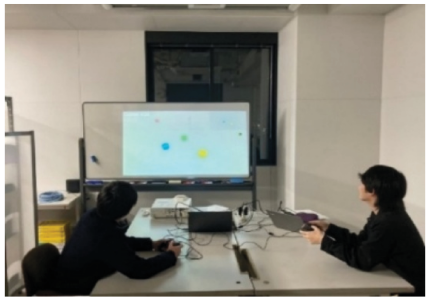
Fig. 2. Participants operating the basket-shaped robots.
4. Experiments
To investigate the manner in which humans interpret the refraining-from-action behavior of an agent, we conducted two experiments using different approaches. Fig. 2 shows the first experiment (Experiment 1) involved participants playing an apple-catching game directly with the agent. The second experiment (Experiment 2) involved participants who only watched video recordings of that game.
Experiment 1 was a face-to-face interactive session in which participants played a collaborative apple-catching game in groups of two. Following a within-subjects design, each group played twice—once with the DA and once with the IA—with the order counterbalanced. This design allowed participants to form impressions based on their own direct experience of playing the game.
Experiment 2 was designed to support the findings of Experiment 1 by investigating the perspective of the observers. The participants watched a video recording from Experiment 1. Unlike the first experiment, we adopted a between-subjects design. This meant that each participant observed only one agent (either the DA or IA) and evaluated its behavior without being able to compare it with the other agent. Furthermore, conducting Experiment 2 online allowed us to recruit a larger number of participants than the face-to-face sessions of Experiment 1, helping to strengthen the findings of the previous study. By comparing the results of these two experiments, we examined whether the perception of enryo observed in those who played the game (Experiment 1) also held true for those who only watched the video (Experiment 2).
4.1. Experiment 1
4.1.1. Participants
This experiment investigated the impressions of the refraining-from-action behavior of agents in a game scenario in which a human and an agent played as a team. Twenty university students (14 males and six females; mean age: 19.5 years) participated in this experiment. Fig. 2 shows a participant operating a robot using a controller. To suppress bias owing to demand characteristics, whereby the participants responded as expected by the experimenter because they were aware of the purpose of the experiment, our participants were informed of the purpose of this study (that is, to investigate how humans interpret the agent’s behavior of refraining from action) only at the end of the experiment.
The experimental game was a simple and structured scenario in which the participants cooperated to catch falling apples. Because the behavior of the agent (particularly its refraining behavior) was central to the study, the participants could possibly guess the purpose of the experiment while playing. To reduce this risk, we created a filler task called a “block-breaking game,” which was unrelated to the actual aim of the study. This was a typical task in which players moved a paddle to bounce a ball and destroy the blocks. The number of participants and team composition in the block-breaking game were the same as those in the apple-catching game, but the game content was minimally relevant to human reactions to refraining behaviors. This filler task was intended to distract the participants and prevent them from inferring the purpose of the study.
As aforementioned, the apple-catching and block-breaking games were played by a team of two participants and one agent. In total, each participant performed four tasks: two rounds of the apple-catching game (one with the IA and one with the DA) and two rounds of the block-breaking game. All the participants played both the games and answered a post-task questionnaire. The order in which the games were played varied for each participant to account for the order effect, and the questionnaire items were arranged randomly.
4.1.2. Procedure
During the experiment, the games were played in a virtual space. The apple-catching and block-breaking games were developed in the Unity game engine. Each participant moved a basket-shaped robot using a controller. In this experimental environment, the participants could operate the robots while communicating with each other without restrictions. After the completion of all the games, the participants were presented with a recording of the experiment projected onto a screen and answered the questionnaire while observing the game.
A survey was conducted using Google Forms. First, we surveyed the impressions of the participants regarding each agent using the Godspeed Questionnaire by Bartneck et al. 43, a psychological scale intended to measure five typical perceptual constructs of human perceptions of robots. These impressions were measured by rating the closeness levels of the participants to given pairs of opposing adjectives. The questionnaire consisted of 10 adjective-pair items (Q1–Q10) that were evaluated using the five-item method (Table 1).
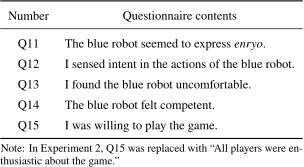
The original questionnaire items prepared for this experiment are listed in Table 2. Each item was evaluated on a six-point Likert scale (from “1: Strongly Disagree” to “6: Strongly Agree”).
4.1.3. Results
Experiment 1 (\(n=20\)) used a within-subjects design, in which all participants experienced both the DA and the IA conditions. The questionnaire items (Table 1) were averaged into two scales—anthropomorphism (Q1–Q5) and likeability (Q6–Q10).
We analyzed these scales using the Wilcoxon signed-rank test. The results are shown in Fig. 3(a) and Table 3. The test revealed significant differences for both scales. Participants rated the IA condition significantly higher than the DA condition for both anthropomorphism and likeability.
We analyzed each item from Q11 to Q15 (Table 2) individually using the Wilcoxon signed-rank test. The results are presented in Fig. 3(b) and Table 4. We observed significant differences (\(p<.05\)) for Q11, Q13, and Q15.
Here, the score for Q11 was selected as the dependent variable and the anthropomorphism and likeability scores were the independent variables. Table 5 summarizes the regression results, specifically, the estimates, standard errors, 95% confidence intervals, \(p\)-values, and significance levels of each predictor. Likeability significantly predicted the Q11 score, suggesting that the agents perceived as more likeable were more likely to be interpreted as exhibiting enryo-like behavior.
Table 1. Questionnaire for evaluating anthropomorphism and likeability.
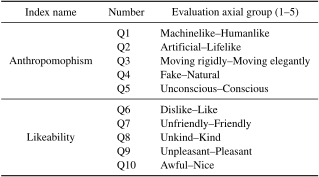
Table 2. Questionnaire for evaluating impressions of the agent and willingness to play the game.
4.2. Experiment 2
4.2.1. Participants
Experiment 2 was conducted as an online survey using videos recorded in Experiment 1. The participants were recruited through Yahoo! Crowdsourcing. After excluding responders who provided inappropriate responses or whose data contained missing values, 173 participants (89 males and 84 females; mean age: 47.2 years) were included in the analysis: 80 participants viewed the DA game, and 93 participants viewed the IA game. All the participants were native Japanese speakers and were assumed to understand the enryo concept that is central to this study.
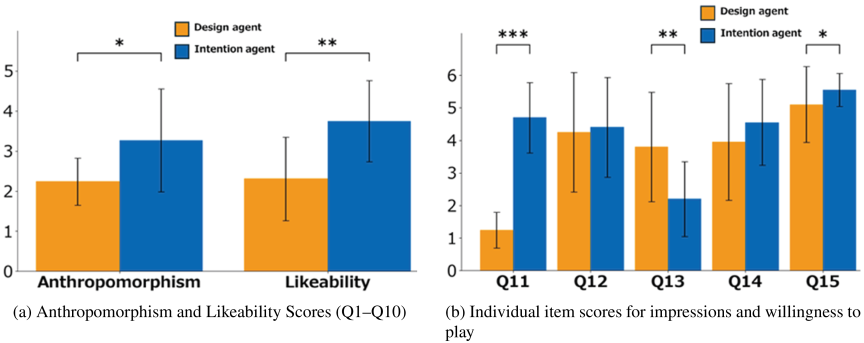
Fig. 3. Comparison of Experiment 1 (within-subjects) questionnaire scores. (a) Anthropomorphism and likeability scores (detailed in Table 3). (b) Individual item scores for impressions and willingness to play (detailed in Table 4). Error bars indicate means \(\pm\) SDs. Significance levels (Wilcoxon signed-rank test) are indicated as follows: *** \(p<.001\), ** \(p<.01\), * \(p<.05\).
Table 3. Comparison of questionnaire scores for Table 1 (Experiment 1).

Table 4. Comparison of questionnaire scores for Table 2 (Experiment 1).
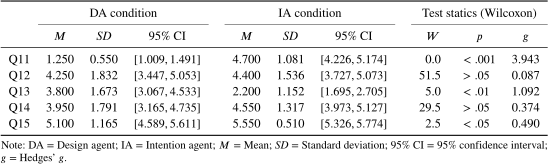
Table 5. Ordinal logistic regression results for predicting enryo perception (Q11) from anthropomorphism and likeability scores in Experiment 1.

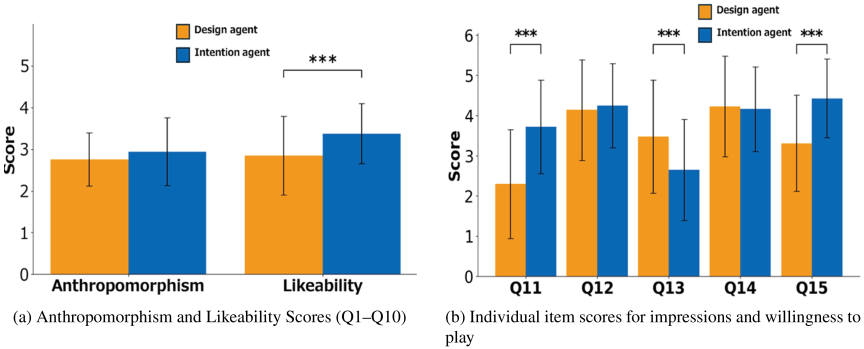
Fig. 4. Comparison of Experiment 2 (between-subjects) questionnaire scores. (a) Anthropomorphism and likeability scores (detailed in Table 6). (b) Individual item scores for impressions and willingness to play (detailed in Table 7). Error bars indicate means \(\pm\) SDs. Significance levels (Welch \(t\)-test) are indicated as follows: *** \(p<.001\).
Table 6. Comparison of questionnaire scores for Table 1 (Experiment 2).

Table 7. Comparison of questionnaire scores for Table 2 (Experiment 2).
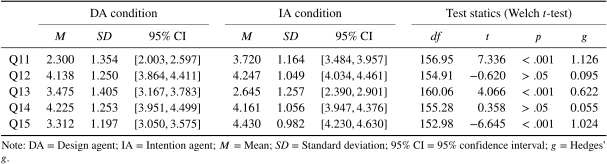
Table 8. Ordinal logistic regression results for predicting enryo perception (Q11) from anthropomorphism and likeability scores in Experiment 2.

4.2.2. Procedure
Two recordings of the gameplay screen failed in Experiment 1. Therefore, 18 videos from nine groups were used in Experiment 2. Each video contained nine recordings of the game played with either a DA or an IA.
The participants in Experiment 2 were randomly assigned to watch one of the 18 videos. Before watching the video, the participants were given a brief explanation of the game rules. After viewing the videos, they responded to a questionnaire using Microsoft Forms. The questionnaire items were those used in Experiment 1 (Tables 1 and 2) except Q15 that assumed direct involvement in the game; Q15 was modified to “All players were enthusiastic about the game” because the participants in Experiment 2 only observed the gameplay.
4.2.3. Results
In Experiment 2 (\(n=173\)), the participants were assigned to one of two independent groups for a between-subjects design. These groups were the DA (\(n=80\)) and IA conditions (\(n=93\)). We analyzed the scales (Q1–Q10) using the Welch \(t\)-test. The results are presented in Fig. 4(a) and Table 6. The analysis revealed a significant difference for likeability (Q6–Q10) (\(p<.001\)); however, we observed no significant difference for anthropomorphism (Q1–Q5) (\(p<.05\)). We also analyzed each item from Q11 to Q15 individually using the Welch \(t\)-test. The results are presented in Fig. 4(b) and Table 7. We noted significant differences (\(p<.001\)) for Q11, Q13, and Q15 but no significant differences for Q12 and Q14 (\(p>.05\)).
To further examine the factors influencing enryo perception, we conducted an ordinal logistic regression analysis of the Q11 score, as in Experiment 1. Table 8 presents the results for the anthropomorphism and likeability predictors. Likeability significantly predicted the Q11 scores. This suggested that even the participants who passively watched the game were likely to perceive enryo-like behavior in the more likeable agents.
5. Discussion
In this study, we investigated whether humans perceived enryo in the refraining-from-action behavior of an agent out of consideration for others. Furthermore, we investigated the changes in the human impressions and perceptions of the agent intentions in these cases. From an intentional stance perspective, we examined whether humans might interpret that behavior as intentional, particularly when it was perceived as cooperative and considerate of others.
The participants in Experiment 1 performed cooperative tasks alongside two types of agents (IA and DA) and evaluated their impressions of the behavior of the agents. In the questionnaire, the participants reported their impressions of the agents and the cooperativeness of the behavior of the agents. The IA was perceived as higher in enryo, more anthropomorphic, and more likeable than the DA.
The participants in Experiment 2 watched the game videos from Experiment 1 and completed an online survey. These participants rated their impressions of the agent behavior without participating in the game. Unlike the participants in Experiment 1 who interacted with and judged both agents, the participants in Experiment 2 judged the behavior of a single agent (either IA or DA). The results of Experiment 2 were similar to those of Experiment 1: the participants who watched the video of the IA reported higher levels of perceived enryo and human-like qualities than those who watched the video of the DA. This finding suggested that even when passively watching a task, the participants might recognize enryo in an agent behavior and infer the considerate intent of the agent.
The results of both the experiments suggested that when agents considered the wants of others and thereby refrained from action, they invoked enryo impressions in humans irrespective of whether they directly or indirectly interacted with humans. In these cases, humans might adopt an intentional stance toward the agents. However, the effect on anthropomorphism was less pronounced in Experiment 2 than in Experiment 1. This difference likely arose because the participants in Experiment 1 experienced the refraining of the agent as a direct reaction to their own movements. This first-hand experience of being considered by the agent fostered a stronger human-like attribution, whereas the participants as observers in Experiment 2 viewed the interaction from a third-party perspective. Without direct involvement in the interaction, they might have perceived the agent movements as more mechanical. Furthermore, perceptions of enryo were related to likeability (Tables 5 and 8). This finding was important, given the nature of the apple-catching game. From a purely task efficiency perspective, the DA that predictably attempted to catch every apple might be expected to be perceived more favorably. Its behavior was clear and eliminated hesitation or potential conflicts of yielding that could theoretically lead to a higher score. Contrary to this logic focused on maximizing the score, the participants rated the IA that deliberately refrained from action at times, more positively. This suggested that the participants interpreted this intentional inaction not as inefficiency but as a socially considerate act of enryo. This interpretation could be explained by the role of enryo in Japanese culture. Because enryo is widely recognized as a considerate social behavior in Japan 16, agents exhibiting this behavior were rated as likeable. In addition, the responses to Q15, as presented in Tables 4 and 7, from both the participants who played the game (Experiment 1) and the observers (Experiment 2) indicated that humans engaged more actively with the IA. These findings suggested that when the participants felt that the agent was showing enryo, they tended to behave more proactively. In other words, the enryo-like behavior of the agent might have encouraged the human players to act more in the apple-catching game.
The refraining behavior of the IA could also have been perceived negatively, for example, as hesitation or uncertainty. Despite this possibility, the agent was rated more positively. This suggested that the participants did not interpret the behavior of the agent as simple inaction. Instead, they perceived it as a form of consideration, similar to enryo. These positive evaluations likely reflected a shared cultural understanding of enryo among the Japanese participants. However, this interpretation might not apply to people unfamiliar with the concept of enryo. In cultures that lack a specific term or concept equivalent to enryo, the IA might be perceived less favorably. To ensure the generalizability of these findings, the manner in which these behaviors translate into other cultural contexts must be considered. Whereas inaction serves as a meaningful social message in Japan, other cultures might prioritize direct communication such as using words or gestures. Future research should investigate whether similar refraining behaviors are interpreted as positive, considerate acts or merely as a lack of initiative in diverse cultural settings.
According to these findings, at least in the context of Japanese culture, agents should be designed not only for the efficient execution of their assigned tasks but also for considerate behavior toward others. This behavior will improve the human acceptance of agents as social beings and cooperative partners.
6. Limitations
First, the apple-catching game was intentionally designed to be simple. This allowed us to isolate the specific behavior we wanted to study—the agent refraining from an action. A more complex task might introduce other factors such as a high cognitive load on the player or diverse player strategies. These factors could complicate the attribution of participant impressions solely to the agent behavior. Although this simplicity helped us clearly measure the effect of the agent behavior, it remains unclear how these findings would apply to more complex cooperative situations.
Second, this study compared only two agent conditions (the DA and IA). This approach was chosen because it provided the clearest test of our primary hypothesis: whether humans could perceive enryo from an agent at all. By contrasting an agent that always acts with an agent that sometimes refrains, we established a baseline for exploring enryo. Therefore, future work should investigate a wider spectrum of behaviors such as varying the frequency or context of enryo. This would help clarify the conditions under which this perception occurs.
7. Conclusion
We investigated the manner in which humans perceived agents that refrained from acting out of consideration for others. Our results showed that these considerate refraining agents were consistently perceived as showing enryo more than agents that acted purely for task efficiency. This tendency was observed among the participants who actively played the game and those who passively watched a video of it. Perception of enryo was also positively associated with likeability. This suggested that for cooperative agents, demonstrating considerate behavior such as enryo might be more important for user acceptance than simply maximizing the task performance. Furthermore, the perception of enryo was associated with the participants behaving more proactively. This suggested that enryo of an agent could encourage human action in cooperative tasks, thereby guiding the design of agents that could naturally coexist with humans. Future work should investigate different tasks as well as linguistic and visual elements to determine whether these findings apply to a wider range of contexts.
- [1] I. Leite, C. Martinho, and A. Paiva, “Social robots for long-term interaction: A survey,” Int. J. Soc. Robot., Vol.5, pp. 291-308, 2013. https://doi.org/10.1007/s12369-013-0178-y
- [2] T. B. Sheridan, “A review of recent research in social robotics,” Curr. Opin. Psychol., Vol.36, pp. 7-12, 2020. https://doi.org/10.1016/j.copsyc.2020.01.003
- [3] Y. Shoham, “Agent-oriented programming,” Artif. Intell., Vol.60, No.1, pp. 51-92, 1993. https://doi.org/10.1016/0004-3702(93)90034-9
- [4] A. K. Pandey and R. Gelin, “A mass-produced sociable humanoid robot: Pepper: The first machine of its kind,” IEEE Robot. Autom. Mag., Vol.25, No.3, pp. 40-48, 2018. https://doi.org/10.1109/MRA.2018.2833157
- [5] K. Keeling, P. McGoldrick, and S. Beatty, “Avatars as salespeople: Communication style, trust, and intentions,” J. Bus. Res., Vol.63, No.8, pp. 793-800, 2010. https://doi.org/10.1016/j.jbusres.2008.12.015
- [6] W. M. Lim, S. Kumar, S. Verma, and R. Chaturvedi, “Alexa, what do we know about conversational commerce? Insights from a systematic literature review,” Psychol. Mark., Vol.39, No.6, pp. 1129-1155, 2022. https://doi.org/10.1002/mar.21654
- [7] S. Matsubayashi, K. Miwa, H. Terai, A. Shimojo, and Y. Ninomiya, “What is the cooperative behavior of moving in shared spaces?,” Proc. Annu. Meet. Cogn. Sci. Soc., Vol.43, 2021. https://escholarship.org/uc/item/32s2n125 [Accessed July 16, 2025]
- [8] M. C. Buehler and T. H. Weisswange, “Theory of mind based communication for human agent cooperation,” Proc. 2020 IEEE Int. Conf. Hum.-Mach. Sys. (ICHMS), 2020. https://doi.org/10.1109/ICHMS49158.2020.9209472
- [9] Z. Sun and C. Firestone, “Optimism and pessimism in the predictive brain,” Trends Cogn. Sci., Vol.24, No.9, pp. 683-685, 2020. https://doi.org/10.1016/j.tics.2020.06.001
- [10] P. A. Hancock, D. R. Billings, K. E. Schaefer, J. Y. C. Chen, E. J. De Visser, and R. Parasuraman, “A meta-analysis of factors affecting trust in human-robot interaction,” Hum. Factors J. Hum. Factors Ergon. Soc., Vol.53, No.5, pp. 517-527, 2011. https://doi.org/10.1177/0018720811417254
- [11] A. van Wissen, J. van Diggelen, and V. Dignum, “The effects of cooperative agent behavior on human cooperativeness,” Proc. of 8th Int. Conf. Auton. Agents Multi Agent Syst. (AAMAS’09), Vol.2, pp. 1179-1180, 2009. https://doi.org/10.65109/ulru2121
- [12] B. Reeves and C. Nass, “The Media Equation: How People Treat Computers, Television, and New Media Like Real People,” Cambridge University Press, 1996.
- [13] F. Heider and M. Simmel, “An experimental study of apparent behavior,” Am. J. Psychol., Vol.57, No.2, pp. 243-259, 1944. https://doi.org/10.2307/1416950
- [14] D. C. Dennett, “The Intentional Stance,” MIT Press, 1989.
- [15] K. Terada and A. Ito, “Can a robot deceive humans?,” 5th ACM/IEEE Int. Conf. Hum.-Robot Interact. (HRI), pp. 191-192, 2010. https://doi.org/10.1109/HRI.2010.5453201
- [16] S. Ishii, “Enryo-sasshi communication: A key to understanding Japanese interpersonal relations,” Cross Curr., Vol.11, No.1, pp. 49-58, 1984.
- [17] Y. Fuse, R. Nomoto, E. Ayedoun, and M. Tokumaru, “Impression of robots adaptively refraining from actions in human-robot cooperative scenario,” Proc. Joint 12th Int. Conf. Soft Comput. Intell. Syst. 23rd Int. Symp. Adv. Intell. Syst. (SCIS&ISIS), 2022. https://doi.org/10.1109/SCISISIS55246.2022.10001993
- [18] S. Kawai et al., “Impressions of agents encouraging humans to adopt intentional stance by refraining from action,” Proc. Joint 13th Int. Conf. Soft Comput. Intell. Syst. 25th Int. Symp. Adv. Intell. Syst. (SCIS&ISIS), 2024. https://doi.org/10.1109/SCISISIS61014.2024.10759893
- [19] M. M. E. Van Pinxteren, M. Pluymaekers, and J. G. A. M. Lemmink, “Human-like communication in conversational agents: A literature review and research agenda,” J. Serv. Manag., Vol.31, No.2, pp. 203-225, 2020. https://doi.org/10.1108/JOSM-06-2019-0175
- [20] X. Zhao, W. You, Z. Zheng, S. Shi, Y. Lu, and L. Sun, “How do consumers trust and accept AI agents? An extended theoretical framework and empirical evidence,” Behav. Sci., Vol.15, No.3, Article No.337, 2025. https://doi.org/10.3390/bs15030337
- [21] S. Bae, T. Jung, J. Cho, and O. Kwon, “Effects of meta-human characteristics on user acceptance: From the perspective of uncanny valley theory,” Behav. Inf. Technol., Vol.44, No.4, pp. 731-748, 2025. https://doi.org/10.1080/0144929X.2024.2338408
- [22] S. Thellman, M. de Graaf, and T. Ziemke, “Mental state attribution to robots: A systematic review of conceptions, methods, and findings,” ACM Trans. Hum.-Robot Interact., Vol.11, No.4, Article No.41, 2022. https://doi.org/10.1145/3526112
- [23] S. Marchesi, D. Ghiglino, F. Ciardo, J. Perez-Osorio, E. Baykara, and A. Wykowska, “Do we adopt the intentional stance toward humanoid robots?,” Front. Psychol., Vol.10, Article No.450, 2019. https://doi.org/10.3389/fpsyg.2019.00450
- [24] T. Ziemke, “Understanding social robots: Attribution of intentional agency to artificial and biological bodies,” Artif. Life, Vol.29, No.3, pp. 351-366, 2023. https://doi.org/10.1162/artl_a_00404
- [25] B. F. Malle, M. Scheutz, J. Forlizzi, and J. Voiklis, “Which robot am I thinking about? The impact of action and appearance on people’s evaluations of a moral robot,” 11th ACM/IEEE Int. Conf. Hum.-Robot Interact. (HRI), pp. 125-132, 2016. https://doi.org/10.1109/HRI.2016.7451743
- [26] Y. Cheng and Y. Wang, “Evaluating the effect of outfit on personality perception in virtual characters,” Virtual Worlds, Vol.3, No.1, pp. 21-39, 2024. https://doi.org/10.3390/virtualworlds3010002
- [27] Y. Song, A. Luximon, and Y. Luximon, “The effect of facial features on facial anthropomorphic trustworthiness in social robots,” Appl. Ergon., Vol.94, Article No.103420, 2021. https://doi.org/10.1016/j.apergo.2021.103420
- [28] K. Berns and A. Ashok, “‘You scare me’: The effects of humanoid robot appearance, emotion, and interaction skills on uncanny valley phenomenon,” Actuators, Vol.13, No.10, Article No.419, 2024. https://doi.org/10.3390/act13100419
- [29] S. S. Kwak, “The impact of the robot appearance types on social interaction with a robot and service evaluation of a robot,” Arch. Des. Res., Vol.27, No.2, pp. 81-93, 2014. https://doi.org/10.15187/adr.2014.05.110.2.81
- [30] T. Baur, I. Damian, F. Lingenfelser, J. Wagner, and E. André, “NovA: Automated analysis of nonverbal signals in social interactions,” Proc. 4th Int. Work. Hum. Behav. Underst., pp. 160-171, 2013. https://doi.org/10.1007/978-3-319-02714-2_14
- [31] S. Loth and J. P. De Ruiter, “Editorial: Understanding social signals: How do we recognize the intentions of others?,” Front. Psychol., Vol.7, Article No.281, 2016. https://doi.org/10.3389/fpsyg.2016.00281
- [32] J. K. Burgoon, X. Wang, X. Chen, S. J. Pentland, and N. E. Dunbar, “Nonverbal behaviors ‘speak’ relational messages of dominance, trust, and composure,” Front. Psychol., Vol.12, Article No.624177, 2021. https://doi.org/10.3389/fpsyg.2021.624177
- [33] D. S. Arnault, “Help-seeking and social support in Japanese sojourners,” West. J. Nurs. Res., Vol.24, No.3, pp. 295-306, 2002. https://doi.org/10.1177/01939450222045914
- [34] Y. Miike, “Japanese enryo-sasshi communication and the psychology of amae: Reconsideration and reconceptualization,” Keio Commun. Rev., No.25, pp.93-115, 2003.
- [35] C. D. Dunn, “Speaking politely, kindly, and beautifully: Ideologies of politeness in Japanese business etiquette training,” Multilingua, Vol.32, No.2, pp. 225-245, 2013. https://doi.org/10.1515/multi-2013-0011
- [36] B. Pizziconi, “The lexical mapping of politeness in British English and Japanese,” J. Politeness Res., Vol.3, No.2, pp. 207-241, 2007. https://doi.org/10.1515/PR.2007.010
- [37] T. Sugiyama and M. Kanoh, “Investigating emotional impressions in robots using clothing colors,” J. Adv. Comput. Intell. Intell. Inform., Vol.28, No.1, pp. 79-85, 2024. https://doi.org/10.20965/jaciii.2024.p0079
- [38] A. Corrales-Paredes, D. O. Sanz, M.-J. Terrón-López, and V. Egido-García, “User experience design for social robots: A case study in integrating embodiment,” Sensors, Vol.23, No.11, Article No.5274, 2023. https://doi.org/10.3390/s23115274
- [39] A. Hanson, N. D. Starr, C. Emnett, R. Wen, B. F. Malle, and T. Williams, “The power of advice: Differential blame for human and robot advisors and deciders in a moral advising context,” Proc. 2024 ACM/IEEE Int. Conf. Hum.-Robot Interact., pp. 240-249, 2024. https://doi.org/10.1145/3610977.3634942
- [40] R. Kühne and J. Peter, “Anthropomorphism in human–robot interactions: A multidimensional conceptualization,” Commun. Theory, Vol.33, No.1, pp. 42-52, 2023. https://doi.org/10.1093/ct/qtac020
- [41] J. García-Martínez, J. J. Gamboa-Montero, J. C. Castillo, and Á. Castro-González, “Analyzing the impact of responding to joint attention on the user perception of the robot in human–robot interaction,” Biomimetics, Vol.9, No.12, Article No.769, 2024. https://doi.org/10.3390/biomimetics9120769
- [42] K. Kobayashi and S. Yamada, “Motion overlap for a mobile robot to express its mind,” J. Adv. Comput. Intell. Intell. Inform., Vol.11, No.8, pp. 964-971, 2007. https://doi.org/10.20965/jaciii.2007.p0964
- [43] C. Bartneck, D. Kulić, E. Croft, and S. Zoghbi, “Measurement instruments for the anthropomorphism, animacy, likeability, perceived intelligence, and perceived safety of robots,” Int. J. Soc. Robot., Vol.1, pp. 71-81, 2009. https://doi.org/10.1007/s12369-008-0001-3
This article is published under a Creative Commons Attribution-NoDerivatives 4.0 Internationa License.