
Research Paper:
Fault Detection and Diagnosis Based on Sparse Autoencoder for Tunnel Drilling Rig in Underground Coal Mine
Haitao Song*1,*2, Shatie Zuo*3, Aoxue Yang*1,*4,*5,†, Yafeng Yao*2, and Xuzhi Lai*1,*4,*5
*1School of Artificial Intelligence and Automation, China University of Geosciences
No.388 Lumo Road, Hongshan District, Wuhan, Hubei 430074, China
*2CCTEG Xi’an Research Institute (Group) Co., Ltd.
No.82 Jinye 1st Road, Gaoxin District, Xi’an, Shaanxi 710077, China
*3School of Future Technology, China University of Geosciences
No.388 Lumo Road, Hongshan District, Wuhan, Hubei 430074, China
*4Hubei Key Laboratory of Advanced Control and Intelligent Automation for Complex Systems
No.388 Lumo Road, Hongshan District, Wuhan, Hubei 430074, China
*5Engineering Research Center of Intelligent Technology for Geo-Exploration, Ministry of Education
No.388 Lumo Road, Hongshan District, Wuhan, Hubei 430074, China
†Corresponding author

Tunnel drilling rig is the key equipment used for exploration in underground coal mine. Because it operates for long periods in environments characterized by high humidity, intense vibration, pressure fluctuations, and unstable geological formations, various faults tend to appear frequently. If these faults are not identified in time, they may gradually worsen and ultimately result in severe accidents. Traditional fault detection methods mainly rely on manual inspection, which makes it difficult to obtain reliable information and respond effectively under complex and changing working conditions. To overcome these shortcomings, this study proposes a fault detection approach based on a sparse autoencoder. The raw signals, including pressure, speed, and feed rate, are first preprocessed. After that, a normal operating model of the drilling rig is learned through the sparse autoencoder. Faults are then detected by comparing the real-time reconstruction errors with a preset threshold. Finally, experiments based on actual drilling data are performed, and the results demonstrate the effectiveness of the proposed method.
1. Introduction
Coal remains a vital energy resource in many countries, and tunnel drilling rigs are crucial for coal mining. The drilling rig works in harsh and variable conditions, including high temperatures, severe vibrations, limited visibility, and unstable geological formations 1. These conditions increase the risk of mechanical and electro-hydraulic failures, which often occur without clear warning and can lead to unexpected downtime, lost productivity, and serious safety hazards in underground mining 2. These failures not only pose a significant threat to personal safety but can also trigger various geological disasters, causing irreparable damage. Fault detection is no longer merely about improving production efficiency; its value lies fundamentally in ensuring life safety and preventing geological disasters 3.
Conventional fault detection methods (such as periodic maintenance and fixed threshold alarms) have significant limitations when dealing with the complex operating conditions of tunnel drilling rig. They heavily rely on the personal experience of technicians and preset fixed thresholds, lacking objective and unified standards, leading to highly subjective judgments and difficulty in large-scale application. In underground settings, operating regimes shift across faces, strata, and work cycles. The fixed threshold-based alarm mechanism cannot adapt to the dynamically changing operating states of drilling rigs under different geological formations and advance speeds, easily generating numerous false alarms and missed alarms. The labeled fault data are also scarce. As a result, fixed thresholds and purely supervised schemes struggle to deliver fast, adaptive, and reliable monitoring 4. In addition, the distribution differences between different operating domains exacerbate these challenges, prompting the adoption of generalized domain adaptation and model-driven generalization. In practice, generalized domain adaptation explicitly solves the problem of label and feature mismatch across operating conditions 5, and provides a basis for more advanced data-driven and hybrid schemes.
Building on these advances, recent studies have further focused on deep learning-based and hybrid data-driven methods that learn diagnostic patterns directly from multi-sensor streams. Deep convolutional networks and recurrent architectures capture nonlinear spatiotemporal dependencies in machinery signals 6, while interpretable designs such as Wavelet kernel net clarify the time and frequency domains for decision support 7. To address scarce labels and domain shifts, digital-twin-driven adaptation has shown promise 8. Beyond this, cross-domain representation learning combined with knowledge of drilling physics can further stabilize decision boundaries when formations change rapidly 9. In hydraulic equipment specifically, multi-sensor information fusion and imbalance-aware modeling have improved detection of valve faults and internal pump leakage under practical data conditions. Broader reviews likewise emphasize robust, real-time anomaly detection as a cornerstone of modern industrial process monitoring 10,11. Despite these advances, a key challenge remains: underground drilling demands models that learn stable normal-operation patterns without relying on fault labels.
Autoencoder families are especially appealing for underground drilling platforms, its core characteristics perfectly complementing the severe challenges faced in the field. Its greatest advantage lies in its unsupervised learning model, which utilizes massive amounts of readily available normal operating condition data to build model, effectively avoiding bottlenecks such as scarce fault samples and high annotation costs in underground environments. After training, the automatic encoder masters equipment operating standards, and reconstruction errors can be effectively used for early warning. Prior studies demonstrate that unsupervised feature learning and recurrent autoencoder variants enable reliable monitoring based on reconstruction error for rotating machinery and process equipment 12,13, and that careful handling of multirate data improves learning from heterogeneous industrial sensors 14. These results suggest a feasible pathway to reliable detection when fault labels are limited or non-representative. In parallel, CNN-based baselines and GRU-based health monitoring provide complementary feature extractors that can be integrated with autoencoders to enhance sensitivity to early deviations, and digital-twin-driven transfer offers a route to adapt models as drilling stages and lithology evolve 15,16.
Despite rapid advancements in fault detection, underground tunnel drilling rigs still face intractable challenges. First, the low incidence and high concealment of fault events result in scarce raw data for annotation. Validating whether an abnormal segment truly corresponds to a fault requires cross-checking multi-source sensor signals, operational logs, and maintenance records, which leads to high annotation costs 17. Furthermore, fault characteristics vary significantly depending on environmental factors (such as lithology and hardness). Second, tunnel drilling is a typical non-stationary process, causing a significant deviation between training and actual data. This dynamic distribution degrades the performance of models trained on fixed historical data, making them vulnerable and unable to provide continuous and reliable monitoring in complex environments 18. If any single component fails, it will propagate and evolve in a complex way among multiple sensors. Therefore, the model is required to have a strong joint feature extraction capability to reveal this deep-seated failure mechanism 19.
To address these challenges, an unsupervised fault detection method based on sparse autoencoder is proposed for tunnel drilling rig. Autoencoders can be trained on abundant normal-operation data and used to detect anomalies by reconstruction error. In particular, the sparsity constraint encourages selective activation in the hidden layer, producing compact and informative latent representations 20. These representations help reduce overfitting on smooth multivariate signals and enhance the model’s sensitivity to subtle deviations from normal behavior. These properties make sparse autoencoders well suited for anomaly detection in underground drilling where labeled faults are limited and operating conditions vary 21,22,23. The main contributions of this paper are summarized as follows:
-
An unsupervised fault detection framework based on a sparse autoencoder is proposed for tunnel drilling rigs operating in underground coal mines, addressing the challenge of scarce labeled fault data under complex working conditions.
-
A complete data-driven detection workflow is developed, including multivariate time-series preprocessing, sliding-window-based normal behavior modeling, reconstruction-error-based anomaly detection, and KDE-based adaptive threshold determination.
-
The effectiveness and practical applicability of the proposed method are validated through both semi-physical simulation experiments and actual drilling data collected from a full-scale tunnel drilling rig.
The remainder of this paper is organized as follows. Section 2 analyzes the drilling process in underground coal mine and fault characteristics of tunnel drilling rig. Section 3 details the proposed sparse autoencoder-based fault detection method. Section 4 reports the experimental setup, validation results, and performance analysis. Section 5 concludes with key findings and directions for future research.
2. Process Analysis and Scheme Design
This section provides an overview of the underground coal mine drilling process and analyzes common fault types in tunnel drilling rig. Based on this, a scheme for fault detection of tunnel drilling rig is designed.
2.1. Underground Coal Mine Drilling Process
In underground coal mining, the drilling process is essential for roadway excavation, gas drainage, and geological exploration. It involves the rotation and axial advancement of the drill bit to fracture rock formation, and high-pressure flushing fluid carries cuttings out of the borehole. The process requires equipment capable of providing stable axial thrust and rotational torque under complex geological condition. An illustration of the underground coal-mine drilling process is shown in Fig. 1.
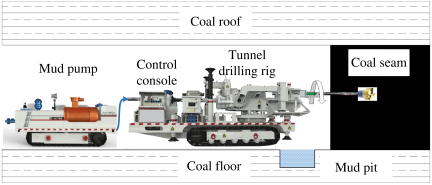
Fig. 1. The illustration of drilling process in underground coal mine.
The tunnel drilling rig is the central equipment used to support this process. It integrates mechanical structures, hydraulic power, and control system to ensure safe and efficient drilling. The hydraulic system is mainly composed of two functional circuits: the feed circuit and the rotary circuit. The feed circuit controls the vertical movement of the drill bit through hydraulic cylinders, delivering the required thrust for penetration. The rotary circuit provides the torque necessary for drill bit rotation using hydraulic motors. These circuits are supplied by multiple pumps and coordinated through an integrated control console that manages the distribution of hydraulic power and monitors system performance in real time.

Fig. 2. The framework of fault detection for tunnel drilling rig in underground coal mine.
During operation, hydraulic pumps extract oil from the tank and pass it through suction and pressure filters. The pressurized oil then enters the control console, where it is distributed to different subsystems through load-sensing proportional valves. Pump I supplies the power head, feed cylinder, and travel motor. Pump II controls the slow feed function, the pull-up mechanism, and the manipulator. Pump III regulates the front prop cylinder, body angle adjustment, and stabilizing devices. Through the coordinated actions of these subsystems, the drilling rig achieves precise control over bit rotation, feed motion, positioning, and gripping functions, thereby supporting stable and continuous drilling under underground conditions.
2.2. Fault Analysis
The working environment of tunnel drilling rig in underground coal mines is characterized by confined spaces, high humidity, strong vibration, and complex geological conditions. Under such circumstances, the electro-hydraulic system of the rig is prone to various faults, many of which occur within internal oil circuits and are difficult to detect. These faults are often interrelated, and their symptoms can overlap, which adds further complexity to detection and maintenance.
-
Sticking of valve cores in electro-hydraulic pressure relief valves: this issue is typically caused by wear, contamination, or inadequate lubrication. When the valve core becomes stuck, it impairs the system’s ability to regulate pressure effectively, leading to instability during operation.
-
Internal leakage in the feed cylinder: it is often associated with degraded seals or worn piston surfaces, resulting in a loss of axial thrust and poor feed control. In severe cases, this may lead to complete failure of the drill bit’s forward movement.
-
Hydraulic filter clogging: This, especially in suction or high-pressure filters, can restrict oil flow and reduce overall system pressure. This condition is usually caused by oil contamination or a lack of routine maintenance, and it can contribute to overheating and accelerated wear of hydraulic components.
Due to the strong interdependence of the feed and rotary hydraulic systems, a fault in one circuit can rapidly propagate and influence the performance of the other, leading to complex coupled failure modes. Traditional threshold-based or rule-driven detection methods struggle to capture such nonlinear interactions and often require extensive labeled fault data, which are scarce in underground coal mine operations. This motivates the need for unsupervised representation learning methods. In this paper, a sparse autoencoder is developed to model the normal operating patterns of drilling rig. The sparsity constraint encourages compact and discriminative latent representations, which in turn make subtle deviations from normal behavior easier to detect. Thus, sparse autoencoder-based fault detection offers a practical and effective way to enhance fault tolerance, enable condition-based maintenance, and ensure safe and efficient drilling operations in underground coal mines.
2.3. Scheme Design
To address the challenges of fault detection under the harsh operating conditions of tunnel drilling rig, this paper proposes a data-driven detection scheme based on sparse autoencoder. The overall framework is illustrated in Fig. 2. It consists of three main components: data denoising, normal behavior modeling for drilling rig, and online fault detection.
First, the drilling data, including feed pressure, rotary speed, and advance rate, are collected from the drilling rig. To improve the signal quality and eliminate the noise interference, some signal preprocessing methods such as outlier removal, normalization, and smoothing are applied. This step enhances the robustness of the model and reduces the influence of environmental noise on fault indicators.
Next, a normal behavior model is trained and constructed using a sparse autoencoder with multivariate time-series data under normal operating condition. This model is designed to learn the underlying patterns of healthy system behavior by minimizing reconstruction error. Sparsity constraints are imposed on the hidden layer to encourage the extraction of compact and informative features, which improves generalization and reduces overfitting.
During the online fault detection phase, sensor data are processed in sliding time windows and fed into the trained normal behavior model. The reconstruction error between the input and output signals is computed and compared against a statistical threshold derived from training data. If the reconstruction error exceeds this threshold, the system flags the current window as anomalous, indicating a potential fault.
3. Fault Detection for Tunnel Drilling Rig
To enable intelligent and real-time fault detection of tunnel drilling rig, this section presents a fault detection framework based on a sparse autoencoder applied to multivariate time-series data obtained from sensor networks. The entire process is divided into three main stages: data denoising, normal behavior modeling, and fault detection.
3.1. Data Denoising
The raw data collected from drilling sensors typically include feed pressure, rotary speed, and feed rate. These time-series signals are often corrupted by environmental noise, mechanical interference, and sensor instability, especially under harsh underground mining condition. To enhance data quality and ensure the reliability of fault detection, signal preprocessing techniques are applied.
Common preprocessing steps include outlier removal, time-domain segmentation, and normalization. Additionally, to improve the signal-to-noise ratio, wavelet transform is adopted for denoising purposes. Compared to Fourier-based methods, wavelet transform offers better localization in both time and frequency domains, and it is suitable for processing non-stationary signals.
Given a discrete signal \(x(t)\), its discrete wavelet transform is defined as
3.2. Normal Behavior Model Based on Sparse Autoencoder
Due to the limitations of sensor precision and system redundancy, multivariate time series from the drilling rig under normal condition often exhibit smooth and low-rank characteristics. These properties can lead to overfitting in conventional autoencoder models. To address this, a sparse autoencoder is adopted, with sparsity constraints imposed to encourage selective activation in the hidden layer.
Conventional autoencoder is a fully connected feedforward neural network composed of an encoder and a decoder. The sparse autoencoder introduces sparsity constraints to the conventional autoencoder, inhibiting the output of some hidden layer neurons to achieve a sparse structure. Let \(X = \{X^{1}, X^{2}, \dots, X^{m}\}\) represent the collection of \(m\) multivariate time series in the drilling process. The multivariate time series \(X^{i}\) can be represented as a matrix \(X^{i} = \{x^{i}_{jt}\}\) (\(j = 1,\dots, r\); \(t = 1,\dots, n\)), Let \(X_{i} \in \mathbb{R}^{r \times n}\) denote the \(i\)-th multivariate time-series segment extracted from the drilling process using a sliding window, where \(r\) is the number of monitored drilling parameters and \(n\) is the window length. The element \(x^{i}_{jt}\) represents the value of the \(j\)-th parameter at time step \(t\) within the \(i\)-th window.
To optimize the parameters of the sparse autoencoder, the following loss function is used:
The \(L_{2}\) regularization term is defined as
The sparsity regularization term is defined as
As the discrepancy between \(\rho\) and \(\widehat{\rho_{d}}\) increases, the KL divergence also increases accordingly. After training the sparse autoencoder using multivariate time series data of the drilling process obtained via sliding windows from normal drilling history, the reconstruction error between the original and the reconstructed multivariate time series can be computed as a monitoring metric:
Here, \(h_{X}^{i}\) denotes the reconstruction error of the \(i\)-th sliding window, which is used as the monitoring indicator throughout this paper.
In fields such as image anomaly detection, reconstruction error from reconstructed images is often used as a monitoring metric. Since multivariate time series data are also matrix data, using reconstruction error within a sliding window for monitoring is a reasonable approach. The monitoring metric calculated on the training set is denoted as
For training the sparse autoencoder, we use the following practical pipeline and hyperparameters. Each multivariate time-series segment (sliding window) is denoted by \(X^{i} \in \mathbb{R}^{r \times n}\) where \(r\) is the number of sensors and \(n\) is the window length (in experiments, \(n = 60\)). In this work, we flatten \(X^{i}\) into a vector \(\mathrm{vec}(X^{i}) \in \mathbb{R}^{rn}\) before feeding it to the fully-connected encoder.
The encoder and decoder are fully-connected networks with one hidden layer of size \(N\) (hidden dimension). Encoder: \(\Theta = \sigma(W^{(1)}\mathrm{vec}(X^{i}) + b^{(1)})\), decoder: \(\widehat{\mathrm{vec}}(X^{i}) = \psi(W^{(2)}\Theta + b^{(2)})\). In our experiments, we set \(N=64\), activation functions \(\sigma = \textrm{ReLU}\) and \(\psi = \textrm{sigmoid}\).
The objective in Eq. 6 is minimized, where \(\Omega_{l}\) denotes the \(L_{2}\) weight regularization and \(\Omega_{s} = \sum_{d=1}^{N} \mathit{KL}(\rho{\,}\|{\,}\hat{\rho}_{d})\) represents the sparsity penalty. The average activation \(\hat{\rho}_{d}\) of hidden unit \(d\) is computed over the training set as
3.3. Fault Detection Based on Reconstruction Error
After the model is trained using normal drilling data, it can be used for online monitoring. For each new data segment, the reconstruction error is computed and used as a fault indicator. Since the reconstruction error distribution under normal conditions can be estimated, a threshold \(d\) corresponding to a confidence level \(\alpha\) is established using kernel density estimation. If the reconstruction error of incoming data exceeds this threshold, the system flags it as anomalous.
To set the anomaly detection threshold \(d\), a confidence level \(\alpha\) can be specified, and the probability density function of \(h_{X}\) can be used to determine the threshold.
In summary, the kernel density estimation is used to model the statistical distribution of the reconstruction error under normal operating conditions, and the anomaly detection threshold is determined as the \(\alpha\)-quantile of this distribution. This data-driven thresholding strategy avoids the use of fixed empirical thresholds and enables adaptive fault detection under varying drilling conditions.
The flowchart of fault detection for multivariate time series based on sparse autoencoder is illustrated in Fig. 3. In the offline training phase, a sparse autoencoder is trained using multivariate time series data of drilling parameters collected under normal drilling conditions. The reconstruction error between the original and reconstructed multivariate time series is calculated as a monitoring metric to assess the drilling process state. The alarm threshold is designed based on a given confidence level so that anomalies in the drilling process can be identified during the online detection phase.
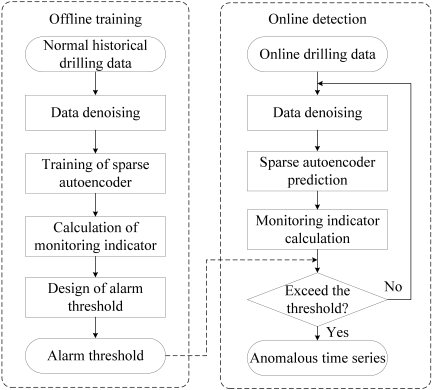
Fig. 3. The flowchart of fault detection for tunnel drilling rig.
For clarity, the overall implementation procedure of the proposed sparse autoencoder-based fault detection method is summarized as follows. First, multivariate drilling signals are segmented into overlapping samples using a sliding window of fixed length. These windowed data are used to construct the training dataset under normal operating conditions. Second, the sparse autoencoder is trained offline by minimizing the reconstruction error with sparsity and weight regularization, enabling the model to learn the normal behavior patterns of the drilling rig. Third, after training, the reconstruction errors of the normal training samples are calculated, and kernel density estimation is employed to model their statistical distribution. Based on a predefined confidence level, an adaptive anomaly detection threshold is then determined. Finally, during online monitoring, incoming drilling data are processed using the same sliding-window strategy and fed into the trained model. The reconstruction error of each window is computed and compared with the threshold to determine whether the current drilling state is normal or anomalous.
3.4. Fault Diagnosis Based on Detection Results
Building upon the anomaly detection results, a fault diagnosis mechanism is further developed to determine the potential fault type and the subsystem where it occurs. Following the principle of “detect first and then diagnose,” only data segments identified as abnormal by the reconstruction error are further analyzed, which reduces unnecessary computation and avoids misinterpretation under fluctuating drilling conditions. After an anomaly is confirmed, the system extracts key sensor parameters within the corresponding time window, including feed pressure, main pump pressure, rotary speed, return-oil pressure, and forward-rotation pressure. These parameters reflect the core hydraulic behaviors of the feed and rotary circuits, and their coupling relationships provide useful indications of possible fault propagation.
Based on the deviation patterns of these parameters from normal operation trends, and by comparing them with characteristic signatures of typical failure modes such as stagnant pressure increase, attenuated rotary speed, or abnormal return-oil accumulation, the system infers the most likely fault category and locates the affected subsystem. Meanwhile, the continuity of anomalies is considered to eliminate transient disturbances and avoid false alarms. Through this two-stage procedure combining anomaly detection and focused diagnostic analysis, the system achieves reliable localization of hydraulic abnormalities and provides interpretable diagnostic outputs that support on-site maintenance decisions.
4. Experimental Results Analysis
To evaluate the proposed sparse autoencoder-based fault detection framework, a series of experiments are performed on a workstation equipped with an Intel Core i9-14900HX processor, 32 GB RAM, and an NVIDIA GeForce RTX 4060 GPU. All model implementation, training, and analysis are conducted in the MATLAB environment. The experimental settings are kept consistent across datasets. Multivariate drilling parameters are segmented using a sliding window of 25 samples, and wavelet transform was applied for noise suppression. Among the preprocessed normal-operation data, 80% is used for model training and 20% for validation. The reconstruction error is defined as the anomaly indicator, and the detection threshold is determined using kernel density estimation with a 95% confidence level. Samples with reconstruction errors exceeding this threshold are identified as potential anomalies. The following subsections present detailed analyses based on the semi-physical simulation experiment and the actual drilling data.
The objective \(J_{S}\) is optimized using the Adam optimizer with a learning rate of 1e-3, batch size of 128, and up to 200 epochs. Early stopping with patience 15 on validation loss is used to prevent overfitting. Typical hyperparameter values used in the experiments are \(\lambda = \mbox{1e-4}\), \(\beta=3\), and \(\rho=0.05\).
4.1. Semi-Physical Simulation Experiment
Direct on-site validation under underground drilling conditions is the most straightforward way to carry out fault detection experiments and verify the proposed method. However, tests in tunnel environments involve high safety risks and many operational limitations. The harsh drilling conditions require minimizing interference during construction to avoid affecting borehole stability and equipment reliability. In addition, drilling still relies on manual remote operation, and the complex site environment often causes unexpected interruptions, making systematic experiments inefficient and difficult to reproduce.
To overcome these limitations, this section adopts a semi-physical experimental approach. By constructing a controllable laboratory system that replicates real drilling conditions, the experimental environment becomes safer, more stable, and easier to instrument. The semi-physical system used in this work, as shown in Fig. 4, is modified from the ZDY4500LFK, which is the primary tunnel drilling rig used in underground drilling. The test rig maintains the same mechanical structure and power output characteristics as the field equipment, allowing full simulation of rotary drilling, feed motion, and drill-pipe handling.
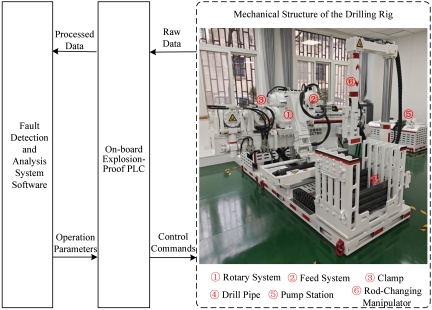
Fig. 4. Overall architecture of the fault detection system and mechanical structure of the tunnel drilling rig.
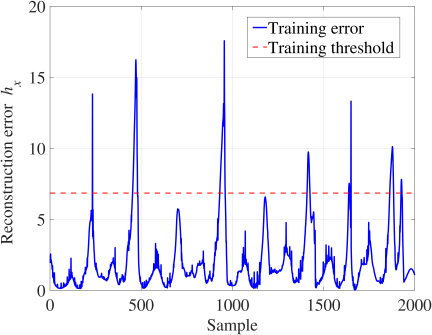
Fig. 5. Monitoring indicator curves of training samples.
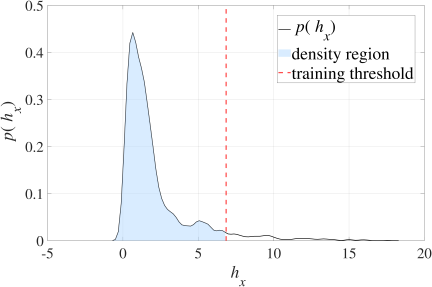
Fig. 6. Probability density distribution of the monitoring indicators for the training samples.
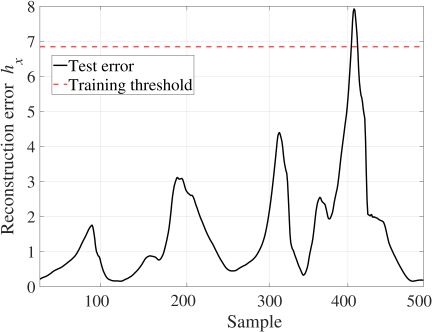
Fig. 7. Comparison of test sample monitoring indicators with training thresholds.
To process the data, a fixed-length sliding window approach was applied for segmentation. The sampling interval of the drilling monitoring system is \(\Delta t = 0.2\) s. Therefore, a sliding window of 25 samples corresponds to a temporal duration of 5 s. This window length is sufficient to capture the short-term dynamic coupling characteristics of the feed and rotary hydraulic systems during stable drilling, while maintaining adequate temporal resolution for online fault detection. Data representing non-productive periods, such as idle time or rod addition phases, are excluded from the dataset.
To ensure data quality, wavelet transform is applied to the raw sensor signals, effectively suppressing environmental noise and filtering out abnormal segments that did not align with continuous and stable drilling operations. For training and validation, 80% of the preprocessed data is randomly selected for training the sparse autoencoder model, while the remaining 20% is used for testing.
As shown in Figs. 5 and 6, the reconstruction errors of the training samples are mainly concentrated within a narrow low-value range, indicating that the sparse autoencoder accurately captures the characteristic patterns of normal drilling behavior. When applied to the test set, the model maintains good reconstruction performance in most intervals. However, as illustrated in Fig. 7, a small portion of the test samples exhibit reconstruction errors that exceed the threshold. These short intervals deviate from the learned normal patterns, suggesting the presence of mild operational disturbances or transient inconsistencies. The limited and localized nature of these exceedances confirms that the model is sensitive to subtle deviations while still maintaining stability for the majority of normal segments.
Considering that field data inevitably contain noise and transient fluctuations, an alarm optimization strategy is introduced: isolated threshold exceedances are not immediately classified as faults, whereas continuous exceedance over several consecutive windows is required to trigger an alarm. This strategy effectively suppresses false alarms and enhances the reliability of the detection results.
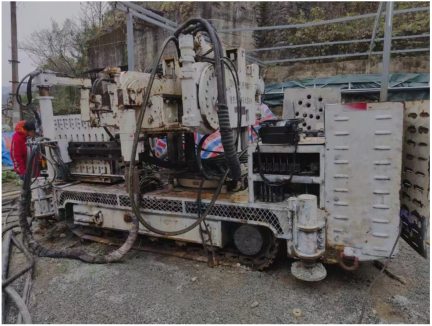
Fig. 8. Field drilling rig used for collecting actual drilling data at the Zhashui Experimental Base.
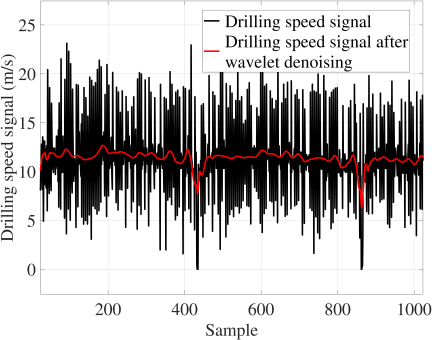
Fig. 9. Comparison of raw and filtered field drilling data.
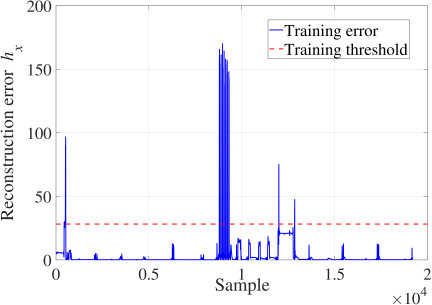
Fig. 10. Distribution of monitoring indicators and determination of thresholds for training samples.
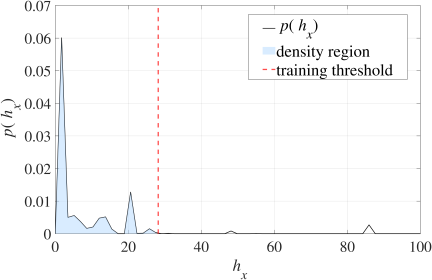
Fig. 11. Probability density distribution and confidence level of monitoring indicators.
4.2. Actual Drilling Data-Based Experiment
Section 4.1 validates the proposed method under controlled semi-physical conditions, while Section 4.2 further examines its robustness and applicability using real drilling data. Together, these two experiments provide a coherent and complementary validation of the proposed fault detection framework.
To further evaluate the practical effectiveness of the proposed fault detection scheme, actual drilling data are collected from the Zhashui Experimental Base and used for the experiment. The underground drilling operation is carried out using a full-scale ZDY4500LFK tunnel drilling rig, as shown in Fig. 8. The equipment operates in a harsh outdoor environment with complex geological conditions, strong humidity, and significant mechanical vibration, which provides a realistic validation scenario for the proposed method.
Six key drilling parameters closely related to the hydraulic and mechanical behavior of the rig are selected for analysis. These parameters include penetration rate, rotational speed, main pump pressure, feed pressure, forward-rotation pressure, and return-oil pressure. Together, they characterize both the working status of the power head and the internal dynamics of the feed and rotary hydraulic circuits. The real on-site data enables rigorous verification of the model’s robustness under practical disturbances such as fluctuating load, sensor noise, and transient operational adjustments.
A comparison of the raw and denoised signals is presented in Fig. 9, confirming the effectiveness of the wavelet-based preprocessing in suppressing high-frequency noise and improving signal quality. As shown in Figs. 10 and 11, the sparse autoencoder successfully learns the underlying patterns of normal drilling behavior, with the reconstruction errors of the training samples concentrated within a narrow range and clearly separated from the estimated threshold. This demonstrates that the model has strong learning capability and good generalization performance across different datasets. Furthermore, Fig. 12 illustrates that all reconstruction errors in the field test set remain below the detection threshold, indicating that the drilling operation during data collection was stable and free of abnormal events. The absence of threshold exceedance also verifies that the proposed method maintains reliable performance and does not produce false alarms under normal condition.
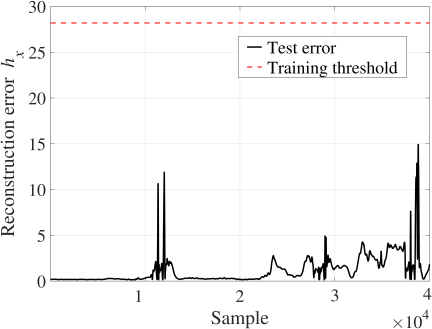
Fig. 12. Comparison of test sample monitoring indicators with training thresholds.
From an engineering perspective, the proposed fault detection method has been validated using both semi-physical simulation experiments and actual drilling data collected from a full-scale tunnel drilling rig at the Zhashui Experimental Base. The results demonstrate that the method can operate stably under realistic drilling conditions characterized by strong vibration, load fluctuation, and environmental disturbances. In practical underground applications, the proposed approach can be integrated into existing monitoring systems by processing real-time sensor data through sliding-window analysis and providing anomaly alarms based on reconstruction error, without requiring additional fault labels or intrusive modifications to the drilling equipment.
Despite its effectiveness, the proposed method has several limitations. First, as a data-driven unsupervised approach, its performance depends on the representativeness of the normal-condition training data, and significant changes in geological conditions or operating modes may affect detection accuracy. Second, the model parameters and detection threshold may require recalibration when applied to different drilling rigs or configurations. In addition, the proposed method focuses on fault detection rather than precise fault type identification, which will be addressed in future work by incorporating additional diagnostic information and adaptive learning strategies.
5. Conclusion
This paper presents a fault detection framework based on sparse autoencoder, aimed at addressing the challenges of process monitoring under complex underground conditions. By modeling the normal operational patterns of multivariate drilling parameters, the proposed method detects anomalies through reconstruction error analysis. Experimental verification using field data demonstrates that the proposed approach shows good adaptability to varying operating conditions. The results indicate that the method can achieve reliable detection without relying on large amounts of labeled fault data. Nevertheless, its performance may be affected by variations in geological formations and equipment configurations. Future work will focus on improving model robustness through domain adaptation and incorporating additional sensor information to enhance detection accuracy.
Acknowledgments
This work is supported by the National Natural Science Foundation of China under Grant 62503441, the National Key Research and Development Program of China under Grant 2022YFB4703600, the 111 Project under Grant B17040, the Fundamental Research Funds for the Central Universities, China University of Geosciences.
- [1] H. Wang, J. Zhou, H. Chen, B. Xu, and Z. Shen, “Hydraulic system fault diagnosis decoupling method based on 2D time-series modeling and self-attention fusion,” Scientific Reports, Vol.14, Article No.15620, 2024. https://doi.org/10.1038/s41598-024-66541-9
- [2] D.-H. Yoon and J. Yoon, “Development of a real-time fault detection method for electric power system via transformer-based deep learning model,” Int. J. of Electrical Power & Energy Systems, Vol.159, Article No.110069, 2024. https://doi.org/10.1016/j.ijepes.2024.110069
- [3] T. Li et al., “WaveletKernelNet: An interpretable deep neural network for industrial intelligent diagnosis,” IEEE Trans. on Systems, Man, and Cybernetics: Systems, Vol.52, No.4, pp. 2302-2312, 2022. https://doi.org/10.1109/TSMC.2020.3048950
- [4] W. Zhang, X. Li, H. Ma, Z. Luo, and X. Li, “Universal domain adaptation in fault diagnostics with hybrid weighted deep adversarial learning,” IEEE Trans. on Industrial Informatics, Vol.17, No.12, pp. 7957-7967, 2021. https://doi.org/10.1109/TII.2021.3064377
- [5] W. Su, Z. Han, X. Liu, and Y. Yin, “Generalized universal domain adaptation,” Knowledge-Based Systems, Vol.302, Article No.112344, 2024. https://doi.org/10.1016/j.knosys.2024.112344
- [6] R. Zhao et al., “Machine health monitoring using local feature-based gated recurrent unit networks,” IEEE Trans. on Industrial Electronics, Vol.65, No.2, pp. 1539-1548, 2018. https://doi.org/10.1109/TIE.2017.2733438
- [7] O. Janssens et al., “Convolutional neural network based fault detection for rotating machinery,” J. of Sound and Vibration, Vol.377, pp. 331-345, 2016. https://doi.org/10.1016/j.jsv.2016.05.027
- [8] Y. Lei et al., “Applications of machine learning to machine fault diagnosis: A review and roadmap,” Mechanical Systems and Signal Processing, Vol.138, Article No.106587, 2020. https://doi.org/10.1016/j.ymssp.2019.106587
- [9] M. Xia et al., “Intelligent fault diagnosis of machinery using digital twin-assisted deep transfer learning,” Reliability Engineering & System Safety, Vol.215, Article No.107938, 2021. https://doi.org/10.1016/j.ress.2021.107938
- [10] L. Zhang et al., “End-to-end unsupervised fault detection using a flow-based model,” Reliability Engineering & System Safety, Vol.215, Article No.107805, 2021. https://doi.org/10.1016/j.ress.2021.107805
- [11] N. N. Kulkarni, N. A. Valente, and A. Sabato, “Time-inferred autoencoder: A noise adaptive condition monitoring tool,” Mechanical Systems and Signal Processing, Vol.204, Article No.110789, 2023. https://doi.org/10.1016/j.ymssp.2023.110789
- [12] X. Chen, H. Liu, and N. Nikitas, “Internal pump leakage detection of the hydraulic systems with highly incomplete flow data,” Advanced Engineering Informatics, Vol.56, Article No.101974, 2023. https://doi.org/10.1016/j.aei.2023.101974
- [13] K. Huang, S. Wu, F. Li, C. Yang, and W. Gui, “Fault diagnosis of hydraulic systems based on deep learning model with multirate data samples,” IEEE Trans. on Neural Networks and Learning Systems, Vol.33, No.11, pp. 6789-6801, 2022. https://doi.org/10.1109/TNNLS.2021.3083401
- [14] B. Wang, Z. Li, Z. Dai, N. Lawrence, and X. Yan, “Data-driven mode identification and unsupervised fault detection for nonlinear multimode processes,” IEEE Trans. on Industrial Informatics, Vol.16, No.6, pp. 3651-3661, 2020. https://doi.org/10.1109/TII.2019.2942650
- [15] S. Zheng, C. Wang, E. Zio, and J. Liu, “Fault detection in complex mechatronic systems by a hierarchical graph convolution attention network based on causal paths,” Reliability Engineering & System Safety, Vol.243, Article No.109872, 2024. https://doi.org/10.1016/j.ress.2023.109872
- [16] A. Dallabona, M. Blanke, H. C. Pedersen, and D. Papageorgiou, “Fault diagnosis and prognosis capabilities for wind turbine hydraulic pitch systems,” Mechanical Systems and Signal Processing, Vol.224, Article No.111941, 2025. https://doi.org/10.1016/j.ymssp.2024.111941
- [17] C. Lai, P. Baraldi, and E. Zio, “Physics-informed deep autoencoder for fault detection in new-design systems,” Mechanical Systems and Signal Processing, Vol.215, Article No.111420, 2024. https://doi.org/10.1016/j.ymssp.2024.111420
- [18] M. Rao, M. J. Zuo, and Z. Tian, “A speed normalized autoencoder for rotating machinery fault detection under varying speed conditions,” Mechanical Systems and Signal Processing, Vol.189, Article No.110109, 2023. https://doi.org/10.1016/j.ymssp.2023.110109
- [19] B. Song et al., “A fault-targeted gated recurrent unit-canonical correlation analysis method for incipient fault detection,” IEEE Trans. on Industrial Informatics, Vol.20, No.6, pp. 8739-8748, 2024. https://doi.org/10.1109/TII.2024.3372023
- [20] X. Kong, X. Li, Q. Zhou, Z. Hu, and C. Shi, “Attention recurrent autoencoder hybrid model for early fault diagnosis of rotating machinery,” IEEE Trans. on Instrumentation and Measurement, Vol.70, Article No.2505110, 2021. https://doi.org/10.1109/TIM.2021.3051948
- [21] Z.-H. Liu et al., “A stacked auto-encoder based partial adversarial domain adaptation model for intelligent fault diagnosis of rotating machines,” IEEE Trans. on Industrial Informatics, Vol.17, No.10, pp. 6798-6809, 2021. https://doi.org/10.1109/TII.2020.3045002
- [22] W. Sun et al., “A sparse auto-encoder-based deep neural network approach for induction motor faults classification,” Measurement, Vol.89, pp. 171-178, 2016. https://doi.org/10.1016/j.measurement.2016.04.007
- [23] M. Niu, H. Jiang, Z. Wu, and H. Shao, “An enhanced sparse autoencoder for machinery interpretable fault diagnosis,” Measurement Science and Technology, Vol.35, No.5, Article No.055108, 2024. https://doi.org/10.1088/1361-6501/ad24ba
This article is published under a Creative Commons Attribution-NoDerivatives 4.0 Internationa License.