
Research Paper:
Dual-Objective Optimization Model for Low Carbon Cold-Chain Logistics
Chaofan Wang*,†
 and Takashi Hasuike**
*Graduate School of Science and Engineering, Waseda University
3-4-1 Okubo, Shinjuku-ku, Tokyo 169-8555, Japan
†Corresponding author
**Faculty of Science and Engineering, Waseda University
3-4-1 Okubo, Shinjuku-ku, Tokyo 169-8555, Japan

Cold-chain logistics plays a crucial role in maintaining the quality of temperature-sensitive products. However, it generates high energy consumption and carbon emissions due to refrigeration and complex routing operations. Therefore, this study proposes a dual-objective optimization model for low carbon cold-chain vehicle routing that simultaneously minimizes total logistics and carbon emission costs. The model comprehensively integrates transportation, refrigeration, cargo damage, and holding costs, as well as emissions from fuel consumption and refrigeration energy use. To solve the proposed model, two multi-objective evolutionary algorithms, the non-dominated sorting genetic algorithm II (NSGA-II) and the multi-objective particle swarm optimization (MOPSO), were employed and compared under the same experimental framework. Numerical experiments based on Solomon benchmark instances demonstrate that both algorithms can effectively generate Pareto-optimal solutions. NSGA-II shows superior convergence and better diversity maintenance, whereas MOPSO achieves faster early-stage convergence and stronger global exploration. The comparative analysis, supported by quantitative performance metrics and visual results, confirms the reliability of the proposed optimization model and highlights the complementary characteristics of the two algorithms. The findings provide theoretical and practical insights for designing sustainable, cost-efficient, and environmentally friendly cold-chain logistics systems.
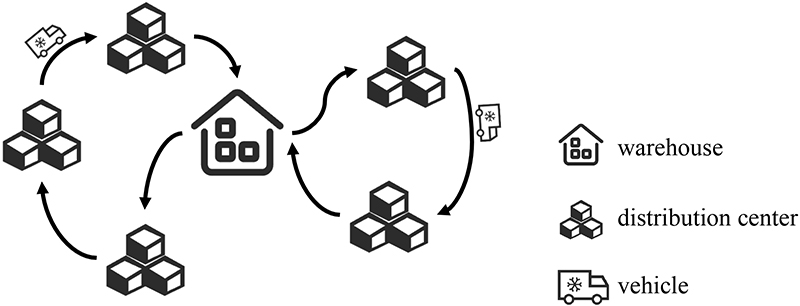
Schematic diagram of cold-chain logistics distribution network
1. Introduction
With growing global awareness of sustainability and the urgent need to reduce carbon emissions, the logistics industry is under increasing pressure to achieve a balance between operational efficiency and environmental responsibility. Cold-chain logistics plays a crucial role in ensuring the quality and safety of temperature-sensitive products such as food and pharmaceuticals 1. However, cold-chain systems are characterized by high energy consumption, mainly owing to continuous refrigeration and complex routing processes, which lead to considerable operational costs and significant carbon emissions. Consequently, improving the efficiency and environmental performance of cold-chain logistics has become an important topic in sustainable logistics management.
The traditional vehicle routing problem (VRP) primarily focuses on minimizing logistics costs, including fuel consumption, vehicle operation, and driver expenses 2. In contrast, additional factors such as refrigeration costs, cargo damage due to temperature fluctuations, and holding costs at distribution centers must be considered in cold-chain logistics 3. Furthermore, carbon emission costs arise not only from fuel consumption during transportation but also from the energy used for refrigeration during transportation and storage. Therefore, a comprehensive optimization approach is required to minimize both the economic and environmental impacts of cold-chain logistics.
This study addresses a dual-objective optimization problem in low carbon cold-chain logistics that incorporates logistics cost minimization and carbon emission cost reduction into vehicle routing planning. The proposed model integrates multiple cost components, including fixed, refrigeration, cargo damage, and holding costs, as well as the environmental impacts of transportation and refrigerated storage emission costs. Balancing cost efficiency with environmental sustainability is a major challenge. Thus, it is essential to develop an effective optimization framework to capture this solution.
To solve this complex problem, two representative multi-objective optimization algorithms were employed: non-dominated sorting genetic algorithm II (NSGA-II) and multi-objective particle swarm optimization (MOPSO). NSGA-II, which is based on evolutionary principles, is known for its ability to maintain population diversity and achieve fast convergence through elitist selection and crowding distance mechanisms 4. The MOPSO, inspired by swarm intelligence, has a strong global search capability and convergence speed through cooperative information sharing among particles 5. Both algorithms have been successfully applied to logistics and supply chain optimization. In this study, they are applied to the same mathematical model and experimental setting to examine their performance in terms of solution quality, diversity, and convergence.
The main objectives of this study are as follows: (1) develop a mathematical model to integrate economic and environmental considerations in cold-chain logistics; (2) formulate the total cost and emission functions to represent fixed, refrigeration, cargo damage, and holding costs as well as emissions from transportation and storage; (3) implement the NSGA-II and MOPSO algorithms to solve the proposed model; (4) evaluate and compare their performance using established multi-objective indicators; and (5) test the proposed framework on benchmark datasets to provide insights into the relationship between cost control and emission reduction.
This study makes several contributions to existing literature. First, it proposes an integrated dual-objective model for cold-chain logistics that considers both economic and environmental concerns. Second, a detailed cost and emission function that incorporates refrigeration, cargo deterioration, and storage emissions is formulated. Third, two widely used multi-objective optimization algorithms are applied to obtain Pareto-optimal solutions, offering practical decision-making insights. Finally, the study provides results to illustrate the balance between cost savings and carbon reduction in cold-chain logistics, which can guide logistics operators and policymakers in designing sustainable and cost-effective transportation strategies.
The remainder of this paper is organized as follows. Section 2 presents a comprehensive literature review of low carbon cold-chain logistics and multi-objective optimization methods. Section 3 presents the mathematical formulation of the problem, including the problem description, modelling assumptions, and objective functions. Section 4 details the optimization algorithm and explains the evolutionary operations used to generate the Pareto-optimal solutions. Section 5 presents numerical experiments to validate the proposed model and analyzes the balance between logistics and carbon emission costs. Finally, Section 6 concludes the paper with the key findings and future research directions.
2. Literature Review
With deepening global concern for sustainable development and carbon emission control, the logistics industry has been encouraged to adopt greener and more energy-efficient operations. Among the various branches of logistics, cold-chain logistics has attracted particular attention because of its high energy demand and complex temperature control requirements 6. It is estimated that refrigeration and transportation processes account for a large proportion of the total energy consumption in cold-chain systems, making this sector one of the key areas for carbon reduction efforts.
The VRP has long served as a fundamental framework for studying logistics distribution planning. Classical VRP models mainly focus on minimizing transportation costs or the total travel distance. However, in cold-chain logistics, the products are often perishable and sensitive to temperature, which introduces additional operational challenges 7. Huai et al. constructed a model to minimize the distribution and cargo damage costs for the multi-vehicle path problem in cold-chain logistics 8, whereas Deng et al. introduced the effect of temperature change on transported products to construct a distribution cost model to rationally plan the transport path to reduce the total distribution cost 9.
As environmental awareness grows, attention has gradually shifted from cost minimization to the integration of environmental objectives, particularly the reduction of greenhouse gas emissions 10. To address the dual pressures of total distribution and carbon emission costs, Liu et al. constructed a green vehicle path model combining joint distribution and carbon trading mechanism to achieve the dual goals of economic and environmental benefits 11. Meanwhile, the drastic increase in cold-chain orders further aggravates the complexity of route optimization and the carbon emission burden. To address this challenge, Tao et al. constructed a cold-chain logistics route optimization model to minimize the comprehensive cost of improving distribution efficiency 12.
Because the cold-chain logistics routing problem usually involves conflicting objectives such as minimizing costs and reducing carbon emissions, traditional single-objective methods cannot effectively capture the balance among these goals. Consequently, multi-objective optimization has become an essential approach for solving such problems 13. Ransikarbum et al. developed a multi-objective routing model for the biofuel supply chain by integrating spatial clustering and route optimization to improve overall efficiency 14. Recently, a multi-objective differential evolution algorithm integrating a directional generation mechanism has shown enhanced convergence and diversity in solving complex optimization problems 15. Among the existing algorithms, NSGA-II is widely adopted due to its strong ability to explore diverse Pareto-optimal solutions. Bai et al. applied an improved NSGA-II to balance carbon and operational costs in cold-chain logistics, offering insights into both enterprise decisions and policy design 16.
In parallel, MOPSO has gained attention owing to its rapid convergence and efficient search through swarm collaboration. Li et al. demonstrated the effectiveness of MOPSO in optimizing total costs and greenhouse gas emissions in logistics systems 17. Because NSGA-II is based on genetic evolution whereas MOPSO relies on swarm intelligence and dynamic learning, understanding their comparative strengths is essential for selecting suitable algorithms for practical logistics applications.
To summarize, research on cold-chain logistics routing has evolved from traditional single-objective models emphasizing logistics cost to multi-objective frameworks that also consider product deterioration, temperature control, energy consumption, and carbon emissions. With the growing emphasis on green logistics and low carbon policies, strategies such as joint distribution and carbon trading have been incorporated to enhance economic and environmental performance while maintaining product quality. Therefore, multi-objective optimization algorithms have been widely applied owing to their strong capability to explore solution spaces and construct Pareto fronts.
Despite these advancements, most existing studies have concentrated on cost and emission optimization during the transportation stage, with limited attention paid to the energy consumption and emissions arising from the holding process. To address these limitations, this study developed a comprehensive dual-objective cold-chain routing model and applied both NSGA-II and MOPSO for comparative analysis. This study evaluated the effectiveness of each algorithm in terms of convergence, distribution uniformity, and overall solution quality, thereby providing practical insights for selecting suitable optimization strategies for sustainable cold-chain logistics planning.
3. Mathematical Model
This section introduces a mathematical model for the low carbon cold-chain vehicle routing problem. The model aims to optimize two objectives: minimizing the total logistics cost and reducing the carbon emission cost while ensuring delivery via refrigerated transport. This section is divided into three parts: the problem description, model assumptions and parameter definitions, and mathematical formulation.
3.1. Problem Description
Cold-chain logistics plays an essential role in the transportation of perishable products, ensuring that products remain within the required temperature ranges to maintain their quality and reduce spoilage. However, the high operational costs associated with refrigeration and transportation, along with increasing concerns over carbon emissions, present significant challenges for optimizing cold-chain logistics 18. In this study, a dual-objective optimization model was developed to address the VRP in low carbon cold-chain logistics, with the aim of minimizing both the total logistics and carbon emission costs.
The problem considered in this study focuses on the optimization of distribution routes from a single warehouse to multiple distribution centers, ensuring the timely delivery of perishable products while minimizing economic cost and environmental impact. As shown in Fig. 1, each distribution center has a specific demand, and the available fleet consists of refrigerated vehicles with limited capacity. The total logistics cost includes multiple components, such as fixed costs, refrigeration expenses, cargo damage costs due to temperature deviations, and holding costs at the distribution centers. Simultaneously, the environmental impact was evaluated based on fuel consumption and emissions generated during transportation, as well as the energy consumption of refrigeration units at storage facilities.
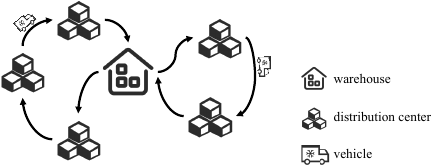
Fig. 1. Schematic diagram of cold-chain logistics distribution network.
Given the complexity of this dual-objective optimization problem, an effective and robust solution approach is required to achieve a balance between cost efficiency and sustainability in low carbon cold-chain logistics. The optimization model ensures that decisions regarding vehicle routing consider financial efficiency and the long-term goal of reducing the carbon emissions in logistics operations. By integrating these objectives, the proposed approach aims to support decision-makers in designing low carbon, cost-effective cold-chain logistics networks.
3.2. Model Assumption and Notations
When modelling the optimization of a low carbon cold-chain logistics route, it is necessary to simplify and abstract the problem appropriately for mathematical modelling. Accordingly, a set of assumptions is introduced, along with the definitions of the relevant parameters.
-
The logistics network features a single warehouse responsible for supplying multiple distribution centers.
-
The warehouse has sufficient inventory to meet the total demand of all distribution centers, with no consideration of external suppliers.
-
Each distribution center is served by only one vehicle.
-
The distribution model is one-to-many, involving a single warehouse delivering to multiple distribution centers.
-
All distribution centers require cold-chain service, and each delivery is handled by a dedicated refrigerated vehicle to ensure proper temperature control.
-
The vehicle fleet is homogeneous, with identical cargo capacity and fuel consumption rates across all vehicles.
-
The geographic coordinates of the warehouse and distribution centers are predetermined and fixed during the planning horizon.
-
The vehicles operate at a constant speed, follow direct outbound routes, and return immediately to the warehouse after delivery; no detours, backhauls, or multi-stop routes are included.
-
Product deterioration is assumed to occur at a constant rate, allowing spoilage to be estimated as a function of transport time.
-
On-board refrigeration systems maintain the required temperature range throughout the trip to preserve product quality.
-
Each delivery route is served by a single vehicle that starts and ends at the warehouse without intermediate stops.
-
The warehouse has a sufficient vehicle fleet to satisfy the total delivery demand.
To define the problem mathematically, a comprehensive set of parameters was introduced to capture the key factors influencing the cold-chain vehicle routing process. The following notations present all the parameters used in the model along with their respective meanings.
Sets
-
\(n\):
Sets of distribution centers
-
\(K\):
Sets of vehicles
Parameters
-
\(a\):
Fixed operating cost per unit distance
-
\(M_{ij}\):
Distance between the distribution center \(i\) to \(j\)
-
\(\xi_1\):
Unit time refrigeration cost during transportation
-
\(t_{ij}\):
Travel time from distribution center \(i\) to \(j\)
-
\(\xi_2\):
Unit time refrigeration cost during unloading
-
\(T_j\):
Service time at distribution center \(j\)
-
\(p\):
Unit cost of transported product
-
\(\lambda_1\):
Degradation factor constant of products in transit
-
\(\theta\):
Decay rate of perishable products in cold-chain logistics
-
\(Q_i\):
The demand for distribution center \(i\)
-
\(\lambda_2\):
Degradation factor constant of products during service
-
\(b\):
Capacity per refrigerated storage unit
-
\(F_h\):
Cost of activating one refrigeration unit
-
\(i\):
Inventory holding interest rate
-
\(\omega\):
Constant of the emission of a gallon of fuel
-
\({\textit{MPG}}_0\):
The base miles per gallon for the empty vehicle
-
\(\gamma\):
The coefficient that reflects the effect of weight on the \(\textit{MPG}\) of the vehicle
-
\(t_c\):
The vehicle unit capacity denotes the maximum number of items
-
\(W\):
The weight of a product
-
\(\mu\):
The total energy consumption of refrigerated storage units in each distribution center
-
\(\varphi\):
The total carbon footprint of 1 kWh in each distribution center
Decision variable
-
\(y_{ik}\):
The load capacity of the vehicle \(k\) at the distribution center \(i\) following delivery
3.3. Model Formulation
A mathematical model was developed to address the low carbon cold-chain vehicle routing problem, aiming to optimize delivery routes while minimizing total logistics and carbon emission costs. The model considers the unique characteristics of cold-chain logistics, including fixed, refrigeration, cargo damage, and holding costs, along with the environmental impact of fuel consumption and energy usage. By integrating these costs and emission factors, the model provides a comprehensive decision-making framework for low carbon cold-chain logistics optimization.
The model consists of two objective functions: (1) total logistics cost minimization and (2) total emission cost minimization, subject to a set of constraints to ensure feasibility and operational efficiency. The following sections define the total cost function, total emission function, and the associated constraints in detail.
3.3.1. Total Cost Functions
The total cost function \(T(Q)\,\)comprises multiple components that contribute to overall logistics expenses, including fixed cost, refrigeration cost, cargo damage cost, and holding cost.
(1) Fixed cost
The fixed cost is primarily determined by the distance traveled by refrigerated vehicles during the distribution process and is calculated as the product of the transportation distance and the cost per kilometer. The total fixed cost is given by Eq. \(\eqref{eq:1}\).
(2) Refrigeration cost
The refrigeration cost refers to the energy expenditure required to maintain the specified temperature range for cold-chain products throughout the distribution process. This cost arises during both vehicle transit and unloading operations. During transportation, the refrigeration system operates continuously to offset external thermal influence, and its energy consumption is assumed to occur at a constant unit rate \(\xi_1\), proportional to the travel time \(t_{ij}\) between distribution centers. This unloading-phase refrigeration cost is modeled by a unit time rate \(\xi_2\), multiplied by the service time \(T_j\) at each node 19. Together, these two components constitute the total refrigeration cost across the distribution network.
(3) Cargo damage cost
Cargo damage cost reflects economic losses caused by the degradation of perishable products during transportation and service. In the cold-chain context, product quality deteriorates over time due to unavoidable thermal exposure, and this process is modeled using an exponential decay function with rate \(\theta\). The value loss incurred during transportation is proportional to the demand \(Q_{i}\), the travel time, and a decay factor governed by \(\lambda_1\). Similarly, additional quality loss occurs during the unloading and service phase at each distribution center, influenced by the service time and the factor \(\lambda_2\) 20. By combining these factors, the cargo damage cost captures the time-dependent deterioration of cold-chain products throughout the delivery process.
(4) Holding cost
The holding cost represents the expenses associated with cold-chain inventory storage at distribution centers. This includes two parts: the operational cost of the refrigerated units and capital cost of the held inventory. The number of refrigeration units required is estimated based on the adjusted demand and unit capacity, with each unit incurring a fixed cost. Capital cost is modeled as the interest rate applied to the average product value 21. Together, these components comprise the total holding costs.
The total cost function is the sum of fixed cost, refrigeration cost, cargo damage cost, and holding cost. The total cost is expressed as follows.
3.3.2. Total Emission Function
To address the increasing energy consumption in cold-chain logistics and respond to the growing demand for energy conservation and emission reduction, incorporating carbon emission costs into distribution path planning has become increasingly important. As the cold-chain industry continues to expand rapidly, greenhouse gas emissions are rising, drawing attention from researchers and policymakers. Consequently, optimizing both the economic and carbon emission costs has become a central focus in simulation and optimization studies.
(1) Carbon emission cost
The carbon emission cost during transportation primarily arises from the greenhouse gases emitted by delivery vehicles, with emissions closely linked to the total travel distance. The baseline fuel efficiency of a vehicle, denoted as \(\textit{MPG}_{0}\), is adjusted based on the cargo load using the function \(\textit{MPG}(Q)=\textit{MPG}_0-\gamma\times Q\times W\), where \(\gamma\) is the vehicle weight coefficient and \(Q\) is the load 22. This formulation reflects the degradation of fuel efficiency with an increasing load. The corresponding transportation-related emissions are quantified as follows.
(2) Holding emission cost
By contrast, the holding emission cost is attributed to the energy consumed by the refrigerated units, which is dependent on the proportion of stored products relative to the capacity of the refrigeration unit. Parameters such as the total refrigeration energy consumption and carbon emission factor per kilowatt-hour were obtained from empirical studies and energy reports 23. The holding emission is expressed as follows.
Therefore, the total emission function, which encompasses both transportation and holding emission costs, is expressed as follows.
3.3.3. Objective Function
This study aims to develop a dual-objective optimization model for low carbon cold-chain logistics route planning, focusing on minimizing both the total logistics and carbon emission costs. The proposed model integrates key factors such as product demand, transportation distances, vehicle energy consumption, refrigeration energy usage, and carbon emissions generated throughout the distribution process. These two objectives are inherently conflicting because reducing carbon emissions may require additional investments in energy-efficient technologies or alternative fuel sources, which can increase operational costs. Conversely, minimizing logistics costs without considering environmental impacts may lead to higher emissions. Therefore, a multi-objective optimization approach was adopted to achieve a balance between economic efficiency and environmental sustainability. The mathematical formulation of the proposed low carbon cold-chain logistics model is as follows, where \(T(Q)\,\)represents the total cost function and \(H(Q)\) denotes the total emission function.
Equations \(\eqref{eq:9}\) and \(\eqref{eq:10}\) represent the model’s objective function, which aim to minimize the logistics and carbon emission costs. Eqs. \(\eqref{eq:11}\)–\(\eqref{eq:17}\) represent the constraints of the model used to limit the solution space of problem. Eq. \(\eqref{eq:11}\) is formulated to ensure the comprehensive coverage of all distribution centers during route planning. Eq. \(\eqref{eq:12}\) indicates that the demand placed on each distribution center does not exceed the maximum vehicle capacity. Eqs. \(\eqref{eq:13}\) and \(\eqref{eq:14}\) are essential constraints that establish an orderly flow of vehicles, guaranteeing that each distribution center is accessed by only one vehicle for arrival and departure, thereby optimizing the logistics operations and preventing congestion. Eq. \(\eqref{eq:15}\) ensures that the departure load of each delivery vehicle from the warehouse is equal to the total delivery demand assigned to that vehicle. This guarantees that the initial loading operation accurately reflects the cumulative outbound requirements for all the customer nodes serviced in the respective route. Eq. \(\eqref{eq:16}\) is a crucial restriction that safeguards against overloading, ensuring that the cargo carried by any delivery vehicle does not exceed its designated capacity during transit and at the distribution center.
4. Solution Methodology
To solve the proposed dual-objective cold-chain logistics routing problem, two evolutionary multi-objective optimization algorithms were employed: NSGA-II and MOPSO. These algorithms are among the most widely applied approaches for handling complex optimization problems involving conflicting objectives. Both are capable of approximating Pareto-optimal fronts with high accuracy and preserving the population diversity during the search process. NSGA-II emphasizes elitism and crowding distance to maintain convergence and diversity, whereas MOPSO utilizes cooperative information sharing among particles to accelerate convergence toward an optimal balance between the cost and emission objectives 24.
4.1. NSGA-II for Dual-Objection Problem
NSGA-II is an evolutionary algorithm based on the genetic operations of selection, crossover, and mutation. It uses a fast non-dominated sorting mechanism to classify solutions according to Pareto dominance and introduces elitism to retain high-quality solutions across generations 25. A crowding distance metric was used to maintain diversity within the population and prevent premature convergence.
In this study, the NSGA-II encodes each solution as a feasible vehicle route and evaluates individuals using two objectives: total logistics cost and carbon emission cost 26. Tournament selection is used to select parent solutions, followed by crossover and mutation to generate offspring. After each generation, the parent and offspring populations were combined and ranked by dominance, and the best individuals were selected to form the next generation. This process was repeated until the maximum number of generations was reached. The following presents the detailed pseudocode of the NSGA-II implementation for the proposed problem, which helps to clarify the algorithmic process (see Algorithm 1).
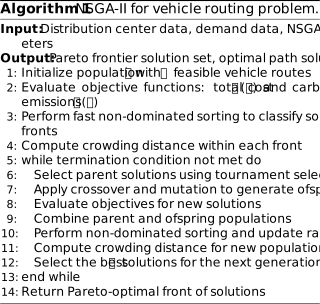
Algorithm 1.
4.2. MOPSO for Dual-Objection Problem
MOPSO extends the classical particle swarm optimization to handle multiple objectives. Each particle represents a potential solution, and its position and velocity are iteratively updated based on personal experience and information from the best global solutions. The algorithm uses an external archive to store non-dominated solutions and applies a crowding distance to maintain diversity 27.
In this study, MOPSO was adapted to the same problem representation as NSGA-II. The position of each particle corresponds to a routing plan, and its fitness is evaluated using the same dual objectives. During the iterations, the particles move toward the global and personal best solutions, gradually improving the balance between the cost and emission objectives. Mutations are occasionally introduced to enhance exploration and to avoid stagnation. The following pseudocode outlines the MOPSO algorithm used to solve the cold-chain vehicle routing problem, providing a clear description of its procedural steps (see Algorithm 2).
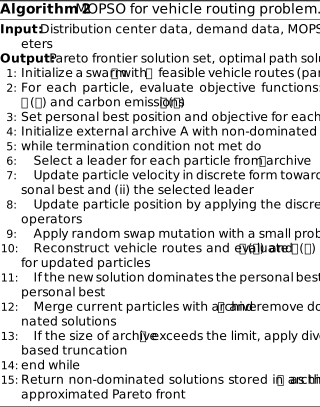
Algorithm 2.
4.3. Performance Evaluation
The performances of NSGA-II and MOPSO were evaluated through quantitative and qualitative analyses to assess their capabilities in solving the proposed dual-objective cold-chain routing problem. The evaluation focused on three main aspects: solution quality, distribution uniformity, and convergence behavior. Both algorithms were implemented under identical experimental settings, including the same population size, iteration number, crossover or learning parameters, and termination criteria, to ensure fairness in comparison. Three widely used performance metrics were adopted to evaluate the optimization results comprehensively: hypervolume, spread, and convergence. These indicators reflect the different dimensions of algorithmic effectiveness in multi-objective optimization.
Hypervolume: hypervolume measures the size of the objective space dominated by the obtained Pareto front and is bound by a reference point. A larger hypervolume value indicates better convergence and diversity, indicating that the solution set covers a wider and more optimal region in the objective space.
Spread: The spread index evaluates the uniformity of the solution distribution along the Pareto front. It is calculated based on the distances between consecutive non-dominated solutions. A smaller spread value implies that the solutions are more evenly distributed, indicating the good diversity and stability of the algorithm.
Convergence: This metric measures the proximity between the obtained solutions and the true Pareto-optimal front. A smaller convergence value reflects the stronger ability of the algorithm to approach the global optimum.
Using these criteria, the performances of NSGA-II and MOPSO were analyzed to identify their respective advantages. NSGA-II is generally expected to achieve stable and well-distributed Pareto fronts owing to its elitism and crowding distance mechanisms, whereas MOPSO is anticipated to exhibit faster convergence and broader exploration during early iterations. The evaluation provided a balanced and objective comparison of both algorithms to address the low carbon cold-chain routing problem.
5. Experiments and Results
Table 1. Model related parameter settings.
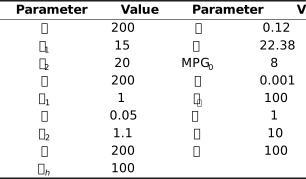
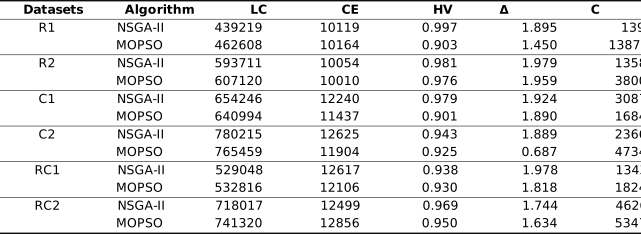
Table 2. Comparative performance of NSGA-II and MOPSO on benchmark instances.
This section presents the numerical experiments conducted to evaluate the effectiveness of the proposed dual-objective optimization model and compare the performances of the NSGA-II and MOPSO algorithms. The experiments were performed using the well-known Solomon benchmark dataset 28. The experimental scenario consisted of a single warehouse and multiple distribution centers, each with specific demand and service time constraints. All transported products require temperature-controlled conditions, and the objective is to determine the optimal delivery routes that minimize both logistics and carbon emission costs.
The model parameters used in the experiments are listed in Table 1. These parameters include the vehicle capacity, fuel consumption rate, refrigeration energy consumption, and other technical coefficients essential to the formulation of the cost and emission functions. All values were selected based on realistic assumptions made by industrial cold-chain logistics standards and validated through relevant literature to ensure the applicability and accuracy of the model.
For both algorithms, the population (or swarm) size was set to 500 and the maximum number of iterations was fixed at 100. The crossover and mutation rates for NSGA-II were set to 0.9 and 0.1, respectively. For MOPSO, the learning coefficients were \(c_1=c_2=2\), and the inertia weight \(w\) linearly decreased from 0.9 to 0.4. To evaluate and compare the two algorithms, three standard performance indicators were adopted: hypervolume (HV), spread (\(\Delta\)), and convergence (C).
Table 2 presents the comparative performances of the NSGA-II and MOPSO across the six benchmark instances for the dual-objective cold-chain vehicle routing problem. Both algorithms successfully generated high-quality Pareto fronts; however, their performance characteristics differed across the datasets. NSGA-II achieved lower total logistics costs (LC) and superior convergence values in most cases, indicating its stronger ability to approach the true Pareto-optimal region. In contrast, MOPSO produced slightly lower carbon emission (CE) values for several clustered and hybrid instances, suggesting better adaptability to problems with mixed or structured spatial patterns.
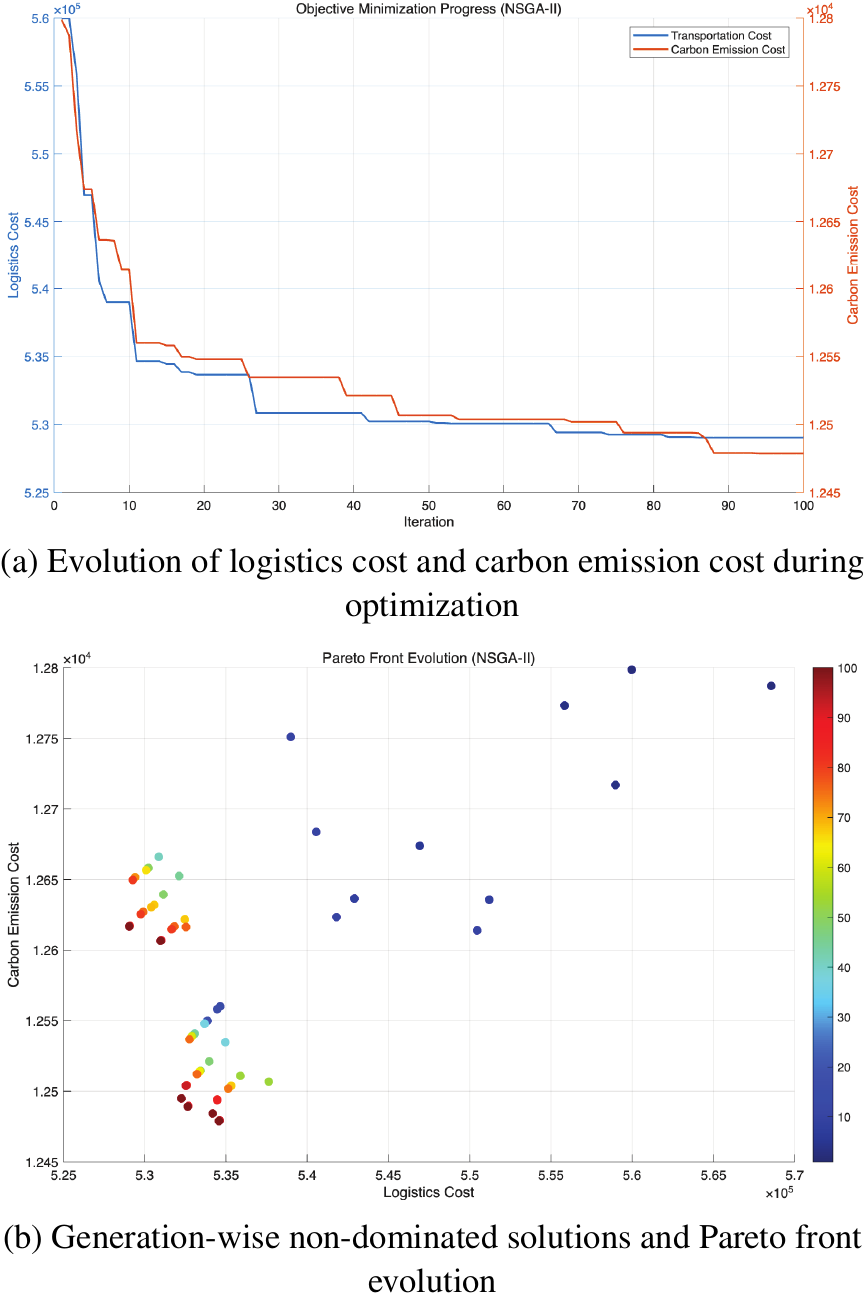
Fig. 2. NSGA-II optimization process for RC1 instance.
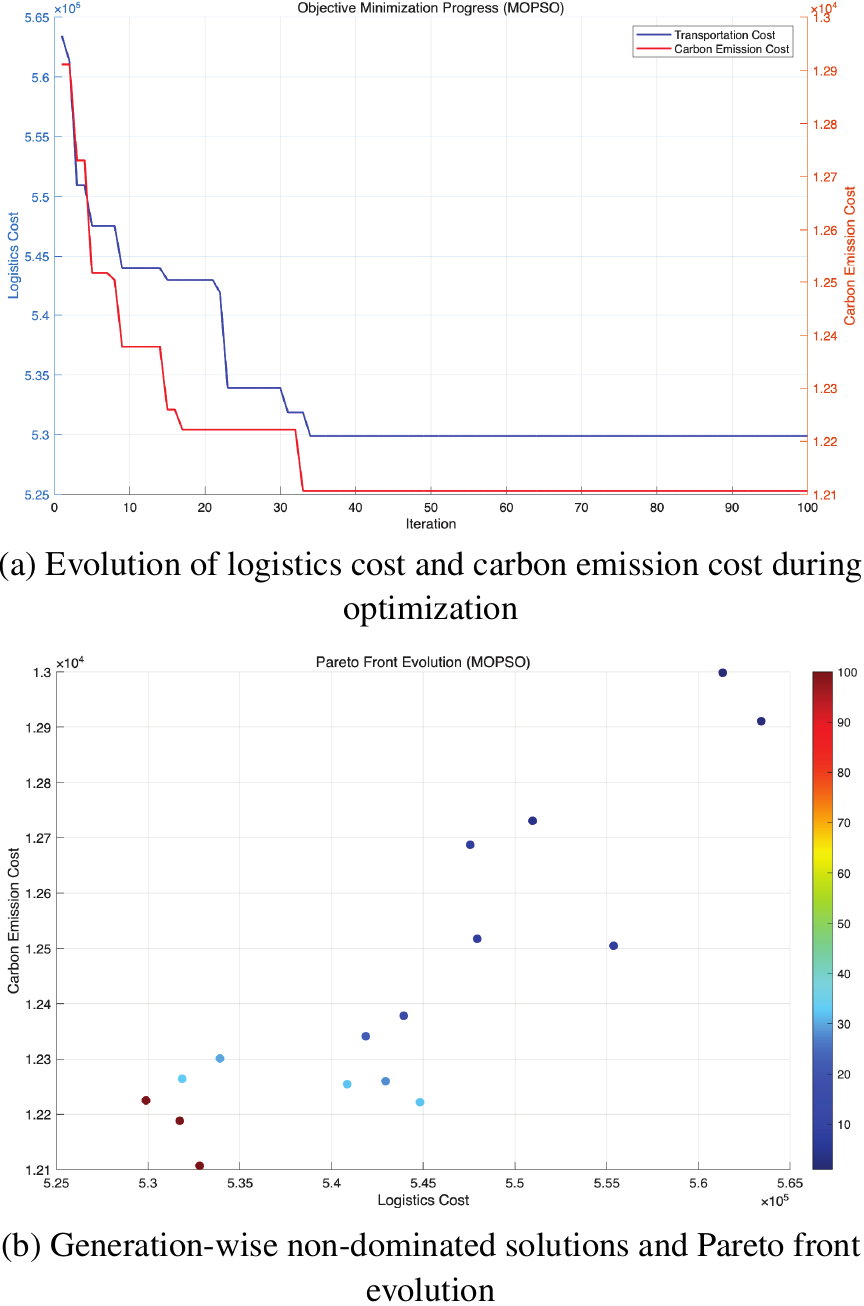
Fig. 3. MOPSO optimization process for RC1 instance.
Regarding the multi-objective performance indicators, NSGA-II consistently achieved higher HV values across all datasets, demonstrating a broader Pareto front coverage and better overall optimization quality. The spread values of the MOPSO were smaller in certain cases, implying a more compact but less diverse solution distribution. In terms of convergence, NSGA-II outperforms MOPSO, exhibiting significantly lower values across all instances, confirming its strong convergence stability, robustness, and higher computational accuracy.
NSGA-II demonstrated a superior balance between convergence precision and solution diversity compared with MOPSO. Its consistent performance across all benchmark instances reflects a stronger ability to approximate the true Pareto-optimal set while maintaining population diversity through its elitism and crowding-distance mechanisms. The lower convergence values achieved by NSGA-II indicate that its search process is more stable and less prone to premature stagnation, thereby producing solutions that are both accurate and evenly distributed along the Pareto front. In contrast, MOPSO exhibits rapid convergence in the early stages of the optimization and a greater capacity for global exploration, enabling it to identify a broader range of extreme solutions. However, its solution distribution tends to be less uniform, suggesting weaker diversity preservation. The comparative results confirmed that NSGA-II is particularly effective when high precision and solution stability are required, whereas MOPSO is better suited for applications that demand faster exploration and wider coverage of the objective space in cold-chain routing optimization.
The RC1 instance was selected as a representative example to further illustrate the optimization behavior of both algorithms. The RC-type instances in the Solomon benchmark set feature a hybrid customer distribution that combines randomly scattered and clustered customer locations. This mixed spatial structure increases routing complexity and enhances the interaction between logistics costs and carbon emission objectives. Therefore, RC1 provides a comprehensive and challenging scenario that effectively reflects the balancing characteristics of cold-chain vehicle routing problems, making it suitable for analyzing the evolutionary behavior of both NSGA-II and MOPSO.
Figures 2(a) and (b) show the optimization process of NSGA-II. Fig. 2(a) shows the evolution of logistics and carbon emission cost over 100 generations. Both objectives exhibit a rapid decrease during the early stages, followed by a steady convergence trend as the algorithm progresses. This demonstrates that NSGA-II efficiently explores the search space and gradually refines the solution set through elitism and crowding-distance preservation. Fig. 2(b) shows the generation-wise evolution of the Pareto front. As the iterations proceed, the non-dominated solutions move toward the lower-left region of the objective space, indicating simultaneous reductions in cost and emissions. The final Pareto front is well distributed and continuous, showing that NSGA-II maintains a balance between convergence accuracy and population diversity.
Figures 3(a) and (b) show the optimization behavior of the MOPSO algorithm under identical experimental settings. As shown in Fig. 3(a), both logistics cost and carbon emission cost exhibit a rapid and substantial decrease within the first 30 iterations, demonstrating the strong global exploration ability and rapid convergence of the swarm-based optimization mechanism. Following this initial improvement phase, the decline in both objectives becomes gradual, indicating that the MOPSO tends to converge early and may experience stagnation in later iterations. Fig. 3(b) shows the evolutionary process of the non-dominated solutions generated by MOPSO. The results show that the algorithm can identify a diverse range of solutions during early iterations; however, the final Pareto front appears relatively uneven and sparsely distributed compared with that of NSGA-II, suggesting that its capability to maintain population diversity weakens as convergence progresses.
The visualization results for the RC1 instance provided valuable insights into the distinct search dynamics of the two algorithms. NSGA-II demonstrates a smoother convergence process and generates a more evenly distributed Pareto front, whereas MOPSO achieves faster early-stage optimization and stronger global search capability. These observations are consistent with the quantitative metrics listed in Table 2, confirming that NSGA-II exhibits convergence stability and diversity preservation, whereas MOPSO is advantageous for the rapid exploration and discovery of extreme solutions. The complementary characteristics of these algorithms indicate their combined potential for solving complex low carbon cold-chain routing problems.
6. Conclusion
This study developed a dual-objective optimization model for low carbon cold-chain logistics routing that simultaneously minimizes total logistics cost and carbon emission cost. The model comprehensively integrates transportation, refrigeration, cargo damage, and holding costs together with emissions arising from fuel consumption and refrigeration energy use. Two representative multi-objective evolutionary algorithms, NSGA-II and MOPSO, were employed and compared under identical experimental conditions to efficiently solve the model. Benchmark tests based on the Solomon dataset further verify the validity, robustness, and practical applicability of the proposed framework.
The experimental analysis demonstrates that both algorithms can effectively generate Pareto-optimal solutions; however, they differ in their optimization characteristics. NSGA-II achieved a higher convergence accuracy and produced more uniformly distributed Pareto fronts, indicating strong stability and reliable diversity preservation. MOPSO exhibited faster convergence in the early stages and stronger global exploration ability, discovering a broader range of solutions across the objective space. Comparisons based on the hypervolume, spread, and convergence indicators confirmed that NSGA-II performed better in terms of convergence precision and uniformity, whereas MOPSO was more efficient in early-stage exploration. Visualization using the RC1 instance further confirmed these patterns: NSGA-II converged smoothly and generated balanced Pareto fronts, whereas MOPSO reached near-optimal regions quickly but with a less uniform distribution.
From a practical perspective, the proposed model provides a quantitative decision tool for balancing economic efficiency and environmental sustainability in cold-chain logistics. These results suggest that NSGA-II is preferable when stable and well-distributed solutions are required, whereas MOPSO is advantageous when rapid convergence and broad exploration are required. Future work may focus on combining the strengths of both algorithms or introducing adaptive learning mechanisms to further improve the convergence and diversity. Extending the framework to large-scale and real-time cold-chain networks will also enhance its value for sustainable logistics planning.
- [1] M. F. M. S. Mustafa, N. Navaranjan, and A. Demirovic, “Food cold chain logistics and management: A review of current development and emerging trends,” J. of Agriculture and Food Research, Vol.18, Article No.101343, 2024. https://doi.org/10.1016/j.jafr.2024.101343
- [2] B. M. Baker and M. A. Ayechew, “A genetic algorithm for the vehicle routing problem,” Computers & Operations Research, Vol.30, No.5, pp. 787-800, 2003. https://doi.org/10.1016/S0305-0548(02)00051-5
- [3] S.-X. Wang and C.-Y. Wei, “Demand prediction of cold chain logistics under B2C E-commerce model,” J. Adv. Comput. Intell. Intell. Inform., Vol.22, No.7, pp. 1082-1087, 2018. https://doi.org/10.20965/jaciii.2018.p1082
- [4] S. Verma, M. Pant, and V. Snasel, “A comprehensive review on NSGA-II for multi-objective combinatorial optimization problems,” IEEE Access, Vol.9, pp. 57757-57791, 2021. https://doi.org/10.1109/ACCESS.2021.3070634
- [5] T. M. Shami, A. A. El-Saleh, M. Alswaitti, Q. Al-Tashi, M. A. Summakieh, and S. Mirjalili, “Particle swarm optimization: A comprehensive survey,” IEEE Access, Vol.10, pp. 10031-10061, 2022. https://doi.org/10.1109/ACCESS.2022.3142859
- [6] P. Ghosh, A. Jha, and R. Sharma, “Managing carbon footprint for a sustainable supply chain: A systematic literature review,” Modern Supply Chain Research and Applications, Vol.2, No.3, pp. 123-141, 2020. https://doi.org/10.1108/MSCRA-06-2020-0016
- [7] J. Tang, K. Liu, and Q. Chen, “Study on cold chain logistics of vehicle routing problem for agricultural products,” Proc. of 2013 IEEE Int. Conf. on Service Operations and Logistics, and Informatics, pp. 317-322, 2013. https://doi.org/10.1109/SOLI.2013.6611433
- [8] C.-X. Huai, G.-H. Sun, R.-R. Qu, Z. Gao, and Z.-H. Zhang, “Vehicle routing problem with multi-type vehicles in the cold chain logistics system,” 2019 16th Int. Conf. on Service Systems and Service Management (ICSSSM), 2019. https://doi.org/10.1109/ICSSSM.2019.8887612
- [9] H. Deng, M. Wang, Y. Hu, J. Ouyang, and B. Li, “An improved distribution cost model considering various temperatures and random demands: A case study of Harbin cold-chain logistics,” IEEE Access, Vol.9, pp. 105521-105531, 2021. https://doi.org/10.1109/ACCESS.2021.3100577
- [10] F. Li et al., “Simulation and optimization of cold chain logistics system towards lower carbon emission: a state-of-the-art review,” Carbon Res., Vol.4, No.1, Article No.22, 2025. https://doi.org/10.1007/s44246-024-00191-4
- [11] G. Liu, J. Hu, Y. Yang, S. Xia, and M. K. Lim, “Vehicle routing problem in cold Chain logistics: A joint distribution model with carbon trading mechanisms,” Resources, Conservation and Recycling, Vol.156, Article No.104715, 2020. https://doi.org/10.1016/j.resconrec.2020.104715
- [12] N. Tao, H. Yumeng, and F. Meng, “Research on cold chain logistics optimization model considering low-carbon emissions,” Int. J. of Low-Carbon Technologies, Vol.18, pp. 354-366, 2023. https://doi.org/10.1093/ijlct/ctad021
- [13] M. Y. Appiah and S. Huaping, “Solving a low-carbon routing problem for perishable distribution food,” Int. J. of Sustainable Engineering, Vol.17, No.1, pp. 867-882, 2024. https://doi.org/10.1080/19397038.2024.2409157
- [14] K. Ransikarbum, N. Wattanasaeng, and S. C. Madathil, “Analysis of multi-objective vehicle routing problem with flexible time windows: The implication for open innovation dynamics,” J. of Open Innovation: Technology, Market, and Complexity, Vol.9, No.1, Article No.100024, 2023. https://doi.org/10.1016/j.joitmc.2023.100024
- [15] Z. Yuan, H. Ouyang, S. Li, E. H. Houssein, and N. A. Samee, “Multi-objective differential evolution algorithm integrating a directional generation mechanism for multi-objective optimization problems,” Applied Soft Computing, Vol.184, Part B, Article No.113791, 2025. https://doi.org/10.1016/j.asoc.2025.113791
- [16] Q. Bai, X. Yin, M. K. Lim, and C. Dong, “Low-carbon VRP for cold chain logistics considering real-time traffic conditions in the road network,” Industrial Management Data Systems, Vol.122, No.2, pp. 521-543, 2022. https://doi.org/10.1108/IMDS-06-2020-0345
- [17] Y. Li, M. K. Lim, and M.-L. Tseng, “A green vehicle routing model based on modified particle swarm optimization for cold chain logistics,” Industrial Management & Data Systems, Vol.119, No.3, pp. 473-494, 2019. https://doi.org/10.1108/IMDS-07-2018-0314
- [18] J. Chen, P. Gui, T. Ding, S. Na, and Y. Zhou, “Optimization of transportation routing problem for fresh food by improved ant colony algorithm based on tabu search,” Sustainability, Vol.11, No.23, Article No.6584, 2019. https://doi.org/10.3390/su11236584
- [19] S. Wang, F. Tao, and Y. Shi, “Optimization of location–routing problem for cold chain logistics considering carbon footprint,” Int. J. of Environmental Research and Public Health, Vol.15, No.1, Article No.86, 2018. https://doi.org/10.3390/ijerph15010086
- [20] Y. Li, M. K. Lim, W. Xiong, X. Huang, Y. Shi, and S. Wang, “An electric vehicle routing model with charging stations consideration for sustainable logistics,” Industrial Management & Data Systems, Vol.124, No.3, pp. 1076-1106, 2024. https://doi.org/10.1108/IMDS-08-2023-0581
- [21] S. Ubeda, F. J. Arcelus, and J. Faulin, “Green logistics at Eroski: A case study,” Int. J. of Production Economics, Vol.131, No.1, pp. 44-51, 2011. https://doi.org/10.1016/j.ijpe.2010.04.041
- [22] P. Gajendran and N. N. Clark, “Effect of truck operating weight on heavy-duty diesel emissions,” Environ. Sci. Technol., Vol.37, No.18, pp. 4309-4317, 2003. https://doi.org/10.1021/es026299y
- [23] A. Bozorgi, J. Pazour, and D. Nazzal, “A new inventory model for cold items that considers costs and emissions,” Int. J. of Production Economics, Vol.155, pp. 114-125, 2014. https://doi.org/10.1016/j.ijpe.2014.01.006
- [24] K. Deb, S. Agrawal, A. Pratap, and T. Meyarivan, “A fast elitist non-dominated sorting genetic algorithm for multi-objective optimization: NSGA-II,” M. Schoenauer, K. Deb, G. Rudolph, X. Yao, E. Lutton, J. J. Merelo, and H.-P. Schwefel (Eds.), “Parallel Problem Solving from Nature PPSN VI,” Lecture Notes in Computer Science, Vol.1917, pp. 849-858, 2000. https://doi.org/10.1007/3-540-45356-3_83
- [25] K. Li, D. Li, and D. Wu, “Carbon transaction-based location-routing- inventory optimization for cold chain logistics,” Alexandria Engineering J., Vol.61, No.10, pp. 7979-7986, 2022. https://doi.org/10.1016/j.aej.2022.01.062
- [26] A. K. Garside, R. Ahmad, and M. N. B. Muhtazaruddin, “A recent review of solution approaches for green vehicle routing problem and its variants,” Operations Research Perspectives, Vol.12, Article No.100303, 2024. https://doi.org/10.1016/j.orp.2024.100303
- [27] Y. Wang, J. Zhe, X. Wang, Y. Sun, and H. Wang, “Collaborative multidepot vehicle routing problem with dynamic customer demands and time windows,” Sustainability, Vol.14, No.11, Article No.6709, 2022. https://doi.org/10.3390/su14116709
- [28] M. M. Solomon, “Algorithms for the vehicle routing and scheduling problems with time window constraints,” Operations Research, Vol.35, No.2, pp. 254-265, 1987. https://doi.org/10.1287/opre.35.2.254
This article is published under a Creative Commons Attribution-NoDerivatives 4.0 Internationa License.