
Research Paper:
Impact of Artificial Intelligence on Employment Quality: Evidence from China
Hongyu Zhang, Xiang Li
 , and Tao Ding†
School of Economics and Management, Northeast Electric Power University
No.169 Changchun Road, Jilin, Jilin 132012, China
†Corresponding author

Amid the new wave of scientific and technological revolution, artificial intelligence (AI)—an emerging general-purpose technology—is profoundly transforming global employment structures, exerting a growing influence on developing countries in transition. Based on the panel data of 30 provinces in China from 2011 to 2022, this study proposes a fixed effect model, a lagged and mediated effect model to systematically explore the impact of AI development on regional employment quality and its transmission mechanism. The study demonstrates that AI significantly improves regional employment quality and shows significant regional heterogeneity, with the strongest effect in eastern China, the second in central China, and the weakest in western China; AI impacts employment quality with a notable lag owing to the time required for technology diffusion and labor skill adjustment. Upgrading of the industrial structure is an important intermediary path for AI to affect employment quality, and the differences between the industrial base and absorptive capacity of different regions aggravate the impact of policies on the quality of employment and their transmission mechanism. Differences in the industrial base and absorptive capacity of different regions exacerbate the unevenness of policy effects. This study suggests formulating AI development strategies based on regional factor endowments, optimizing industrial structure and workforce training system, improving policy support and regional coordination mechanism, and promoting benign interaction between AI and high-quality employment.
1. Introduction
Globally, artificial intelligence (AI) has emerged as the core driving force behind the latest wave of technological and industrial transformation. Advances in computing power, algorithm, and data accumulation are driving AI from research to widespread application. Developed countries have elevated AI to the level of national strategy, as exemplified by the U.S. National Strategic Plan for Artificial Intelligence, the EU White Paper on Artificial Intelligence, and Japan’s strategy for a “super-intelligent society.” These initiatives aim to reshape the global competitive landscape through technological innovation and secure a leading position in future development. In this context, AI is regarded as not only a key technology for enhancing total factor productivity and a driver of high economic growth but also an important indicator of national scientific and technological strength and institutional resilience.
However, despite its economic potential, AI presents unprecedented challenges to the global labor market. The widespread application of automation and intelligent technologies continues to reshape occupational structure and skill demands, particularly in middle- and low-skilled jobs, where substitution effects have become significant. According to the International Labor Organization (ILO) and the Organization for Economic Co-operation and Development (OECD), AI is expected to exacerbate employment polarization. While it boosts efficiency and fosters innovation—creating new opportunities for high-skilled labor—it also alters occupational structures, threatens job stability for some workers, and presents new challenges for social governance. Moreover, it reshapes the composition of occupations, weakens employment stability for some groups, and brings new tests to social governance. Therefore, realizing the dual goals of “technological progress” and “inclusive employment” has become a strategic imperative for assessing the quality of national development and institutional resilience.
As the world’s largest developing country, China possesses both the technological breakthrough capability of developed economies and the industrial depth and scale advantage of the labor force of emerging markets, which provides an irreplaceable research scenario for exploring the balanced path of “efficiency and quality.” Currently, China’s employment structure is characterized by a “pyramid sandwich”: high-skill jobs are expanding rapidly, middle-skill jobs are under increasing pressure from generative AI substitution, and bottom-level manufacturing jobs are facing the double impact of automation and industrial transfer. This structure differs from the high-skill dominance of Europe and the United States and the low-skill dependence of Africa, which typically reflects the structural transformation dilemma faced by middle-income countries. Against the backdrop of AI reshaping the global employment landscape, China, with its unique strategic location, market size, and governance practices, is a key sample for studying the relationship between AI and employment.
With the economy entering a new normal and the weakening traditional kinetic energy sector, China urgently needs to realize high-quality development through the development of “new quality productivity.” AI has been positioned as a key driver for overcoming growth bottlenecks and enhancing international competitiveness. At the national level, a series of strategic documents—such as the New Generation Artificial Intelligence Development Plan—have been issued to promote the deep integration of AI with the real economy, thereby empowering the upgrading of traditional industries and fostering new growth drivers in emerging sectors. However, the other side of the widespread application of AI technology is the deep reconstruction of the labor market, which has a systematic impact on the quantity, structure, and quality of employment. Employment is a core indicator of high-quality development and a key fulcrum for realizing common prosperity. At present, China is facing the dual pressure of gradually fading demographic dividends and avoiding the middle-income trap. Simply expanding the scale of employment can no longer support sustained development; therefore, it is necessary to shift the focus to improving the quality of employment, including upgrading employment skills, enhancing the employment environment, and strengthening labor protection. To optimize the employment structure, upgrade digital skills, and prevent employment risks caused by technological change, the core lies in promoting the transformation of labor resources from “quantity dividend" to “quality dividend," and ensuring that the fruits of technological progress are equitably and fairly distributed.
2. Literature Review
In this context, the transformative impact of AI on the employment market has become increasingly evident, making it a central focus of academic research. Cai and Chen 1 noted that AI drives high-quality economic growth through substitution, creation, and structural effects, which creates high-income jobs and simultaneously triggers employment polarization and widening of the income gap. Acemoglu and Restrepo 2 argued that while automation can increase productivity, it reduces the labor force’s share of tasks in production through the substitution effect, which lowers the labor income share and potentially dampens labor demand. However, the creation of new tasks increases the labor’s share of tasks through the restoration effect, which can effectively offset the negative effects of automation. Gu et al. 3 further revealed that it optimizes the employment structure through a triple mechanism but intensifies cross-industry competition for middle-skilled labor, highlighting the structural concerns and multidimensional complexity behind the quantitative rise in employment.
The nature of employment differentiation stems from the skill divide and group heterogeneity. Huang and Dong 4 found that AI forces the labor market to become knowledge-intensive by asymmetrically altering the marginal output of factors, systematically replacing low-skilled jobs, and expanding demand for high-skilled jobs. This process affects different groups differently. Ramaswamy et al. 5 argued that while automation may displace some low-skilled jobs, there has been no significant decline in overall employment; the labor market has demonstrated a structural shift—characterized by the contraction of low-skilled routine jobs alongside the generation of demand for new skill types. But Li et al. 6 found that, based on data from China’s mobile population, industrial robots significantly increase employment rates for the low- and high-education groups, while squeezing the middle-education group. More critically, Marina et al. 7 warned that highly educated individuals might still be marginalized by technology if they lack AI skill adaptation, reflecting the erosion of skill mismatches in the quality of employment.
At the heart of the heterogeneous impacts described above lies the fact that AI reshapes employment structures through different pathways. Lu and Gui 8 noted that AI exacerbates the mismatch between supply and demand in the labor market, leading to income polarization and the erosion of employment opportunities for disadvantaged groups, characterized by declining job stability, inadequate social security, and a weakening of occupational identity. This crisis echoes the lack of rights and benefits revealed by Yin et al. 9, in which workers in the algorithmic management mode face a new type of employment quality depletion, such as the invisibility of work intensity and loss of voice in decision-making. Damioli et al. 10 further revealed that workers in SMEs are more prone to fall into the “low-quality employment trap” owing to the lag in technology diffusion, confirming that differences in resource endowments are key to employment differentiation.
In summary, the existing literature has revealed the deep-rooted impacts of AI on employment, particularly the reconfiguration of employment structures and the intensification of group heterogeneity, in a more systematic way, from macro trends and mechanism paths to micro individuals. However, while the existing literature provides rich perspectives, there are certain limitations in the existing research. First, the lack of research dimensions, overly focused on the quantity, structure, and macro distribution of employment, and the lack of in-depth systematic analysis of the core dimensions of employment quality make it difficult to accurately assess the actual risk and development of workers. Second, there is a lack of timely data, with much of the existing empirical evidence relying on pre-epidemic data from before 2020. However, the new crown epidemic, as a major shock, has profoundly reshaped economic operations, industrial adjustment, and labor market ecology, and has significantly accelerated digital/intelligent penetration. In the post epidemic era, the multiple requirements of telecommuting, the platform economy, industry chain reconstruction, and efficiency toughness have prompted AI to integrate deeply and rapidly into the economy, society, and employment. Therefore, conclusions based on pre-pandemic data make it difficult to capture the true dynamics of the current and future impacts of AI on employment quality. Third, regional heterogeneity was overlooked. The compound effect of the epidemic impact and the accelerated application of AI have manifested differently in different regions of China, and the underlying mechanisms (e.g., differences in industrial structure, technological infrastructure, and policy responses) have not yet been fully explored, which may lead to a superficial understanding or even misjudgment.
Therefore, in-depth analysis of the significantly differentiated impacts of AI on employment quality in different regions of China in the post epidemic era and clarification of the complex mechanisms behind them are of great practical significance to the central and local governments, as they should effectively respond to the employment impacts of intelligent transformation and accurately implement policies to promote high quality and full employment. Constructing a systematic theoretical framework for the impact of AI on employment quality has key academic value at the theoretical level. Although the impact of AI on employment has received widespread attention, relevant theoretical research on the impact of AI on employment quality is lagging, and there is a lack of systematic theoretical models with explanatory power. By constructing a theoretical framework, we can integrate existing fragmented research results, sort out the internal logic and transmission mechanism of the impact of AI on employment quality, and provide academics with a comprehensive and systematic analytical tool by constructing a fixed-effect model, a mediated-effect model, and adding lag analysis. This helps to deepen the understanding of AI and employment quality and provides a basis for future researchers to verify and expand the theory in different contexts, further enriching the application of labor economics, industrial economics, and other disciplines.
In this study, we selected panel data from 30 provinces in China from 2011 to 2022 and systematically explored the impact and mechanism of AI development on employment quality by comparing the level of AI development and employment quality using the fixed effect model. This study is structured as follows: first, to empirically test the impact of AI development on employment quality and explore the differences in the effects of AI on employment quality in different regions; second, to empirically test whether AI development has a lag; third, to analyze the mechanism by which AI development affects employment quality, select industrial structure as the mediator variable, and confirm that through the mediating effect of industrial structure, AI promotes employment quality, which, in turn, promotes improvements in employment quality.
3. Theoretical Analysis and Research Hypothesis
3.1. Baseline Hypothesis: AI, Regional Heterogeneity, and Employment Quality Growth
The impact of AI on regional employment quality presents multidimensional complexity. This complexity stems from systematic differences in regional natural conditions, inter-regional factor endowments, industrial structures, and institutional environments, and interacts through the following mechanisms.
First, regional industrial structure is the key substrate for determining the balance between substitution and creation effects 11. Regions dominated by traditional manufacturing and low-end service industries, such as labor-intensive industrial agglomerations, face a more severe risk of job loss and declining employment quality owing to the automated substitution attributes of AI 12; regions dominated by knowledge-intensive service industries and R&D and innovation are more likely to stimulate AI’s creative compensation, relying on their human capital strengths and the technological sophistication of their industry effect 13, generate high-skill jobs, and improve employment quality. Second, the match between the skill structure of the labor force and technology demand constitutes a core bottleneck or springboard. The problems of low education level, aging age structure, and skill mismatch of the labor force will significantly amplify the negative impact of AI in regions lagging behind in transformation and upgrading, leading to the intensification of structural unemployment and income differentiation 14; contrarily, enhancing the level of human capital can effectively strengthen the positive moderating effect of AI on the employment environment and wage outcomes. Regional differences in the capacity of labor force skill upgrading directly determine whether technological substitution pressures can be transformed into opportunities for quality improvement 15. Third, the regional innovation ecology and digital infrastructure lay the foundation for technological transformation. Strong research institutions, venture capital networks, and a new digital infrastructure constitute the core vehicles for attracting AI investment 16. Such regions can incubate innovative enterprises, such as AI algorithm developers and smart equipment manufacturers, and create high-quality jobs, such as data analysts and human-computer collaboration administrators, through technological spillover, forming a closed loop of upgrading “technology–industry–employment.” Regions that lack such support hardly receive technological dividends. Fourth, the policy intervention system serves as a core lever to reduce volatility and guide positive effects. Local governments can proactively regulate the impact of AI through multidimensional policy tools: industrial policy to guide the penetration of technology into high-value-added areas, skills development policy to ease labor mismatch, and social security and ethical regulation to avoid the risk of technology abuse. Differences in the speed and strength of policy responses significantly affect the ability of regions to resolve substitution shocks and amplify the synergistic effects 17. Fifth, the agglomeration characteristics of the AI factors and their spatial effects exacerbate the unevenness of regional development. The AI industry is highly dependent on the spatial synergy of technology, capital, and high-end talent 18. However, capital, talent, and technological resources continue to exhibit hyper-agglomeration in a limited number of central cities. This concentration intensifies the core-periphery divergence among regions through siphon effects, consequently leading to a structurally widening trend in employment disparities.
It can be observed that the penetration and application of AI technology will inevitably produce heterogeneity in the quality of employment in different regions, and its long-term path is full of uncertainty, precisely because of the systematic differences in key factors such as geographic location, industrial structure, human capital endowment, innovation infrastructure, policy environment, and the degree of agglomeration of factors as a result of such differences between regions. Based on an in-depth analysis of this multidimensional complexity, this study puts forward the first research hypothesis, which was verified with empirical data from the East, Central, West, and Chinese regions.
Hypothesis 1: AI has a significant positive impact on employment quality and is heterogeneous, depending on regional factor endowments.
3.2. Mechanism Hypothesis: AI, Industrial Structure, and Employment Quality
As a general-purpose technology, AI drives the leapfrogging of industrial structures by reshaping the allocation and combination of production factors. According to Schumpeter’s theory of creative destruction, its technological impact breaks the traditional industrial equilibrium and significantly reduces transaction costs in sectors with low substitution elasticity—particularly in manufacturing and productive services. This process accelerates industrial integration, increases the share of productive services, and drives the transformation and upgrading of the industrial structure. Simultaneously, the Mathieu–Clarke theorem reveals that the upgrading of the industrial structure is inevitably accompanied by the flow of labor factors to high-value-added sectors, which systematically improves the quality of regional employment through the enhancement of total factor productivity and the expansion of high-quality jobs.
AI affects the regional employment quality by promoting changes in the industrial structure, which is called the industrial structure effect in this study. First, there is a significant dynamic interaction effect between AI and industrial structure optimization. Overall, AI technology can significantly promote the heightened and advanced industrial structure, and through industrial integration, it improves the production efficiency, enhances the scalability and innovation ability of the industry, and promotes the advanced nature of the industrial structure 19. In particular, manufacturing and productive services play a driving role when the elasticity of substitution is low, thereby increasing the proportion of productive services and driving the transformation and upgrade of industrial structure 20. However, a significant promotional relationship exists between industrial structure adjustment and upgrading, and employment structure and employment quality. The optimization of the industrial structure can significantly boost the growth of employment quantity 21, and the upgrading of the industrial structure has a sustained positive impact on employment quality 22. However, the study also highlights the complexity and variability of its impact and the regional heterogeneity of the impact of industrial structure optimization on the role and prospects of employment quality enhancement 23. Based on the above findings, AI can drive industrial structure transformation, whereas industrial structure optimization has a positive effect on enhancing employment quality. This leads to the second research hypothesis of this study, which is verified using empirical data from East, Central, West, and China.
Hypothesis 2: AI affects employment quality through the industrial structure, and the transmission mechanism is heterogeneous depending on regional factor endowments.
4. Research Design
4.1. Modeling
To explore the effect of AI on regional employment quality, the baseline regression model in Eq. \(\eqref{eq:1}\) is constructed as follows:
In Eq. \(\eqref{eq:1}\), the explanatory variable \(\mathit{Employment}_{\mathit{it}}\) denotes the employment quality of province \(i\) in year \(t\), which is used to characterize the regional labor market development. The core explanatory variable \(\mathit{AI}_{\mathit{it}}\) denotes the AI patents in province \(i\) in year \(t\), which is replaced by the natural logarithm of the number of AI patent applications in province \(i\) in year \(t\) during the analysis process. The control variables are \(\mathit{Control}_{\mathit{it}}\), including the social security level \(\mathit{ssl}_{\mathit{it}}\), marketization level variable \(\mathit{market}_{\mathit{it}}\), fixed capital investment rate variable \(\mathit{fixrate}_{\mathit{it}}\), foreign capital dependence variable \(\mathit{fdirate}_{\mathit{it}}\), degree of government intervention variable \(\mathit{gov}_{\mathit{it}}\), research and development intensity variable \(\mathit{rd}_{\mathit{it}}\), and degree of openness to the outside world variable \(\mathit{open}_{\mathit{it}}\). \(I_{\mathit{i}}\), \(T_{\mathit{t}}\), \(\beta_0\), and \(\varepsilon_{\mathit{it}}\) denote prefecture-level city fixed effects, year fixed effects, constant terms, and random disturbance terms, respectively.
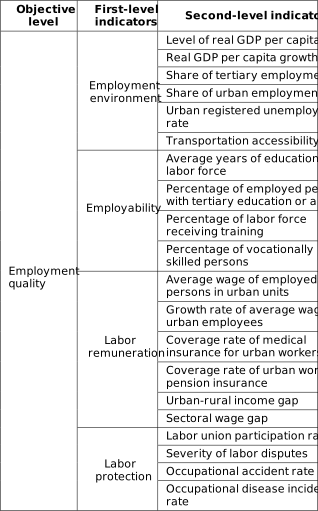
Table 1. China provincial employment quality evaluation indicator system.
4.2. Variable Measurement and Explanation
4.2.1. Explained Variables
Existing studies generally define and measure employment quality at both macro and micro levels. In this study, we adopt the design of the employment quality evaluation index system of Qi 24, as shown in Table 1, and the selected indexes are computed through four subjective and objective assignment methods, which are entropy weighting method, CRITIC method, equal weighting method, and combination assignment method to get the final score of employment quality.
4.2.2. Explanatory Variables
In recent years, patent applications related to AI and intelligent robots have increased. The World Intellectual Property Organization (WIPO) clearly indicated in its WIPO Technology Trends 2019 Artificial Intelligence report that patent data are a key indicator for tracking the development of AI technology, as they directly reflect the intensity, direction, and technological breakthroughs of innovation activities. The OECD further supports this view in its measuring AI innovation whitepaper, suggesting that patent filings are a key signal for identifying the movement of AI technologies from lab to market adoption, and that a high patent density usually signals an increase in technological maturity and acceleration of industrial deployment.
Compared with other potential indicators, the number of artificial patent applications has a significant advantage. Patent data are standardized and publicly available, and it is difficult to distinguish the quality and scale of technology by simply counting the number of AI companies, whereas each patent is subject to examination and represents the novelty of the technology. Statistics on the number of AI products or services face the problem of confusing statistical caliber and susceptibility to subjective influence, while patent data rely on the internationally unified classification system (IPC/CPC) with consistent evaluation standards.
In summary, this study selected the number of AI patent applications as the explanatory variable and used a combination of IPC and keyword searches to more accurately and comprehensively identify patents related to AI technology.
4.2.3. Control Variables
According to economic theory and existing research, this study selected the level of social security, level of marketization, rate of investment in fixed capital, dependence on foreign investment, degree of government intervention, intensity of R&D, and degree of opening up to the outside world as the control variables 25,26, as the main factors affecting the coordinated development of the regional economy in addition to AI technology.
Social security level (social security level hereinafter referred to as \(\mathit{ssl}\)): the social security level is generated by selecting the provincial social security and employment expenditure data and calculating its share in the general budget expenditure of the year.
Marketization level (\(\mathit{market}\)): data for 2022–2019 were obtained using the Fan Gang China Marketization Index report 27,28, as the report is only disclosed until 2019. Therefore, the marketization index data for 2019 and before were used in the original data in the report because of the continuity and stability of the external environment. The 2020–2022 marketization index was calculated using the average growth rate of the concept marketization index as a variable of the level of marketization.
Fixed capital investment rate (\(\mathit{fixrate}\)): The data on total fixed asset investment in the province were selected, and its proportion to the regional GDP of the year was calculated to generate the fixed asset investment rate.
Dependence on foreign capital (\(\mathit{fdirate}\)): We selected the total foreign direct investment data of the province, calculated its share in the regional GDP of the year, and generated dependence on foreign capital.
Degree of government intervention (\(\mathit{gov}\)): We selected the data on the total local general budget revenue of the province, calculated its proportion in the GDP for the year, and generated the degree of government intervention.
R&D intensity (\(\mathit{rd}\)): We selected the data on the total science and technology expenditures of the province, calculated the proportion of local general public budget expenditures in the current year, and generated R&D intensity.
Degree of openness to the outside world (\(\mathit{open}\)): We selected the provincial total import and export of goods data and calculated the proportion of the current year’s GDP to generate the degree of openness to the outside world.
Based on the availability of data for each variable, this study selected data from 30 provinces in China (excluding Tibet, Hong Kong, Macao, and Taiwan) from 2011–2022 as the research sample, and the data for each indicator came from the National Bureau of Statistics of China, State Intellectual Property Office, China Labor Statistical Yearbook, China Science and Technology Expenditure Statistical Bulletin, China Statistical Yearbook, and statistical yearbooks of each province.
In this study, we adopted the “trichotomy,” method of regional division, that is, dividing China into three major zones, namely, East China, Central China, and West China, as the framework for analyzing regional economic differences. This choice was based first on the authority and accessibility of official statistics. As national and local statistical departments have long been releasing and summarizing key macroeconomic data based on this framework, it ensures data continuity, consistency, and comparability, and prevents the subjectivity and convergence biases associated with self-defined regional classifications. Second, the trichotomy method can effectively capture and reflect the core and most significant gradient development characteristics of China’s regions, that is, the systematic differences in the level of economic development, the degree of openness to the outside world, the state of infrastructure, and the stage of industrialization and urbanization from east to west, providing a clear and widely recognized structural perspective for analyzing regional imbalances at the macro level.
Table 2. Thirty provinces divided into regions.
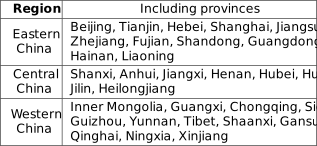
Therefore, the 30 provinces were categorized as East, Central, and West according to the “three major zone ” criteria in the 2023 edition of the China Statistical Yearbook, as summarized in Table 2.
Table 3 lists the descriptive statistics of all the variables of the 30 Chinese provinces used in the empirical analysis of this study.
Table 3. Descriptive statistics of variables.
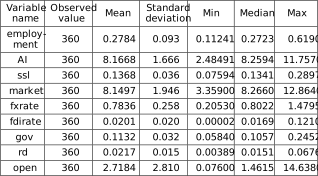
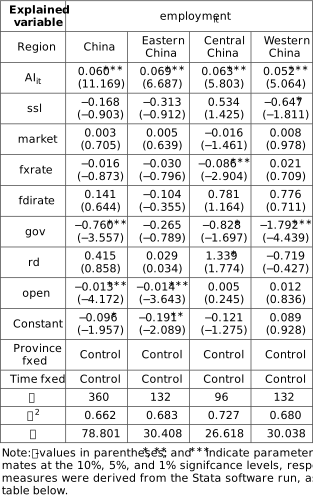
Table 4. Effect of AI on employment quality by region: benchmark regression.
5. Empirical Results
5.1. Analysis of Benchmark Regression Results
First of all, the results of column 2 in Table 4 show that AI has a significant positive impact on the quality of employment within China. For every 1% increase in AI, the quality of employment within China increases by 0.060%, and the results pass the test at the 1% significance level. As a general technology, AI can optimize resource allocation and enhance productivity through data-driven optimization, thereby improving employment quality. At the policy level, the Chinese government has vigorously promoted the strategy of “Internet Plus” and “Intelligent Manufacturing” in recent years, encouraging enterprises to adopt AI technology to improve production efficiency. These policies have promoted the popularization and application of AI technology to a certain extent, laying a foundation for improving employment quality. Further analysis showed heterogeneous results across regions.
The coefficients of the explanatory variables are equally significant in Eastern China, with a stronger impact than in China. For every 1% increase in AI density, the quality of employment in Eastern China increases by 0.069%, and the result passes the test at the 1% significance level. This result is closely related to factor endowment, industrial structure, and policy support in Eastern China. As the most economically developed region in China, Eastern China has long been a leader in technological innovation and industrial upgrades. From the perspective of factor endowment theory, Eastern China has a high proportion of capital- and technology-intensive industries. The application of AI technology can effectively replace low-skilled labor while generating demand for high-skilled jobs, thereby realizing a Pareto improvement in factor allocation. This enhances the overall quality of employment. From the viewpoint of industrial transfer theory, as the core area of industrial transfer, Eastern China accelerates the transfer of labor-intensive industries (e.g., textile and electronic assembly) to Central and Western China through AI while promoting the upgrading of local industries to high-value-added segments such as R&D, design, and digital services. The factor resources released by the transfer of industries further strengthen the concentration of technology-intensive industries, forming a positive cycle of industrial upgrades and improvements in employment quality. From the perspective of Clark’s law, the tertiary industry accounts for a relatively high proportion of the labor force and has undergone an advanced transition from industry to the service sector. By enhancing the efficiency of the productive service industry, AI promotes the emergence of high-value-added service jobs, aligning with the general pattern of industrial structural evolution. Meanwhile, in terms of policy, local governments in Eastern China have actively implemented a national “innovation-driven” strategy and introduced tax incentives, R&D subsidies, and other policies to encourage enterprises to upgrade their technology and apply AI, providing a favorable policy environment for the implementation of AI technology.
In Central China, the coefficient of AI is 0.063, and the result passes the test at the 1% significance level, which is slightly lower than that of Eastern China, but still has a significant positive impact. In recent years, under the support of the strategy of “Central China Development,” the infrastructure of central China has been gradually improved, and the capacity of industrial transfer and acceptance has been enhanced. From the perspective of factor endowment theory, the labor factor is abundant, but the technology factor is insufficient, and AI has formed a mixed application mode of “technology-labor” in manufacturing, such as industrial robot-assisted production. However, weak capital accumulation constrains the deep penetration of technology, resulting in a weaker effect than in Eastern China. From the viewpoint of the industrial transfer theory, Central China, as a place for industrial transfer from Eastern China, has gradually optimized its industrial structure by introducing advanced technologies and industries from Eastern China and taking advantage of its own labor and land costs. However, most inherited industries are at the middle and low ends of the value chain, such as electronic equipment OEM, and AI mainly optimizes production efficiency rather than creating high-skilled jobs, thereby limiting the magnitude of the improvement in employment quality. According to Clark’s law, in the middle of industrialization, the labor force is shifting from agriculture to industry. AI accelerates efficiency gains in manufacturing and drives industrialization. However, the lagging service sector hinders the labor force from leapfrogging into higher-productivity sectors. Despite the late start of AI development in Central China, the government’s industrial policy support and financial investment have guaranteed the introduction and application of AI technologies. In particular, through the construction of industrial parks, Central China rapidly developed a relatively complete industrial chain, and the facilitating effect of AI gradually emerged.
However, in Western China, the coefficient of AI is 0.052. This result passes the test at the 1% significance level, and the impact is significantly lower than that in Eastern and Central China. Western China has a low level of AI development and slow regional economic growth, and lacks sufficient support for the application of AI technology. Leading industries in Western China are mostly resource-based and labor-intensive. From the viewpoint of factor endowment theory, natural resources dominate the economy, and technological factors are scarce. AI is limited to resource monitoring and other low-value-added links, and it is difficult to replace inefficient agricultural and resource industry labor. Factor mismatch leads to weak employment quality improvement. From the perspective of industrial transfer theory, far from the core area of industrial transfer, infrastructure is weak, and the industrial chain is defective, forming a “low-end lock” effect. Most host industries are high-pollution and high-energy-consumption industries, and there is a lack of application scenarios for AI technology. Therefore, the transfer of industries fails to promote technological upgrading. According to Clark’s law, the primary industry accounts for a relatively high proportion of labor force stagnation in the low-productivity sector. With economic development, labor should be transferred from agriculture and resource-based industries to industry and services. However, the homogeneity of the industrial structure in Western China restricts the transfer of labor and skill upgrades, and the application of AI technology is difficult to promote. Although the state has implemented the “Western China Development” strategy for Western China, the policy dividends are more reflected in infrastructure construction and resource development, with relatively limited investment and support for emerging technologies such as AI.
Overall, AI has contributed to the growth of employment quality in China, as well as in the Eastern, Central, and Western regions, but with different effects. According to the theory of comparative advantage, AI has the strongest positive promotional effect in the Eastern region of China, followed by the Central and Western regions, thus verifying Hypothesis 1. Together, these results indicate heterogeneity in the effect of AI on employment quality growth in each region.
Table 5. Model lag order test results.
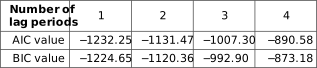
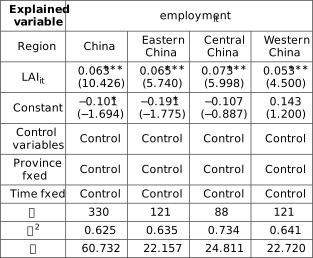
Table 6. Regression results of AI lagged variables on employment quality.
5.2. Analysis of the Lagged Impact of AI Technology
In this study, the fixed-effects model combined with the AIC and BIC information criteria was used to determine the optimal lag period 29, the core rationale of which is that the method can effectively control individual heterogeneity, objectively weigh the model complexity and goodness-of-fit, and by enforcing that all the lagged models are in the same sample interval, eliminate the distortion of the information criterion values by the differences in sample size, ensure that the selection results are robust, and guarantee comparability.
Under the analytical framework of uniformly setting the maximum lag to four periods, we systematically estimated and calculated the information criterion values for lag models of orders one to four. The test results are listed in Table 5. The results show that the lag one model is the optimal choice, and its AIC value (\(-\)1232.25) and BIC value (\(-\)1224.65) are significantly lower than those of other lag-order models. This finding is statistically robust: the lagged fourth-order model was included in the comparison; however, its sample size was reduced by 33% (from 360 to 240) compared to the benchmark, reflecting the fact that higher-order lags trigger excessive sample loss and estimation instability. Therefore, by combining the advantages of the information criterion with the reliability of the model, one lag was determined as the optimal lag period.
Therefore, this study constructs the variable of the one-period lag of the number of AI patents (\(\mathit{LAI}_{\mathit{it}}\)), and the regression correlation results are summarized in Table 6. It can be observed that the AI variable lagged by one period can still have a significant positive impact on regional employment quality, and the regression coefficient is significantly positive at the 1% level, indicating that AI has produced a significant and long-lasting enhancement effect on the growth of regional employment quality.
The impact of AI on employment usually has a lagging effect. This is because the iterative optimization of the technology itself takes time to accumulate, and the complementary inputs of technological applications also take a longer time to identify and perfect. According to the theory of technology diffusion, it takes time for new technologies to be widely applied in various industries and regions after they are successfully developed. After the birth of AI technology, it took time to improve its related algorithms, models, hardware, and other infrastructure, and there were differences in the willingness to apply the technology, investment capacity, and infrastructure support among different enterprises, industries, and regions. However, according to human capital theory in labor economics, the formation of workers’ skills is path-dependent, and when AI creates demand for new jobs, the original workforce should invest time in learning new skills to match jobs. Concurrently, there is information asymmetry and friction in the labor market, and the matching of new jobs and unemployed people requires two-way grinding, which means that employment does not show drastic changes in the short term and produces a lag effect.
5.3. Endogeneity Test and Stability Test
This study focuses on endogeneity problems caused by omitted variables, reverse causation, measurement error, and selection bias between AI advancement and employment quality growth. To further identify the causal relationship between the two, this study uses three methods, namely the instrumental variable (IV) method, replacement of explanatory variables, and addition of control variables, to conduct endogeneity treatment and robustness tests on the results of the benchmark regression, the results of which can be found in.
Table 7. Endogeneity test and robustness test.
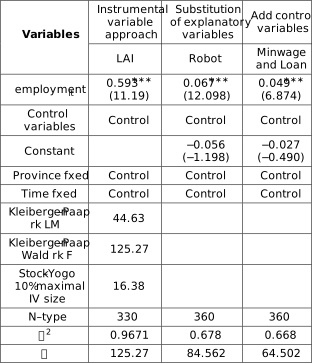
Considering the endogeneity problem, this study takes the AI variables lagged by one period as instrumental variables and re-estimates the benchmark model using instrumental variables. Based on the empirical results in Table 7, it is shown that considering that the endogeneity case passes the 1% significance test without the role of reverse causality, and the instrumental variable validity is verified by double verification, the Kleibergen–Paap rk LM statistic rejects the assumption that the instrumental variable is not identifiable, and the Wald rk F statistic is well above the Stock–Yogo threshold, which confirms that the instrumental variable has both strong correlation and exogeneity, satisfying the requirements for measurement inference.
The robustness test further supported the reliability of the regression. Using the density of industrial robot installation as a replacement explanatory variable for the robustness test, the baseline model was re-estimated, and the coefficient of the AI maintained a significant positive value of 0.067. After adding the control variables of minimum wage and credit size, the coefficient remained stable at 0.049, and the results passed the test at the 1% significance level, eliminating the interference of other factors on the model results. The direction and statistical strength of both were consistent with the benchmark, and there were no abnormal fluctuations in the explanatory power of the model, indicating that the conclusion of the endogeneity test was not disturbed by the model setting or variable definition.
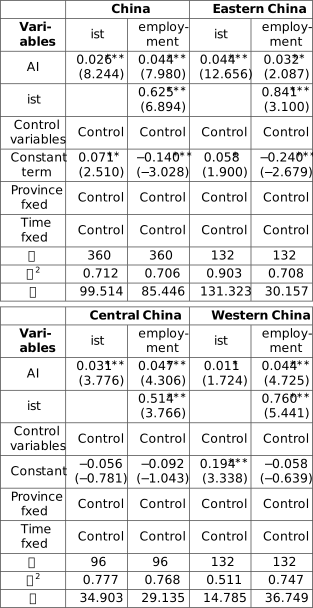
Table 8. Mediation effect test results of the industrial structure.
5.4. Analysis of the Transmission Mechanism
To explore the existence and rationality of the industry structure transmission mechanism of AI on employment quality growth in Hypothesis 2, this study draws on Hayes and Andrew to construct the following recursive equation to test the transmission mechanism in turn 30:
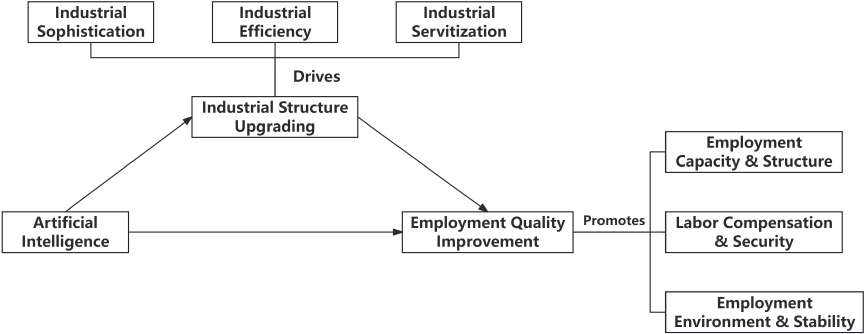
Fig. 1. Transmission mechanism from AI to employment quality.
Within China, AI has a significant positive effect on industrial structure (regression coefficient 0.026), while industrial structure upgrading promotes employment quality more prominently (regression coefficient 0.625); both are significant at the 1% level. Within China, AI enhances production efficiency, and its current technological penetration primarily influences the labor market through the process of industrial transformation. This pattern aligns with the general law governing the evolution of the service industry, as the increasing intelligence of the manufacturing sector gradually drives labor migration toward technology-intensive service fields, thereby forming the fundamental pathway for improving employment quality. The transmission mechanism through which AI affects employment quality is shown in Fig. 1.
In Eastern China, the driving effect of AI on industrial structure is the most significant (regression coefficient 0.044), and the intensity of the impact of industrial structure upgrading on employment quality tops the list (regression coefficient 0.841), all of which are significant at the 1% level. Eastern China can better absorb and utilize new technologies because of its stronger economic foundation, better infrastructure, and higher levels of science and technology. According to the theory of regional economics, the economic development of Eastern China is more mature, and it can quickly adapt to the changes brought about by technological progress, particularly in the expansion of high-tech and service industries. The productive service industries spawned by the intelligent transformation of advanced manufacturing industries effectively absorb labor, superimposed on the changes in supply and demand in the labor market, such as the return of rural migrant workers, resulting in structural shortages, forming a mutual reinforcement pattern of technological application and employment enhancement. This creates a pattern of mutual reinforcement between technological applications and employment enhancement. This is consistent with the theory of industrial structure, which states that technological progress can accelerate the optimization of industrial structures and increase the number of high-quality jobs.
In Central China, AI positively affects local industrial structure (regression coefficient 0.031); however, the strength of the transmission from industrial structure to employment quality is relatively weaker (regression coefficient 0.514), and both are significant at the 1% level. This suggests that Central China has achieved better results in the application of technological progress. Although the level of economic development in Central China is not as high as that in Eastern China, it still has a good industrial foundation and the ability to absorb technology. As a traditional manufacturing agglomeration, the penetration of automation technology into low- and medium-skill jobs is more evident, whereas the development level of the productive service industry has not yet fully matched the demand for job adjustment. This stage characteristic is manifested in a certain tension between the labor force skill structure and the job requirements of the new industry. As economic development continues, technological progress will further boost productivity and employment.
In Western China, the penetration of AI into local industries is relatively limited (regression coefficient \(=0.011\)); however, the existing industrial structure exhibits a more significant association with employment quality (regression coefficient \(=0.760\)), and both are significant at the 1% level. This result suggests that the introduction of AI is limited to Western China. The relatively weak economic and technological bases and infrastructure in Western China limit the popularization and application of AI. Consequently, the benefits of AI have not been reflected in industry and employment as quickly as in Eastern and Central China, and the penetration of AI into the region has been less effective. Western China has been building digital infrastructure guided by national strategies such as the “East Counts and West Counts” project. However, there is still room to improve the depth of integration between traditional industrial sectors and emerging technology applications, and the breadth of the diffusion of technological dividends in locally dominant industries, such as agriculture, animal husbandry, and energy, remains to be seen. The industrial structure of Western China is gradually shifting from traditional resource-based industries to emerging industries. Although this process is relatively slow, it is expected to bring more job opportunities in the future as policy support and infrastructure construction advance.
To summarize, inter-regional differences map the diversity of industrial structure development stages: Eastern China has formed a benign technology–industry–employment interaction, Central China is in the convergence stage of manufacturing intelligence and service industry cultivation, and Western China embodies a policy-driven infrastructure-first transition. Such regional differences are closely related to the theory of unbalanced development in regional economics, reflecting the large differences in factor endowment, industrial foundation, and speed of technology penetration among regions. These findings validate Hypothesis 2.
6. Research Conclusions and Recommendations
This study uses AI patent applications to construct the core explanatory variables, employment quality as the explanatory variable, and industrial structure as the mediating variable, based on panel data of 30 provinces in China from 2011 to 2022. Furthermore, it employs regression models of fixed effects, instrumental variables, and mediating effects to conduct a comprehensive and systematic empirical test on the impact of AI on regional employment quality. The results of this study show that (1) AI significantly improves regional employment quality; however, there is significant regional heterogeneity. In China, AI development has a significant positive effect on employment quality. This suggests that AI improves employment quality as a whole by optimizing resource allocation and enhancing production efficiency. At the regional level, the effect of AI on employment quality shows that the gradient characteristic of “Eastern China is the strongest, Central China is the second weakest, and Western China is the weakest,” verifying that the effect of AI varies significantly according to regional factor endowments and development stages. Eastern China, with its advantages in capital- and technology-intensive industries, high level of human capital and strong policy support can more effectively transform AI into a driving force for employment quality improvement; Central China, as an industrial receiving place, has gradually seen the positive effects of AI under policy support; Western China, with a single industrial structure, weak technological foundation, and relatively limited support, has the most significant impact of AI on employment quality improvement. The employment quality enhancement effect of AI is the weakest. (2) AI’s effect on improving employment quality is sustainable. The regression results of introducing AI patents with a one-period lag show that it still has a significant positive impact on employment quality in China and its eastern, central, and western regions. This shows that the impact of AI technology is not short-term, and its technology iteration, application deepening, and integration with the production system require time; its effect on the enhancement of employment quality has continuity and lag. (3) Industrial structure upgrading is the key transmission mechanism of AI that affects employment quality. AI improves employment quality by changing the industrial structure, and this “industrial structure effect” exists significantly in China and the three regions, and the transmission mechanism also shows significant regional heterogeneity. In Eastern China, the driving effect of AI on industrial structure is the strongest, and the transmission effect of industrial structure upgrading on employment quality is also the strongest, forming a virtuous cycle of “technology \(\to\) industry \(\to\) high-quality employment,” which is in line with its well-developed industrial base and perfect market mechanism. In Central China, AI has a positive impact on industrial structure; however, the transmission strength of industrial structure, upgrading to employment quality, is relatively weaker than that in Eastern China, reflecting certain challenges in Central China in the convergence of manufacturing intelligence and service transformation, and in the matching of labor skills. In Western China, the penetration of AI into local industrial structures is relatively limited; however, the existing industrial structure still exhibits a more significant positive correlation with employment quality. This suggests that the lack of depth and breadth of AI technology application in Western China is the main bottleneck, limiting its ability to improve employment quality through the industrial structure path. However, the optimization of the industrial structure itself still has significant value for employment quality.
At this stage, to guide the long-term healthy development of AI technology and related science and technology industries, and promote the realization of regional employment quality improvement, the following suggestions are made.
First, it promotes the development of AI according to local conditions. Different regional AI development strategies should be formulated according to the different factor endowments and developmental stages of each region. Eastern China should continue to increase its investment in R&D and application of AI technology to maintain its leading position in technological innovation and industrial upgrading, strengthen its infrastructure construction and industrial transfer capacity to enhance the absorption and application of AI technology, increase policy support, improve digital infrastructure construction, and cultivate the integration and innovation capacity of local specialty industries with AI technology.
Second, the optimization of industrial structures and employment opportunities should be considered. The optimization of the industrial structure and the synergistic improvement of employment quality should be strengthened, attaching importance to the transmission effect of industrial structure upgrading on employment quality and promoting the development of industrial structure in the direction of high-end, intelligent, and service-oriented. However, traditional industries are encouraged to use AI technology to perform intelligent transformation, enhance production efficiency and product quality, and create more high-skilled jobs; however, the cultivation and development of new industries, such as AI, big data, and cloud computing, are accelerated to expand the new space for employment and to promote the benign interaction between the optimization of the employment structure and the improvement of the quality of employment.
Third, attention should be paid to labor force skills upgrading and matching: In response to the new requirements of the development of AI technology on the skill structure of the labor force, we should strengthen the construction of education and training systems and enhance the overall skill level and adaptability of the labor force. Eastern China should focus on cultivating and introducing high-end technical talents and innovation teams to meet the demand for high-skilled labor for the development of the AI industry; Central China should strengthen the training of traditional industrial workers in AI-related skills and promote their transformation to high value-added positions; Western China should increase investment in basic education and vocational education to improve the basic quality and skill level of the workforce and narrow the gap in workforce skills between the Eastern and Southern regions of China. Eastern China narrowed the gap in labor force skills and reduced skill mismatches.
Fourth, policy-support systems should be improved. The government should improve relevant policies and regulations to create a favorable policy environment for the development and application of AI technology. This includes increasing financial support for basic and applied AI research, guiding social capital to participate in AI project investment, formulating reasonable industrial policies and tax incentives to encourage enterprises to increase R&D and the application of AI technology, strengthening intellectual property protection to incentivize innovation by enterprises and scientific research institutes, and establishing a sound data security and privacy protection system to ensure healthy and orderly AI technology development.
Fifth, strengthening inter-regional cooperation and coordination. Promoting inter-regional cooperation and exchange to realize complementary advantages and resource sharing. Encouraging AI enterprises and research institutions in Eastern China to cooperate with Western and Central China to promote the popularization and application of AI technology in Western and Central China, strengthening inter-regional talent flow and cooperative cultivation mechanisms to promote the optimal allocation of labor resources, establishing a sound policy mechanism for coordinated development of the region, and increasing transfers and policy tilts to Western and Central China to narrow the gap between the regions. To bridge the inter-regional gaps in AI development and employment quality, a collective improvement in employment standards across China should be fostered.
- [1] Y. Z. Cai and N. Chen, “Artificial intelligence, high-quality growth, and high-quality employment under the new technological revolution,” The J. of Quantitative & Technical Economics, Vol.36, No.5, pp. 3-22, 2019 (in Chinese). https://doi.org/10.13653/j.cnki.jqte.2019.05.001
- [2] D. Acemoglu and P. Restrepo, “Automation and new tasks: How technology displaces and reinstates labor,” J. of Economic Perspectives, Vol.33, No.2, pp. 3-30, 2019. https://doi.org/10.1257/jep.33.2.3
- [3] T. T. Gu, S. F. Zhang, and R. Cai, “Can artificial intelligence boost employment in service industries? Empirical analysis based on China,” Applied Artificial Intelligence, Vol.36, No.1, Article No.2080336, 2022. https://doi.org/10.1080/08839514.2022.2080336
- [4] X. Huang and Z. Q. Dong, “How can artificial intelligence promote high-quality development and employment?,” J. of Central University of Finance & Economics, Vol.11, pp. 3-18, 2023 (in Chinese).
- [5] K. Ramaswamy, “Technological change, automation and employment: A short review of theory and evidence,” Int. Review of Business and Economics, Vol.2, No.2, Article No.1, 2018. https://doi.org/10.56902/irbe.2018.2.2.1
- [6] S. Li, Y. Wang, and Y. Li, “How can industrial intelligence change the employment structure of the floating population?,” PLoS One, Vol.19, No.5, Article No.e0297266, 2024. https://doi.org/10.1371/journal.pone.0297266
- [7] L. E. Marina, C. V. Pun, M. Diaconescu et al., “Artificial intelligence readiness and employment: A global panel analysis,” Economic Computation and Economic Cybernetics Studies and Research, Vol.58, No.4, pp. 57-74, 2024. https://doi.org/10.24818/18423264/58.4.24.04
- [8] Y. Lu and L. C. Gui, “Impact analysis of artificial intelligence technology on employment and income in China,” Bulletin of Chinese Academy of Sciences, Vol.40, No.4, pp. 642-651, 2025 (in Chinese). https://doi.org/10.16418/j.issn.1000-3045.20241207001
- [9] J. K. Yin, Z. G. Yuan, Y. Du et al., “New labor: Artificial intelligence, technological substitution, and the future of employment,” Exploration and Free Views, Vol.3, pp. 45-75, 2025 (in Chinese).
- [10] G. Damioli, V. V. Roy, D. Vértesy, and M. Vivarelli, “Drivers of employment dynamics of AI innovators,” Technological Forecasting and Social Change, Vol.201, Article No.123249, 2024. https://doi.org/10.1016/j.techfore.2024.123249
- [11] M. R. Frank, D. Autor, J. E. Bessen et al., “Toward understanding the impact of artificial intelligence on labor,” Proc. of the National Academy of Sciences, Vol.116, No.4, pp. 6531-6539, 2019. https://doi.org/10.1073/pnas.1900949116
- [12] J. Jongwanich, A. Kohpaiboon, and A. Obashi, “Technological advancement, import penetration and labour markets: Evidence from Thailand,” World Development, Vol.151, Article No.105746, 2022. https://doi.org/10.1016/j.worlddev.2021.105746
- [13] D. Wolfgang, F. Sebastian, S. Jens et al., “The adjustment of labor markets to robots,” J. of the European Economic Association, Vol.19, No.6, pp. 3104-3153, 2021. https://doi.org/10.1093/jeea/jvab012
- [14] F. T. Tschang and E. A. Mezquita, “Artificial intelligence as augmenting automation: Implications for employment,” Academy of Management Perspectives, Vol.35, No.4, 2020. https://doi.org/10.5465/amp.2019.0062
- [15] Y. S. Tan, L. H. Wang, and S. M. Hu, “Can artificial intelligence technology boost employment quality?,” J. of Harbin University of Commerce (Social Science Edition), Vol.3, pp. 65-89, 2022 (in Chinese).
- [16] P. Han and H. Q. Song, “Digital economy development, industrial structure sophistication, and employment quality,” Commercial Research, Vol.6, pp. 30-39, 2023 (in Chinese).
- [17] W. Kong and M. T. Xie, “Research on the impact of artificial intelligence on employment quality: Review and prospects,” Study & Exploration, Vol.7, pp. 134-141, 2024 (in Chinese).
- [18] A. Costinot, “An elementary theory of comparative advantage,” Econometrica, Vol.77, No.4, pp. 1165-1192, 2009.
- [19] M. Javaid, A. Haleem, R. P. Singh, and R. Suman, “Substantial capabilities of robotics in enhancing industry 4.0 implementation,” Cognitive Robotics, Vol.1, pp. 58-75, 2021. https://doi.org/10.1016/j.cogr.2021.06.001
- [20] S. Pan, J. P. Li, and N. H. Gu, “Artificial intelligence, industrial convergence, and industrial structure transformation and upgrading,” China Industrial Economics, Vol.2, pp. 23-41, 2025 (in Chinese).
- [21] Q. Liu and Z. J. Li, “Consumption upgrading, industrial structure, and employment structure,” J. of Applied Statistics and Management, Vol.40, No.6, pp. 951-964, 2021 (in Chinese).
- [22] Z. H. Bai and K. Yuan, “An empirical study on the employment effects of digital economy development and industrial structure upgrading,” Lanzhou Academic J., Vol.3, pp. 62-73, 2022 (in Chinese).
- [23] X. F. Si and M. S. Li, “Digital economy, employment structure, and employment quality: An Empirical analysis based on provincial data of China,” Northwest Population J., Vol.43, No.4, pp. 54-69, 2022 (in Chinese).
- [24] Y. D. Qi, C. H. Liu, and S. L. Ding, “Digital economy development, employment structure optimization, and employment quality upgrading,” Economic Perspectives, Vol.11, pp. 17-35, 2020 (in Chinese).
- [25] M. C. Han, and L. L. Feng, “Research on the impact of industrial robot applications on China’s labor employment,” J. of Industrial Technological Economics, Vol.39, No.6, pp. 117-122, 2020 (in Chinese). https://doi.org/10.3969/j.issn.1004-910X.2020.06.015
- [26] J. Han, X. F. Yan, and N. N. Wei, “Study on Regional Differences of the Impact of Artificial Intelligence on China’s Employment Skill Structure,” Northwest Population J., Vol.43, No.3, pp. 45-57, 2022 (in Chinese).
- [27] G. Fan, X. L. Wang, and G. R. Ma, “Contribution of China’s marketization process to economic growth,” Economic Research J., Vol.46, No.9, pp. 4-16, 2011 (in Chinese).
- [28] L. F. Ma, L. L. Wang, and Q. Zhang, “Pecking Order of Mixed Ownership:The Logic of Market,” China Industrial Economics, No.7, pp. 5-20, 2015 (in Chinese).
- [29] S. G. Benzell, E. Brynjolfsson, and G. LaGarda, “Artificial intelligence and employment: Evidence from U.S. firms,” American Economic Review: Insights, Vol.5, No.1, pp. 31-48, 2023.
- [30] A. F. Hayes and F. Andrew, “Beyond Baron and Kenny: Statistical mediation analysis in the new millennium,” Communication Monographs, Vol.76, No.4, pp. 408-420, 2009. https://doi.org/10.1080/03637750903310360
This article is published under a Creative Commons Attribution-NoDerivatives 4.0 Internationa License.