
Paper:
Symptom Experiences and Management of Long COVID Among Older Adults in the Community: A Phenomenological Study
Khunatpakorn Makkabphalanon*
 , Nattiya Peansungnern*
, Jutamast Wongjan*
, Pramote Thangkratok**,†
, and Natchaya Palacheewa**
, Nattiya Peansungnern*
, Jutamast Wongjan*
, Pramote Thangkratok**,†
, and Natchaya Palacheewa**
*Boromarajonani College of Nursing, Nakhon Ratchasima
177 Changpuak Phueak Road, Muang District, Nakhon Ratchasima 30000, Thailand
**Srisavarindhira Thai Red Cross Institute of Nursing
Bangkok, Thailand
†Corresponding author

Long COVID has emerged as a persistent health challenge, particularly among older adults. Its diverse symptoms often affect physical, psychological, and social well-being, making effective management strategies essential. This study aims to explore the symptoms experienced by older adults with Long COVID, examine their impact on daily life, and identify the strategies employed for symptom management within a community setting. A phenomenological design was applied. Data were collected between January and April 2024 through in-depth interviews with a purposive sample of 14 older adults with Long COVID residing in a rural community in Thailand. Content analysis was used to interpret the data. Six categories of symptom experiences were identified: (1) neuropsychiatric (insomnia), (2) sensory (ageusia), (3) musculoskeletal (muscle pain), (4) upper respiratory (cough), (5) lower respiratory (dyspnea), and (6) general symptoms (fatigue). To manage these symptoms, older adults reported strategies including praying and taking medication for insomnia; using supplements for ageusia and fatigue; taking Thai herbs for muscle pain and cough; and using oxygen therapy, breathing exercises, lung exercises, and rest for dyspnea. Older adults with Long COVID experience multiple symptom categories and employ diverse management strategies that combine traditional and modern approaches. These findings emphasize the importance of personalized clinical care and the integration of cultural and alternative remedies in supporting older adults with Long COVID.
1. Introduction
COVID-19 can lead to chronic or long-term illnesses. Approximately one in four patients infected with COVID-19 will experience at least one symptom for at least four weeks, and approximately one in ten patients will continue to experience symptoms beyond this period, even after 12 weeks 1,2. According to a literature review, various terms have been used to describe this condition, including the post-COVID-19 condition 3, long-term effects of COVID-19 4, and Long COVID 5. This study refers to such conditions or symptoms as clinical conditions characterized by symptoms that persist for at least two months and appear within three months of the onset of COVID-19, in the absence of an alternative diagnosis 6. This phenomenon is currently being studied to better understand the diagnostic methods and care management that continue to evolve. Understanding the mechanisms involved is crucial for efficient care management.
Residual symptoms after long-term COVID-19 infection (Long COVID) have a significant impact on an individual’s ability to return to a normal social life or work, particularly among older adults. In addition to physical effects, these individuals often suffer from mental health challenges and may face economic consequences, which can affect not only themselves but also their families and society 2,7. Long COVID refers to signs or symptoms, both physical and psychological, in individuals with a confirmed history of COVID-19 whose symptoms have stabilized but persisted for more than 12 weeks. At least one symptom must have been present for at least two months and cannot be explained by other diagnoses. These signs and symptoms can be categorized into two syndromes: (1) physical symptoms such as fatigue, muscle weakness, difficulty breathing, rapid breathing, coughing, joint pain, chest pain, inability to concentrate, brain fog, and cognitive dysfunction; and (2) psychological symptoms such as post-traumatic stress disorder, anxiety, repetitive thinking, insomnia, and depression 1,8,9. These symptoms are diverse and vary from person to person, making the evaluation and screening of abnormal symptoms critical. Providing appropriate care, treatment, follow-up, and referral is an urgent issue that must be addressed.
A review of the literature reveals that no study has been conducted on the experience of symptoms and management of residual symptoms after long-term COVID-19 infection among older adults in the community. Understanding symptom experiences and management is essential for the long-term care of patients with residual symptoms after COVID-19, particularly among older adults. The Symptom Management Model 10 summarizes the relationships between various concepts. After a person receives treatment for an injury or illness, they perceive, evaluate, and respond to symptoms differently based on individual characteristics. Individuals choose different methods to manage their symptoms and alleviate or eliminate them. These methods are diverse and depend on individual beliefs and reasoning. When these methods become effective, individuals continue to use them. If symptom management methods are ineffective, individuals seek alternative management approaches or allow others, such as doctors, nurses, healthcare teams, or experts, to assist in symptom management. Therefore, promoting the management of residual symptoms after a long-term COVID-19 infection according to this symptom management framework will enable patients to manage their symptoms effectively and efficiently, resulting in improved outcomes.
According to the Department of Older Persons, 82,950 COVID-19 infections occurred among older adults in Thailand in 2021, accounting for 11% of all the cases that year. Additionally, 14,597 older persons died of COVID-19, representing 42% of all deaths nationwide in 2021. These figures highlight the increased vulnerability of older adults to COVID-19. As of September 24, 2023, Nakhon Ratchasima Province in Thailand had reported over 86,000 confirmed COVID-19 cases and 671 deaths. Although specific data on older adults in this province are limited, national statistics provide insights into the impact of COVID-19 on older adults. Many patients experience residual symptoms after a long-term COVID-19 infection. Literature suggests that the prevalence of these long-term residual symptoms ranges from 7.5% to 41% 11. These symptoms affect daily life and social functioning, making it crucial to understand the persistent symptoms in post-infection conditions. However, as this is a newly emerging disease, limited studies are available, particularly in Thailand, where most studies and reports are from abroad. This highlights the need for further studies on this issue in Thai patients.
Although a growing body of research has documented the clinical characteristics and physiological sequelae of Long COVID, particularly in the general adult population, there remains a notable lack of qualitative studies exploring the subjective experiences, symptom management strategies, and cultural dimensions of Long COVID among older adults. Existing literature tends to focus on biomedical outcomes, with limited focus on how older individuals perceive, interpret, and cope with lingering symptoms in their daily lives, particularly in non-Western and community-based contexts. Furthermore, few studies have investigated the roles of traditional, alternative, and culturally embedded practices in the self-management of Long COVID symptoms among older adults.
To address this need, the researcher used the Symptom Management Model 10 as a conceptual framework to study the experience and management of residual symptoms after long-term COVID-19 infection. This model allows symptoms to be evaluated through self-assessment, enabling patients to respond both physically and mentally. Based on this assessment, the patients seek ways to manage their symptoms and alleviate or eliminate them. Understanding the experience of symptoms and their management is crucial for the long-term care of patients with residual symptoms as it helps nurses manage these symptoms effectively and accurately, ultimately promoting positive health outcomes. This study aimed to 1) explore the symptoms experienced by older adults with Long COVID in the community and 2) examine how these individuals manage their symptoms.
2. Methodology
2.1. Study Design
This study employed a qualitative research design, specifically a phenomenological approach, to explore the experiences of long-term residual symptoms following COVID-19 and the management of these symptoms among older adults in a community setting. This study is grounded in the Heideggerian concept of understanding meaning and experience from the perspective of those who have lived through a phenomenon 12. The goal was to obtain findings relevant to and consistent with the characteristics of older adults within the community.
2.2. Participants
This study was conducted within the area under the responsibility of the Ban Ko Subdistrict Administrative Organization, located in Nakhon Ratchasima Province. This province has a significant older adult population, totaling 511,969 individuals (citizens aged 60 years and older, according to the 2023 fiscal year data). Additionally, Nakhon Ratchasima had one of the highest COVID-19 infection rates in June 2022, ranking among the top ten provinces by number of cases. The selected area comprised six villages under the Ban Ko Subdistrict Administrative Organization: Ban Ko, Ban Kao, Ban Khanai, Ban Khok Phai Noi, Ban Bueng Phaya Prap, and Ban Ko Ratsamakkhi. The total number of COVID-19 infections in these villages exceeded 500, with approximately 30% of the infected individuals being older adults (defined as aged 60 years and older). The researcher focused on this community because of its large population of older adults and significant number of COVID-19 cases, particularly among older adults.
Key informants were recruited using purposive sampling, focusing on older adult residents within the jurisdiction of the Ban Ko Subdistrict Administrative Organization located on Suranarai Road, Ban Ko Subdistrict, Mueang District, Nakhon Ratchasima Province. These individuals had previously contracted COVID-19, received treatment until recovery, and experienced long-term symptoms. The inclusion criteria focused on older adults aged 60 years and above who had recovered from COVID-19 but continued to experience persistent symptoms. Fourteen participants were interviewed, with data saturation guiding the final sample size. As is standard in qualitative research, randomization was not used and sampling aimed to ensure variation in demographic and symptom-related characteristics. Data were collected through in-depth interviews using an interview guide developed based on the research objectives and a review of relevant literature. The interviews lasted between 20 and 50 minutes and were recorded using an audio device.
This study employed purposive sampling to select key informants, focusing on older adults living in the community who fulfilled specific inclusion criteria: aged 60 years or older, irrespective of gender, and experiencing new or ongoing abnormal symptoms following a COVID-19 infection, typically emerging three months post-infection and persisting for at least two months. These symptoms affect multiple systems and cannot be attributed to other diagnoses. Additionally, informants were required to be volunteers willing to cooperate in the interview process and be able to speak, communicate, and understand Thai fluently.
Individuals with severe cognitive impairment, those diagnosed with psychiatric disorders that could interfere with communication or recall, and those with terminal illnesses or other acute medical conditions requiring hospitalization at the time of recruitment were excluded. Individuals who were unable or unwilling to provide informed consent or experienced significant hearing loss that impeded effective verbal communication were also excluded from participation.
The selection process was crucial because the number of informants was determined by data saturation when no new information or issues emerged. Data were collected from three sources: nurses from the home-visiting unit of the Khanai Subdistrict Health Promoting Hospital; regular village public health volunteers; and village leaders who were informed about the study’s details, objectives, procedures, and protection of informants’ rights.
The researchers gained access to the participants through collaboration with local primary healthcare personnel and community health volunteers in the study area. Health professionals from subdistrict health-promoting hospitals assisted in identifying older adults who had previously tested positive for COVID-19 and who were known to experience persistent symptoms consistent with Long COVID. A list of potential participants was generated from health center records and follow-up databases maintained by community health units as part of routine Long COVID monitoring activities. Thereafter, the researchers contacted eligible individuals by telephone or through home visits facilitated by village health volunteers familiar with and trusted within the community. During the initial contact, the research team explained the purpose of the study, assessed eligibility based on the inclusion and exclusion criteria, and obtained verbal and written informed consent from those willing to participate. This approach ensured ethical and respectful engagement with participants, while leveraging the trust and local knowledge of frontline healthcare providers to facilitate access and recruitment.
2.3. Data Collection
This study used several tools to gather and record information. A personal information record form was used to capture demographic data such as age, gender, income, occupation, education level, chronic illnesses, and COVID-19 infection details of the older adult participants. A field recording form documented key interview details, including date, time, location, gestures, facial expressions, context, and any issues encountered during the interview, along with their solutions. Field notes were essential for enriching the completeness of this study. A voice recorder was used to ensure that all interviews were accurately captured, with the researcher maintaining readiness to avoid technical issues. A transcription recording form was used to record the interview transcripts. Data collection was guided by interview guidelines, which involved in-depth interviews and participatory observation, using open-ended questions to explore relevant issues. Interviews, lasting 20–50 minutes, were flexible, allowing adjustments to ensure that comprehensive data aligned with the study’s objectives. The in-depth interview guide comprised six open-ended questions developed by the research team based on the research objectives and an extensive review of the relevant literature on Long COVID and chronic symptom management in older adults. The questions were reviewed by experts in gerontology and qualitative research and pretested for clarity and cultural appropriateness. Probing questions were used to facilitate a deeper exploration of the participants’ responses. Interviews were conducted by trained enumerators with graduate-level qualifications in the health sciences and experience in working with older adults. To ensure participant comfort, interviews were conducted in a respectful and flexible manner with options for rest breaks or rescheduling when necessary. The interview process included three stages: 1) an initial conversation to build rapport and explain the interview’s purpose; 2) main interview topics focused on Long COVID symptoms, their impact on daily life, coping strategies, and their effectiveness; and 3) a closing conversation to relax informants and gather any additional information. The researcher played a central role as the primary tool in the study and was responsible for planning, data collection, observation, and analysis. With advanced training in qualitative research from Chulalongkorn University and Sukhothai Thammathirat Open University, the researcher was well-prepared to conduct this study effectively. Prior to the in-depth interviews, participants completed a brief structured questionnaire administered by trained research nurses. This questionnaire collected information on medical history, lifestyle habits, and knowledge of COVID to provide a context for interpreting the qualitative findings. The participants’ basic information was collected and verified by trained registered nurses, with clinical input from a licensed general practitioner when necessary. This collaborative approach ensured that the demographic and health-related data were accurate and ethical.
2.4. Ethical Considerations
The study complied with the requirements of the Helsinki Declaration and was approved by the ethics committee of the first researcher (COA No.32/2566, November 20, 2023). All participants were assured that they understood the nature of the interview before participation, were willing to participate, and were provided detailed explanations. After providing verbal consent, participants signed a printed informed consent form. The researchers were allowed to record the interviews, and the participants were aware of their right to withdraw from the study at any time. Participants were also informed of the time limit for preserving their interview recordings and transcripts. During the interview process, participants might exhibit distressing emotional responses to sensitive topics such as crying and feelings of unresolved sadness. Researchers would seek qualified professionals to provide targeted support when they expressed a need for help. The research program covered the associated costs.
2.5. Data Analysis
Qualitative data were analyzed using content analysis techniques, as outlined by Miles and Huberman 13, involving three steps: data condensation, data display, and conclusion drawing with verification. Audio-recorded interviews were transcribed verbatim and reviewed for accuracy. The researchers immersed themselves in the data by reading and rereading the transcripts to identify meaning units and generate initial open codes. These codes were inductively grouped into categories from which themes and sub-themes were developed, capturing the essence of participants’ lived experiences with Long COVID. Thereafter, data were systematically displayed using thematic matrices and narrative summaries, enabling a comparison of patterns within and across cases. To ensure rigor and analytical depth, the researchers engaged in interpretive reflection consistent with phenomenological analysis. Conclusion drawing was an iterative process during which the themes were refined and verified through peer debriefing and member checking with participants to validate interpretations. To ensure trustworthiness, this study adhered to Guba and Lincoln’s criteria 14. Credibility was enhanced through prolonged engagement, rapport-building, and real-time member checking during interviews. Transferability was supported by thorough descriptions that allowed for contextual understanding and relevance to similar populations. Dependability was established by documenting all the stages of the research process, including coding and thematic development, which were reviewed by qualitative research experts. Confirmability was addressed by maintaining audit trails and reflexive journals. All interview data and recordings were securely archived for transparency. This rigorous analytical approach allowed researchers to gain meaningful insights into how older adults perceive and manage persistent Long COVID symptoms, grounded in their cultural context and personal experiences.
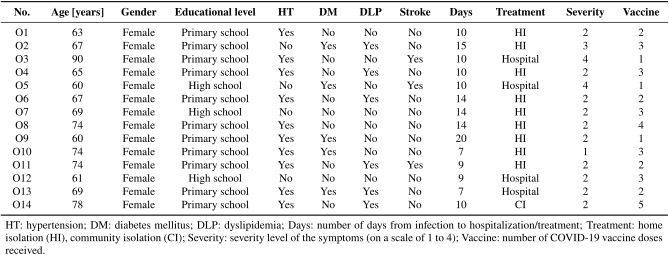
Table 1. Demographic and health profiles of the participants (\(n =14\)).
3. Findings
Participants’ ages ranged from 60 to 90 years. The data summarize the demographic and health profiles of 14 older adult female participants, most of whom had only completed a primary school education. Many of the participants had chronic conditions such as hypertension, diabetes mellitus, and dyslipidemia, with some having a history of stroke. Regarding COVID-19 treatment, most patients were managed through home isolation (HI), whereas a few required hospital care or community isolation (CI). Symptom severity varied, with most participants rating it between Levels 2 and 4. Additionally, the participants received between one and five doses of the COVID-19 vaccine, reflecting a diverse response in terms of both health conditions and post-infection treatments (Table 1).
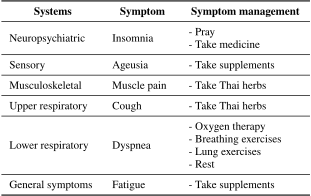
In-depth interviews revealed six primary categories of symptom experiences among older adults with Long COVID. These categories include neuropsychiatric, sensory, musculoskeletal, upper respiratory, lower respiratory, and general symptoms. Each theme captures the subjective narratives of the participants and highlights both the physical burden and strategies used to cope with the lingering Long COVID manifestations.
1. Neuropsychiatric symptoms (insomnia)
Participants frequently reported difficulties with sleep, describing an inability to fall asleep or stay asleep throughout the night. Sleep disturbances often led to reliance on medications or alternative aids. One participant shared:
“I have trouble sleeping at night and often use medication to help me rest.” [O1]
This persistent insomnia was emotionally distressing and often perceived as interfering with daytime functioning, including memory, mood, and general well-being.
2. Sensory symptoms (ageusia)
Loss or alteration of the sense of taste was another common and frustrating symptom, particularly affecting appetite and nutritional intake. Several participants expressed concerns regarding prolonged sensory dysfunction. One remarked:
“I’ve lost my sense of taste, and I use supplements to try to regain it.” [O6, O14]
This symptom often resulted in diminished enjoyment of meals and feelings of disconnection from the daily routines.
3. Musculoskeletal symptoms (muscle pain)
Muscle pain was widely described as a lingering issue, often impairing mobility and contributing to fatigue. The participants frequently relied on traditional Thai herbal remedies to manage their discomfort. As one noted:
“I rely on Thai herbs to alleviate my muscle pain.” [O13]
This demonstrates the integration of cultural practices in self-management and highlights the need for holistic care options.
4. Upper respiratory symptoms (cough)
Persistent coughing was reported by several participants, often described as dry, recurrent, and disruptive. Home-based herbal treatments were commonly used to relieve symptoms. A participant shared:
“I take herbal remedies to soothe my persistent cough.” [O11]
Although not always severe, these symptoms had a cumulative impact on energy levels and quality of life.
5. Lower respiratory symptoms (dyspnea)
Shortness of breath emerged as one of the most debilitating and commonly reported symptoms across multiple participants. Dyspnea significantly interfered with activities of daily living, necessitating a range of management strategies. One participant stated:
“I use oxygen therapy, practice breathing exercises, and ensure plenty of rest to manage my breathing difficulties.” [O1, O2, O3, O4, O5, O7, O8, O9, O10, O11, O12]
Table 2. Symptom experiences and management of the participants.
These respiratory symptoms were often accompanied by feelings of anxiety or fear of symptom escalation, particularly in patients with preexisting respiratory conditions.
6. General symptoms (fatigue)
Fatigue was a pervasive symptom experienced by nearly all participants. It was described as a constant feeling of physical exhaustion that interfered with daily activities, even after minimal exertion. Several participants reported using dietary supplements or rest to manage this symptom. One informant noted:
“I often feel extremely tired and have found that using supplements helps with my fatigue.” [O1, O6, O9, O10, O14]
Fatigue was not only physically limiting, but also emotionally draining, contributing to social withdrawal and reduced motivation.
The study revealed that many older adults employ various strategies to manage Long COVID symptoms, including praying and taking medication for insomnia, using supplements for ageusia and fatigue, taking Thai herbs for muscle pain and cough, and using oxygen therapy, breathing exercises, lung exercises, and rest for dyspnea (Table 2). These findings illustrate the complex and multifaceted nature of Long COVID symptoms in older adults and highlight the need for individualized, culturally responsive care strategies. Participants actively engaged in self-care practices, often blending biomedical and traditional approaches to manage their lingering symptoms. The diversity of experiences highlights the importance of patient-centered clinical assessments that transcend physical health to include cultural beliefs, personal coping methods, and the overall quality of life.
4. Discussion
The findings from this study contribute to the growing body of literature on Long COVID by elucidating the multifaceted and persistent nature of the symptoms experienced by older adults in rural communities. These symptoms, including neuropsychiatric manifestations such as insomnia, sensory disturbances such as ageusia, musculoskeletal pain, and both upper and lower respiratory issues, align with previous studies that have documented the wide-ranging impacts of Long COVID across various populations 15,16. Notably, the symptom burden among older adults in this study suggests that this demographic, particularly those in rural settings, may be disproportionately affected by Long COVID, facing unique challenges that exacerbate the condition’s impact on their daily lives 9.
The neuropsychiatric symptoms, particularly insomnia, observed in this study are consistent with the psychological and cognitive impairments reported in other cohorts of Long COVID patients. Insomnia, often accompanied by anxiety and depression, has been highlighted as a significant concern in post-acute COVID-19 syndrome 17. These symptoms not only diminish the quality of life, but also contribute to the overall morbidity associated with Long COVID, emphasizing the need for comprehensive management strategies that address both physical and mental health.
Sensory impairments, such as ageusia, which refers to the loss of taste, further illustrate the pervasive nature of Long COVID. These sensory disturbances, although seemingly minor compared with respiratory symptoms, can significantly affect nutritional intake and overall health, particularly in older adults who may already be at risk of malnutrition 18. The persistence of these symptoms highlights the importance of early intervention and continuous monitoring to prevent further deterioration in this vulnerable population.
Musculoskeletal pain, another common symptom identified in this study, adds to the complexity of Long COVID management. Chronic pain conditions are known to reduce mobility and functional independence, which are critical concerns in older adults 19. The management of musculoskeletal symptoms in Long COVID requires an interdisciplinary approach that includes physical therapy, pain management, and psychosocial support to maintain the quality of life and prevent disability.
Respiratory symptoms, including upper respiratory issues such as cough and lower respiratory challenges such as dyspnea were prominently reported by the study participants. These findings are consistent with existing research that identifies respiratory symptoms as among the most debilitating aspects of Long COVID 20. The chronic nature of these respiratory issues necessitates ongoing medical support and may require supplemental oxygen therapy and respiratory rehabilitation exercises to improve lung function and reduce the risk of long-term complications.
Moreover, the study revealed various strategies employed by older adults to manage Long COVID symptoms, reflecting a holistic approach to self-care that is often influenced by cultural and local practices. The use of breathing exercises, oxygen therapy, rest, lung exercises, and a combination of conventional medicines, dietary supplements, and herbal remedies indicates reliance on both modern and traditional healthcare practices 21. This integrative approach aligns with the literature on chronic illness management, which emphasizes the importance of culturally tailored interventions that respect patients’ beliefs and preferences 22.
This study examined whether symptom management approaches among older adults with Long COVID differed from those used in other chronic conditions. Overall, participants described strategies that were broadly consistent with established chronic illness self-management practices, including using medications for symptom relief, prioritizing rest, pacing activities to avoid symptom exacerbation, making dietary adjustments, and relying on family or community support. They frequently reported modifying daily routines in response to persistent symptoms, particularly fatigue, dyspnea, and insomnia, through ongoing self-monitoring and trial-and-error adjustments to balance activity demands with symptom tolerance 23.
Simultaneously, participants emphasized several practices, particularly salient in the context of Long COVID, such as ongoing breathing exercises, oxygen-related self-care, and culturally rooted coping strategies including prayer and traditional Thai herbal remedies. These practices may have been particularly important because Long COVID symptoms were often experienced as prolonged and unpredictable, prompting participants to seek both physiological strategies to manage breathlessness and culturally meaningful sources of reassurance and perceived control. However, considering the phenomenological design and context-specific nature of the findings, these features are best interpreted as contextually prominent rather than clearly distinct from the approaches used for other chronic conditions, particularly those involving respiratory symptoms, uncertainty, or prolonged recovery.
Cultural factors played an important role in guiding how participants managed their symptoms. Many older adults combined prayer, spiritual practices, and traditional Thai herbal remedies with biomedical treatments, reflecting deeply rooted cultural beliefs about healing. Furthermore, community norms and shared local knowledge influenced decision-making, as individuals often adopted practices recommended by family members, neighbors, or village health volunteers. These cultural influences shaped both the interpretation of symptoms and the selection of self-care strategies 24.
Healthcare professionals, particularly nurses, play a critical role in supporting self-management strategies. Nurses are often at the forefront of patient care in community settings and play key roles in educating patients on symptom management, monitoring their progress, and providing emotional support 25. Considering the chronic and often fluctuating nature of Long COVID symptoms, it is essential that nurses be equipped with the knowledge and resources to offer personalized care that addresses the specific needs of older adults. This includes developing care plans that are not only responsive to the current symptomatology, but also proactive in preventing future complications.
Moreover, the emphasis on personalized care strategies is supported by a broader movement toward patient-centered care in healthcare systems worldwide. Patient-centered care involves recognizing and respecting the patients’ individual experiences, preferences, and values in the planning and delivery of healthcare. By integrating patients’ lived experiences into their care plans, healthcare providers can enhance the effectiveness of interventions, leading to better adherence, improved health outcomes, and ultimately, a higher quality of life for those affected by Long COVID 16.
This study has several limitations. First, the sample size was relatively small (14 participants), which may limit the generalizability of the findings beyond the specific rural communities studied. Second, the purposive sampling strategy, while appropriate for phenomenological inquiry, may introduce selection bias, as those who volunteered to participate may differ from those who declined. Third, all data were self-reported through in-depth interviews, raising the possibility of recall bias, social desirability bias, or the underreporting of sensitive experiences. Fourth, the study included only older adults from a rural Thai community. The absence of male participants further limits the ability to examine gender differences and reduces the transferability of the findings to broader populations. Notably, the final sample comprised only women, which likely reflects the characteristics of our recruitment context and the voluntary nature of participation. Women in our setting were more available and willing to engage in in-depth qualitative interviews, whereas eligible men were less likely to respond to recruitment invitations during the study period. Therefore, future studies should adopt targeted strategies to reduce gender imbalance, such as purposive sampling with predefined male quotas, recruitment through male-oriented community groups or networks, more flexible interview scheduling (evenings/weekends), multiple participation modes (telephone/video), and the engagement of community leaders or health volunteers to encourage male participation. Including men may enrich our understanding of potential gender-related differences in symptom experiences and management strategies. Finally, although the phenomenological design allowed for a rich exploration of lived experiences, it did not enable the investigation of causal relationships between symptoms and management strategies.
Future studies should verify the effectiveness of the symptom management strategies identified in this study, such as prayer, medication, dietary supplements, Thai herbal remedies, oxygen therapy, breathing exercises, lung exercises, and rest. A mixed-methods approach that combines intervention studies to measure changes in key symptoms with follow-up qualitative interviews is recommended to explore the perceived effectiveness and cultural influences. Longitudinal monitoring over several months could help determine strategies that provide sustained benefits. This evidence will support the development of effective and culturally appropriate interventions for older adults with Long COVID.
5. Conclusion
In conclusion, this study highlights the need for comprehensive, culturally appropriate, and personalized care strategies in managing Long COVID in older adults. The insights obtained from this study are expected to inform nursing practice, particularly in rural and resource-limited settings, where healthcare providers must adapt to the unique challenges faced by their patients. As the understanding of Long COVID continues to evolve, ongoing research will be essential to refine these strategies and ensure that all patients receive the care they need to recover and maintain their health.
Acknowledgments
This study was financially supported by the Boromarajonani College of Nursing, Nakhon Ratchasima; Faculty of Nursing, Praboromarajchanok Institute; and the Ministry of Public Health. The authors extend their sincere gratitude to all the older adults who generously shared their experiences and insights during the study. Moreover, we are grateful to community leaders and health volunteers in rural communities for their invaluable support in facilitating participant recruitment and data collection.
- [1] J. B. Soriano, S. Murthy, J. C. Marshall, P. Relan, and J. V. Diaz, “A clinical case definition of post-COVID-19 condition by a Delphi consensus,” The Lancet Infectious Diseases, Vol.22, No.4, pp. e102-e107, 2022. https://doi.org/10.1016/S1473-3099(21)00703-9
- [2] S. Rajan, K. Khunti, N. Alwan, C. Steves, T. Greenhalgh, N. MacDermott et al., “In the wake of the pandemic: Preparing for Long COVID,” European Observatory on Health Systems and Policies, Policy Brief No.39, 2021.
- [3] World Health Organization, “Post COVID-19 condition (Long COVID),” 2025. https://www.who.int/news-room/fact-sheets/detail/post-COVID-19-condition-(long-COVID) [Accessed September 1, 2023]
- [4] S. Lopez-Leon, T. Wegman-Ostrosky, C. Perelman, R. Sepulveda, P. A. Rebolledo, A. Cuapio et al., “More than 50 long-term effects of COVID-19: A systematic review and meta-analysis,” Scientific Reports, Vol.11 No.1, Article No.16144, 2021. https://doi.org/10.1038/s41598-021-95565-8
- [5] H. E. Davis, L. McCorkell, J. M. Vogel, and E. J. Topol, “Long COVID: Major findings, mechanisms and recommendations,” Nature Reviews Microbiology, Vol.21, No.3, pp. 133-146, 2023. https://doi.org/10.1038/s41579-023-00896-0
- [6] World Health Organization, “A clinical case definition of post COVID-19 condition by a Delphi consensus,” 2021. https://www.who.int/publications/i/item/WHO-2019-nCoV-Post_COVID-19_condition-Clinical_case_definition-2021.1 [Accessed September 21, 2023]
- [7] H. I. Kemp, E. Corner, and L. A. Colvin, “Chronic pain after COVID-19: Implications for rehabilitation,” British J. of Anaesthesia, Vol.125, No.4, pp. 436-440, 2020. https://doi.org/10.1016/j.bja.2020.05.021
- [8] National Center for Immunization and Respiratory Diseases (NCIRD), “Long COVID or post-COVID conditions,” Division of Viral Diseases, Centers for Disease Control and Prevention, 2021.
- [9] T. Greenhalgh, M. Knight, C. A’Court, M. Buxton, and L. Husain, “Management of post-acute COVID-19 in primary care,” BMJ, Vol.370, Article No.m3026, 2020. https://doi.org/10.1136/bmj.m3026
- [10] M. Dodd, S. Janson, N. Facione, J. Faucett, E. S. Froelicher, J. Humphreys et al., “Advancing the science of symptom management,” J. of Advanced Nursing, Vol.33, No.5, pp. 668-676, 2001. https://doi.org/10.1046/j.1365-2648.2001.01697.x
- [11] V. Nittas, M. Gao, E. A. West, T. Ballouz, D. Menges, S. W. Hanson et al., “Long COVID through a public health lens: An umbrella review,” Public Health Reviews, Vol.43, Article No.1604501, 2022. https://doi.org/10.3389/phrs.2022.1604501
- [12] M. Heidegger, J. Macquarrie, and E. Robinson, “Being and time,” Harper, 1962.
- [13] M. B. Miles and A. M. Huberman, “Qualitative data analysis: An expanded sourcebook (2nd ed.),” Sage Publications, 1994.
- [14] E. G. Guba and Y. S. Lincoln, “Competing paradigms in qualitative research,” N. K. Denzin and Y. S. Lincoln (Eds.), “Handbook of Qualitative Research,” pp. 105-117, Sage Publications, 1994.
- [15] H. E. Davis, G. S. Assaf, L. McCorkell, H. Wei, R. J. Low, Y. Re’em et al., “Characterizing Long COVID in an international cohort: 7 months of symptoms and their impact,” EClinicalMedicine, Vol.38, Article No.101019, 2021. https://doi.org/10.1016/j.eclinm.2021.101019
- [16] A. Nalbandian, K. Sehgal, A. Gupta, M. V. Madhavan, C. McGroder, J. S. Stevens et al., “Post-acute COVID-19 syndrome,” Nature Medicine, Vol.27, No.4, pp. 601-615, 2021. https://doi.org/10.1038/s41591-021-01283-z
- [17] V. O. Puntmann, M. L. Carerj, I. Wieters, M. Fahim, C. Arendt, J. Hoffmann et al., “Outcomes of cardiovascular magnetic resonance imaging in patients recently recovered from coronavirus disease 2019 (COVID-19),” JAMA Cardiology, Vol.5, No.11, pp. 1265-1273, 2020. https://doi.org/10.1001/jamacardio.2020.3557
- [18] N. V. Lam, S. Sulo, H. A. Nguyen, T. N. Nguyen, C. Brunton, N. N. Duy et al., “High prevalence and burden of adult malnutrition at a tertiary hospital: An opportunity to use nutrition-focused care to improve outcomes,” Clinical Nutrition Open Science, Vol.40, pp. 79-88, 2021. https://doi.org/10.1016/j.nutos.2021.11.003
- [19] D. Ayoubkhani, C. Bermingham, K. B. Pouwels, M. Glickman, V. Nafilyan, F. Zaccardi et al., “Trajectory of Long COVID symptoms after COVID-19 vaccination: Community based cohort study,” BMJ, Vol.377, Article No.e069676, 2022. https://doi.org/10.1136/bmj-2021-069676
- [20] D. T. Arnold, F. W. Hamilton, A. Milne, A. J. Morley, J. Viner, M. Attwood et al., “Patient outcomes after hospitalisation with COVID-19 and implications for follow-up: Results from a prospective UK cohort,” Thorax, Vol.76, No.4, pp. 399-401, 2021. https://doi.org/10.1136/thoraxjnl-2020-216086
- [21] M. Mendelson, J. Nel, L. Blumberg, S. A. Madhi, M. Dryden, W. Stevens et al., “Long-COVID: An evolving problem with an extensive impact,” South African Medical J., Vol.111, No.1, pp. 10-12, 2020. https://doi.org/10.7196/samj.2020.v111i11.15433
- [22] M. W. Tenforde, S. S. Kim, C. J. Lindsell, E. Billig Rose, N. I. Shapiro, D. C. Files et al., “Symptom duration and risk factors for delayed return to usual health among outpatients with COVID-19 in a multistate health care systems network – United States, March-June 2020,” Morbidity and Mortality Weekly Report, Vol.69, No.30, pp. 993-998, 2020. https://doi.org/10.15585/mmwr.mm6930e1
- [23] A. Oumtanee, P. Numsang, R. Sananok, S. Kurat, S. Kraichan, P. Sarapoke et al., “Health awareness as a motivator: A grounded theory analysis of diabetes self-management in Northeastern Thailand,” Asian J. of Social Health and Behavior, Vol.8, No.2, pp. 90-96, 2025. https://doi.org/10.4103/shb.shb_299_24
- [24] N. Sowattanangoon, N. Kotchabhakdi, and K. J. Petrie, “The influence of Thai culture on diabetes perceptions and management,” Diabetes Research and Clinical Practice, Vol.84, No.3, pp. 245-251, 2009. https://doi.org/10.1016/j.diabres.2009.02.011
- [25] M. Stuart, D. A. Spencer, C. J. McLachlan, and C. Forde, “COVID-19 and the uncertain future of HRM: Furlough, job retention and reform,” Human Resource Management J., Vol.31, No.4, pp. 904-917, 2021. https://doi.org/10.1111/1748-8583.12395
This article is published under a Creative Commons Attribution-NoDerivatives 4.0 Internationa License.