
Paper:
Foreign Residents and Disaster Preparedness in Kobe City: The Role of Language Proficiency and Risk
Bethany Meidinger†

Graduate School of Law, Kobe University
2-1 Rokkodai-cho, Nada-ku, Kobe, Hyogo 657-0013, Japan
†Corresponding author

Kobe City, Japan, has become one of the leading innovators and adopters of disaster prevention strategies and technologies since the 1995 Great Hanshin–Awaji Earthquake, one of Japan’s deadliest disasters. In the years that have followed, the foreign population of Kobe City has risen by approximately 36% and is expected to continue growing. This paper investigates the factors that increase the likelihood of foreign residents participating in community-based disaster prevention behaviors and to be aware of official sources of disaster prevention information. It uses probit analysis with original data from the 2023 Kobe City Foreign Residents Survey and the WorldRiskIndex. The study reveals that certain factors, such as language ability, are highly nuanced and may not be as strong a barrier to adequate disaster prevention knowledge in Japan as commonly believed. It also identifies potential key points for information distribution. However, regardless of nationality or the risk of disaster in their countries of origin, survey results indicate that foreign residents are not active participants in disaster prevention behaviors, nor are they widely aware of the official services and materials.
1. Introduction
Kobe City in Hyogo Prefecture, Japan (as indicated in Fig. 1), is home to some of the oldest foreign communities in the country, which have played a significant role in shaping its cosmopolitan environment. More importantly, it has been a leading innovator and adopter of disaster prevention strategies and technologies since the Great Hanshin–Awaji Earthquake in 1995, one of Japan’s deadliest disasters. However, as will be discussed in Section 2, certain discrepancies in vulnerability emerged between native and foreign populations in the aftermath of the Great Hanshin–Awaji Earthquake. Consequently, local and prefectural governments have recognized the importance of outreach to foreign communities for disaster prevention, leading to the development of a sophisticated network of multilingual services.
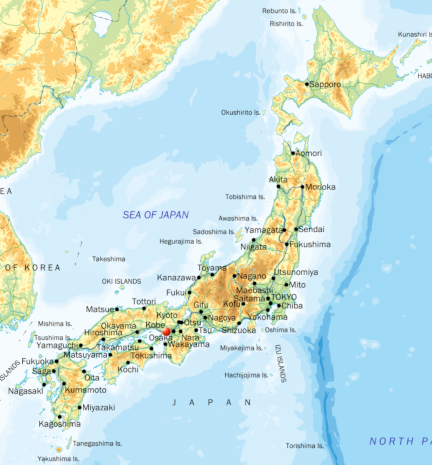
Fig. 1. Location of Kobe City, Japan (source: 1).
Although the same type of earthquake is not predicted to reoccur for another 1,000 years, it is still imperative to close the gaps between native and foreign residents. Not only is the city predicted to be affected by future Nankai megathrust earthquakes, but, because of its topography, it also carries a high risk of flooding and sediment disasters. Moreover, the number of potential foreign victims has increased; in the years that have followed the tragedy, Kobe City’s foreign population has risen by approximately 36% and is expected to continue increasing 2.
In the disaster management cycle, prevention refers to long-term efforts to reduce disaster risks and ensure that information, resources, and infrastructure are in place before a hazard occurs. In Kobe City, prevention efforts have taken shape through government-introduced or supported multilingual communication systems, foreign-resident support centers, and inclusive disaster information platforms. However, as responsibility transitions from prevention to preparedness, the emphasis shifts from institutional provision to individual and community action. Preparedness involves individuals’ readiness to anticipate and plan an effective response to potential hazards, including activities such as participating in evacuation drills, knowing evacuation locations, registering for disaster alerts, and engaging with community-based disaster networks. For foreign residents, preparedness may be even more constrained than that of the general population, as their ability to understand and act on disaster-related information is shaped by language proficiency, social connectedness, and recognition of need.
Accordingly, this study focuses on two objectives: (i) evaluating the disaster preparedness of foreign residents and (ii) investigating the factors that influence their preparedness. This study measured preparedness through participation in community-based disaster prevention behaviors and awareness of disaster prevention information. It focused on official channels for multilingual disaster prevention information, including the Kobe International Community Center (KICC) Disaster Preparation Information website, the Hyogo International Association (HIA) Disaster Preparedness Guidebook for Children and Parents, and Hyogo Emergency Net.
The significance of this study is as follows: (i) the results report on the current state of disaster preparedness among foreign residents of Kobe City, and (ii) they identify certain significant social factors that may also need to be addressed in disaster planning in other municipalities. As for novelty, this study utilizes quantitative analysis with original data from the 2023 Kobe City Foreign Residents Survey and separately analyzes the two dimensions of fluency 3. It does so to understand how possessing spoken fluency sufficient for participation in face-to-face discussions may contribute to an interest in disaster prevention activities, separating spoken fluency from literacy, which is unnecessary to access the same information available in multiple languages. Its most important contributions include evidence that the level of awareness of official channels of multilingual disaster information is low among foreign residents; identification of nationality groups that may be more vulnerable than others due to a lack of information or engagement with official sources; and evidence of a non-linear relationship between risk, language fluency, and disaster preparedness, specifically one that might suggest a strong sense of self-help among foreign residents who have advanced language abilities.
2. Background
Kobe City was one of the first port cities to open to the world at the start of the Meiji Period, after more than 200 years of isolationism. For decades, it hosted the country’s largest concentration of Chinese residents, and even now, this presence remains significant. Less well known, however, is that Kobe is also home to the oldest Indian community in the country. Both groups are smaller than the Korean community, which began to immigrate en masse in the prewar era and remained the largest foreign population.
Table 1. Number of foreign residents who perished by ward and nationality.
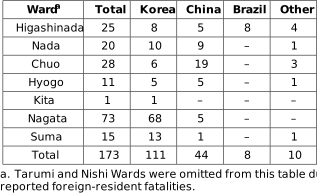
Based on their historically significant size, these groups suffered the greatest losses among foreign residents during the 1995 tragedy. As shown in Table 1, 173 foreign residents perished as a result of the earthquake, with 64.2% and 25.4% originating from Korean and Chinese communities, respectively. A closer look at the former reveals a distinctive vulnerability 4. These deaths occurred not only because buildings collapsed directly under the force of the tremors, but also because of the ensuing fires, which were concentrated in Nagata Ward, the city’s industrial center and home to many blue-collar workers. It was here that Korean enclaves historically formed, and where Vietnamese enclaves emerged and have continued to expand. Furthermore, when adjusted for population, foreign residents were twice as likely as Japanese residents to perish or be injured as a result of the disaster 5.
Kobe City is home to almost 55,000 foreign residents from 146 countries, as well as stateless individuals. More than half are Chinese (24%), Korean (23.2%), or Vietnamese (14.8%) 2. Although the Vietnamese community formed in large part because of the war with the U.S. (the Vietnam War), its rapid growth, similar to that of Nepalese and Burmese residents, is a more recent phenomenon seen throughout the country.
One of the ways Kobe City is attempting to enhance disaster preparedness is through a public interest-incorporated foundation, KICC. According to Nagata Ward, the primary goal of promoting internationalization is to provide multilingual information on municipal administration and daily life, one-stop services for daily life consultations, and various services for foreign residents. The KICC Disaster Preparation page provides information on multilingual consultation services at the time of a disaster, disaster response cards, and evacuation procedures/sites. The center also hosts numerous disaster-related events, including lectures, drills, bus tours, virtual reality (VR) and in-person simulations, and hands-on workshops.
Parallel to KICC is HIA, based in Chuo Ward. It provides similar services to foreign residents in Hyogo Prefecture, albeit with a greater focus on educational exchanges. One of its notable projects is the “Disaster Preparedness Guide for Children and Parents,” available in 10 foreign languages, including English, Chinese, Vietnamese, Portuguese, Spanish, Korean, Filipino, Indonesian, Thai, and Ukrainian.
The prefecture also offers Hyogo Emergency Net, an emergency information distribution system that automatically translates warnings and emergency information issued by each municipality, delivered via the official website, smartphone application, and email subscription. The languages offered include Japanese, English, French, German, Indonesian, Italian, Korean, Portuguese, Spanish, Thai, and Vietnamese. In addition to push notifications, the smartphone application features a “My Evacuation Card” which allows users to register their evacuation time and location, display evacuation sites, link to hazard maps, text-to-speech functions, and pictograms to ensure that users can easily understand and act on evacuation information during an emergency.
This study investigates the factors that increase the likelihood of foreign residents becoming aware of these official sources of disaster prevention information and participating in community-based disaster prevention behaviors, namely disaster drills. It uses probit analysis with original data from the 2023 Kobe City Foreign Residents Survey. This study poses the following questions with both theoretical and practical implications for disaster management.
-
How do foreign residents of Kobe City access official disaster prevention information, and what other disaster prevention behaviors do they engage in?
-
What factors increase the likelihood that they will participate in disaster prevention activities or become aware of the sources of disaster prevention information?
-
Are foreign residents from countries prone to natural hazards more likely to participate in information-gathering activities and disaster-prevention behavior?
3. Literature Review
3.1. Language Planning in the Japanese Context
Language plays a crucial role in disseminating information for effective disaster management. Clear and accurate communication can save lives by ensuring that warnings reach everyone, facilitating the distribution of vital information regarding evacuation procedures, available shelters, and emergency services. It also educates the public about potential risks and necessary precautions before a disaster occurs. Thus, language planning is crucial in disaster risk reduction and functions as a social tool.
Disaster research and lessons learned from past events have spurred investments by local governments to expand the provision of disaster signage and emergency information in “easy Japanese.” This system, which uses a simplified form of Japanese, originated directly from lessons learned during the Great Hanshin–Awaji Earthquake. It has been widely used, from emergencies to accommodating foreign tourists, and may help accommodate the growing number of immigrants who are unable to communicate in everyday Japanese or English.
However, Kusunoki and Hashimoto 6 note that not only is there a lack of systematic coordination within municipalities and an absence of any initiative by the central government, but this implementation of “easy Japanese” also exists in an ambiguous state as a policy priority and reinforces the division between Japanese and foreign residents. Furthermore, according to Uekusa 7, foreign residents are often subject to victim-blaming narratives for not seeking help during emergencies; however, underlying hesitations, such as language barriers, are still overlooked. Improving multilingualism in disaster risk reduction (DRR) could harness disaster altruism and decentralize social power, which currently disadvantages foreigners 7,8.
3.2. Foreign Residents and Information Choice
At the same time, even if access to multilingual information or skills may not lead directly to preparedness, foreign residents often have access to more diverse information sources that can influence their preferences. Henry et al. 9 pioneered this research by comparing how nationals and non-nationals in the Kanto region gathered information after the Great East Japan Earthquake (GEJE). Although language is a barrier for many foreign residents, there is a clear relationship between language and media choice. For example, they used Japanese for traditional media but preferred English or other languages for Internet-based sources and interpersonal communication 9,10. This played a role in evacuation decisions as trust in overseas sources was high among all groups, and many evacuees left due to information confusion caused by language barriers and other communication issues 9,10.
3.3. Foreign Residents and Interpersonal Relationships
Similarly to this, Shah and Murao 11 added that although language ability was a factor in communication following the GEJE, it did not significantly impact victims’ post-disaster lives. Rather, the authors suggested that greater language ability could have influenced foreign residents’ decision not to evacuate, as they desired to be involved in disaster response activities. Other reasons for staying included Japanese family relationships and feelings toward the community. In other words, they concluded that interpersonal relationships were more important for evacuation decisions. Foreign residents who had lived in Japan maintained Japanese family relationships or community connections.
Moreover, interpersonal relationships were crucial for information; “family and friends” followed Japanese television as the most trusted sources whereas local government ranked among the least trusted source next to the Japan Meteorological Agency. Similar to Henry et al. 9,10, Shah and Murao 11 found that many who evacuated did so at the behest of their families abroad, but they posited that this was due to the influence of foreign media on those family members. This is important because, although Japanese TV was again widely used, it was not highly trusted 9,11. This underscores the significant role personal connections play in the dissemination of information.
Until now, the studies mentioned have focused on the disaster response period; however, preparedness research has reflected many of the same trends. This includes not only reported language barriers, but also a lack of information from authorities 12, a lack of relationships or information flow with locals 13,14,15,16, and a tendency to rely on information from people of the same country 15. In many of these cited cases, social networks were activated as conduits transmitting information from the media and official channels; however, informal networks also played a role in disaster information dissemination. Often-overlooked cultural practices, such as gathering at coffee shops or other public spaces, play a central role in exchanging information about past disasters, early warning signs, and evacuation strategies 17. These interactions ensure that people without access to formal education or technology remain informed 17. Thus, engagement with local networks should not be merely a target of risk communication, but a source of it.
3.4. Foreign Residents and Preparedness
More concerning is the fact that nearly all sources suggest that foreign residents are critically underprepared for major disasters. One argument is that foreign residents in Japan feel constrained, as demonstrated by their low confidence in their ability to take action and their belief that government authorities disregard their opinions. These feelings of constraint, compounded by language barriers, gaps in information, and other access challenges, significantly weaken their motivation to engage in risk-reduction activities 12,18.
Problem recognition is traditionally considered the main factor in increasing motivation 13, yet even when foreign residents recognize their vulnerability, this does not necessarily lead to action 12,18,19. Even when foreign residents believe they are prepared, they may be inadequately equipped for the 72-hour golden rule of self-survival 19 or may not understand the cultural context of preparedness 15.
3.5. Foreign Residents and Disaster Experience
Finally, across multiple studies involving foreign residents, participants with personal disaster experience exhibited a heightened perception of disaster risk, which increased motivation for preparedness 13,14,15. This highlights the importance of direct hazard experiences in driving preparation for future disasters more than other types of experiences 20, perhaps because of the possibility of reducing future psychological stress 21 and even increasing motivation to share disaster knowledge 22. However, this is not to say that indirect or vicarious disaster experiences are without value 20,22,23. Thus, interpersonal relationships may motivate disaster prevention efforts.
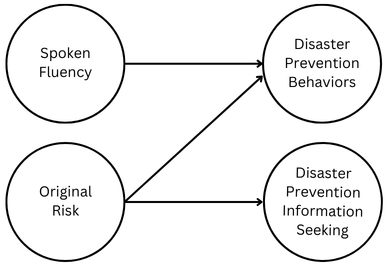
Fig. 2. Theoretical framework by author.
3.6. Resilience, Equality, and Diversity
Resilience reflects a community’s ability to adapt to disasters while maintaining essential functions, relying on knowledge sharing, social and economic diversity, active networks, resource access, and decentralized decision-making 24. Communities with strong social bonds tend to recover faster and show higher levels of resilience 17,24. Resilience is strengthened by bonding ties within groups and bridging ties to diverse external resources, which significantly influence a community’s capacity to recover from major disasters. However, an overreliance on homogeneous ties “can impose constraining social norms and foster group homophily,” representing one way in which resilience narratives can mask deeper issues of social inequality, marginalization, and power dynamics as resilience may be quietly reduced 24. Actively involving marginalized groups in preparedness enhances collective preparedness; thus, addressing barriers to participation through inclusive and culturally sensitive programs is critical 17.
4. Theoretical Framework and Hypotheses
As outlined below, this paper proposes the following two hypotheses and theoretical framework (as illustrated in Fig. 2).
-
H1:
Foreign residents from countries with high disaster risk are more likely to participate in disaster prevention activities and seek disaster prevention information.
-
H2:
Foreign residents with greater fluency in spoken Japanese are more likely to participate in disaster-prevention activities.
This paper maintains that language is essential for the disaster preparedness of migrants but theorizes that the kind of language fluency matters. Although considered a control, the theoretical framework for this study does not include literacy, which is more closely associated with access, and this study considers Kobe City’s multilingual resources as an alternative means of ensuring access. Rather, the focus of this paper is spoken fluency because of its ability to facilitate the building of interpersonal relationships with the local community.
Interpersonal relationships have proven to be trusted secondary sources of important disaster information 9,10,11. Because DRR in Japan has grown increasingly local and community-based with the adoption of the Sendai Framework, spoken fluency should increase access to participation and foster a sense of community and mutual help, as face-to-face interaction is more conducive to developing one’s social capital, and language acquisition may give individuals confidence to participate actively 25,26.
Although foreigners may find or build communities in Japan, it does not immediately disconnect them from their communities and experiences in their country of origin. Maintaining ties with one’s country of origin increases information choice 9,10,11. This may, in turn, create a form of informational competition, whereby individuals may favor their home countries’ available information over that of Japan.
More importantly, disaster experiences are not encountered in isolation and can happen directly, indirectly, or vicariously in the context of relationships. Therefore, regardless of language ability, a person from a country that is also vulnerable to disasters may have a greater risk perception, as they have a greater likelihood of experiencing disasters prior to their arrival in Japan, whether directly, through their social networks, or through the media in their home countries. In turn, this should lead to greater interest in disaster preparedness and desire to seek information related to disaster prevention, recognizing its necessity and importance 20,21,22,23.
5. Data and Methods
5.1. Kobe Foreign Residents Survey
The primary source for this study is original data from the Kobe Foreign Residents Survey conducted by Kobe University with assistance from the Kobe City Government. The goal was to help Kobe City understand the problems faced by foreign residents and reflect them in its policies regarding the coexistence of foreign residents and the local community. It included disaster-related questions, while also focusing on the broader context of daily life for foreign residents.
Kobe City extracted a sample of 7,500 foreign residents from the Basic Resident Register and mailed them postcards in July 2023. The sample size was approximately proportional to the size of the foreign population. Specifically, postcards were sent to 2,250 Korean/Chōsen nationals, 2,175 Chinese nationals, 1,163 Vietnamese nationals, and 1,612 nationals of other countries. The available languages and percentages of responses were: Japanese (38.41%), Korean (2.03%), Chinese (20.93%), Vietnamese (11.38%), and English (27.24%). A 50-yen Amazon gift card was awarded upon completion.
By the end of September 2023, 644 responses were recorded in Qualtrics. After the data were cleaned, 492 valid responses were retained, yielding a valid response rate of 7.6%. To ensure analytical integrity and avoid complications with listwise deletions in Stata, only cases with at least 43% of core items completed were retained. Thus, 74.9% of the initially recorded responses were retained in the final sample.
A comparison between the official Kobe City population data and the final analytical sample shows that, despite minor variations, the dataset remains broadly representative of the city’s foreign population. Chinese, Vietnamese, and Nepalese residents, who together comprise the majority of Kobe City’s foreign population, were underrepresented by roughly 3%–5%, while respondents categorized as “Other” and U.S. nationals were modestly overrepresented. Smaller groups appeared proportional to their citywide share. At the ward level, representation was similarly balanced: Kita and Suma wards exactly matched their official proportions, while most others varied within approximately 1%. Only Hyogo Ward showed a modest shortfall of approximately 2.2%.
The lower final response rate primarily reflected attrition caused by survey fatigue rather than systemic bias. The survey included 75 questions. A comparison of the responses that reported ward and nationality in both datasets revealed that most nationalities changed by less than one percentage point. The most significant relative losses were among Nepalese respondents (a decline of 1.8%), followed by Vietnamese (0.6%), and Filipinos (0.6%). Taiwanese, American, and “Other” participants showed the lowest dropout rates. These patterns suggest that attrition effects do not materially distort nationality or spatial representation.
Lower response rates among some East Asian residents may reflect lower perceived trust in the government or in the relevance of city-led surveys as well as differences in familiarity with the survey incentive. For instance, the Amazon gift card reward may have been less appealing or familiar to Chinese respondents because of Amazon’s limited market share in mainland China compared to its strong presence among U.S. and Western users.
Taken together, these results indicate that, despite a modest response rate and some variation by nationality, the final dataset is both analytically robust and representative of Kobe City’s foreign-resident population. The balance across wards and slight differences in nationality shares provide confidence that the results drawn from this sample reasonably reflect the broader patterns of foreign resident behavior and disaster preparedness in Kobe City.
The survey questions that became binary dependent variables include
-
Do you know where to evacuate to (the location of evacuation centers in the area where you live) in the event of a natural disaster such as an earthquake or typhoon?
-
Are you registered with Hyogo Emergency Net (Hyogo Prefecture Multilingual Disaster Information Service) to receive emergency information about disasters by e-mail? (https://bosai.net/e/regist/index.html)
-
Have you ever participated in disaster drills in your community, school, or company in Japan?
-
Are you aware of the following?
-
KICC Disaster Preparation Information website.
-
HIA Disaster Preparedness Guidebook for Children and Parents (multilingual disaster prevention guidebook).
-
-
Do you participate in the following activities?
-
Who do you talk to when you have a problem in your daily life in Japan?
-
How do you receive information for daily life in Japan (Kobe City)?
The respondents’ characteristics and types of variables recorded are shown in Table 4 in Appendix A.1.
5.2. The WorldRiskIndex
The other dataset utilized in this study was the WorldRiskIndex score from the World Risk Report 2023, a joint project of “Bündnis Entwicklung Hilft” and the Institute for International Law of Peace and Armed Conflict of the Ruhr University Bochum 27. It examines complex interrelationships between crises and societies and provides an assessment of the latent risk of 193 countries experiencing a humanitarian disaster caused by extreme natural events and the negative impacts of climate change. The index quantifies disaster risk by considering factors such as exposure to natural hazards, susceptibility, coping capacities, and adaptive capacities. Exposure indicators capture the physical likelihood of being affected by natural hazards, such as earthquakes, floods, cyclones, droughts (\(A\)–\(D\)), and rising sea levels (\(E\)). Susceptibility (\(SC\)) indicators measure a population’s vulnerability through infrastructure conditions, poverty levels, access to water and sanitation, nutrition, and economic inequality. Adaptive capacity (\(AC\)) indicators reflect a country’s long-term capacity to reduce risk, including education level, gender equality, environmental protection, and health investments. Coping capacity (\(CC\)) indicators assess short-term readiness: government stability, corruption, medical infrastructure, and insurance coverage. Together, they represent how an exposed, fragile, and prepared society faces disasters.
To consider both the generalized risk in the country of origin, which indicates the likelihood of direct, indirect, or vicarious disaster experiences, and the influence of existing adaptive capacities, inherent vulnerabilities, etc., this study examined the exposure and vulnerability scores separately and jointly. An earlier version of this paper utilized the cumulative risk score throughout, but ultimately settled on this approach to improve probit model robustness without producing stark differences in the significance levels of individual variables.
5.3. Methods
This study employs a series of quantitative analyses to determine the probability that an individual would engage in disaster prevention behaviors or be aware of disaster information (knowing where to evacuate, participating in drills, registering for Hyogo Emergency Net, and knowing about the KICC and HIA guidebooks). The key predictors include spoken fluency and exposure. The control variables include vulnerability, literacy, age, gender, years of residence in Japan, desire to remain in Japan in the future, ward of residence, marital status, cohabitation status, participation in activities, and sources of support and information.
6. Results
6.1. Comparison of Preparedness
As shown in Table 2, foreign residents were not prepared for disasters in a way that would be considered adequate for disaster management. Only 54% reported knowing where their local evacuation center was, 41% had participated in disaster drills in Japan, 30% were registered for alerts, 14% were aware of the KICC’s Disaster Preparation Information website, and 6% were aware of HIA’s Disaster Preparedness Guidebook for Children and Parents.
The relatively low awareness levels of information sources may be attributable to the lack of social interaction needed to access them, specifically informal networks that circulate localized disaster knowledge. Although alert registration might challenge this notion, foreign residents can become aware of their need for alert registration when mobile carriers distribute alerts in languages that they do not understand.
Looking at the highest mean values of each category, the most prepared (and thus least vulnerable in this context) groups emerged. The Korean community is one of the top performers in this dataset. Given its long history in Kobe and the fatalities caused by the Great Hanshin–Awaji Earthquake, this was an expected result.
Similarly, consistent performers included individuals from the Philippines and the United States. Although both countries face a variety of disasters, their scores may also reflect the tendency of both groups to work as assistant language teachers (ALTs) in Japanese primary and secondary schools where disaster education is centralized.
Table 2. Behaviors and awareness of respondents by nationality.
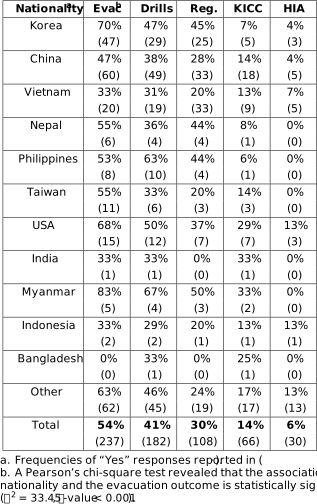
While Nepalese, Burmese, and Indonesians were also ranked in the survey, their low representation made it challenging to draw representative conclusions. Nevertheless, these results indicate the need for a more comprehensive examination of Burmese communities and their consistently high scores.
Interestingly, the Chinese community failed to rank. The results suggest a moderate level of preparedness despite having a background similar to that of Korean immigrants. This may reflect cultural differences between newer and older intergenerational immigrants. Vietnamese residents are of particular concern. Similar to Nepalese residents, they did not rank high in any category. However, considering how rapidly their population has grown and is expected to continue growing, an increased focus on outreach to these communities may be imperative.
In the same year as our survey, 92% of the respondents to a prefecture-wide survey, which included Japanese respondents, reported knowing where to evacuate 28. Those who reportedly received disaster information from HyogoNet accounted for 37%, a decline in recent years, possibly due to a growing variety of disaster-related applications. As for participation in disaster drills, 38% of respondents reported having participated, which appears lower than the participation rate among foreign respondents in our study. However, the prefectural survey limited disaster drill participation in the previous year, whereas the Foreign Residents Survey inquired whether they had ever participated in a disaster drill. In addition, a 2024 survey examined awareness of the city’s Kurashi Bosai guide, a multilingual handbook outlining evacuation procedures, emergency contacts, and practical checklists for daily disaster readiness. The guide was published in Japanese, with ward-specific editions distributed to all the residents. 60% of respondents were aware of the guide, although only 39% reported having read it 29. Although it is difficult to make a direct comparison due to the absence of nationality data in these surveys, the available data suggest that foreign residents underperform in preparedness compared to the general population of Kobe City.
6.2. The Marginal Effects of Spoken Fluency and Exposure
In accordance with this paper’s framework, we began by testing the interactions between spoken fluency and exposure, as the latter is theorized to influence motivations for disaster-prevention behaviors and information gathering. If this is true, the effect of fluency should change depending on the original exposure. To test this hypothesis, a series of probit analyses were performed for each outcome. Unfortunately, because of the lack of variability in the KICC and HIA results due to very few positive responses, they could not be included in this specific analysis, although Fisher’s exact test for small cells was performed, which failed to confirm a significant association between the two (as seen in Tables 5–8 in Appendix A.2).
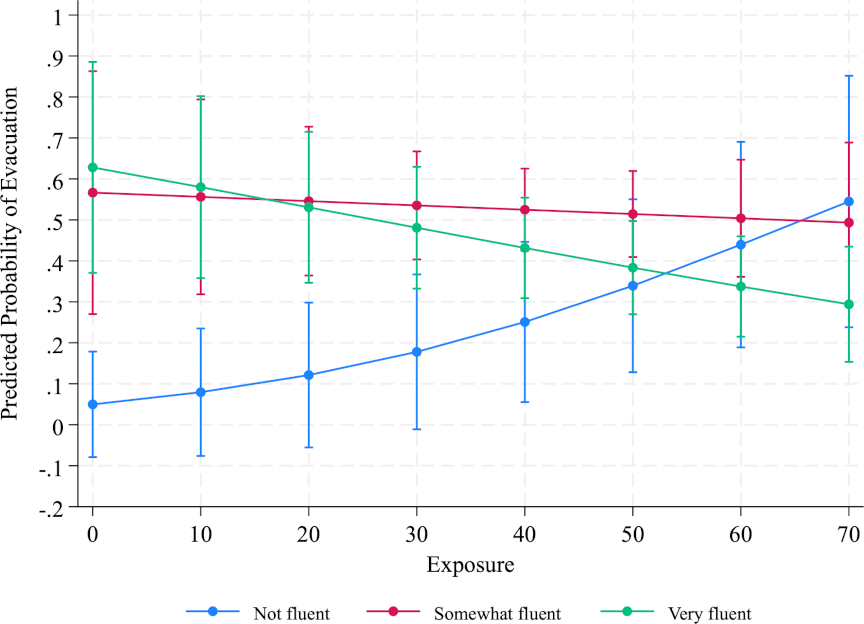
Fig. 3. Marginal plot for evacuation by levels of exposure and levels of spoken fluency (\(n=187\)).
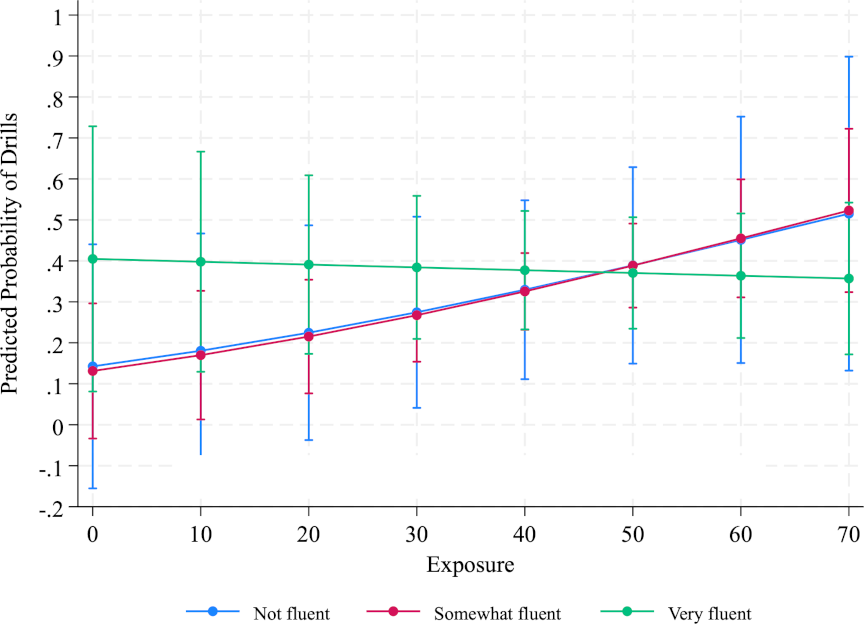
Fig. 4. Marginal plot for drills by levels of exposure and spoken fluency (\(n=177\)).
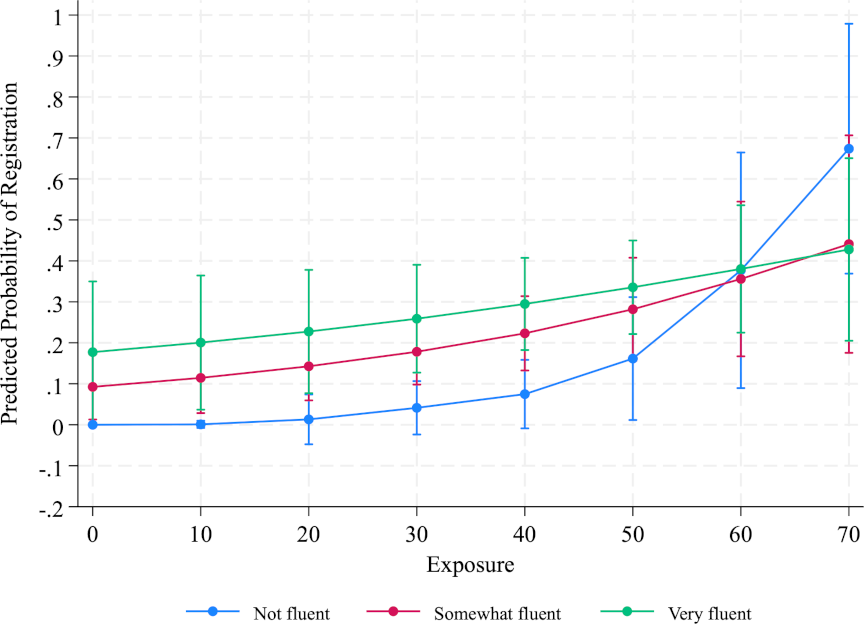
Fig. 5. Marginal plot for registration by levels of exposure and spoken fluency (\(n=128\)).
Furthermore, some variables were reshaped. Although the survey itself categorized fluency into four categories, the lack of responses in the “Not at all” fluent category led to perfect prediction issues, dropped variables, and unstable confidence intervals (CIs). By combining “Not at all” and “Not very” into a single “Not very” category, the model achieved more stability, better convergence, and clearer marginal plots. The equations used are as follows:
Subsequently, the marginal effects of spoken fluency and exposure were estimated and marginal plots were generated. The results are shown in Figs. 3–5. The \(x\)-axis shows the continuous exposure score, while the three overlying sloping lines represent the spoken fluency categories. This makes it possible to compare how spoken fluency modulates the effect of exposure on each outcome. Additionally, the 95% CIs are displayed as vertical lines to indicate the range of prediction uncertainty.
The predicted probability plots for evacuation, drills, and registration revealed a consistent interaction between spoken fluency and exposure. Across all three models, very fluent individuals began with the highest predicted probability of preparedness at low levels of exposure. However, as exposure increased, the marginal effect of fluency declined steadily, and the predicted probability for very fluent individuals eventually fell below that of the less fluent groups.
Conversely, although the least fluent group started with the lowest predicted probabilities, it often exhibited the steepest upward slopes across the exposure range. The most apparent difference is observed in the evacuation graph, Fig. 3. While the somewhat fluent and very fluent groups showed a decline in predicted probability of knowing where to evacuate as exposure increased, the non-fluent group’s probability increased, producing a clear inverse pattern. Moreover, this trend resulted in a dynamic in which the initial gap between the fluent and non-fluent groups was the widest at low exposure. However, as exposure increased, the gap narrowed substantially, and at the highest exposure levels, the non-fluent group surpassed the others in predicted probability. This suggests that individuals who lack fluency may be more targeted by risk communicators or may be more willing to seek out information than their fluent counterparts, possibly due to heightened perceived vulnerability.
The somewhat fluent group tends to have intermediate predicted probabilities across all three models, consistently falling between the fluent and non-fluent groups across the exposure range, except in the drills model, where its predicted probability only slightly exceeds that of the “not fluent” group at the highest level of exposure. In general, the slopes did not differ significantly from those of the other groups, suggesting no distinct responsiveness patterns. This intermediate and relatively stable pattern may reflect persistent structural or social barriers that dampen the effects of exposure.
The CI patterns across the models provide insights into the reliability of the observed relationships among language fluency, exposure, and preparedness outcomes. Somewhat fluent individuals showed the most stable and narrowest intervals, suggesting consistent estimates across the models. In contrast, the very fluent group showed wider and more variable intervals, especially in the drill model, likely reflecting greater differences in information access preferences, networks, or prior disaster experience. The non-fluent group also showed widening intervals at higher exposure levels, possibly because of the small sample sizes or other factors. In several cases, the intervals for the fluency groups overlapped, limiting confidence in the significance of the predicted differences.
Overall, the results suggest that pre-migration exposure may moderate the relationship between spoken fluency and preparedness. Fluency appears to be the most beneficial for individuals from low-risk countries, where information barriers are the most relevant. For those from high-risk contexts, fluency may play a smaller or even reverse role as other factors, such as experience or informal knowledge, become more influential. However, nonresponse and potential overreporting of language ability suggest a social desirability bias, which may have weakened the ability to detect clear effects.
Finally, all three probit models demonstrate meaningful explanatory power. The evacuation and drills models showed similar statistically significant explanatory strength (LR \(\chi^2(62)=84.97\), \(p=0.028\)) with a pseudo \(R^2\) of 0.337 and (LR \(\chi^2(58)=73.80\), \(p=0.079\)) with a pseudo \(R^2\) of 0.320, respectively. The registration model had the most significant fit (LR \(\chi^2(51)=96.51\), \(p=0.0001\)) and a pseudo \(R^2\) of 0.620. Collectively, these results make meaningful contributions to explaining the variation in evacuation knowledge, drill participation, and disaster alert registration.
6.3. The Probability of Preparedness
To identify other factors that may drive preparedness more clearly, another probit analysis using average marginal effects (AME) was conducted. This method demonstrates how each independent variable affects the probability of outcomes across the entire sample, offering more generalizable and robust summary statistics. The additional base AME equation is as follows:
Table 3 reports probit results with significance levels, coefficients, and standard errors, but emphasizes AME predicted probabilities reported as percentage points (henceforth referred to as simply “points”). Even when variables fail to show significance at the coefficient level due to complex relationships in non-linear models, marginal effects can still be significant, providing more intuitive insights into how factors impact event likelihood.
Table 3. AME on behaviors and awareness.
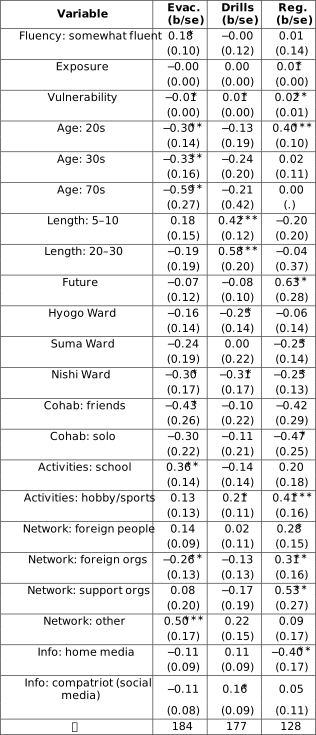
Across all three models, the key variables (risk exposure, language fluency, and vulnerability) showed meaningful but outcome-specific effects. Among these, vulnerability was the most consistent significant predictor, positively associated with both drills and registration, yet negatively associated with evacuation site awareness.
Exposure was statistically significant only in the registration model, with a modest but positive effect on the registration probability. Language fluency had limited overall significance, although the somewhat fluent group showed a marginal increase (\(+18\) points) in evacuation compared to non-fluent individuals. However, this pattern was not observed for the other outcomes. These results suggest that vulnerability is the most stable and influential key predictor, while the effects of fluency and exposure vary considerably by the preparedness outcomes.
The evacuation model yielded the largest negative marginal effect. Adults in their 20s, 30s, and 70s were less likely to know their evacuation sites (\(-30\) to \(-59\) points). Foreign organizations as a primary network source decreased the predicted probability (\(-26\) points), and living with friends or in Nishi Ward also showed negative associations. Conversely, using “other” informal networks was positively and significantly associated with increased awareness, showing the largest gain in the model (\(+\)50 points). Participation in school-based activities was also a moderately strong positive predictor (\(+\)36 points).
The drill model demonstrates some of the strongest positive predictors for this dataset. Notably, individuals who had lived in Japan for 5–10 years and 20–30 years had significantly higher predicted probabilities of drill participation (\(+\)42 and \(+\)58 points, respectively). Participation in hobbies or sports and obtaining information via compatriot social media were also significant, albeit with smaller effects. On the negative side, living in Hyogo or Nishi Ward was associated with a decreased likelihood of drill participation (\(-25\) and \(-31\) points).
The registration model displayed a combination of strong predictors and notable contrasts. The intention to stay in Japan was associated with the largest increase in predicted probability (\(+\)63 points). Relying on foreign or support organizations (\(+\)31 and \(+\)53 points) and people overseas (\(+\)28 points) positively influenced registration likelihood, as did being in one’s 20s. On the other hand, obtaining information from home media was strongly and negatively associated with registration (\(-40\) points) as was living alone (\(-47\) points). These results suggest that vulnerability is the most stable and influential key predictor, while the effects of fluency and exposure depend heavily on the preparedness outcomes.
A comparison of the raw probit coefficients and AME revealed several significant differences, particularly regarding the key predictors of exposure, language fluency, and vulnerability. Vulnerability remained a consistently significant predictor across both methods in the registration and drill models, although its relationship with evacuation weakened slightly in the AME. Exposure, which was significant in the two raw probit models (evacuation and registration), retained significance only in the registration model when converted to AME, suggesting that its generalizability may be limited. Language fluency, particularly among the very fluent group, was statistically significant in both the evacuation and registration raw probit models but also lost significance in AME outputs. Conversely, the somewhat fluent group gained marginal significance under AME in the evacuation model, which had previously shown weaker effects. Together, these results indicate that the influence of fluency is more sensitive to modeling assumptions.
In addition to the key variables, several additional predictors showed notable changes in significance levels. Some age groups showed increased significance under the AME. Similarly, ward-level differences, such as living in Nishi, lost statistical strength in AME, suggesting that their effects may not be generalizable across the broader sample. However, some cohabitation and network variables were significant in one or more of the models. These shifts reflect the tradeoff between the localized variation captured in the probit coefficients and broader generalizability. By reporting both sets of results, we provide a comprehensive and transparent view of our findings and hope that they contribute both practically and academically.
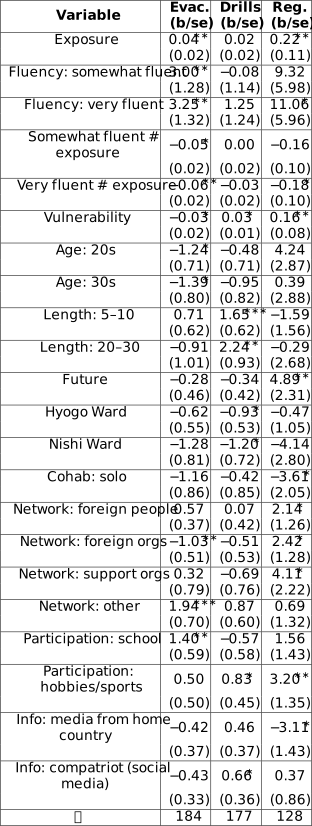
When viewed on a raw probit scale (Table 9 in Appendix A.3), the models seem to support both hypotheses: migration from countries with higher exposure shows significant positive associations with evacuation and registration, and spoken fluency adds large, highly significant coefficients for evacuation, suggesting that risk and language jointly propel migrants toward preparedness. However, these effects were tempered by the negative exposure \(\times\) fluency interactions. More crucially, when the coefficients are translated practically into the AME, the apparent strength diminishes. Taken together, we conclude that we found evidence suggesting a latent mechanism between risk, fluency, and preparedness, which can be comparatively tested across different migrant groups in other cities or countries.
However, in terms of specific policy implications, H1 was only partially supported as vulnerability exhibited a greater, though weak, influence than exposure across all executable models. H2 also received limited support, with Japanese language fluency showing a small statistically significant relationship only with the awareness of evacuation locations.
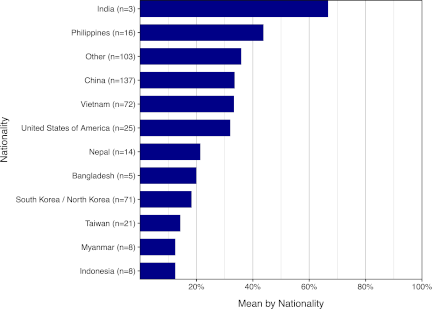
Fig. 6. Need for disaster information by nationality (\(n=483\)).
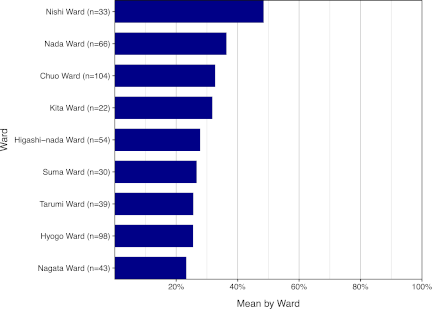
Fig. 7. Need for disaster information by ward (\(n=489\)).
6.4. Information Need
Finally, we analyzed the responses related to disaster information question, “What information do you think is most needed?” as reported in Figs. 6 and 7. Because of proportional differences in the number of respondents, percentages were calculated based on the mean per nationality or ward of residence. In interpreting the answers to this question, we also considered the risk score (the totality of exposure and vulnerability) as well as previously reported results.
First, an examination of the responses sorted by nationality revealed that the Philippines and India stood out as at-risk groups. Both ranked highest in terms of risk and had the highest proportion of respondents stating that they needed disaster information, suggesting heightened risk awareness. However, interpretation remains uncertain because of the small sample size of the Indian population. Although one might interpret this as requiring prioritized attention in outreach and preparedness strategies, it could alternatively indicate a mismatch in the type of information needed.
Similarly, owing to the WorldRiskIndex’s assignment of identical scores to China and Taiwan, it is difficult to distinguish between them. However, although both groups reported high fluency and a shared language, a greater proportion of Taiwanese respondents reported a lower need for disaster information. This discrepancy suggests that their confidence in existing sources may be higher, an explanation that could also apply to the Korean group, considering both groups’ higher preparedness responses reported in Table 2 and their similarly low level of need for disaster information.
Likewise, Burmese and Indonesian respondents reported little need for disaster information despite higher exposure and lower fluency. However, considering that both countries, like Taiwan, face hazards similar to Japan (earthquakes, tsunamis, typhoons, etc.) and have reported relatively high levels of preparedness, this may speak to a comparatively stronger sense of self-help.
In contrast, Nepali and Bangladeshi respondents reported low fluency and perceived need, corresponding broadly to their exposure scores. In the Bangladeshi group, although their exposure score was among the lowest of the sampled nationalities, their risk score was elevated owing to their higher vulnerability. This raises concerns about the unmet communication needs of low-awareness populations.
From this viewpoint, the alignment between risk, language, and perceived need appears to be uneven across national groups. However, this highlights two critical points. First, factors such as socio-political context, trust, and community integration may also play essential roles in perceptions of disaster information needs or sufficiency. Second, tailored outreach and education remain essential.
The results in Fig. 7 show that at least 20% of the foreign residents in each ward believe that disaster information is needed. Again, these results cannot be examined in isolation and must instead be interpreted in the context of the paper’s other analyses; they clearly substantiate earlier AME findings, which showed that residents in Nishi Ward are less likely to be prepared for each outcome. These results could indicate the limited effectiveness of information distribution by the ward office. However, Nishi Ward faces numerous socio-geographic challenges that are likely to complicate risk communication, either formally or informally. Specifically, at the time of our survey, Nishi Ward had the second largest land area (138.01 km\(^2\)), the second lowest population density (1681.13 persons km\(^2\)), and the third lowest enclave potential. Thus, these findings underscore the need for local officials to reexamine the dissemination of information in Nishi Ward.
7. Discussion and Conclusion
One way to view these results is through the lens of the “integration paradox” 30. Used to describe how well-educated and economically integrated immigrants sometimes psychologically distance themselves from their host societies, the same tradeoff applies when fluency is viewed as a resource. This dynamic is particularly salient in Kobe City, whose sophisticated disaster risk reduction system, multilingual infrastructure, and long legacy of integration are expected to guarantee high preparedness across foreign communities. However, the data complicate this story. Preparedness often stalls at the “plan but don’t practice” stage, while less-integrated newcomers in sprawling wards remain unaware of local resources. Cultural backgrounds further deepen these divides, producing varied preparedness norms. In short, both risk and fluency matter, but they channel people down different preparedness pathways that can, at times, operate at cross-purposes. This may explain why practical gains appear smaller and more selective than those suggested by raw probit coefficients.
These dynamics help clarify why migrants from hazard-prone countries, despite having strong baseline awareness, often show uneven engagement with Japan’s formal preparedness systems. The risk experiences and coping habits formed in their home countries give many migrants an initial internalized framework for understanding hazards, but these experiences do not always translate into participation in Japan’s local initiatives. How migrants adapt after arriving largely depends on their language abilities and the types of social networks they develop. Specifically, migrants from hazard-prone countries may arrive in Japan with strong risk awareness, but the language skills and networks that help them settle also serve as substitutes for formal preparedness channels. For low-fluency residents, a reliable path to information or participation may be acting on risk cues that they already understand; thus, they show greater sensitivity to exposure. As their fluency improves, migrants gain access to Japanese media, schools, and workplaces that provide standardized disaster information, reducing the need for multilingual outreach.
For highly fluent residents, drill participation may compete with increased social commitment. There was a marginal association between fluency and receiving information from the local community, which suggests that as their social capital transforms, they gain greater access to peer support. Furthermore, greater fluency, particularly when paired with higher original risk, may improve self-efficacy, potentially leading to greater confidence in making preparedness decisions such as drafting evacuation plans without official guidance. It is difficult to confirm this because of the discrepancies between the AME and raw probit results. However, as we have shown, this leads to trend lines in which the marginal effect of exposure declines.
This perspective also explains why vulnerability predicts preparedness more consistently than exposure in disaggregated models. Exposure describes the physical hazard conditions, whereas vulnerability reflects the social and institutional factors that shape how people learn to cope. Migrants from more vulnerable settings often use informal coping and self-help strategies that they may continue to rely on in Japan when encountering similar cues. Conversely, those from high-exposure but institutionally stronger countries may have developed greater trust in formal systems and therefore feel less urgency to act independently.
Another factor is the question of when, where, and how migrants receive disaster education. Phuaknian and Toyoda 16 found that the effects of disaster education on foreign residents in Japan differ according to the type and timing. Education received after migration, such as lectures or training in Japan, generally improves individual preparedness and readiness, and, to some extent, community cooperation. However, compulsory courses tend to have a negative effect on community cooperation, suggesting reduced engagement caused by feelings of constraint or forced integration. In contrast, workshops completed pre-migration were associated with stronger community linkage, indicating that participatory or discussion-based learning experiences may help prime foreign residents for post-migration integration by building the attitudes essential for community-based initiatives, even if additional support may be needed to translate these attitudes into action.
This overlap between attitudes may also point to a mild endogeneity effect since the same predispositions that shape preparedness behavior could influence how migrants perceive and act on local information in Japan. More importantly, these patterns also suggest that the same background factors shaping preparedness behaviors may influence who migrates and how they integrate once in Japan. Once they arrive, self-selection processes may also arise, whereby migrants may locate themselves in environments where they receive more or less disaster information, such as enclaves.
In short, the behavioral patterns observed in Kobe City indicate that migrants carry forward their own disaster norms and adjust them through new experiences in Japan. When combined with differences in linguistic abilities, these prior habits create distinct preparedness pathways, reinforcing the idea that integration and risk experience are not a single linear process but rather multiple factors that continually interact.
A few other points need to be considered. One is that the limited interest among Japanese adults in participating in disaster drills may constrain efforts to disseminate information and encourage engagement, reflecting a limited degree of “leading by example.” Highlighting the significance of community involvement in disaster prevention can inspire and motivate greater participation. To “bridge” ties between groups, it is imperative to increase “bonds” within groups, which is why representativeness matters. Therefore, it may be less a question of whether foreign residents adopt disaster norms than of whether local residents actively transmit such norms through everyday interactions.
Second, the survey did not find evidence that foreign households act as information centers, which are often considered vital channels of risk communication. Other studies suggest that family living improves preparedness, often through children sharing school-taught knowledge with parents 15,16, and that women’s caretaker roles may also raise disaster risk perception 31,32,33. We found evidence that school-related activities contributed to preparedness. This was expected because most disaster education is implemented at primary and secondary schools, not at post-secondary institutes or workplaces, which attract newer immigrants to Kobe City. However, based on the available evidence, it is impossible to definitively determine whether parents or foreign teachers benefited from school-based disaster education in our survey. Kobe City is one of the largest employers of ALTs in The Japan Exchange and Teaching Programme, which helps to explain the school and evacuation knowledge connection; however, there is also an abundance of international schools both within and near city limits, whose disaster-education practices may not reach foreign households as effectively 34,35. Unfortunately, comparative studies concerning disaster education outcomes between international and public schools in Japan are lacking. However, this may be an avenue for exploring why foreign households are not better positioned for disaster preparedness.
Policies must operate on two fronts. At the lower end of the fluency spectrum, Kobe City should embed multilingual disaster guidance into touchpoints already in use, such as improving and tailoring residence registration packets or providing information at SIM-card kiosks at the local airport, which recently opened its international terminal. Early face-to-face delivery is critical for isolated residents who lack social conduits. For migrants who have already integrated or are more likely to integrate easily, the challenge shifts to behavioral motivations. Incentivizing workplaces to treat annual drills as team-building activities, recruiting peers, and publicly spotlighting success stories can recast drills and registries as tangible norms rather than optional chores. In short, Kobe City must convert linguistic integration into deeper civic engagement.
However, these recommendations have caveats related to the limitations of this study. Our survey lacked direct measures of personal disaster experience, risk perception, and objective language skills; self-report bias and mid-survey dropouts may have obscured its actual impact. A follow-up survey was conducted to refine these estimates. Even with these limitations, the evidence is clear. Risk and language proficiency matter, but they may channel migrants down divergent preparedness pathways. Recognizing and bridging this divergence is the next frontier for cities such as Kobe that aspire to inclusive disaster resilience.
Appendix A.
For transparency, this appendix documents the operationalization of survey variables and summarizes response distributions, presents descriptive cross-tabulations and Fisher’s exact tests when small cell counts prevented inclusion in the main analysis, and reports the raw probit coefficient estimates and standard errors corresponding to the main probit regression results.
A.1. Summary of Survey Variables
Table 4 summarizes the survey items, coding schemes, and the observed distribution of responses.
A.2. Fisher’s Exact Test Results
Tables 5–8 report supplementary Fisher’s exact test results for awareness of KICC and HIA disaster prevention materials.
A.3. Raw Probit Results
Table 9 reports the raw probit regression results for behaviors and awareness.
Table 4. Summary of survey variables.
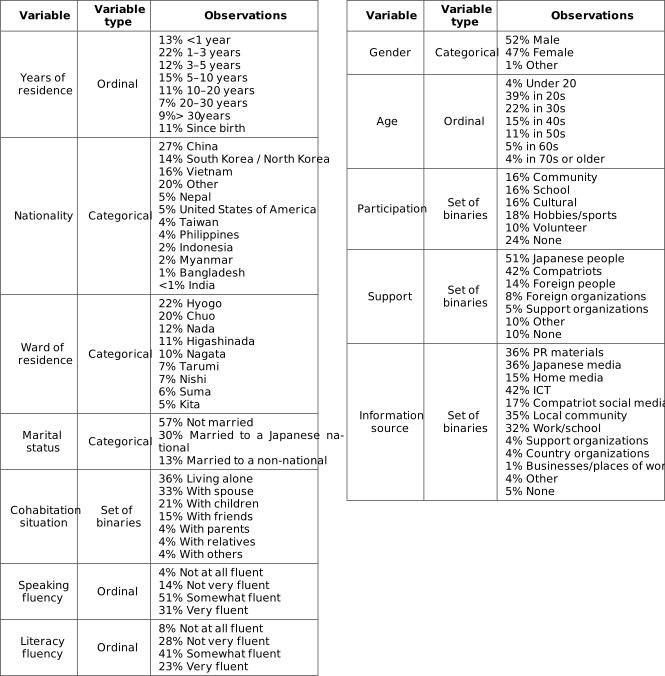
Table 5. Fisher’s exact test for KICC awareness and speaking fluency.
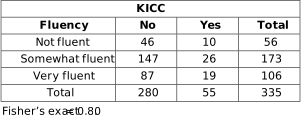
Table 6. Fisher’s exact test for KICC awareness and exposure.
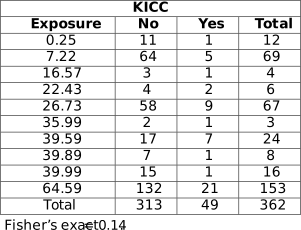
Table 7. Fisher’s exact test for HIA awareness and speaking fluency.
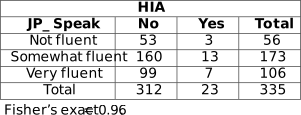
Table 8. Fisher’s exact test for HIA awareness and exposure.
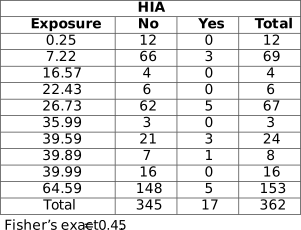
Table 9. Raw probit regression results for behaviors and awareness.
Acknowledgments
Special thanks to Professor Naofumi Fujimura, Graduate School of Law, Kobe University, for allowing me to be part of the 2023 Kobe Foreign Residents Survey team.
- [1] Geospatial Information Authority of Japan, “GSI Maps (Chiriin Chizu).” https://maps.gsi.go.jp/ [Accessed January 20, 2026]
- [2] Policy Division, Planning and Coordination Bureau, Kobe City, “Gaikokujin no jinkō [Foreign resident population],” Kobe City Statistical Portal, 2025 (in Japanese). https://www.city.kobe.lg.jp/a47946/shise/tokei/jinkou/kokusekibetsu.html [Accessed June 30, 2025].
- [3] Kobe University, “2023 Kobe City foreign residents survey dataset,” 2023 (unpublished).
- [4] Hanshin-Awaji Earthquake Disaster Countermeasures Headquarters, Kobe City, “Hanshin-Awaji daishinsai: Kobe-shi no kiroku 1995-nen [Kobe City’s records of the Hanshin-Awaji Earthquake 1995],” 1996 (in Japanese).
- [5] Secretariat of the National Committee for the International Decade for Natural Disaster Reduction, “Hanshin-Awaji daishinsai ni okeru Zainichi Gaikokujin hisai jōkyō chōsa [Survey on the impact of the Great Hanshin-Awaji Earthquake on foreign residents in Japan],” 1995 (in Japanese).
- [6] R. Kusunoki and K. Hashimoto, “Is ‘easy Japanese’ a language option? Local responses to the increasing foreign resident population from Southeast Asia,” Asian Stud. Rev., Vol.46, No.4, pp. 613-630, 2022. https://doi.org/10.1080/10357823.2022.2075322
- [7] S. Uekusa, “Disaster linguicism: Linguistic minorities in disasters,” Lang. Soc., Vol.48, No.3, pp. 353-375, 2019. https://doi.org/10.1017/S0047404519000150
- [8] S. Uekusa and S. Matthewman, “Preparing multilingual disaster communication for the crises of tomorrow: A conceptual discussion,” Int. J. Disaster Risk Reduct., Vol.87, Article No.103589, 2023. https://doi.org/10.1016/j.ijdrr.2023.103589
- [9] M. Henry, A. Kawasaki, and K. Meguro, “Disaster information-gathering behavior after the Tohoku Earthquake Part 2: Results of foreign respondents,” Proc. 10th Int. Symp. New Technol. Urban Saf. Mega Cities Asia, 2011.
- [10] M. Henry, A. Kawasaki, and K. Meguro, “Foreigners’ disaster information gathering behavior after the 2011 Tohoku Earthquake Part 3: Analysis of foreign students considering their post-disaster action,” Seisan Kenkyu, Vol.64, No.4, pp. 497-503, 2012. https://doi.org/10.11188/seisankenkyu.64.497
- [11] M. F. Shah and O. Murao, “Foreigners’ evacuation behavior in the Great East Japan Earthquake: A case of Iwaki City in Fukushima Prefecture,” J. Disaster Res., Vol.8, No.sp, pp. 802-813, 2013. https://doi.org/10.20965/jdr.2013.p0802
- [12] I. Petraroli and R. C. Baars, “Disaster preparedness communication and perception of foreign residents in Kansai, Japan: A socio-cultural study,” Aust. J. Emerg. Manag., Vol.37, No.2, pp. 81-89, 2022. https://doi.org/10.47389/37.2.81
- [13] M. B. F. Bisri and A. Sakurai, “Foreign residents’ risk perception and disaster preparedness outreach in Kobe City,” Proc. 9th Annu. Int. Workshop Expo Sumatran Tsunami Disaster Recovery, pp. 29-40, 2014.
- [14] A. Iizuka, “Disaster perception and preparation among foreign versus local university students in Japan: A comparative study,” Prog. Disaster Sci., Vol.15, Article No.100239, 2022. https://doi.org/10.1016/j.pdisas.2022.100239
- [15] M. Nishiyama and G. H. Glauberman, “Disaster preparedness among foreign residents in a rural area of Japan: A qualitative pilot study,” Health Emerg. Disaster Nurs., Vol.9, No.1, pp. 62-73, 2022. https://doi.org/10.24298/hedn.2020-0013
- [16] K. Phuaknian and Y. Toyoda, “Factors contributing to community-based disaster risk reduction for foreign residents in Japan,” J. Asia-Japan Res. Inst. Ritsumeikan Univ., Vol.4, pp. 158-174, 2022.
- [17] Benazir, Syamsidik, Y. Idris, and N. P. Putra, “Connecting community’s perspectives on tsunami risk to anticipated future tsunamis: A reflection from a coastal community in Aceh-Indonesia, after 19 years of the 2004 Indian Ocean Tsunami,” Geoenviron. Disasters, Vol.10, Article No.21, 2023. https://doi.org/10.1186/s40677-023-00252-7
- [18] S. Wang, J. Iwata, and H. Hatakeyama, “A survey on the disaster preparedness status of foreign residents in Japan,” Proc. 28th Int. Conf. Comput. Educ., Vol.2, pp. 246-253, 2020.
- [19] R. Dasgupta, M. Basu, P. Kumar, B. A. Johnson, B. K. Mitra, R. Avtar, and R. Shaw, “A rapid indicator-based assessment of foreign resident preparedness in Japan during Typhoon Hagibis,” Int. J. Disaster Risk Reduct., Vol.51, Article No.101849, 2020. https://doi.org/10.1016/j.ijdrr.2020.101849
- [20] J. S. Becker, D. Paton, D. M. Johnston, K. R. Ronan, and J. McClure, “The role of prior experience in informing and motivating earthquake preparedness,” Int. J. Disaster Risk Reduct., Vol.22, pp. 179-193, 2017. https://doi.org/10.1016/j.ijdrr.2017.03.006
- [21] D. N. Sattler, C. F. Kaiser, and J. B. Hittner, “Disaster preparedness: Relationships among prior experience, personal characteristics, and distress,” J. Appl. Soc. Psychol., Vol.30, No.7, pp. 1396-1420, 2006. https://doi.org/10.1111/j.1559-1816.2000.tb02527.x
- [22] T. Kato, “Sharing experience by residents of past disaster sites: Effects of time from disasters and types of experience,” Int. J. Disaster Risk Reduct., Vol.61, Article No.102390, 2021. https://doi.org/10.1016/j.ijdrr.2021.102390
- [23] K. F. Gotham and B. Powers, “Constructing and contesting resilience in post-disaster urban communities,” J. Hannigan and G. Richards (Eds.), “The Sage handbook of new urban studies,” pp. 139-154, SAGE Publications, 2017.
- [24] Y. Matsuda and N. Okada, “Relevance analysis between indirect disaster experience and household earthquake preparedness,” Annu. Disaster Prev. Res. Inst. Kyoto Univ., Ser. B, Vol.49, pp. 155-165, 2006.
- [25] M. M. Ikeda and A. G. Ozanne, “Human security, social competence and natural disasters in Japan and New Zealand: A case study of Filipino migrants,” Japan Soc. Innov. J., Vol.6, No.1, pp. 42-60, 2016. https://doi.org/10.12668/jsij.6.42
- [26] Y. Liu, L. Cao, D. Yang, and B. C. Anderson, “How social capital influences community resilience management development,” Environ. Sci. Policy, Vol.136, pp. 642-651, 2022. https://doi.org/10.1016/j.envsci.2022.07.028
- [27] Bündnis Entwicklung Hilft and IFHV, “World risk report 2023,” 2023. https://weltrisikobericht.de/en/ [Accessed June 30, 2025]
- [28] Hyogo Prefectural Government, “Reiwa 4th year (2022) Hyogo Prefectural resident monitor survey report,” 2023 (in Japanese). https://web.pref.hyogo.lg.jp/kk04/documents/r4-4monitor.pdf [Accessed October 24, 2025]
- [29] Kobe City Government, “2024 Kobe City net monitor survey report,” Kobe City Government, 2024 (in Japanese). https://www.city.kobe.lg.jp/documents/73233/20240801netmonitor.pdf [Accessed October 24, 2025]
- [30] M. Verkuyten, “The integration paradox: Empirical evidence from the Netherlands,” Am. Behav. Sci., Vol.60, Nos.5-6, pp. 583-596, 2016. https://doi.org/10.1177/0002764216632838
- [31] I. Petraroli and J. Singer, “Gender in Japan: The unseen aspect of natural disaster risks,” Proc. 3rd Int. Conf. Gender Res., 2020. https://doi.org/10.34190/IGR.20.058
- [32] I. Petraroli and R. Baars, “To be a woman in Japan: Disaster vulnerabilities and gendered discourses in disaster preparedness in Japan,” Int. J. Disaster Risk Reduct., Vol.70, Article No.102767, 2022. https://doi.org/10.1016/j.ijdrr.2021.102767
- [33] L. Dominelli, “Rethinking masculinity in disaster situations: Men’s reflections on the 2004 tsunami in southern Sri Lanka,” Int. J. Disaster Risk Reduct., Vol.48, Article No.101594, 2020. https://doi.org/10.1016/j.ijdrr.2020.101594
- [34] Council of Local Authorities for International Relations, “FY2024 business report (annual report 2024–2025),” 2025 (in Japanese). https://www.clair.or.jp/j/clair/docs/01_R6jigyohokoku.pdf [Accessed October 24, 2025]
- [35] Kobe City Board of Education, “International education in Kobe City,” 2025 (in Japanese). https://www.city.kobe.lg.jp/a73576/kyouiku/kokusai/kokusai_education.html [Accessed October 24, 2025]
This article is published under a Creative Commons Attribution-NoDerivatives 4.0 Internationa License.