
Paper:
A Study on Lessons Learned from Human Resources in Housing Damage Assessment Operations: A Case Study of Himi City, Toyama Prefecture in the Noto Peninsula Earthquake of 2024
Yasuhiro Komatsubara*,† and Munenari Inoguchi**

*Graduate School of Science and Engineering, University of Toyama
3190 Gofuku, Toyama, Toyama 930-8555, Japan
†Corresponding author
**College of Policy Science, Ritsumeikan University
Ibaraki, Japan

The housing damage assessment operation in Himi City, Toyama Prefecture—affected by the 2024 Noto Peninsula Earthquake—is recognized as an advanced case of collaboration among local officials, the prefectural government, and experienced engineers. This study used disaster ethnography with five key personnel. Verbatim transcripts were analyzed using quantitative text analysis and SCAT, a qualitative data analysis method. Comparison of the analytical results identified five key points of tacit knowledge: the need for a cross-departmental structure to support assessments and certificate issuance; the substantial burden on municipalities receiving counterpart support; the importance of developing operational procedures and improving residents’ understanding; the potential for effective collaboration; and the need to establish a unified institutional framework for the post-support phase. These findings contribute to practical knowledge frameworks for future disaster response.
1. Introduction
1.1. Techniques for Extracting Lessons and Knowledge from Disaster Experiences and Depicting Situational Contexts
Disaster ethnography has been proposed as a method to extract tacit knowledge related to disaster response and convert it into explicit knowledge, thereby deepens understanding of disaster processes 1,2,3. Rooted in the tradition of ethnography in cultural anthropology, this approach is characterized by its emphasis on documenting and visualizing practical knowledge through the narratives of individuals directly involved. Conventional ethnography has traditionally focused on understanding foreign cultures, often in the context of colonialism or subcultural studies. Its application in the field of disaster risk reduction has shifted to standardizing insights from within disaster response settings to facilitate shared understanding 4.
In recent years, municipal officials have reported case studies 5,6, and disaster ethnography has gained use as training material 7,8. Although disasters are infrequent, they have a significant impact on society and organizations is profound. As a result, practical approaches such as context-sensitive system design 9 and clarification of operational processes 10 have been proposed to address the complexities of disaster situations.
Various methods, such as textual descriptions and illustrations, have been developed to document and visualize disaster scenarios 1,2,3,11,12. These approaches represent diverse perspectives and have contributed to making disaster response more visible and understandable. However, to effectively utilize the lessons and knowledge gained from disaster response as systematic insights that advance disaster literacy, it is essential to establish methodologies that ensure objectivity, reliability, and validity, while clearly identifying key elements from past disaster response cases.
1.2. Housing Damage Assessment Operation: A Critical and Unavoidable Task in Post-Disaster Recovery
In Japan, housing damage assessment operation is an administrative procedure used to evaluate structural damage caused by various disasters and to formally identify affected households. It is one of the unavoidable responsibilities of disaster-stricken municipalities and is regarded as a high-burden operation, alongside shelter management and the distribution of relief supplies 13.
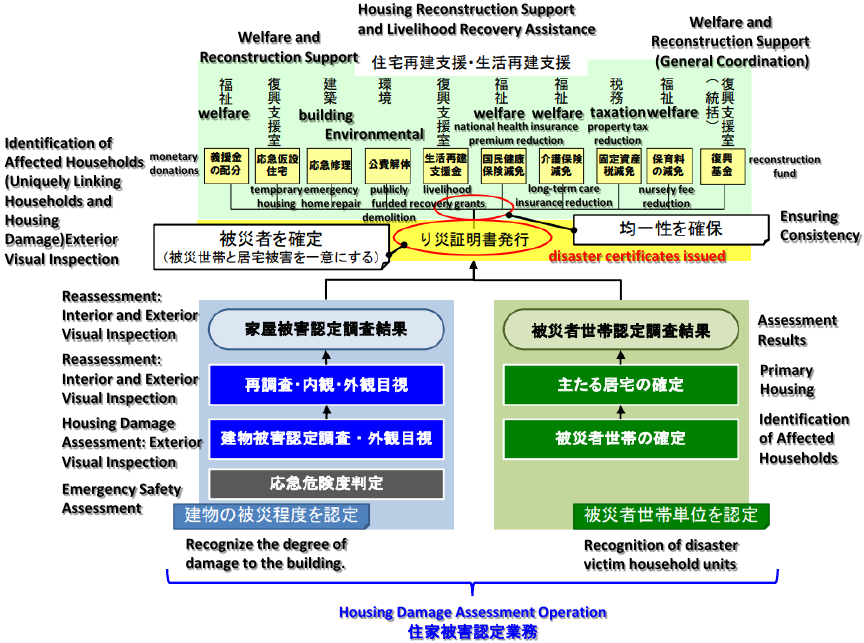
Fig. 1. Positioning of housing damage assessment operation and disaster victim certificate 14.
Housing damage assessment operation is composed of a series of procedures carried out under constraints of limited time and personnel. These procedures include individual building damage inspections, accepting applications for disaster victim certificates, and promptly issuing a large volume of certificates based on those applications (Fig. 1). The disaster victim certificate is an official document issued by the head of the local government, certifying the extent of damage sustained by a building due to a disaster. The basis for this procedure lies in the Disaster Countermeasures Basic Act, the implementation guidelines issued by the Cabinet Office for Disaster Management 15, and the Act on Support for Reconstructing the Lives of Disaster Victims. The damage classification indicated on the disaster victim certificate serves as a critical basis for determining eligibility for various housing reconstruction and livelihood support programs. Given its significance, the execution of housing damage assessment requires municipal staff to possess a high level of disaster literacy. Accordingly, the development of training systems during non-disaster periods and the promotion of standardized procedures constitute essential challenges that must be addressed.
According to findings from previous research 16, the workload associated with the issuance of disaster victim certificates exhibits similar patterns across different disasters and continues to impose a substantial operational burden today. This issue is not unique to Japan; international studies have addressed administrative burdens from various perspectives 17. Therefore, extracting lessons from disaster response practices is of great importance.
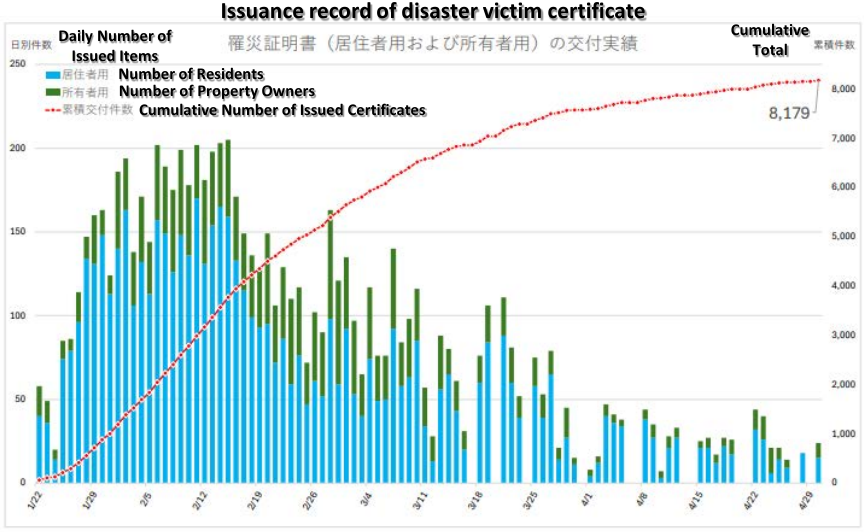
Fig. 2. Issuance record of disaster victim certificate 14.
1.3. Housing Damage Assessment Operation in Himi City, Toyama Prefecture in the Noto Peninsula Earthquake of 2024
In the aftermath of the 2024 Noto Peninsula Earthquake, Himi City in Toyama Prefecture—one of the affected areas—undertook housing damage assessment operations. Due to its proximity to Ishikawa Prefecture and the presence of soft ground conditions, Toyama Prefecture experienced a significant number of severely damaged residences. In Himi City, which was closest to the epicenter within Toyama Prefecture, although no fatalities were reported, the damage included 225 completely destroyed houses, 485 partially destroyed, and 5,673 with minor damage 18. Housing damage assessment operation in Himi City have garnered attention as an advanced case of collaboration between the city government, Toyama Prefecture (which coordinated counterpart support efforts), and engineers with expertise in damage assessment 19. Counterpart support is a form of mutual aid system implemented among prefectural governments in Japan during disaster response. Notably, Himi City had not implemented a disaster recovery support system prior to the earthquake. As a result, the support efforts included the development of both a damage assessment support system (for inputting survey results and issuing disaster victim certificates) and a victim registry system. These measures enabled rapid information management and certificate issuance from the early stages of disaster response, thereby enhancing the effectiveness of victim support. Although prior studies on housing damage assessment exist, few have deeply engaged with both the building damage survey and the issuance of disaster victim certificates. The case of Himi City thus represents a highly valuable example, offering practical insights for future disaster response, particularly in the areas of personnel training and procedural standardization. Fig. 2 presents the issuance data of disaster certificates in Himi City following the 2024 Noto Peninsula Earthquake.
1.4. Aim of This Study
This study focuses on the housing damage assessment operation, which continues to impose a significant workload on local governments during disasters. Its primary objective is to extract lessons learned and knowledge from disaster response practices. In particular, the extraction of such insights accumulated in the field requires a methodology that emphasizes objectivity, reliability, and validity, ensuring that the findings can be effectively utilized in future disaster responses.
To this end, the study uses interview-based research with personnel responsible for housing damage assessment operations in Himi City, Toyama Prefecture—a disaster-stricken area during the 2024 Noto Peninsula Earthquake, which serves as an advanced case of real-world disaster response. Through this investigation, the study aims to identify key issues, innovative practices, and decision-making rationales embedded in individual cases, thereby facilitating the extraction of actionable lessons and knowledge for future disaster management.
2. Requirements for Extracting Lessons and Knowledge in Housing Damage Assessment Operation
This section reviews previous studies related to the extraction of lessons and knowledge from housing damage assessment operation and clarifies the overall framework and significance of this research.
2.1. Attempts to Extract Lessons and Knowledge from Disaster Experience
A wide range of previous studies have explored methods for extracting lessons and knowledge from disaster response efforts, employing diverse expressive techniques. For instance, some studies have attempted artistic representations based on survivors’ narratives 12, while others described mass issuance operations of disaster victim certificates issued from a project management perspective 1, and applied the KPT (Keep, Problem, Try) retrospective framework 20. Reflections on disaster response are, of course, not unique to Japan; similar discussions have also been conducted by agencies such as FEMA in the United States 21. These efforts aim to organize the disaster response process from multiple perspectives and have yielded meaningful insights. However, a persistent challenge lies in the influence of researchers’ subjectivity on analytical outcomes. As a result, it has not always been easy to clarify key points in disaster response cases and organize them in a manner that allows for meaningful comparison.
Given these circumstances, it is essential to adopt approaches that prioritize objectivity and accurately capture the realities of disaster response on the ground. This includes designing methodologies that ensure reproducibility (i.e., consistent results when analyzing the same data), transparency of analytical procedures (i.e., clearly documented processes that allow third-party verification), and stakeholder involvement (i.e., minimizing researcher bias and incorporating voices from the field).
2.2. Housing Damage Assessment Operation as a Significant Administrative Burden
Analyses of the 2018 Northern Osaka Earthquake have shown that, although the division of roles during the preparedness phase had been organized in advance, interviews with responding personnel revealed that housing damage assessment operations required a substantial amount of manpower 13. Furthermore, the workload tended to become concentrated within specific departments due to the influence of routine administrative responsibilities. Additional investigations have reported that housing damage assessment was the task for which the largest number of municipalities required external support personnel 22. Moreover, a rapid survey of support staff deployed during the 2024 Noto Peninsula Earthquake indicated that this operation was the one to which the highest number of support personnel were assigned 23. Research on personnel allocation during actual disaster responses has also progressed. For example, one study clarified the mass issuance process of disaster victim certificates, documented the actual allocation of human resources, and proposed more appropriate staffing strategies 24. Another study argued for the necessity of delegating authority not only within affected municipalities but also to support personnel dispatched through counterpart support arrangements 25.
2.3. Novelty and Positioning of This Study
To date, various expressive techniques have been employed in attempts to extract lessons and knowledge from housing damage assessment operation. However, methodologies that minimize subjectivity, ensure objectivity, clarify analytical procedures, and incorporate the involvement of respondents to prevent researcher-driven bias remain insufficiently established.
The housing damage assessment operation targeted in this study continues to impose a significant burden on disaster-affected municipalities, while also playing a critical role in the recovery of affected residents. Although disasters occur infrequently, their impact is often severe. Therefore, it is essential to extract lessons and knowledge from actual disaster response practices from multiple perspectives, enabling a comprehensive understanding that can inform future preparedness and operational improvements. Although prior research on housing damage assessment operations exists to some extent, there are few documented cases in which researchers were deeply involved in both building damage surveys and the issuance of disaster victim certificate, while also providing direct support. In this regard, the housing damage assessment operation conducted in Himi City, Toyama Prefecture—an area affected by the 2024 Noto Peninsula Earthquake—constitutes an exceptionally valuable case for describing and organizing the realities of such operations. This case underscores both the novelty and the significance of the present study.
Focusing on the personnel involved in housing damage assessment operation in Himi City, this study aims to convert tacit knowledge into explicit knowledge and generate insights that contribute to disaster literacy and the development of practical disaster response capabilities.
3. Multidimensional Analysis Based on Disaster Ethnography
This study aims to generate insights that contribute to disaster literacy by converting tacit knowledge into explicit knowledge, with a focus on personnel involved in housing damage assessment operations. To achieve this, a disaster ethnography-based investigation was conducted through interviews with operational staff.
Based on the collected data, quantitative text analysis 26,27 was applied to objectively identify patterns and characteristics within the data. In parallel, the Steps for Coding and Theorization (SCAT) qualitative analysis method 28,29 was employed to explore the deeper meanings behind the narratives.
By comparing the results of these multiple analytical approaches, the study identifies both commonalities and differences, thereby clarifying key points relevant to personnel in housing damage assessment operations. This methodology enables a multidimensional understanding of the structure and depth of information embedded within disaster response narratives (Fig. 3).
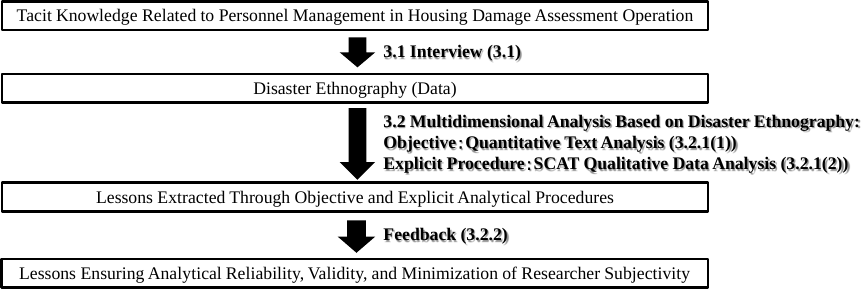
Fig. 3. Research overview.
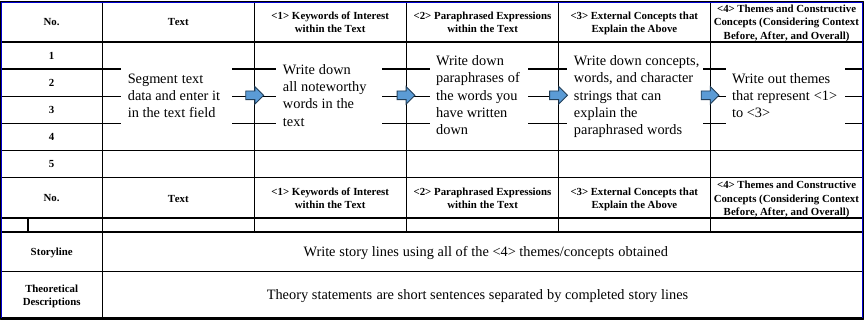
Fig. 4. SCAT form (adapted and modified by the author based on 28,29).
3.1. Disaster Ethnography for Describing Operational Realities and Challenges in Disaster Response
This study attempts to extract tacit knowledge from personnel involved in housing damage assessment operations and convert it into explicit knowledge. To achieve this, the method of disaster ethnography is adopted as a means of describing the realities and challenges encountered in disaster response settings. Disaster ethnography is widely used as a methodology for formalizing the tacit knowledge held by individuals in disaster-affected areas, thereby deepening understanding of disaster processes 1,2,3. Efforts are underway to standardize this approach to make it accessible and applicable to a broad range of users 4.
A key feature of this method is that operational personnel involved in disaster response articulate their experiences in their own words, which are then documented in a form that is understandable to third parties. Specifically, the approach involves: 1) the use of unstructured interviews, 2) the chronological development of topics, and 3) the presentation of perspectives aimed at eliciting lessons learned.
3.2. Multidimensional Analysis Through the Integration of Multiple Analytical Methods
To comprehensively capture the realities of disaster response in housing damage assessment operations, this study adopts a multidimensional analytical approach by integrating multiple methods. In particular, to convert tacit knowledge derived from the narratives of operational personnel into explicit knowledge, both quantitative and qualitative analytical techniques are employed. This combination enables the study to balance objectivity in description with a deeper understanding of the underlying context.
3.2.1. Extraction of Lessons and Knowledge: Quantitative Text Analysis and Qualitative Data Analysis: SCAT
(1) Quantitative text analysis
As a quantitative approach, this study employs KH Coder, a text mining tool that integrates content analysis principles with computational techniques. KH Coder is a GUI-based software for quantitative text analysis that enables visual interpretation of word occurrence patterns and relationships through outputs such as co-occurrence networks.
The tool uses the Jaccard coefficient to classify relationships between words 26,27, and its clearly defined processing steps ensure reproducibility of analytical results. In this study, verbatim transcripts obtained through disaster ethnography are analyzed using KH Coder to conduct content analysis from an objective perspective.
(2) Quantitative data analysis: SCAT
As a qualitative approach, this study employs the SCAT method. SCAT is widely used in fields such as educational technology, healthcare, and social care due to its structured analytical procedure and accessibility for beginners 28,29.
The method involves segmenting text data and conducting four stages of coding (Fig. 4): 1) Extracting notable words or phrases from the text, 2) identifying external words or expressions that paraphrase the extracted terms, 3) assigning external concepts that explain the paraphrased terms, 4) clarifying emerging themes and conceptual structures. These themes and concepts are then woven into a storyline, which can ultimately be developed into a theoretical framework.
SCAT enables the derivation of theoretical insights grounded in qualitative data through an explicit and stepwise conceptualization process. It is considered an effective approach for producing transparent and reproducible analytical outcomes.
3.2.2. Feedback to Operational Personnel
In this study, feedback was conducted based on the approach proposed by Komatsubara et al. 10, with the aim of minimizing researcher subjectivity and ensuring the reliability and validity of the analysis. During the feedback process, particular attention was paid to the fragmented and occasionally contradictory nature of comments provided by the interviewees. To address this, transcripts obtained from interviews with multiple operational personnel were analyzed using both quantitative text analysis and the SCAT method. The results of these analyses were then presented to each interviewee for review. This procedure not only enhances the transparency of the analytical process but also improves the validity of the findings by incorporating the perspectives of the respondents themselves. This method contributes to ensuring internal validity, as the feedback obtained from participants is used to verify that the analytical results are consistent with the original phenomena and their contextual meanings. Furthermore, because the feedback process allows us to confirm whether the labels used in the analysis appropriately reflect the participants’ own perceptions, it also contributes to securing construct validity.
4. Applicability to Housing Damage Assessment Operations in Himi City Following the 2024 Noto Peninsula Earthquake
This section presents the disaster ethnography of housing damage assessment operations in Himi City after the 2024 Noto Peninsula Earthquake. This study conducted quantitative text analysis 26,27 and the SCAT qualitative analysis method 28,29 to the collected verbatim data, aiming to extract lessons embedded in the experiences and decision-making processes of the personnel involved. Through these analytical approaches, the study examines the applicability of methods for deriving knowledge and insights from actual disaster response practices.
4.1. Overview of Implementation
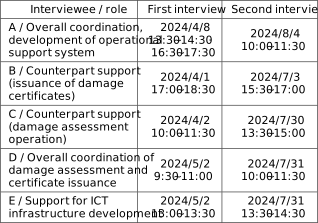
As shown in Table 1, this study conducted a disaster ethnography investigation targeting five key personnel who played central roles in the housing damage assessment operations in Himi City during the 2024 Noto Peninsula Earthquake. To ensure the reliability and validity of the analysis while minimizing researcher subjectivity, participant feedback was incorporated into the research process. In addition to the interviews, follow-up confirmations were conducted via email to verify and refine the summarized findings, thereby enhancing the credibility of the results.
Table 1. Interview survey schedule.
4.2. Analysis Results
4.2.1. Interviews with Implementation Personnel
In this proposed methodology, we adopted the disaster ethnography approach outlined by Tanaka et al. 4. In the initial round of interviews, the investigator conducted unstructured interviews with the personnel responsible for the implementation of housing damage assessment operations. The interviews were structured around three guiding themes: (1) current roles, focusing on the responsibilities they held during the housing damage assessment at the time; (2) ideal conditions, examining how they perceived the desirable or appropriate state of the operations; and (3) problems, identifying the issues that needed to be resolved in order to realize the ideal conditions. In the initial interviews, the conversation was guided by a chronological framework, allowing topics to develop sequentially over time. The audio data obtained from the initial round of interviews were transcribed and organized into structured transcripts. Using the disaster ethnography method, the transcripts were segmented into meaningful units, each labeled by the researcher. Labels with similar meanings were then grouped into overarching categories. As a result, 23 categories and 154 labels were extracted. Furthermore, focusing on content related to human resources, 13 categories and 107 labels were identified.
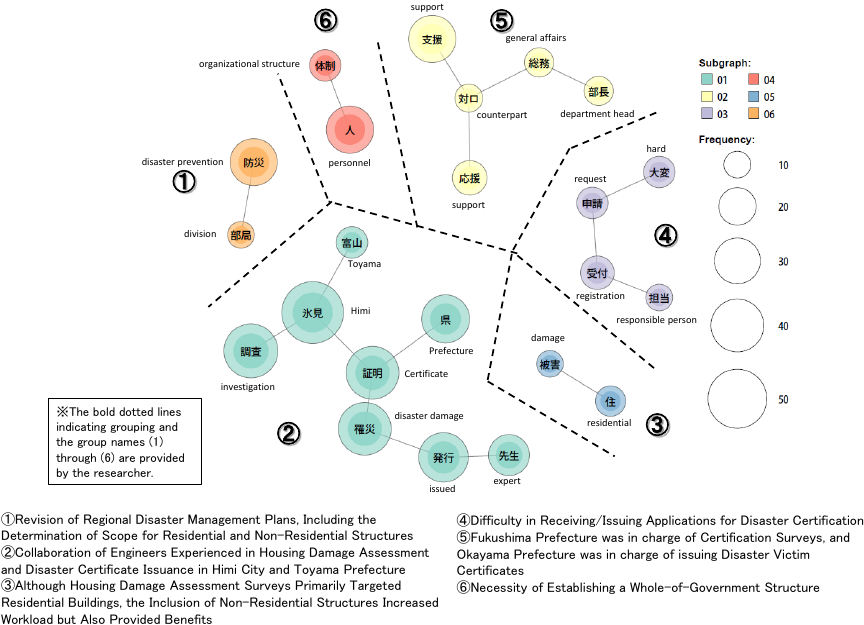
Fig. 5. Co-occurrence network.
4.2.2. Extraction of Lessons and Knowledge: Quantitative Text Analysis and Qualitative Data Analysis: SCAT
(1) Quantitative text analysis
Focusing on content related to human resources, we applied quantitative text analysis to the transcripts comprising 13 categories and 107 labels. As a result, the data were classified into six distinct groups (Fig. 5).
To ensure the clarity and interpretability of word groupings—particularly when a large number of terms are visualized—we limited the analysis to word associations that appeared at least ten times and had a Jaccard coefficient of 0.2 or higher. The Jaccard coefficient is a measure of similarity between two sets, and a value of 0.2 or above is interpreted as indicating a strong association 26,27. In this study, a morphological analysis was conducted in Japanese, and a co-occurrence network was generated using the KH Coder. Note that the words visualized in the co-occurrence network were translated into English specifically for the purposes of this study; therefore, the English terms displayed in the network do not necessarily represent actual co-occurrences in the original Japanese text. For the co-occurrence network shown in Fig. 5, the KWIC concordance function of KH Coder was used to examine how each extracted term was used within its original context. Based on these contextual examinations, the extracted terms were organized, and the investigator assigned six group labels (Fig. 6). Each group name was subsequently reviewed by the interview participants to ensure its appropriateness.
(2) Quantitative data analysis: SCAT
Focusing on content related to human resources, we designated the 13 extracted categories as the target text for analysis and applied the SCAT method. As a result, four theoretical descriptions were derived (Figs. 7 and 8; Table 2).
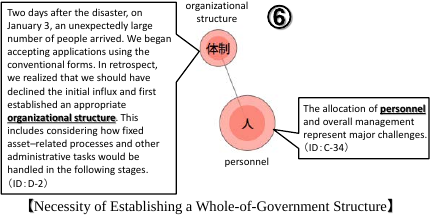
Fig. 6. Group labels assigned in the quantitative text.
4.2.3. Feedback to Operational Personnel
Based on the interview findings with the implementation personnel, the investigator provided feedback on the results of both the quantitative text analysis and the SCAT-based qualitative analysis to each individual. Consensus was obtained through this feedback process.
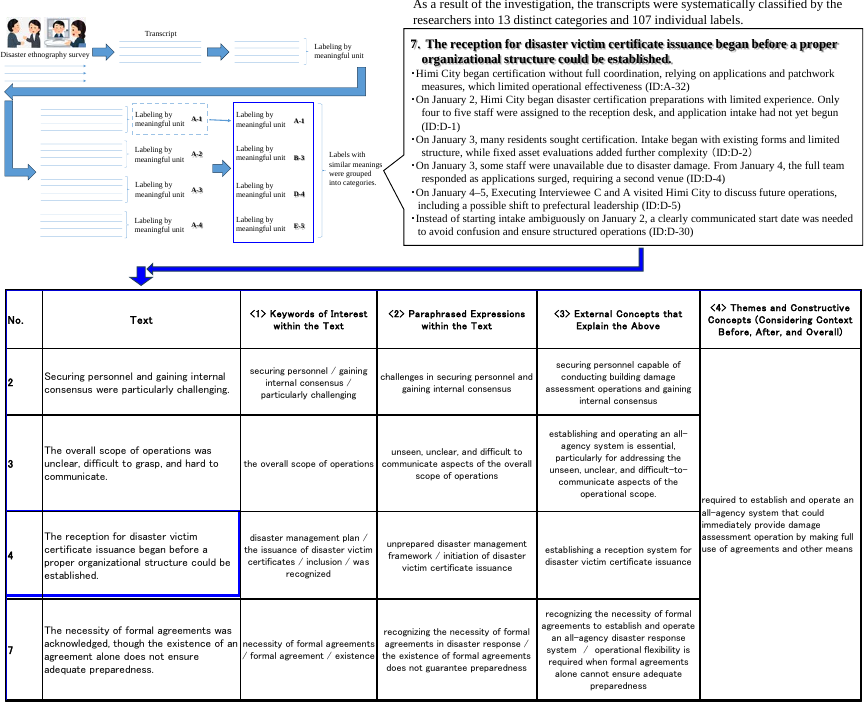
Fig. 7. SCAT analysis procedure (excerpt) ①.
5. Discussion
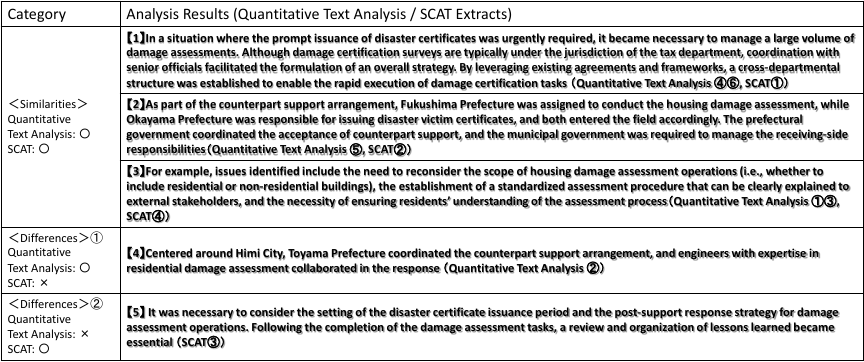
This section discusses the insights gained through a comparative analysis of the results from quantitative text analysis and the SCAT method. By examining the commonalities and differences between the two approaches, five key points related to human resources in the case study were identified (Table 3). The commonalities, derived from both analytical methods, are considered to be highly reliable findings. Meanwhile, the differences—points ① and ④—also represent important issues clarified through each respective analysis.
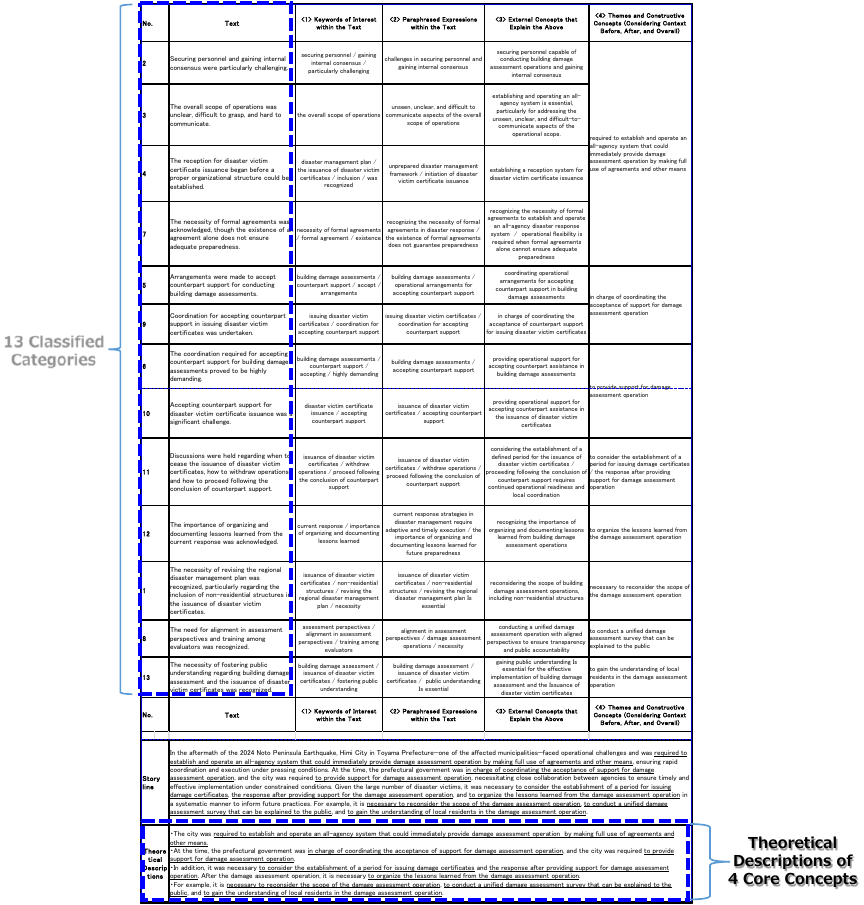
Fig. 8. SCAT analysis procedure (excerpt) ②.
Table 2. Theoretical descriptions from SCAT (bold and underlined: \(\langle 4\rangle\) themes and constructive concepts).

Table 3. Summary of findings from the quantitative text analysis and SCAT.
5.1. Insights from the Comparative Analysis: Commonalities and Differences
5.1.1. Commonalities
In this case study, focusing on the overlapping elements extracted through both quantitative text analysis and SCAT enabled the clarification of practical challenges and strategic responses in disaster-related operations. One key insight was: (1) in a situation where the prompt issuance of disaster certificates was urgently required, it became necessary to manage a large volume of damage assessments. Although damage certification surveys are typically under the jurisdiction of the tax department, coordination with senior officials facilitated the formulation of an overall strategy. By leveraging existing agreements and frameworks, a cross-departmental structure was established to enable the rapid execution of damage certification tasks (quantitative text analysis ④⑥, SCAT ①). This description reveals the post-disaster reality in which affected residents rushed to municipal offices seeking certification. Voices from the field indicate that, despite insufficient preparation, staff had no choice but to begin accepting applications—highlighting the critical importance of early-stage organizational readiness in disaster response. Furthermore, the situation in which the department responsible for routine tax-related operations was tasked with conducting housing damage assessments operation—one of the most demanding aspects of disaster response—proved to be extremely challenging. Given the limited number of personnel, a critical issue was how to establish a comprehensive, organization-wide response framework. This required organizational flexibility and strategic allocation of human resources to effectively manage disaster-related operations.
(2) As part of the counterpart support arrangement, Fukushima Prefecture was assigned to conduct the housing damage assessment, while Okayama Prefecture was responsible for issuing disaster victim certificates, and both entered the field accordingly. The prefectural government coordinated the acceptance of counterpart support, and the municipal government was required to manage the receiving-side responsibilities (quantitative text analysis ⑤, SCAT ②), the burden placed on municipalities in managing support personnel under the counterpart support framework became evident. While expressions of gratitude toward the dispatching municipalities were noted, the need to manage incoming support staff while simultaneously responding to affected residents placed a significant strain on frontline personnel. This situation revealed numerous organizational challenges related to the structure and capacity of the response system.
(3) For example, issues identified include the need to reconsider the scope of housing damage assessment operations (i.e., whether to include residential or non-residential buildings), the establishment of a standardized assessment procedure that can be clearly explained to external stakeholders, and the necessity of ensuring residents’ understanding of the assessment process (quantitative text analysis ①③, SCAT ④), these findings highlight the importance of flexibility in institutional operations and accountability in explanation. Although the regional disaster prevention plan of Himi City included both housing and non-housing buildings as assessment targets, there were differing opinions regarding the treatment of non-housing structures, especially in light of the goal of promptly issuing disaster certificates. Given the institutional complexity of housing damage assessments, it is considered beneficial for affected residents to have a basic understanding of the system and its criteria, as this contributes to smoother implementation and operation of the procedures.
5.1.2. Differences
Difference ① refers to an item that was extracted through quantitative text analysis but did not appear in the theoretical descriptions derived from SCAT. Specifically, as indicated in the statement, “(4) Centered around Himi City, Toyama Prefecture coordinated the counterpart support arrangement, and engineers with expertise in residential damage assessment collaborated in the response (quantitative text analysis ②),” support coordination was conducted under the counterpart support arrangement despite the large number of applicants. In the absence of an implemented disaster recovery support system, external support personnel entered the field to assist in constructing operational support systems and advancing disaster response efforts. Although this aspect was repeatedly emphasized by interviewees as a critical factor, it was not captured in the SCAT-based theoretical descriptions. This omission is interpreted as resulting from the researchers’ implicit assumption that such coordination was a “given,” and therefore it was not explicitly articulated during the SCAT coding process.
Difference ② refers to an item that was not extracted through quantitative text analysis but was identified in the theoretical descriptions derived from SCAT. Specifically, as indicated in the statement, “(5) It was necessary to consider the setting of the disaster certificate issuance period and the post-support response strategy for damage assessment operations. Following the completion of the damage assessment tasks, a review and organization of lessons learned became essential (SCAT ③),” the retrospective analysis of disaster response highlighted the importance of reflecting on the certificate issuance timeline and formulating independent municipal response strategies after the conclusion of counterpart support. Although these points were only briefly mentioned during the latter part of the interviews, they were recognized as significant and memorable issues by both the researchers and the interviewees, which likely led to their inclusion in the SCAT-based theoretical descriptions.
These differences offer important insights into the perceptions of both respondents and researchers, the analytical capacity of the investigators, and the characteristics of the analytical methods employed. By combining multiple analytical approaches, it becomes possible to reliably identify commonalities and, with an understanding of the context behind the extraction of differences, appropriately evaluate the unique perspectives revealed by each method.
5.2. Insights from the Comparative Analysis: Analytical Methods
In this study, quantitative text analysis and SCAT were combined to ensure the objectivity and reliability of the analysis. Quantitative text analysis can handle large volumes of textual data and provides highly objective results. However, due to its reliance on morphological segmentation, this method may fail to fully capture the contextual meaning and narrative structure of the text. In contrast, SCAT offers a transparent analytical procedure that enables researchers to interpret the overall meaning and context of the text with greater nuance. Nevertheless, SCAT requires considerable time and effort, making it more suitable for small-scale data analysis 28,29. While quantitative text analysis provides objective classification and SCAT provides explicit analytical procedures, the processes of labeling and category assignment in SCAT may still be influenced by the researcher’s interpretations and level of expertise. Therefore, to enhance the reliability of the analysis, it is necessary to combine multiple analytical approaches and incorporate measures such as participant feedback. In this study, considering the characteristics of both methods, quantitative text analysis and SCAT were employed together to examine the housing damage assessment operation in Himi City—an advanced case in the 2024 Noto Peninsula Earthquake—from both objective and context-sensitive perspectives. To strengthen the validity of the insights derived, feedback on the initial interview findings was obtained once from the participants.
6. Conclusion
This study focused on the housing damage assessment operations in Himi City, which was affected by the 2024 Noto Peninsula Earthquake. The disaster ethnography investigation was conducted targeting the practitioners directly involved in these operations. The transcripts obtained from the interviews were analyzed using quantitative text analysis and SCAT. By comparing and examining the results of both analytical methods, five key points of tacit knowledge held by the personnel involved in this case were identified. Disaster ethnography is expected to identify recurring challenges in disaster response and propose solutions. This methodology functions to minimize researcher subjectivity and to ensure the reliability and validity of the analysis through a structured feedback process. Moving forward, the insights gained from this study will be applied to other disaster response cases. Through comparative analysis, we aim to refine the methodology and contribute to the development of a systematic understanding of human resource development and disaster literacy in housing damage assessment operations.
Acknowledgments
This study was supported by the Ministry of Education, Culture, Sports, Science and Technology of Japan, under “The Third Earthquake and Volcano Hazards Observation and Research Program.” We would like to express our sincere gratitude to all individuals who kindly contributed to the progress of this research.
- [1] H. Hayashi and K. Shigekawa, “Producing disaster ethnography for the development of disaster ethnology,” Papers of the Annual Conf. of the Institute of Social Safety Science, Vol.7, pp. 376-379, 1997 (in Japanese).
- [2] H. Hayashi, K. Shigekawa, and S. Tanaka, “The key to disaster prevention: Disaster ethnography—Hidden words from the Great Hanshin-Awaji Earthquake,” NHK Publishing, 2009 (in Japanese).
- [3] K. Shigekawa, H. Hayashi, S. Tanaka, and H. Aono, “Ethnographic analysis of individual behavior following the Hanshin-Awaji Earthquake Disaster,” 12th World Conf. on Earthquake Engineering, 1288-1-6, 2000.
- [4] S. Tanaka, H. Hayashi, K. Shigekawa et al., “Development of standardized procedure for disaster ethnography—Interview, case, compilation, coding, and disaster process identification,” J. of Social Safety Science, Vol.2, pp. 267-276, 2000 (in Japanese). https://doi.org/10.11314/jisss.2.267
- [5] S. Sato and F. Imamura, “A process of creating a record book of disaster response from disaster occurrence to recovery phase by an affected local government: The actual situation based on observation and investigation of ‘Miyagi 3.11’ creation project,” J. of Social Safety Science, Vol.43, pp. 201-211, 2023 (in Japanese). https://doi.org/10.11314/jisss.43.201
- [6] Sendai City, “Learning from disaster experience: Sendai City staff transmission guidebook,” 2021 (in Japanese).
- [7] Disaster Management Division, Cabinet Office, “Standard text for the development and utilization of human resources in disaster prevention,” 2007 (in Japanese).
- [8] R. Yanagitani, Y. Suzuki, S. Sato et al., “Establishing of disaster ethnography research/editing/utilization process conducted by local government officials: Based on practice by Sendai city officials,” Papers of Workshop of the Great East Japan Earthquake, ISSS, Vol.10, pp. 47-50, 2021 (in Japanese).
- [9] M. Takashima, K. Shigekawa, and S. Tanaka, “External design of a system for disaster victims’ life recovery support based on ethnographical survey on life recovery support service provided by Ojiya city after Niigata-ken Chuetsu Earthquake,” J. of Social Safety Science, Vol.8, pp. 163-172, 2006 (in Japanese). https://doi.org/10.11314/jisss.8.163
- [10] Y. Komatsubara, H. Hayashi, M. Inoguchi et al., “Visualization business process of damage certificate issuing process from ethnographical interviews,” J. of Social Safety Science, Vol.10, pp. 77-87, 2008 (in Japanese). https://doi.org/10.11314/jisss.10.77
- [11] S. Sato, M. Nagamura, and F. Imamura, “Proposal of a systematic method to compile after action report in disaster by small and midsized organization – A case of disaster response of Shichigahama Town Volunteer Center in the 2011 Great East Japan Earthquake Disaster,” J. of Japan Society for Natural Disaster Science, Vol.34, No.3, pp. 225-241, 2015 (in Japanese).
- [12] R. Kimura and Y. Hayashi, “Development of the visualization method to extract the survivors’ knowledge and lessons learned from their experiences in disasters – Application to the 1944 Tonankai Earthquake and the 1945 Mikawa Earthquake,” Historical Earthquakes, Vol.21, pp. 235-244, 2005 (in Japanese).
- [13] H. Shuto, M. Baba, Y. Orihashi et al., “Comparative analysis on emergency operation system of local governments from the viewpoint of staff assignment and coordination,” J. of Social Safety Science, Vol.37, pp. 259-268, 2020 (in Japanese). https://doi.org/10.11314/jisss.37.259
- [14] M. Inoguchi, “Development and implementation of a prototype system for issuing disaster damage certificates based on core work-flow – A case study of Himi city in the 2024 Noto Peninsula Earthquake,” Proc. of the 23rd Forum on Information Science and Technology, 2024 (in Japanese).
- [15] Disaster Management Division, Cabinet Office, “Operational guidelines for housing damage certification standards related to disasters – Reference materials (examples of damage levels),” (in Japanese). https://www.bousai.go.jp/taisaku/pdf/r605sonsho_all_a4.pdf [Accessed August 31, 2025]
- [16] M. Inoguchi, K. Tamura, H. Hayashi, and K. Shimizu, “Time-series analysis of workload for support in rebuilding disaster victims’ lives – Comparison of the 2016 Kumamoto Earthquake with the 2007 Niigataken Chuetsu-oki Earthquake –,” J. Disaster Res., Vol.12, No.6, pp. 1161-1173, 2017. https://doi.org/10.20965/jdr.2017.p1161
- [17] E. J. Raker and T. Woods, “Disastrous burdens, Hurricane Katrina, federal housing assistance, and well-being,” The Russell Sage Foundation J. of the Social Sciences, Vol.9, No.5, pp. 122-143, 2023. https://doi.org/10.7758/RSF.2023.9.5.06
- [18] Disaster Prevention and Crisis Management Division, Toyama Prefecture, “Damage and resource status due to the 2024 Noto Peninsula Earthquake,” (in Japanese). https://www.pref.toyama.jp/documents/38062/higaishien45.pdf [Accessed August 31, 2025]
- [19] GIS NEXT, “Special feature: Prospects for disaster DX and the Noto Peninsula Earthquake – Realizing emergency response operations through trial and error,” Next Publishing, Vol.87, pp. 24-27, 2024 (in Japanese).
- [20] Y. Komatsubara and M. Inoguchi, “Proposal of a method for reflection on the responders’ knowledge assets learned from their experience in disasters,” J. of Social Safety Science, Vol.46, pp. 139-149, 2025 (in Japanese). https://doi.org/10.11314/jisss.46.139
- [21] FEMA, “Continuous improvement technical assistance program.” https://preptoolkit.fema.gov/web/cip-citap [Accessed December 21, 2025]
- [22] M. Numada, J. Bando, and S, Nakano, “Research on the effective mutual support during the initial phase of disasters,” J. of Social Safety Science, Vol.37, pp. 227-237, 2020 (in Japanese). https://doi.org/10.11314/jisss.37.227
- [23] T. Shibata and M. Numada, “Preliminary report on the 2024 Noto Peninsula Earthquake support personnel survey,” Seisan-Kenkyu, Vol.76, No.4, pp. 353-357, 2024 (in Japanese).
- [24] Y. Komatsubara, M. Inoguchi, and H. Hayashi, “Study on appropriate allocation of human resources based on actual disaster response,” Disaster Reduction Management, Vol.5, pp. 29-36, 2010 (in Japanese).
- [25] H. Fujiwara and E. Uesugi, “Clarifying the actual state of the operational management system with a focus on the process of delegation of authority from Wajima city to supporting organizations in the 2024 Noto Peninsula Earthquake: Through the activities of the general support team for building damage assessment,” J. of Japan Society for Natural Disaster Science, Vol.43, No.3, pp. 483-507, 2024 (in Japanese). https://doi.org/10.24762/jndsj.43.3_483
- [26] KH Coder, “KH Code Webpage,” 2001. https://khcoder.net/en/ [Accessed December 21, 2025]
- [27] K. Higuchi, “Quantitative Text Analysis for Social Research – Aiming for the Inheritance and Development of Content Analysis, 2nd ed.,” Nakanishiya Publishing, 2020 (in Japanese).
- [28] H. Otani, “SCAT: Steps for coding and theorization – A qualitative data analysis method with explicit procedures suitable for small-scale data,” J. of Kansei Engineering, Vol.10, No.3, pp. 155-160, 2011 (in Japanese). https://doi.org/10.5057/kansei.10.3_155
- [29] H. Otani, “Concepts of qualitative research – From research methodology to SCAT-based analysis,” Nagoya University Press, 2019 (in Japanese).
This article is published under a Creative Commons Attribution-NoDerivatives 4.0 Internationa License.