
Research Paper:
Automatic Music Generation Model Integrating Gradient Penalty Strategy and Wasserstein Distance
Yuhong He

School of Music and Dance, Aba Teachers University
Shuimo Town, Wenchuan, Aba, Sichuan 623002, China

This study addresses the problems of imbalanced voice sequence, insufficient training stability, and symbol-audio modality mismatch in multi-track music generation. To this end, a gradient penalty-constrained multi-track adversarial training framework and a Wasserstein distance-driven cross-modal distribution alignment mechanism are studied and designed to optimize voice coordination accuracy and auditory perception authenticity. The core innovation lies in building a dual-module collaborative optimization architecture, pioneering gradient penalty constraints to eliminate multi-track training oscillations, and proposing Wasserstein feature space mapping mechanism to eradicate cross-modal perception mismatch, establishing a theoretical paradigm and technical path for joint optimization of voice and sound effects. Experimental verification: the voice conflict rate reaches 0.60%, the gradient norm variance is 1.13×10⁻³, and the training stability is controlled. The cross-modal distribution distance is 0.28, achieving precise alignment. The feature alignment error of 0.17 exceeds the technical limit, and the style fidelity is 91.7% (Baroque 94% / Jazz Blues 95%) to restore artistic expression. The dynamic expressive power is 4.66 points, approaching human creativity, and the auditory similarity is 0.89, establishing perceptual authenticity. The conflict rate of voice parts in the ablation test decreases by 52%, and cross-modal mismatch compression is reduced by 49%. Parameter sensitivity analysis shows that when the hidden space dimension is 64, the structural entropy is 0.810 and the perceptual similarity is 0.87, reaching the global optimum. This model significantly improves the coordination of multi-track structures and cross-modal perception quality, providing core technical support solutions for industrial-grade artificial intelligence (AI) music creation platforms such as film and television music composition and digital composition.
1. Introduction
With the rapid development of artificial intelligence (AI) technology, AI content generation (AICG) has become a highly dynamic and promising research direction 1. Among them, automatic music generation has attracted increasing research attention owing to its unique artistic value, creativity, and wide application potential (such as auxiliary composition, music education, and entertainment media music). However, current music generation models still face several key challenges that constrain the quality, diversity, and structural coherence of the generated music. On the one hand, its generation results are often limited by insufficient diversity and loose structure, making it difficult to truly capture the complex patterns and internal rhythms of music. Additionally, the model training process is prone to fluctuations and instability, which limit the upper limit of the generation quality 2. On the other hand, traditional methods lack objective and robust quantitative evaluation mechanisms, making it difficult to effectively measure the authenticity and artistic value of the generated music. This seriously restricts the scientific discrimination and optimization iteration of model performance 3.
A multi-track sequential generative adversarial network (MuseGAN) models a multi-track piano roll (PR) blind using a multiscale GAN and combines strip coding and a temporal generator to achieve structured music synthesis 4. A visual geometry group-inspired audio classification network (VGGish) extracts Mel spectral features based on a deep convolutional neural network (DCNN) and outputs 128-dimensional embedding vectors to represent audio perception characteristics 5. However, MuseGAN training is prone to voice imbalance and pattern collapse, and the VGGish feature space does not consider the temporal correlation of the music structure 6,7. A gradient penalty (GP) strategy constrains the discriminator gradient norm within the neighborhood of the real data distribution, forcing the Lipschitz continuity condition to be satisfied to eliminate training oscillations 8. Wasserstein distance (WD) calculates the minimum transport cost between probability distributions using optimal transport theory and provides a continuous and differentiable measure of distribution differences to avoid gradient vanishing 9.
This study improved MuseGAN and VGGish by introducing GP and WD and established a music auto-generation method that integrates both GP and WD, hereinafter referred to as MAG-GPWD, to solve the voice imbalance and cross-modal perception gap problems in multi-track music generation and to improve structural rationality and auditory authenticity. The novelty of this study lies in applying GP to multitrack symbol generation to eliminate training oscillations and designing a Wasserstein-driven cross-modal feature alignment mechanism to achieve symbol-audio dual-space collaborative optimization.
The remainder of this paper is organized as follows. Section 2 systematically analyzes the current research status and problems in the field of music generation. Section 3 presents the MuseGAN and VGGish architectures as well as the methods of integrating the GP strategy constraint discriminator gradient norm to eliminate voice imbalance and designing a WD-driven cross-modal distribution alignment module. Moreover, it presents the proposed MAG-GPWD model. Sections 4 and 5 report the verification of the reliability of the proposed model by generating test cases and analyzing actual creations through music clips. Section 6 provides a systematic summary of the research and explores future optimization directions.
2. Related Works
As a cutting-edge field in AI art creation, the core challenge of automatic music generation lies in building computational models that can deeply understand and reproduce the complex structures, emotional expressions, and artistic aesthetics inherent in music. Although traditional generative models have made progress in melody segments, harmony direction, and specific style imitation, they still face significant bottlenecks in terms of high fidelity, long-term coherence, and the natural generation of diversity. Experts in the AICG field are currently exploring these issues. Wu et al. proposed a music control-network diffusion model to address the difficulty of finely manipulating time-varying attributes in text-controlled music generation models. Drawing on the pixel-level control mechanism of image control networks and designing a new time mask strategy, it achieved three-dimensional time-varying control of melody, dynamics, and rhythm in the generated audio while reducing the number of parameters and training data conditions 10. Tian et al. proposed a universal symbolic music framework, XMusic, to address the issues of difficulty in achieving precise emotional control and insufficient quality in AI-generated music. It achieves emotionally controllable high-quality symbolic music generation for multi-source inputs, such as images/videos/text/humming, through the XProductor multimodal prompt parser and XComposer (including an innovative symbol representation generator and multitasking quality selector) structures 11. Wang proposed an improved MuseGAN with cyclic feature generation to address the issues of temporal discontinuity and rhythm instability in multi-track popular music generation. It enhances the temporal correlation through a cyclic structure, integrates noise input into the front-end feature extractor, and uses an end-average pooling denoising module to achieve high coherence in the generation of artificially created popular music 12. Tie et al. proposed a hybrid learning encoding architecture that integrates GP to address the issues of imbalanced track coordination and the lack of music theory constraints in multitrack music generation. It achieves multi-track collaborative generation in accordance with music theory through an independent transformer track encoder (retaining self/cross-track attention) and a reinforcement learning feedback mechanism based on music theory (aligned with GP-driven theory principles) 13.
Shih et al. proposed a topic conditional mechanism transformer to address the issue of traditional prompt sequels that cannot guarantee topic continuity and multiple repetitions. It achieves multiple reproductions and reasonable variations of a given topic in the generated music through topic comparison learning clustering and a gate-controlled parallel attention module in the encoding and decoding architecture. Subjective and objective evaluations confirmed that it was significantly better than the prompt baseline model 14. Jin et al. proposed a music-theory-guided transformer generation network to address the issues of weak coordination between instruments and the lack of music theory in multitrack music generation. It achieves high-quality multitrack collaborative creation that conforms to music theory by modeling multi-instrument interaction relationships through a cross-track transformer and optimizing global/local loss functions through reward network collaboration 15. Medialov et al. proposed a hybrid music output framework based on VGGish to address the lack of standardized evaluation criteria for media sound effects. It achieves reliability verification and model architecture sound quality correlation analysis of generated audio in media scenes by constructing a text-sound effect-paired dataset and integrating four-dimensional indicators, such as perceptual quality/temporal matching, into a comprehensive evaluation system 16. Huang et al. proposed a WD-optimized multi-voice generative adversarial model to address the issues of high note repetition rate and disrupted coherence in the generation of long sequences of polyphonic music. It uses a Monte Carlo tree search to control the branching structure of the sequence and match it with the GP guarantee distribution, thereby achieving natural and coherent creation with a zero repetition rate when the music sequence is infinitely extended 17.
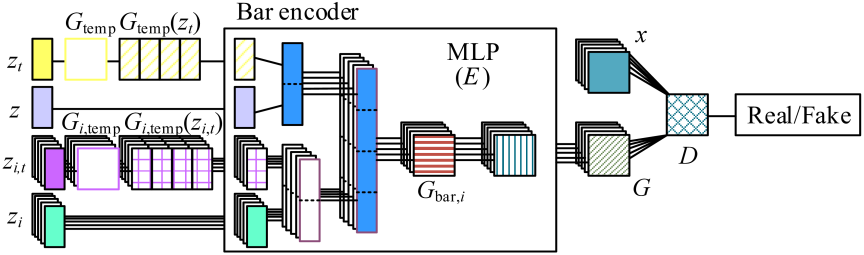
Fig. 1. Structural diagram of MuseGAN.
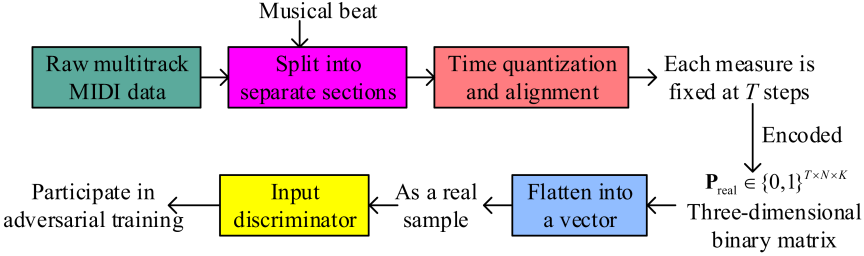
Fig. 2. Process flow for data preprocessing.
In summary, existing research has achieved breakthroughs in multidimensional controllable generation and structural coherence through temporal alignment, theme reproduction mechanisms, music-theory-constrained reinforcement learning, and distribution optimization techniques. However, there are still problems, such as the lack of a balance mechanism between dynamic characteristics and controllability, the contradiction between time-varying control accuracy and generated degrees of freedom, insufficient adaptability between artistic creation autonomy and theoretical rules, and the difficulty in balancing lightweight models and generated quality. In addition, cross-modal perception alignment technology in music generation is key to ensuring the artistic authenticity of generated works and promoting symbol audio spatiotemporal correlation modeling, and its importance cannot be ignored. Therefore, based on MuseGAN, this study designed GP optimization strategies and combined a VGGish feature extractor with a WD fusion deep-learning framework to construct a MAG-GPWD music generation model. This study aimed to improve the coordination of multitrack structures and the authenticity of auditory perception, with the goal of solving problems such as imbalanced voice sequences, insufficient training stability, and symbol-audio modality mismatch.
3. Methods and Materials
This section is divided into two parts. The first part is based on the MuseGAN multitrack generation framework, using GP combined with discriminator gradient norm constraints and a neighborhood perturbation mechanism to construct a voice coordination enhancement module, optimizing the timing synchronization accuracy and training stability of multitrack structures in heterogeneous music data. The second part integrates the VGGish audio feature extractor, designs a distribution-matching mechanism based on WD, and enhances the spatiotemporal correlation modeling ability of the symbol-audio cross-modality through the alignment strategy of second-order statistics in the feature space. Finally, the proposed automatic music generation method, MAG-GPWD, was developed.
3.1. Music Generation Framework Based on MuseGAN-GP
Automatic music generation technology has irreplaceable value in promoting artistic innovation and expanding the boundaries of human expression. MuseGAN can efficiently model complex polyphonic structures while maintaining the temporal coordination of voice parts, demonstrating unique advantages in the field of multitrack music generation. Therefore, based on MuseGAN, a music generation framework was constructed. Its structure is shown in Fig. 1.
As shown in Fig. 1, the MuseGAN framework employs a three-stage process: “bar-based latent space encoding, sequential structure generation, and multiscale adversarial discrimination.” The latent variables received by the generator include the global latent code \(z\) (serving as the foundation for diversity), temporal-step latent code \(z_t\), instrument track latent code \(z_i\), and fine-grained latent code \(z_{i,t}\). These are encoded by the bar encoder \(E\), which comprises a multilayer perceptron (MLP), into bar-level latent vectors for each measure. Subsequently, the temporal generator \(G_{\textit{temp}}\) uses these latent vectors to generate a complete multitrack PR \(x\) 18. Here, \(G_{\textit{bar},j}\) denotes the bar-level generation submodule corresponding to the \(j\)-th instrument. Finally, the multiscale discriminator performs “Real/Fake” classification between the generated and real samples to complete adversarial training. Prior to this, data preprocessing was performed, as shown in Fig. 2.
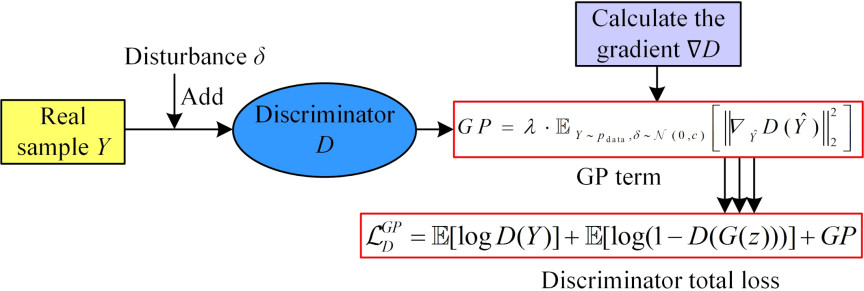
Fig. 3. Schematic of the GP principle.
As shown in Fig. 2, the original multitrack musical instrument digital interface (MIDI) music was first segmented into independent measures based on tempo information. Each measure was quantized into a fixed time step (e.g., 48 steps) and encoded as a three-dimensional binary PR matrix \(\boldsymbol{P}_{\mathit{real}}\in \{0,1\}^{T\times N\times K}\), where \(T\) represents the time step, \(N=128\) denotes the pitch dimension, and \(K\) indicates the number of instrument tracks. After flattening this matrix into a one-dimensional vector, it constituted the true sample distribution input for the discriminator. This preprocessing step transforms the structured musical notations into numerical tensors processable by the model, which then participates in adversarial training alongside samples generated by the generator from the latent code \(\{z, z_{t}, z_{i}, z_{i,t}\}\). The input music sequence was encoded using a barcode structure, mapping each measure to a latent vector, as expressed in Eq. 1.
Here, \(\bar{x}^{(t)}\in \mathbb{R}^d\) is the latent vector representation corresponding to the \(t\)-th section (\(t=1,2,\dots,T\)), and \(T\) is the total number of sections contained in the music clip. Moreover, \(E\) is a bar-coding network composed of an MLP, and \(z\) is a random noise or conditional input used as the basis for generating diverse music 19. Based on the encoded bar latent vectors, a cross-sectional temporal dependency relationship was constructed to generate a complete PR, as expressed in Eq. 2.
Here, \(\boldsymbol{Y} \in [0, 1]^{T \times P \times V}\) is the generated three-dimensional PR matrix (time \(\times\) pitch \(\times\) instrument track). Among them, \(P\) is the number of pitch dimensions, usually 128 MIDI pitches, \(V\) is the number of independent instrument voices, and \(G_{\mathit{temp}}\) is a time-series generation operation. Adversarial training mechanisms were introduced to enhance the authenticity and detailed quality of the generated music, with input samples including real data (\(\boldsymbol{Y}_{\mathit{real}}\), from a multitrack music dataset) and generated data (\(\boldsymbol{Y}_{\mathit{fake}} = G(z)\), output by the generator). The training objective is a minimax game, as expressed in Eq. 3 20.
In summary, MuseGAN’s three-stage generation process constitutes a hierarchical mapping from latent space to multi-track symbolic sequences. The bar encoder \(E\) maps the conditional input \(z\) (Eq. 1) into a sequence of bar latent vectors. The temporal generator \(G_{\mathit{temp}}\) generates a three-dimensional PR matrix \(\boldsymbol{Y}\) (Eq. 2) based on this sequence to model cross-bar temporal dependencies. The multi-scale discriminator forces the generator to approximate the true music distribution from local to global levels through adversarial evaluation at multiple temporal resolutions (Eq. 3), thereby achieving structurally coherent multi-track synthesis. However, MuseGAN has shortcomings in modeling multitrack coordination, and training is prone to gradient anomalies, leading to voice imbalance. GP can effectively constrain the gradient norm of the discriminator, thereby significantly improving the stability of adversarial training 21. Therefore, this study introduced GP to optimize the discriminator of MuseGAN; its principles are shown in Fig. 3.
As shown in Fig. 3, this strategy forces the discriminator to satisfy the local Lipschitz continuity conditions by applying gradient constraints in the real data neighborhood, thereby avoiding gradient explosion or disappearance 22. The perturbation data sampling operation is \(\hat{Y} = Y + \delta\), where \(Y\) is the real multitrack PR sample (PR format), \(\delta\) is a random disturbance (\(\delta \sim \mathscr{N}(0,\mathit{cI})\)) that follows a Gaussian distribution, and \(c\) is the disturbance strength hyperparameter (based on the empirical values \(c = 0. 1\)) 23. This study employed GPs based on Gaussian noise-induced local perturbations rather than linear interpolation between samples. This approach stems from the continuous and structured manifold properties of music data in feature space. Gaussian noise enables the construction of smoother constraint points within the local neighborhood of genuine samples and better aligns with the data distribution. This strategy provides a more stable regularization path for the Lipschitz constraints and is better suited to the geometric characteristics of multitrack music data. This avoids instability issues in the gradient estimation that may arise from linear interpolation traversing regions with low probability density. Subsequently, the GP term was calculated using Eq. 4.
Here, \(\nabla_{\hat{Y}}D(\hat{Y})\) is the gradient of the discriminator output to the perturbation input, \(\Vert\cdot\Vert_2\) represents the L2 norm of the gradient vector, and \(\lambda\) is the penalty coefficient (based on the empirical values \(\lambda = 1.0\)) 24. The GP employed in this study is a relaxed variant of the original WGAN-GP objective (in which the gradient norm approaches 1). Theoretically, this formulation penalizes the square of the gradient norm, causing it to converge to 0. This optimizes a discriminator with a smaller Lipschitz constant and a smoother function. In practice, compared to the strict 1-Lipschitz constraint of the original form, this relaxed form (approaching 0) provides a more stable Lipschitz boundary by suppressing gradient magnitudes, making it better suited for the complex local distribution characteristics of polyphonic music. Next, this study reconstructed the discriminator loss function while keeping the generator loss unchanged, as expressed in Eq. 5.
Here, \(\mathscr{L}_{D}^{\mathit{GP}}\) represents the reconstructed discriminator loss, and \(\mathscr{L}_G\) denotes the generator loss. By constraining the gradient changes in the discriminator near the real data manifold, the voice coordination and training stability of the multi-track music generation model can be improved. GP stabilizes the dynamics of adversarial training by constraining the Lipschitz constant of the discriminator near the true data manifold. Complex joint dependencies exist among the vocal part distributions in multitrack music, where traditional adversarial training often suffers from gradient conflicts. GP enforces bounded and smooth gradients for the discriminator, coordinating gradient estimates across all vocal part distributions. This introduces a smooth and consistent optimization landscape for the adversarial learning of multitrack joint distributions, effectively suppressing vocal-part imbalances. The music generation framework based on MuseGAN-GP is illustrated in Fig. 4.
As shown in Fig. 4, MuseGAN-GP strengthens the discriminator optimization path based on the original framework and adds a GP calculation module. This framework retains the multitrack generation capabilities of the bar encoder and timing generator. The discriminator simultaneously receives real, generated, and perturbed samples, calculates penalty terms through the gradient constraint module, and integrates them into the discrimination loss, significantly improving the training stability and voice coordination.
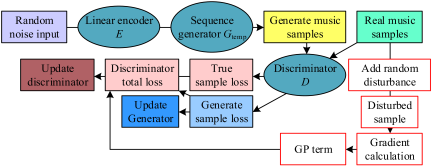
Fig. 4. Schematic of the MuseGAN-GP music generation framework.
3.2. Cross-Modal Quality Optimization Based on VGGish and WD and Establishment of MAG-GPWD Method
The MuseGAN-GP established through research optimizes multitrack symbol generation through GP, achieving improved voice coordination and training stability. However, MuseGAN-GP lacks an audio perceptual quality constraint mechanism to optimize the authenticity of the timbre and the dynamic reverberation effects. VGGish extracts the perceptual features of the Mel frequency spectrum through a DCNN, effectively characterizing auditory attributes such as timbre and harmony 25. Therefore, this study constructed an audio feature extraction module based on VGGish, the structure of which is shown in Fig. 5.
The network consisted of four convolutional blocks and two fully connected layers. The input was a \(96\times 64\) Mel frequency spectrum, and the output was a 128-dimensional deep feature vector 26. It performed convolutional feature extraction through \(F^{(l)} = \mathrm{ReLU}(W_{c}^{(l)} \ast X^{(l-1)} + b_{c}^{(l)})\), where \(l\) is the convolutional layer number (1–4); \(X^{(0)}\) is the input Mel spectrogram (size 96 frames \(\times\) 64 frequency bands); \(\{W_{c}^{(l)}, b_{c}^{(l)}\}\) is the convolution kernel weight and bias parameter of the \(l\)-th layer; and \(\ast\) stands for the two-dimensional convolution operation. Spatial pooling compression was then performed, as expressed in Eq. 6.
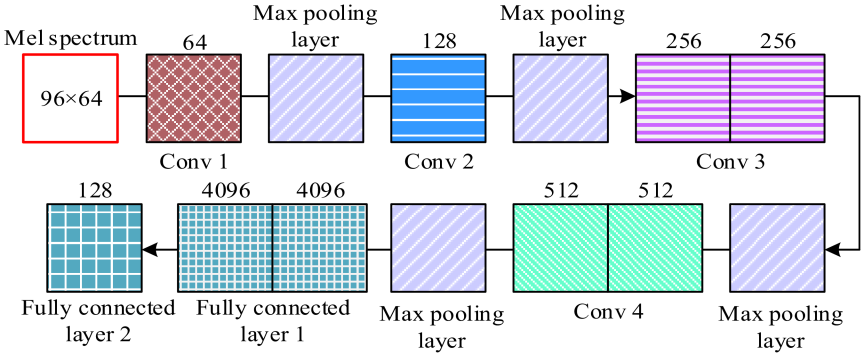
Fig. 5. Schematic of the VGGish structure.
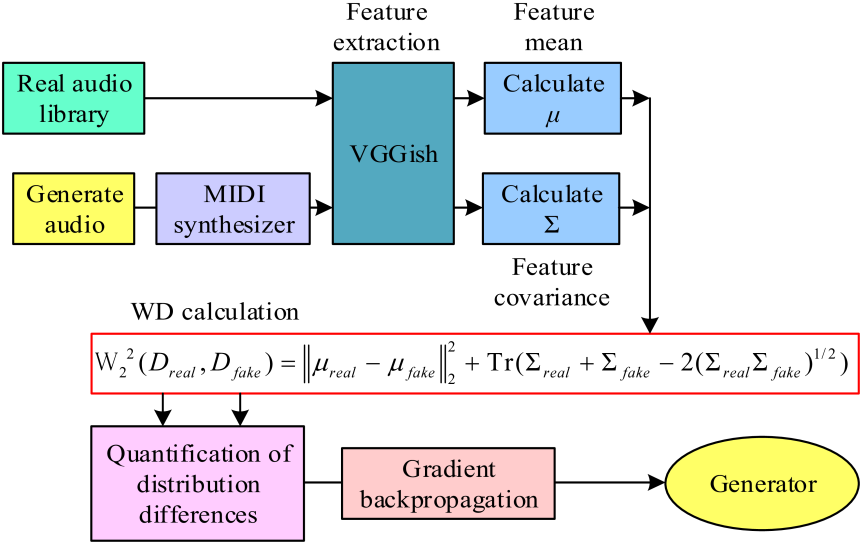
Fig. 6. Schematic of the WD calculation process.
Here, \(k\) is the position of the pooling layer (after each convolutional block); \(\Omega\) represents a \(2 \times 2\) local receptive field; and \(\max(\cdot)\) denotes the maximum pooling operation, which was used to reduce spatial dimensions and enhance feature robustness. Thus, the fully connected embedding was completed, as expressed in Eq. 7.
Here, \(\mathit{vec}(\cdot)\) represents the flattening of the feature map into a one-dimensional vector, and \(\{\boldsymbol{W}_{\mathit{fc}1}, \boldsymbol{W}_{\mathit{fc}2}\}\) is the fully connected layer weight matrix (\({4096 \times N}\) dimensions). Finally, the feature vector is output as \(\phi = \sigma(W_{\mathit{emb}} \cdot h_{2} + b_{\mathit{emb}})\), where \(\phi \in \mathbb{R}^{128}\) ultimately outputs a 128-dimensional audio embedding vector, and \(\sigma(\cdot)\) is the Sigmoid activation function used for normalizing feature representations 27.
However, the VGGish feature space lacks distribution-alignment ability and cannot effectively quantify the distance between the generated audio and the true distribution. The WD provides a continuous and differentiable measure of distribution differences that can accurately characterize geometric structural relationships in the feature space 28. Therefore, this study introduced WD into VGGish to optimize the alignment of audio feature distributions, as shown in Fig. 6.
As shown in Fig. 6, this distance establishes a quantitative bridge for cross-modal distribution matching by calculating the optimal transmission cost of the feature vector statistics 29. The study sampled the feature distribution, and the feature distribution \(D_{\mathit{real}}\) of the real audio samples is expressed in Eq. 8.
Here, \(Y_{\mathit{audio}}\) is the real audio sample, and \(N\) is the number of batch samples of the feature distribution of real audio samples. The audio sample feature distribution \(D_{\mathit{fake}}\) was generated, as expressed in Eq. 9.
Here, \(\mathscr{S}\) is a MIDI synthesizer, and \(M\) is the number of batch samples used to generate the distribution of audio sample features. Subsequently, statistical calculations were performed, including mean vector and covariance matrix calculations, as expressed in Eq. 10 30.
Here, \(\mu \in \mathbb{R}^{128}\) is the feature mean vector, and \(\Sigma \in \mathbb{R}^{128 \times 128}\) is the characteristic covariance matrix. In addition, the second-order WD can be approximated using Eq. 11.
Here, \(\mathscr{W}_2\) is a second-order WD, and \({\mathrm{Tr}}(\cdot)\) represents the trace operation of the matrix. Based on the WD calculated above, the loss function can be defined as \(L_{\mathit{WD}} = \mathscr{W}_{2}^{2}(D_{\mathit{real}}, D_{\mathit{fake}})\). This loss function has the characteristics of differentiability and continuity and is suitable for gradient backpropagation processes 31. Compared to the Jensen–Shannon (JS) divergence, WD’s core theoretical advantage of WDs stems from their geometric essence based on optimal transport. Even when the support sets of the symbol and audio feature distributions do not intersect, WD provides an effective continuous metric, whereas JS divergence fails because of vanishing gradients. For cross-modal matching, the WD characterizes the geometric differences between distributions by minimizing the transport cost. Its second-moment form (Eq. 11) aligns covariance structures, while matching means, enabling more structured distribution matching that captures holistic correlations across modalities. By applying WD constraints, the VGGish feature distribution of the generated audio can be accurately aligned with the statistical characteristics of real audio libraries, thereby overcoming the local optimal problem in traditional similarity measurement methods and achieving more efficient feature alignment and cross-modal learning. In summary, this study combined WD-constrained VGGish with the MuseGAN-GP music generation framework to establish the MAG-GPWD method, the structure of which is shown in Fig. 7.
As shown in Fig. 7, the MAG-GPWD works in conjunction with symbol generation and audio optimization modules. The symbol generation module adopts the MuseGAN-GP framework to ensure the coordination of voice parts in multitrack music through GP. The audio optimization module converts the generated symbols into audio, extracts features using VGGish, and aligns the feature distribution with a real audio library using the WD constraint. The two modules achieve end-to-end optimization through a joint loss function while improving structural rationality and auditory authenticity.
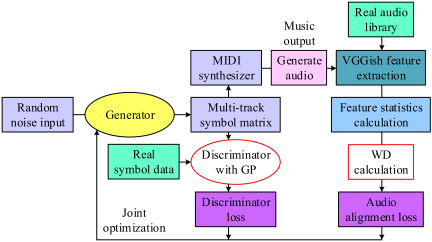
Fig. 7. Schematic of the MAG-GPWD structure.
4. Results
To verify the effectiveness of the proposed MAG-GPWD model for multitrack music generation, both robustness and professional creative environment tests were conducted. The first test quantitatively evaluates the maintenance of voice coordination and feature alignment accuracy through multitrack structure perturbation injection and cross-style distribution offset simulation. The second test was conducted in a professional digital audio workstation environment with real multitrack dataset deployment, which verified the structural rationality indicators and cross-modal perception authenticity of the generated music.
Table 1. Experimental environment configurations.
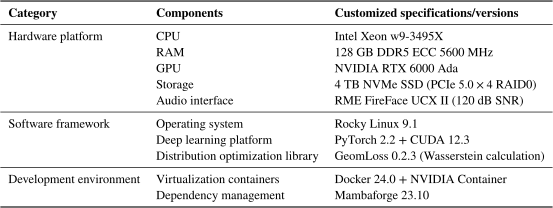
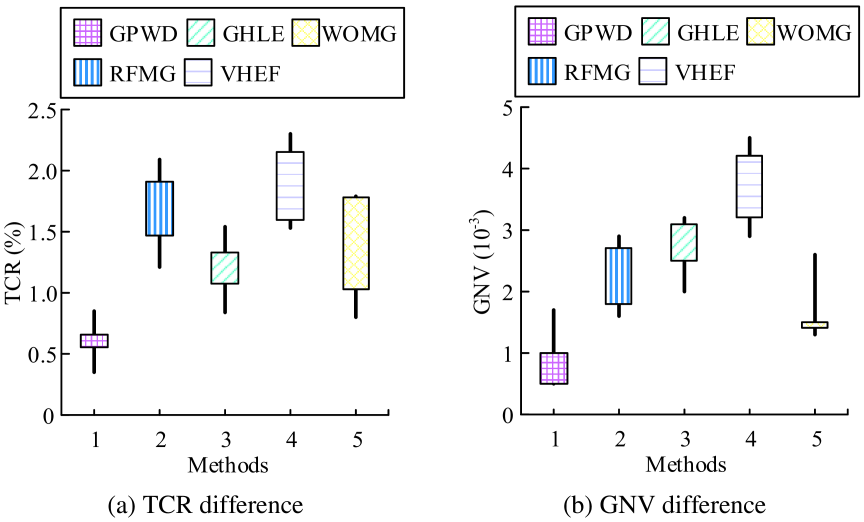
Fig. 8. Verification of voice coordination.
4.1. Robust Testing of Music Generation
In the simulation test, the corresponding experimental environment was established based on the application scenario of the music generation model, which was divided into hardware and software environments. The specific environmental configurations are listed in Table 1.
The study used PyTorch 2.2 to build a multi-track symbol GAN and Wasserstein distribution alignment module, realizing the MAG-GPWD model architecture and integrating the GeomLoss library to optimize the cross-modal feature alignment process. It supports multitrack piano roller blind symbol input and high-fidelity audio perception optimization. The parameter settings are consistent with those reported in previous research. During training, both the generator and discriminator of MuseGAN employed the Adam optimizer with a unified learning rate of \(2\times 10^{-4}\). The first-order moment estimation decay coefficient \(\beta_1\) was set to 0.5, whereas the second-order moment estimation decay coefficient \(\beta_2\) was set to 0.999. The model underwent 500 training epochs with a batch size of 64 to balance training stability and computational efficiency. The study used the MAESTRO Dataset v3.0 as the training and validation sets (divided into \(8{\,}{:}{\,}1\) layers by a performer). This dataset contains 1286 precise MIDI-audio synchronization samples of professional piano performances, covering seven genres including Baroque, Classical, and Romanticism. It included 417 high-difficulty polyphonic segments as a structural complexity test set and a benchmark evaluation subset, MAESTRO-Expressive (including 198 performance samples with touch-key force/sustain pedal dynamic fine annotation) 32. The study extracted bar start and end time markers from MIDI files in the MAESTRO v3.0 dataset, segmenting the music stream into bar-based segments. Each bar was uniformly quantized into 48 time steps (corresponding to the 48th-note resolution) and mapped to a \(48\times 128\times K\) binary PR tensor, where \(K\) was determined by the actual number of instrument tracks in the segment. For example, a single bar from a quartet segment in the dataset becomes a 3D tensor with four channels (\(K=4\)), where the values are set to 1 at the corresponding time step and pitch position and 0 elsewhere. The tensors from all the bars were flattened to form the training set, which was used to constrain the discriminator and engage in adversarial learning with samples driven by the latent codes generated by the generator.
This study compared the methods proposed in references 12,13 and 16,17 with MAG-GPWD (GPWD), including recurrent-feature enhanced MuseGAN (RFMG), GP-driven hybrid learning encoder (GHLE), VGGish-based hybrid music evaluation framework (VHEF), and WD-optimized multi-voice GAN (WOMG). These are cutting-edge approaches reported during 2022–2025, covering core areas such as symbol temporal enhancement, voice coordination optimization, cross-modal perception alignment, and distribution-driven generation, and can effectively measure the comprehensive performance of research models. To ensure fairness in the comparative experiments, all benchmark models were trained on a unified hardware platform and a deep learning framework. Comparable hyperparameters such as training iterations, batch size, optimizer type, and learning rate were strictly aligned with the model under study. For the model-specific structural parameters (e.g., hidden layer dimensions), the recommended configurations from previous studies were adopted, with training conducted under identical computational resources to guarantee the validity of the performance comparisons. This study validated the voice coordination of the method by comparing the track conflict ratio (TCR) and gradient norm variance (GNV), as shown in Fig. 8.
As shown in Fig. 8(a), the mean TCR of the GPWD model is 0.60%, which is significantly better than that of RFMG (1.66%), GHLE (1.20%), VHEF (1.93%), and WOMG (1.31%; \(p<0.001\)). This is because the GP mechanism constrains the discriminator gradient norm to eliminate voice imbalances in multitrack generation. Although the minimum value of GHLE (fusion GP encoding architecture) at 0.84% was close to the maximum value of GPWD at 0.85% (\(p>0.05\)), GPWD reached a global minimum value of 0.35% for Task 0, and there was no way to break through this limit. As shown in Fig. 8(b), the GNV mean of the GPWD model is \(1.13\times 10^{-3}\), which is better than that of RFMG (\(2.27\times 10^{-3}\)), GHLE (\(2.73\times 10^{-3}\)), VHEF (\(3.66\times 10^{-3}\)), and WOMG (\(1.94\times 10^{-3}\); \(p<0.001\)). This is attributed to the Lipschitz continuity condition forcing stable training process. Although the minimum value of WOMG (WD optimization) of \(1.3\times 10^{-3}\) is better than the maximum value of GHLE of \(3.2\times 10^{-3}\) (\(p<0.01\)), GPWD reached the global minimum value of \(0.5\times 10^{-3}\) in Task 30. To verify the distribution alignment performance of the method, a comparison was made between cross-modal WD (CMWD) distance and feature alignment error (FAE), as shown in Fig. 9.
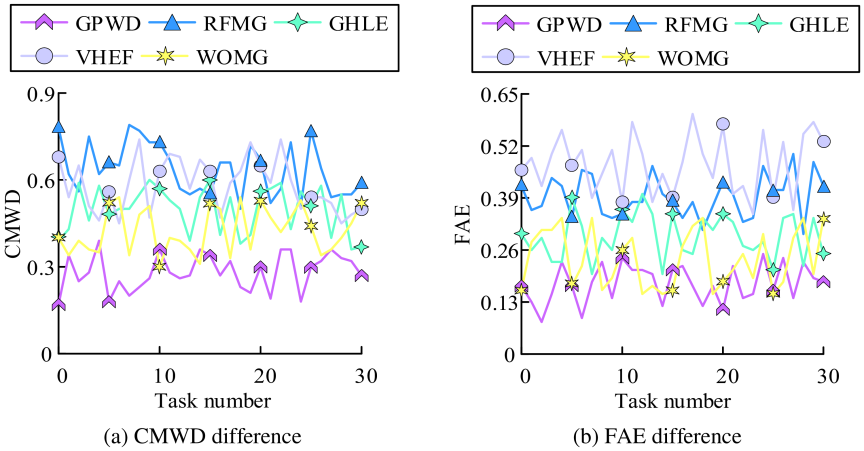
Fig. 9. Verification of distribution alignment performance.
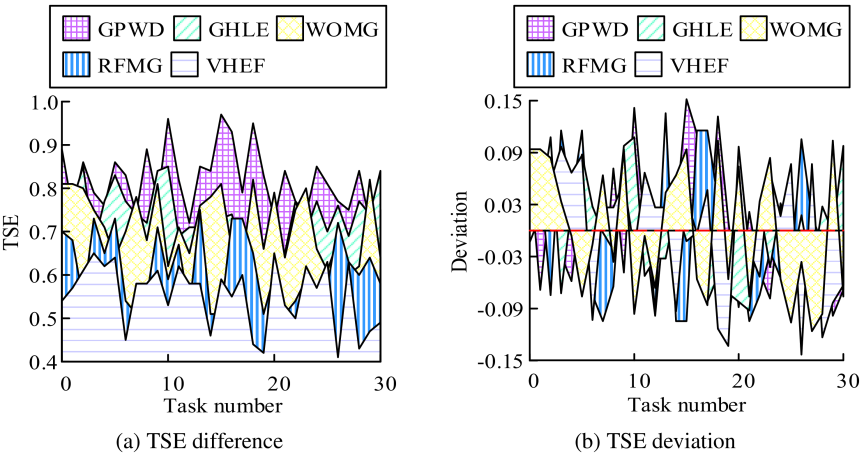
Fig. 10. Validation of structural diversity.
As shown in Fig. 9(a), the mean CMWD of the GPWD model is 0.28, which is significantly better than that of RFMG (0.63), GHLE (0.49), VHEF (0.58), and WOMG (0.42; \(p<0.001\)). This is attributed to the feature distribution alignment mechanism driven by the WD, which precisely matches the second-order statistics of the symbol-audio space. WOMG (WD optimized voice) had a significantly lower minimum value of 0.30 compared to the maximum value of 0.74 (\(p<0.01\)) of VHEF owing to the lack of VGGish perceptual modeling. As shown in Fig. 9(b), the mean FAE of the GPWD model is 0.17, which is better than that of RFMG (0.39), GHLE (0.29), VHEF (0.49), and WOMG (0.24; \(p<0.001\)). This is attributed to the second-order WD constraint, which forces the alignment of the feature mean and covariance structure. Recurrent feature generation (RFMG) had a minimum value of 0.30 significantly higher than the maximum value of 0.40 (\(p<0.01\)) of GHLE owing to the lack of integrated distribution alignment. Subsequently, the temporal structure entropy (TSE) was compared to verify the structural diversity of music generated by the proposed method, as shown in Fig. 10.
As shown in Fig. 10(a), the mean TSE of the GPWD model is 0.818, which is significantly better than that of GHLE (0.742), WOMG (0.716), RFMG (0.615), and VHEF (0.553; \(p<0.001\)). The extreme value breakthrough of 0.97 in Task 15 validated the excitation of innovative patterns by second-order statistical matching in the feature space, while the maximum value of 0.85 in GHLE (GP encoding architecture) was close to the minimum value of 0.72 of GPWD (\(p>0.05\)). As observed from Fig. 10(b), the average absolute deviation of the TSE in the GPWD is 0.068, which is significantly lower than that of RFMG (0.089), GHLE (0.074), VHEF (0.092), and WOMG (0.085; \(p<0.01\)). This is attributed to the GP mechanism forcing smooth training trajectories. The deviation of 0.068 observed for Task 27 confirmed the Lipschitz constraint suppression mode fluctuation, whereas the minimum value of 0.085 of WOMG (WD optimization) was better than that of VHEF of 0.143 (\(p<0.001\)). To verify the effectiveness of the research selection method, ablation experiments were conducted to ablate or replace the selected basic methods listed in Table 2.
Table 2. Validation of module efficacy.
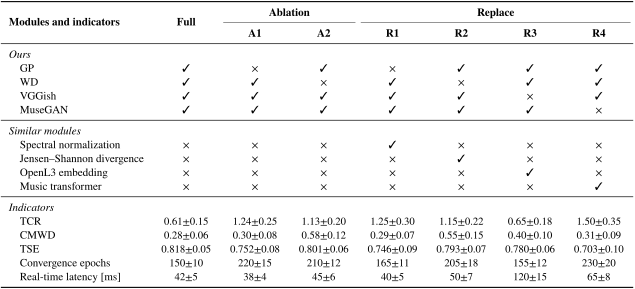
According to Table 2, the TCR of the complete MAG-GPWD model is \(0.61{\pm}0.15\), which is significantly lower than that of the A1 group with GP disabled at \(1.24{\pm}0.25\) (\(p<0.001\)) and the R4 group with music transformer replaced at \(1.50{\pm}0.35\) (\(p<0.001\)). These results verify the core role of GP gradient constraint in eliminating voice conflicts. The CMWD was \(0.28{\pm}0.06\), which was 49%–52% lower than that of the R2 group with JS divergence replacement at \(0.55{\pm}0.15\) (\(p<0.01\)) and the A2 group with WD disabled at \(0.58{\pm}0.12\) (\(p<0.001\)), demonstrating the irreplaceability of WD distribution alignment in cross-modal matching. The TSE reached \(0.818{\pm}0.05\), which is higher than that of the spectral normalization replacement R1 group of \(0.746{\pm}0.09\) (\(p<0.05\)) and the GP disabled A1 group of \(0.752{\pm}0.08\) (\(p<0.01\)). These results reflect the synergistic enhancement mechanism of GP-WD on structural diversity. The TCR of R3 group replaced by OpenL3 was \(0.65{\pm}0.18\) (\(p>0.05\)), indicating that the music-specific characterization of VGGish can be replaced, but its CMWD increased to \(0.40{\pm}0.10\) (\(p<0.01\)), revealing its cross-modal alignment weakness. Moreover, while the introduction of GP increased the number of iterations required for model convergence by approximately 12%, it significantly enhanced the training stability and vocal harmony coordination. The single-inference latency of each configuration model remained below 50 ms (\(42{\pm}5\) ms for the full model), thereby meeting the low-latency requirements for real-time music generation. Consequently, the proposed approach achieved stable music creation suitable for real-time interactive scenarios through gradient constraints while maintaining highly efficient forward generation capabilities.
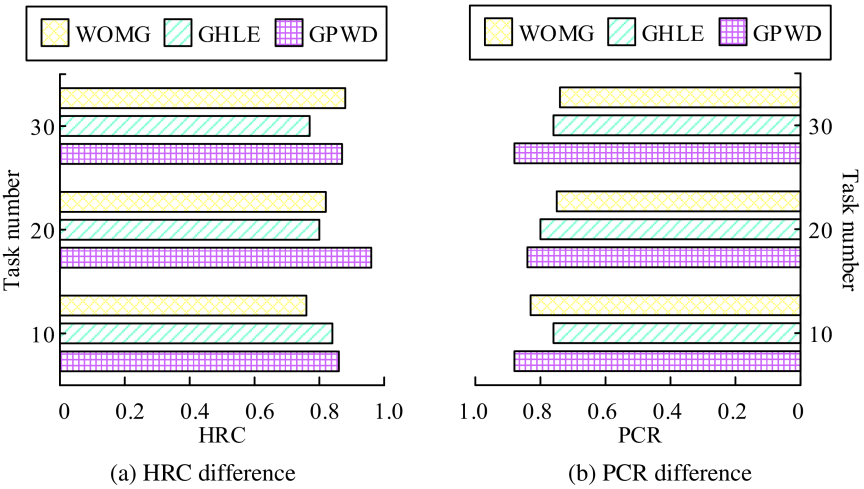
Fig. 11. Validation of music structure conformity.
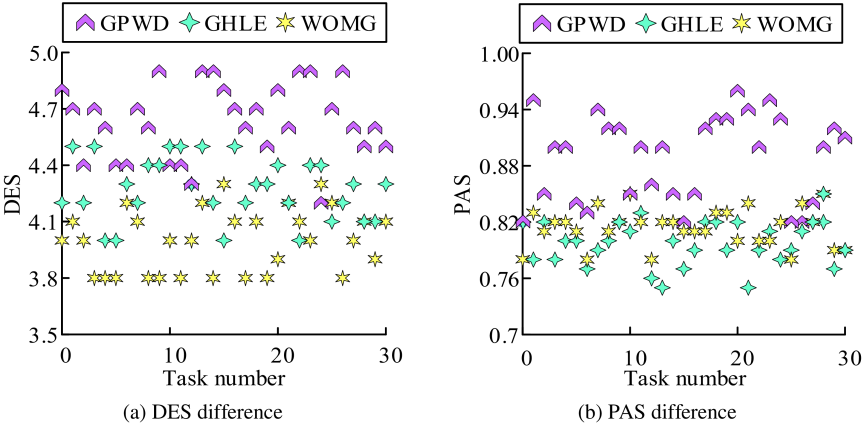
Fig. 12. Comparison of DES and PAS.
4.2. Professional Creative Environment Testing
Simulation verification can efficiently evaluate the core performance of algorithms (such as voice coordination and structural entropy), eliminate differences in performance equipment and interference from recording environments, and significantly reduce the cost of creative trial-and-error. However, it cannot simulate human emotional interactions and real-time artistic feedback in real creations, ignoring compatibility issues across software and hardware platforms, and there is a risk of distortion in the deep evaluation of artistic expressions. Actual testing can demonstrate the performance of a model in a professional composition environment and verify the feasibility of implementing a multi-track music generation scheme. Therefore, this study selected GHLE and WOMG, which have the best simulation performance, as the comparison methods and deployed them on the National Digital Music Innovation and Research Cloud Platform. This platform integrates creative matrices from various global genres, continuously injecting 10 ms precision MIDI instruction streams (including touch force/pedal dynamics) and 96 kHz high-fidelity acoustic feature streams. This study compared harmonic rule compliance (HRC) and polyphonic complexity retention (PCR) to verify the structural compliance of the music generated by the proposed method, as shown in Fig. 11.
According to Fig. 11(a), the mean HRC of the GPWD model is 0.90, which is significantly better than that of GHLE (0.80) and WOMG (0.82; \(p<0.01\)). This is attributed to the GP mechanism forcing chord progressions to conform to harmony rules (such as prohibiting parallel fifths). GHLE (GP encoding architecture) reached 0.84 in Task 10, which is close to that of GPWD in Task 30 (0.87; \(p>0.05\)), but GPWD reached the global highest value of 0.96 in Task 20. As shown in Fig. 11(b), the PCR mean of the GPWD model is as high as 0.87, which is better than that of GHLE (0.77) and WOMG (0.77; \(p<0.001\)). This is attributed to the feature alignment driven by the WD to maintain voice independence. Although the value of WOMG (0.83) in Task 10 was close to that of GPWD (0.84) in Task 20 (\(p>0.05\)), it was lower than the value of GPWD (0.88) in Task 10. To verify the auditory perception authenticity of the generated music, a study was conducted to compare the dynamic expressiveness score (DES) and perceived audio similarity (PAS) (calculated using ViSQOL v3.0), as shown in Fig. 12.
As shown in Fig. 12(a), the DES mean of the GPWD model is 4.66, which is significantly better than that of GHLE (4.24) and WOMG (4.01; \(p<0.001\)). This is because of the feature distribution alignment driven by the WD, which accurately restores the force gradient and the technique of continuous playing. However, GHLE (GP encoding architecture) achieved 4.5 in Task 1, which is close to that achieved by GPWD in Task 7 (4.7; \(p>0.05\)), whereas WOMG (WD optimization) only achieved 3.8 in Task 3 because of the lack of GP (\(p<0.01\)). As shown in Fig. 12(b), the mean PAS of the GPWD model is 0.89, which is better than that of GHLE (0.79) and WOMG (0.81; \(p<0.001\)). This is attributed to the collaborative optimization of the VGGish perceptual features and WD constraints to ensure timbre fidelity. GHLE (theoretical reinforcement learning) reached 0.76 in Task 12 (\(p<0.01\)) owing to cross-modal mismatch and 0.77 in Task 6, which was significantly lower than that of WOMG in Task 28 (0.85; \(p<0.05\)). Subsequently, different methods were used to generate six styles of music, including Baroque (B), Classicism (C), Romanticism (R), Jazz Blues (J), Pop Rock (P), and Electronic Dance (E), and their style transfer fidelity (STF) was compared to verify the artistic expression of the methods.
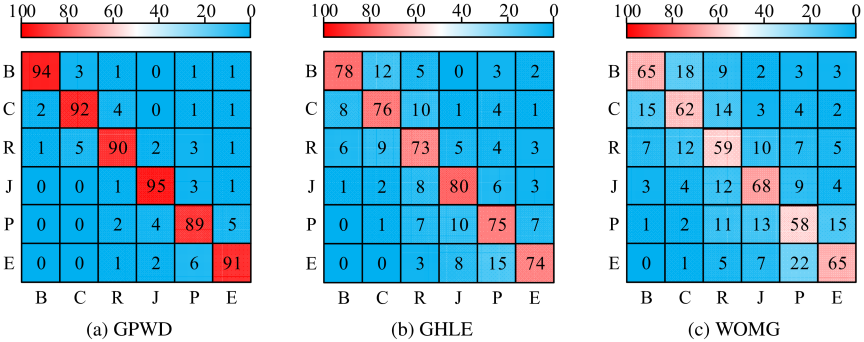
Fig. 13. Verification of artistic expressiveness.
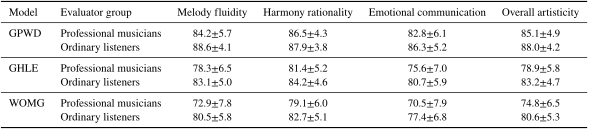
Table 3. Subjective evaluation results of artistic expression.
As shown in Fig. 13(a), the average STF of GPWD is 91.7%, which is significantly higher than that of GHLE (76.0%) and WOMG’s (62.8%; \(p < 0.001\)). This is because of its dual-module collaborative mechanism, wherein the MuseGAN-GP framework constrains the coordination of multi-track voices through GP, effectively preventing the mixing of stylistic elements, such as Baroque (94%) and Jazz Blues (95%). As shown in Fig. 13(b), the average STF of GHLE (GP-encoding architecture) is 76.0%. Although its independent transformer track encoder combined with GP-driven music theory reinforcement learning improved voice rule compliance (such as Baroque 78%), it was difficult to distinguish similar harmonic styles because of the lack of audio perception modeling and distribution alignment (without WD/VGGish). As shown in Fig. 13(c), the STF of the WOMG model (WD-optimized) is the lowest, with an average of only 62.8%, which is significantly lower than that of GPWD (91.7%) and GHLE (76.0%; \(p<0.001\)). Although the model used WD to optimize voice distribution matching (Monte Carlo tree search), the lack of a GP mechanism led to training instability (e.g., electronic dance music accuracy of 65%), and there was no VGGish audio feature extractor that could capture the dynamic characteristics of style (pop rock accuracy of 58%). Although the GPWD model demonstrates high fidelity in structured genres such as baroque and jazz blues (Fig. 13(a)), it performs relatively poorly in styles such as electronic dance music (EDM), which relies heavily on synthesized timbres and complex rhythmic loops (achieving approximately 88% accuracy). Taking the failed EDM sample as an example, its limitations primarily stem from the inability of the predefined MIDI synthesizer to accurately simulate the dynamic range and envelope variations of electronic timbres, resulting in monotonous sounding-generated audio.
To evaluate the artistic expression quality of the generated music comprehensively and address the limitations of purely objective metrics, a double-blind subjective evaluation experiment was conducted. The experiment invited a panel of 12 professional musicians and 24 general listeners to score the same set of multistyle music samples generated by the GPWD, GHLE, and WOMG models on a 100-point scale across four dimensions: melodic fluency, harmonic coherence, emotional conveyance, and overall artistic quality. Table 3 presents the results of the study.
Table 3 indicates that the GPWD model achieved the highest scores across all artistic dimensions (overall artistic quality: 85.1 for professional judges; 88.0 for general listeners), significantly outperforming both GHLE and WOMG (\(p<0.01\)). Professional musicians generally scored lower than general listeners, with the greatest disparity observed in the emotional expression dimension (e.g., a 3.5-point difference for GPWD), highlighting the cognitive differences between the evaluation groups. This discrepancy indicates that professional judges prioritize harmonic complexity and profound emotional interpretation, whereas general listeners are influenced more by melodic fluidity and the overall auditory experience. Correlation analysis revealed Pearson coefficients of 0.82 and 0.79 (\(p<0.001\)) between subjective overall artistic scores and objective metrics STF and DES, respectively. This strong correlation confirms the effective complementarity of the subjective and objective evaluation systems. Overall, subjective evaluation not only supplements the emotional dimensions unaccounted for by quantitative metrics but also reveals group differences. These insights provide crucial guidance for optimizing the model across distinct scenarios: professional composition (emphasizing rule compliance and expressive depth) and mass entertainment (prioritizing melodic appeal and immediate impact).
In addition, to verify the effectiveness of the parameter selection in the study, the statistical order of the GP coefficients \(\lambda\) and WD, as well as the hidden space dimension of bar coding, were selected for the parameter sensitivity analysis, as presented in Table 4.
Table 4. Parameter sensitivity analysis.
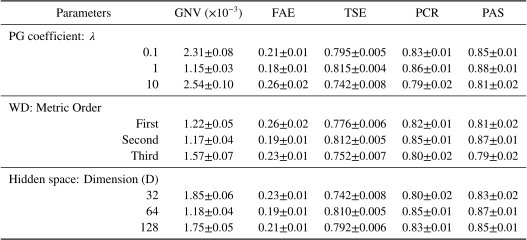
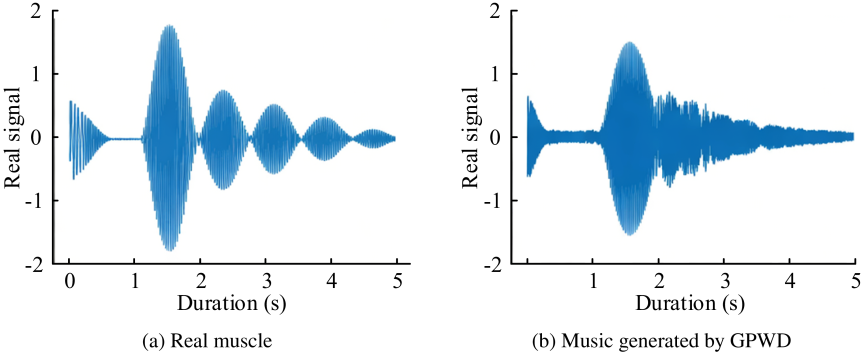
Fig. 14. Comparison of time-domain waveforms between authentic music and music generated by the GPWD model.
Evidently, the validation of the core parameters of the MAG-GPWD model showed that the selected intermediate-value configuration (\(\lambda=1\), second-order WD, and \(d =64\)) had the best comprehensive performance. When the GP coefficient \(\lambda=1\), the GNV was the lowest (only \(1.15\times 10^{-3}\)). When \(\lambda=0.1\), it increased to \(2.31\times 10^{-3}\) (\(p<0.01\)). When \(\lambda=10\), it reached \(2.54\times 10^{-3}\), with \(p<0.001\). These results confirm that the GP module ensures training stability through precise constraint discriminator gradients. The FAE of second-order WD was 0.19, which is significantly lower than that of the first-order WD (0.26; \(p<0.01\)) and third-order WD (0.23; \(p<0.05\)), indicating that the cross-modal optimization module relies on covariance statistics to achieve accurate distribution matching. When the hidden-space dimension \(d\) was 64, the TSE reached 0.810. When \(d =32\), it was 0.742 (\(p<0.001\)). When \(d =128\), it was 0.792 (\(p<0.05\)). To verify the strip encoder, balancing its representational ability with the risk of overfitting is necessary.
Furthermore, this study verified the similarity between model-generated and real music in terms of macrostructure and dynamic changes by comparing waveform patterns in the time domain. These results are presented in Fig. 14. Fig. 14(a) shows that the real music signal exhibited continuous natural amplitude variations and a wide dynamic range. The clear section transitions and rich dynamic layers within the waveform reflect the structural complexity of authentic performances. Fig. 14(a) shows that the GPWD-generated signal maintains high consistency with the real waveform in terms of the overall amplitude envelope, with largely aligned undulating trends. This indicates that the model successfully captured the macro-level temporal patterns and dynamic contour characteristics of the original music. However, at the micro level, the generated waveform exhibits higher local smoothness and slightly softer transient responses, resulting in some loss of fine dynamic details. This precisely reflects the design advantage of the proposed model in prioritizing overall structural authenticity and auditory coherence. This result validates the effectiveness of GPWD in reproducing the core structure of music. The generated output maintains temporal continuity while providing a clear technical pathway for the subsequent optimization of transient detail preservation.
5. Discussion
This study proposed a MAG-GPWD method to address the issues of voice imbalance and cross-modal perception mismatches in multitrack music generation. This method eliminates training oscillations through a GP-constrained discriminator gradient norm and designs a cross-modal feature alignment mechanism driven by WD to achieve the collaborative optimization of symbol-space voice coordination and audio-space perceptual authenticity. Experiments showed that MAG-GPWD was significantly better than the frontier model in voice coordination: the voice conflict rate was as low as 0.60% (50% lower than that of GHLE of 1.20%), and the GNV was stable at \(1.13\times 10^{-3}\) (42% optimized compared to that of WOMG of \(1.94\times 10^{-3}\)). Moreover, its GP-constrained discriminator structure effectively eliminated multitrack temporal imbalance 33. The breakthrough in the cross-modal alignment performance was significant: the CMWD was compressed to 0.28 (56% lower than that of RFMG of 0.63), and the FAE was only 0.17 (65% lower than that of VHEF of 0.49). The WD-driven VGGish feature distribution matching mechanism solves the symbol-audio perception gap 34. In terms of artistic expression, the model achieved an average style fidelity of 91.7%, surpassing that of GHLE (76.0%) and WOMG (62.8%). The Baroque-style restoration rate reached 94%, and the rate of jazz blues reached 95%, verifying the superiority of the dual-module collaborative architecture 35. The ablation experiment confirmed that GP contributed to a 52% reduction in voice-part conflict rate and a 49% reduction in cross-modal mismatch in WD. However, the performance of the comparative model was limited because of structural defects such as the lack of an audio perception module in GHLE and GP in WOMG.
6. Conclusion
The core advantage of the proposed MAG-GPWD method lies in its dual-module collaborative architecture. The symbol generation module constrains the discriminator gradient norm of multitrack adversarial training through the GP mechanism, effectively addressing the issue of voice sequence imbalance. The audio optimization module innovatively integrates VGGish perceptual features with WD distribution alignment, achieving cross-modal collaborative optimization of symbol representation and auditory characteristics, and structurally solving the contradiction between voice coordination and perceptual authenticity in traditional methods. However, the current model still relies on predefined MIDI synthesizers to achieve symbol-to-audio conversion, which limits the freedom of timbre modeling. VGGish, as a static feature extractor, has not been jointly optimized with the generator end-to-end, which restricts the adaptive expression ability of cross-modal features. In response to the above issues, future work will design differentiable neural audio synthesizers to replace MIDI synthesizers and achieve parameterized timbre learning. Moreover, a dynamic cross-modal encoder that integrates symbolic and audio features through a gated attention mechanism will be developed to achieve end-to-end generation and perception optimization.
- [1] P. P. Groumpos, “A critical historic overview of artificial intelligence: Issues, challenges, opportunities, and threats,” Artif. Intell. Appl., Vol.1, No.4, pp. 181-197, 2023. https://doi.org/10.47852/bonviewAIA3202689
- [2] S. Ji, X. Yang, and J. Luo, “A survey on deep learning for symbolic music generation: Representations, algorithms, evaluations, and challenges,” ACM Comput. Surv., Vol.56, No.1, Article No.7, 2023. https://doi.org/10.1145/3597493
- [3] L. Wang et al., “A review of intelligent music generation systems,” Neural Comput. Appl., Vol.36, No.12, pp. 6381-6401, 2024. https://doi.org/10.1007/s00521-024-09418-2
- [4] F. Ding and Y. Cui, “MuseFlow: Music accompaniment generation based on flow,” Appl. Intell., Vol.53, No.20, pp. 23029-23038, 2023. https://doi.org/10.1007/s10489-023-04664-8
- [5] S. Serrano, M. L. Scarpa, and O. Serghini, “VGGish for music/speech classification in radio broadcasting,” Proc. 38th ECMS Int. Conf. Model. Simul.Eur. Counc. Model. Simul., pp. 550-557, 2024. https://doi.org/10.7148/2024-0550
- [6] W. Liu, “Literature survey of multi-track music generation model based on generative confrontation network in intelligent composition,” J. Supercomput.., Vol.79, No.6, pp. 6560-6582, 2023. https://doi.org/10.1007/s11227-022-04914-5
- [7] Z. Qiu, H. Wang, C. Liao, Z. Lu, and Y. Kuang, “Sound recognition of harmful bird species related to power grid faults based on VGGish transfer learning,” J. Electr. Eng. Technol., Vol.18, No.3, pp. 2447-2456, 2023. https://doi.org/10.1007/s42835-022-01284-z
- [8] P. Luo, Z. Yin, D. Yuan, F. Gao, and J. Liu, “A novel generative adversarial networks via music theory knowledge for early fault intelligent diagnosis of motor bearings,” IEEE Trans. Ind. Electron., Vol.71, No.8, pp. 9777-9788, 2024. https://doi.org/10.1109/TIE.2023.3321984
- [9] A. Zhang et al., “EEG data augmentation for emotion recognition with a multiple generator conditional Wasserstein GAN,” Complex Intell. Syst., Vol.8, No.4, pp. 3059-3071, 2022. https://doi.org/10.1007/s40747-021-00336-7
- [10] S.-L. Wu, C. Donahue, S. Watanabe, and N. J. Bryan, “Music ControlNet: Multiple time-varying controls for music generation,” IEEE/ACM Trans. Audio Speech Lang. Process., Vol.32, pp. 2692-2703, 2024. https://doi.org/10.1109/TASLP.2024.3399026
- [11] S. Tian, C. Zhang, W. Yuan, W. Tan, and W. Zhu, “XMusic: Towards a generalized and controllable symbolic music generation framework,” IEEE Trans. Multimed., Vol.27, pp. 6857-6871, 2025. https://doi.org/10.1109/TMM.2025.3590912
- [12] F. Wang, “Application of artificial intelligence-based music generation technology in popular music production,” J. Comb. Math. Comb. Comput., Vol.127a, pp. 655-671, 2025. https://doi.org/10.61091/jcmcc127a-038
- [13] Y. Tie et al., “Hybrid learning module-based transformer for multitrack music generation with music theory,” IEEE Trans. Comput. Soc. Syst., Vol.12, No.2, pp. 862-872, 2025. https://doi.org/10.1109/TCSS.2024.3486604
- [14] Y.-J. Shih, S.-L. Wu, F. Zalkow, M. Müller, and Y.-H. Yang, “Theme transformer: Symbolic music generation with theme-conditioned transformer,” IEEE Trans. Multimed., Vol.25, pp. 3495-3508, 2023. https://doi.org/10.1109/TMM.2022.3161851
- [15] C. Jin et al., “A transformer generative adversarial network for multi-track music generation,” CAAI Trans. Intell. Technol., Vol.7, No.3, pp. 369-380, 2022. https://doi.org/10.1049/cit2.12065
- [16] O. Medialov, Y. Babiak, and T. Basyuk, “Evaluation and comparison of text-to-audio generation models for media applications,” Her. Khmelnytskyi Natl. Univ. Tech. Sci., Vol.351, No.3.1, pp. 28-34, 2025. https://doi.org/10.31891/2307-5732-2025-351-3
- [17] W. Huang, Y. Xue, Z. Xu, G. Peng, and Y. Wu, “Polyphonic music generation generative adversarial network with Markov decision process,” Multimed. Tools Appl., Vol.81, No.21, pp. 29865-29885, 2022. https://doi.org/10.1007/s11042-022-12925-w
- [18] D. Zhang, M. Ma, and L. Xia, “A comprehensive review on GANs for time-series signals,” Neural Comput. Appl., Vol.34, No.5, pp. 3551-3571, 2022. https://doi.org/10.1007/s00521-022-06888-0
- [19] C. Zhang, Y. Ren, K. Zhang, and S. Yan, “SDMuse: Stochastic differential music editing and generation via hybrid representation,” IEEE Trans. Multimed., Vol.26, pp. 1681-1689, 2024. https://doi.org/10.1109/TMM.2023.3284996
- [20] H. Wang, Y. Zou, H. Cheng, and L. Ye, “DiffuseRoll: Multi-track multi-attribute music generation based on diffusion model,” Multimed. Syst., Vol.30, No.1, Article No.19, 2024. https://doi.org/10.1007/s00530-023-01220-9
- [21] J. Min, Z. Gao, L. Wang, and A. Zhang, “Application research of short-time Fourier transform in music generation based on the parallel WaveGan system,” IEEE Trans. Ind. Inform., Vol.20, No.9, pp. 10770-10778, 2024. https://doi.org/10.1109/TII.2024.3397344
- [22] S. Zhao, Q. Li, T. He, and J. Wen, “A step-by-step gradient penalty with similarity calculation for text summary generation,” Neural Process. Lett., Vol.55, No.4, pp. 4111-4126, 2023. https://doi.org/10.1007/s11063-022-11031-0
- [23] C. R. Lekshmi and R. Rajeev, “Multiple predominant instruments recognition in polyphonic music using spectro/modgd-gram fusion,” Circuits Syst. Signal Process., Vol.42, No.6, pp. 3464-3484, 2023. https://doi.org/10.1007/s00034-022-02278-y
- [24] F. Liu, D.-L. Chen, R.-Z. Zhou, S. Yang, and F. Xu, “Self-supervised music motion synchronization learning for music-driven conducting motion generation,” J. Comput. Sci. Technol., Vol.37, No.3, pp. 539-558, 2022. https://doi.org/10.1007/s11390-022-2030-z
- [25] Y.-N. Hung et al., “A large TV dataset for speech and music activity detection,” EURASIP J. Audio Speech Music Process., Vol.2022, Article No.21, 2022. https://doi.org/10.1186/s13636-022-00253-8
- [26] T. Kanwal, R. Mahum, A. M. AlSalman, M. Sharaf, and H. Hassan, “Fake speech detection using VGGish with attention block,” EURASIP J. Audio Speech Music Process., Vol.2024, Article No.35, 2024. https://doi.org/10.1186/s13636-024-00348-4
- [27] F. Özcan and A. Alkan, “Explainable audio CNNs applied to neural decoding: Sound category identification from inferior colliculus,” Signal Image Video Process., Vol.18, No.2, pp. 1193-1204, 2024. https://doi.org/10.1007/s11760-023-02825-3
- [28] J. Cai, Y. Zhang, S. Wang, J. Fan, and W. Guo, “Wasserstein embedding learning for deep clustering: A generative approach,” IEEE Trans. Multimed., Vol.26, pp. 7567-7580, 2024. https://doi.org/10.1109/TMM.2024.3369862
- [29] Z. Su, G. Zhang, Z. Shi, D. Hu, and W. Zhang, “Message-driven generative music steganography using MIDI-GAN,” IEEE Trans. Dependable Secure Comput., Vol.21, No.6, pp. 5196-5207, 2024. https://doi.org/10.1109/TDSC.2024.3372139
- [30] J. Yang, J. Jiang, and Y. Guo, “MHA-WoML: Multi-head attention and Wasserstein-OT for few-shot learning,” Int. J. Multimed. Inf. Retr., Vol.11, No.4, pp. 681-694, 2022. https://doi.org/10.1007/s13735-022-00254-5
- [31] A. Saeed, M. F. Hayat, T. Habib, D. A. Ghaffar, and M. A. Qureshi, “A novel multi-speakers Urdu singing voices synthesizer using Wasserstein generative adversarial network,” Speech Commun., Vol.137, pp. 103-113, 2022. https://doi.org/10.1016/j.specom.2021.12.005
- [32] D. Edwards, S. Dixon, E. Benetos, A. Maezawa, and Y. Kusaka, “A data-driven analysis of robust automatic piano transcription,” IEEE Signal Process. Lett., Vol.31, pp. 681-685, 2024. https://doi.org/10.1109/LSP.2024.3363646
- [33] A. Dash and K. Agres, “AI-based affective music generation systems: A review of methods and challenges,” ACM Comput. Surv., Vol.56, No.11, Article No.287, 2024. https://doi.org/10.1145/3672554
- [34] Z. Yin, F. Reuben, S. Stepney, and T. Collins, “Deep learning’s shallow gains: A comparative evaluation of algorithms for automatic music generation,” Mach. Learn., Vol.112, No.5, pp. 1785-1822, 2023. https://doi.org/10.1007/s10994-023-06309-w
- [35] S. Ji and X. Yang, “EmoMusicTV: Emotion-conditioned symbolic music generation with hierarchical transformer VAE,” IEEE Trans. Multimed., Vol.26, pp. 1076-1088, 2024. https://doi.org/10.1109/TMM.2023.3276177
This article is published under a Creative Commons Attribution-NoDerivatives 4.0 Internationa License.